Attractions and Places To See around Tauriac - Top 20
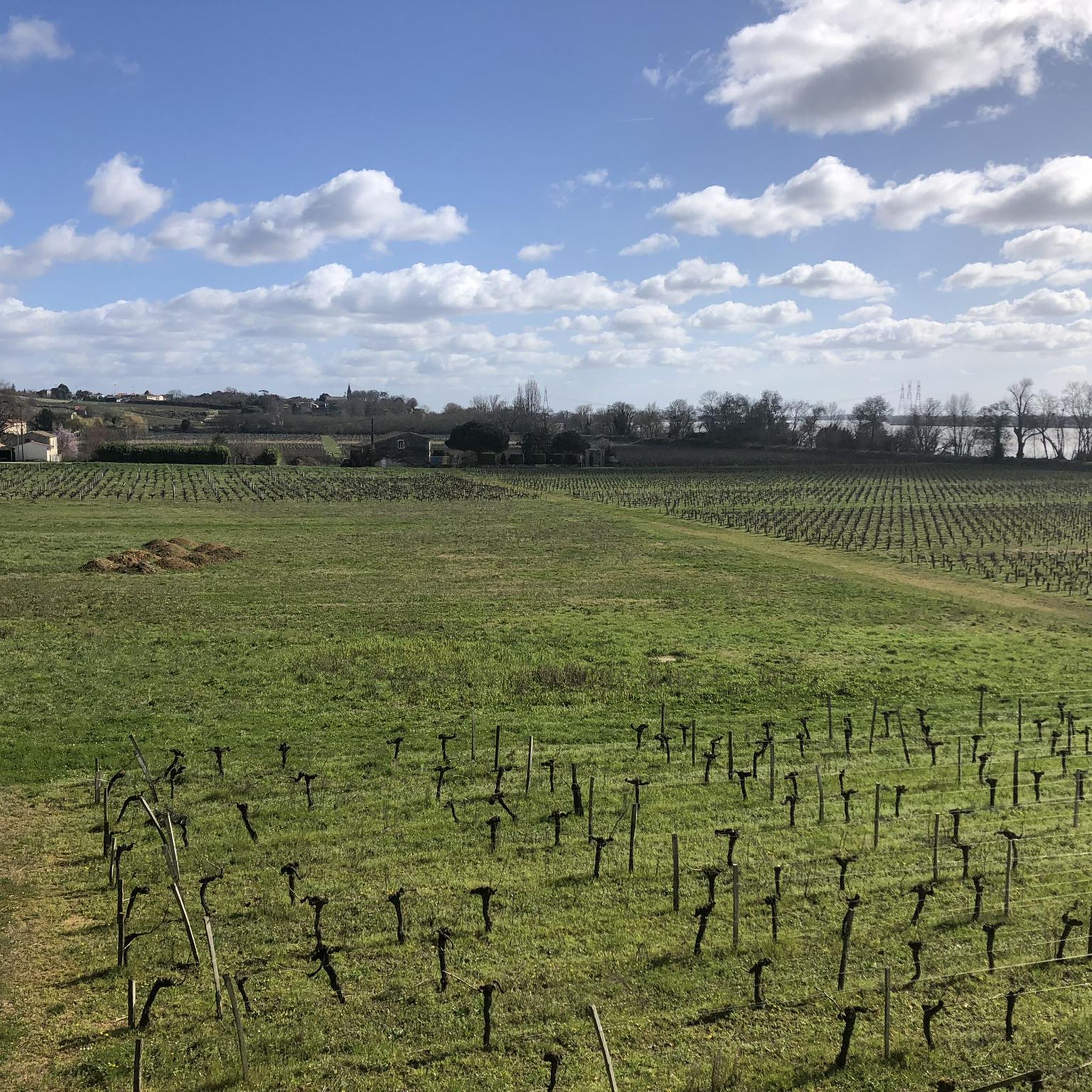
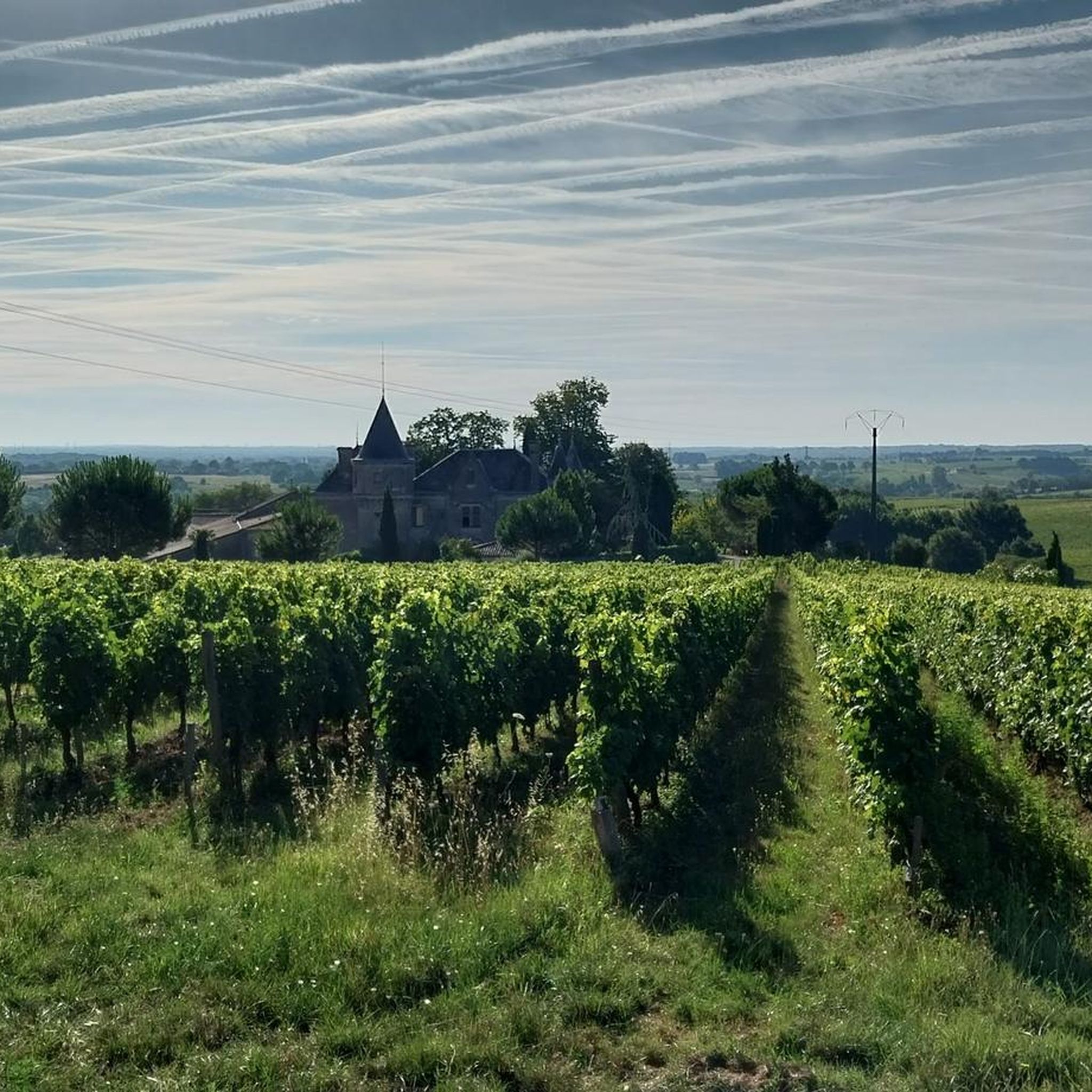
Attractions and places to see around Tauriac offer a blend of historical sites and natural landscapes. This region, characterized by its rural setting and vineyards, is situated near the largest estuary in Western Europe. Visitors can explore historical structures, religious buildings, and enjoy the green environment. The area provides opportunities to discover both significant man-made monuments and scenic views.
Best attractions and places to see around Tauriac
- The most popular attractions is Eiffel Bridge, a bridge known for its…
Last updated: July 6, 2026
Eiffel Bridge of Cubzac-les-Ponts
Highlight • Bridge
Translated by Google •
Tip by

Saint-Géronce Church
Highlight • Religious Site
Translated by Google •
Tip by

Sign up now to discover places like this
Get recommendations on the best single tracks, peaks, & plenty of other exciting outdoor places.
Sign up for free
Saint-André de Cubzac
Highlight • Monument
Tip by
Bourg-sur-Gironde Citadel
Highlight • Other
Translated by Google •
Tip by

Bourg Citadel
Highlight • Other
Translated by Google •
Tip by

Sign up for free to discover even more attractions around Tauriac.
Sign up for free
Already have an account?
Start today with a free account
Your next adventure awaits.
Login or Signup


Tips from the Community

This road bridge was built by Gustave Eiffel, between 1879 and 1883, on the foundations of a first suspension bridge (1839-1869) carried away by a storm. Destroyed during the Second World War, it was rebuilt by his grandson. The access ramp is supported by stone arcades which, seen from below, have the appearance of a Gothic cathedral.
0
0

A little piece of history with this bridge built by Gustave Eiffel!
0
0

This neo-Gothic church was built to replace the dilapidated church of the Recollect Fathers, a men's convent founded in 1627. In the 19th century, the church wanted to encourage a revival of Catholic worship; it encouraged the construction of new religious buildings in Gironde. Thus, in 1856, the Saint-Géronce church was consecrated. Due to lack of space, its apse was oriented towards the south, contrary to what the liturgy provided. The organ, which has its original construction from 1861, is remarkable. Mass is celebrated there every Sunday morning at 10:00 a.m.
0
0
The Church of Saint-André-du-Nom-de-Dieu includes sections whose construction dates from the 12th to the 19th centuries. It was built by the Benedictines of the Abbey of La Sauve-Majeure and was once used by a priory founded after 1115, dependent on the abbey. The dominant style of this fortified church is Romanesque. Its massive, square-based bell tower is imposing. The building boasts beautiful stained-glass windows and a remarkable organ case. The church was last restored in 1977. The Virgin of Mercy is an alabaster sculpture dating from the 16th century and is a listed historic monument.
1
0

The linguistic proximity of the "Pont Eiffel", which spans the Dordogne river here, and the low mountain range "Eifel" in the far west of Germany is no coincidence: The family of the designer - whose world-famous Tower of Paris (named after its builder) is probably known to everyone - has German roots. The ancestors of the Eiffel Tower builder Gustave EIFFEL come from the Eifel town of Marmagen (in the Euskirchen district, North Rhine-Westphalia). The village square there - if you are interested, see the following hiking highlight https://www.komoot.com/de-de/highlight/1830307 - is named after him.
6
0

Worth seeing and impressive bridge, even with a cycle path. Nice view of the railway bridge too.
6
1
Imposing little fortress in Bourg.
4
1
Church in town worth seeing. The market square with the hall is also worth seeing. Only the stupid one-way streets are annoying.
3
1
Frequently Asked Questions
What historical sites can I visit around Tauriac?
The region around Tauriac offers several historical attractions. You can explore the Bourg-sur-Gironde Citadel, a site with a complex past that includes a Gallo-Roman villa, a medieval castle, and an 18th-century Carthusian monastery. Another significant historical landmark is the Eiffel Bridge of Cubzac-les-Ponts, designed by Gustave Eiffel and originally built between 1879 and 1883. Additionally, Saint-André de Cubzac features prehistoric vestiges, Gallo-Roman villas, and a medieval fortress.
Are there any religious buildings or churches worth visiting?
Yes, the Saint-Géronce Church is a notable neo-Gothic religious building consecrated in 1856, featuring an original organ from 1861. It is located in a town with a market square. In Saint-André de Cubzac, you can also find the Romanesque Church of Saint-André-du-Nom-de-Dieu, with sections dating from the 12th to the 19th centuries.
What kind of natural features can I explore near Tauriac?
Tauriac is situated in a green environment with vineyards and is close to the largest estuary in Western Europe, offering scenic views. While the immediate area is rural, the proximity to the estuary provides opportunities for exploring natural landscapes. The Eiffel Bridge of Cubzac-les-Ponts also offers expansive views over the Dordogne River.
Are there family-friendly activities or attractions in the area?
The Saint-Géronce Church is listed as family-friendly. Additionally, the region's rural character and proximity to the estuary can provide pleasant settings for family outings and gentle exploration. The cantilevered cycle path on the Eiffel Bridge of Cubzac-les-Ponts could also be a fun activity for families with bikes.
What outdoor activities can I do near these attractions?
The area around Tauriac is excellent for cycling and hiking. You can find various routes for touring bicycles, gravel biking, and hiking. For cycling, consider routes like the 'Blaye - Bourg Bicycle Loop' or the 'Port of Plassac – Bourg Citadel loop'. Hikers can enjoy paths such as the 'Bourg Citadel – Bourg-sur-Gironde Citadel loop'. You can find more details and routes on the Cycling around Tauriac, Gravel biking around Tauriac, and Hiking around Tauriac guide pages.
Are there any cycling paths or routes available?
Yes, the Eiffel Bridge of Cubzac-les-Ponts features a newly created cantilevered bike path, offering over 1.5 kilometers to enjoy the views. There are also numerous cycling routes in the wider area, including options for touring bicycles and gravel biking. Explore routes like the 'Blaye - Bourg Bicycle Loop' or the 'Château Reynaud – Saint-André de Cubzac loop' on the Cycling around Tauriac guide.
What is the significance of the Eiffel Bridge near Tauriac?
The Eiffel Bridge of Cubzac-les-Ponts is a historical road bridge designed by Gustave Eiffel, built between 1879 and 1883. It spans 1,545 meters and was rebuilt in 1946-1947 after being destroyed during World War II. It's notable for its innovative construction techniques and now includes a dedicated cycle path, making it a significant landmark and a great spot for scenic views.
What is there to see in Bourg-sur-Gironde?
Bourg-sur-Gironde is home to the Bourg-sur-Gironde Citadel, a historic estate that has seen various constructions from a Gallo-Roman villa to a medieval castle and an 18th-century monastery. Although it was rebuilt in 1964, it continues to host various events and offers insights into the region's rich history. The town itself is charming and worth exploring.
Are there any UNESCO World Heritage sites nearby?
Yes, the Grotte de Pair-non-Pair, an UNESCO World Heritage site known for its prehistoric cave art, is located approximately 1.9 km from Tauriac (Gironde). This offers a unique opportunity to explore ancient human history and art.
What do visitors enjoy most about the attractions around Tauriac?
Visitors particularly appreciate the historical significance and architectural beauty of sites like the Eiffel Bridge of Cubzac-les-Ponts, often noting its stunning design and the newly created bike path. The historical depth of places like Bourg-sur-Gironde Citadel and the charm of the Saint-Géronce Church are also highly valued. The overall green environment and rural character contribute to a pleasant visiting experience.
Can I find any unique local experiences or 'hidden gems'?
Beyond the main highlights, exploring the local villages and their markets, such as the one near Saint-Géronce Church, can offer authentic experiences. The region's vineyards and cooperative wineries (Cave Coopérative) in Tauriac (Gironde) also provide a glimpse into local culture and produce. The Montalon site in Saint-André de Cubzac, with its remains of mills and the marker for the 45th parallel, offers a unique, lesser-known point of interest.
Is public transport available to reach these attractions?
While specific public transport details for each attraction are not provided, the region maintains a rural character. It is generally recommended to consult local tourist information for the most up-to-date details on public transport options, as personal vehicles or cycling are often the most convenient ways to explore the various sites around Tauriac.
Most popular routes around Tauriac
Most popular attractions around Tauriac

Get inspired with the komoot mobile app


Explore more
Still not found the Highlight you’re looking for? See guides of the top attractions in other regions:
