Attractions and Places To See around Chissey-Lès-Mâcon - Top 20
Best attractions and places to see around Chissey-Lès-Mâcon include a blend of historical landmarks, cultural sites, and natural surroundings. Located in the Saône-et-Loire department of Bourgogne-Franche-Comté, this region offers diverse points of interest. Visitors can explore Romanesque churches, historic châteaux, and traditional lavoirs. The area also provides opportunities for outdoor activities, with numerous hiking trails and cycling routes available.
Best attractions and places to see around Chissey-Lès-Mâcon
- The most popular attractions is Cormatin Castle, a castle that features meticulously…
Last updated: May 21, 2026
Cormatin Castle
Highlight • Castle
Translated by Google •
Tip by

Sainte-Marie-Madeleine Church
Highlight • Other
Translated by Google •
Tip by

Sign up now to discover places like this
Get recommendations on the best single tracks, peaks, & plenty of other exciting outdoor places.
Sign up for free
Taizé Community
Highlight • Religious Site
Translated by Google •
Tip by

Chapaize Church
Highlight • Religious Site
Translated by Google •
Tip by

Church of Reconciliation
Highlight • Other
Translated by Google •
Tip by
Sign up for free to discover even more attractions around Chissey-Lès-Mâcon.
Sign up for free
Already have an account?
Start today with a free account
Your next adventure awaits.
Login or Signup


Tips from the Community

Château de Cormatin is a magnificent moated castle from the early 17th century. The castle was built between 1606 and 1625 by the Marquises d'Huxelles. It houses the best-preserved state rooms from the time of Louis XIII in all of France. Famous are the "Gilded Rooms" (Salles Dorées) with opulent paintings, sculptures, and gilded ceilings. The extensive grounds, covering around 12 hectares, are among the most beautiful gardens in France. Highlights in the outdoor area include a large boxwood maze, an open-air baroque theatre, water features, and a historic vegetable garden.
0
0
This is a simple, Romanesque village church from the 12th century. It was already mentioned in the documents of the famous Cluny Abbey in the year 1156. The building has been a listed "monument historique" since 1913. In the small cemetery directly in front of the church is, among other things, the grave of Frère Roger, the founder of the well-known ecumenical community of Taizé. The church is used by many young people and pilgrims as a place of silence and personal prayer.
0
0
The Community of Taizé is an international ecumenical monastic order for men in the small village of Taizé, founded in 1940 by Brother Roger. It is considered one of the most important symbols of the ecumenical movement worldwide and a spiritual center of attraction for young people. The brotherhood consists of around 80 to 100 brothers from about 30 countries. They belong to various Christian denominations, including Catholics, Anglicans, and Protestants. The brothers do not accept donations or inheritances. They finance their livelihood exclusively through their own work, such as producing pottery and handicrafts, as well as selling books and music recordings.
0
0

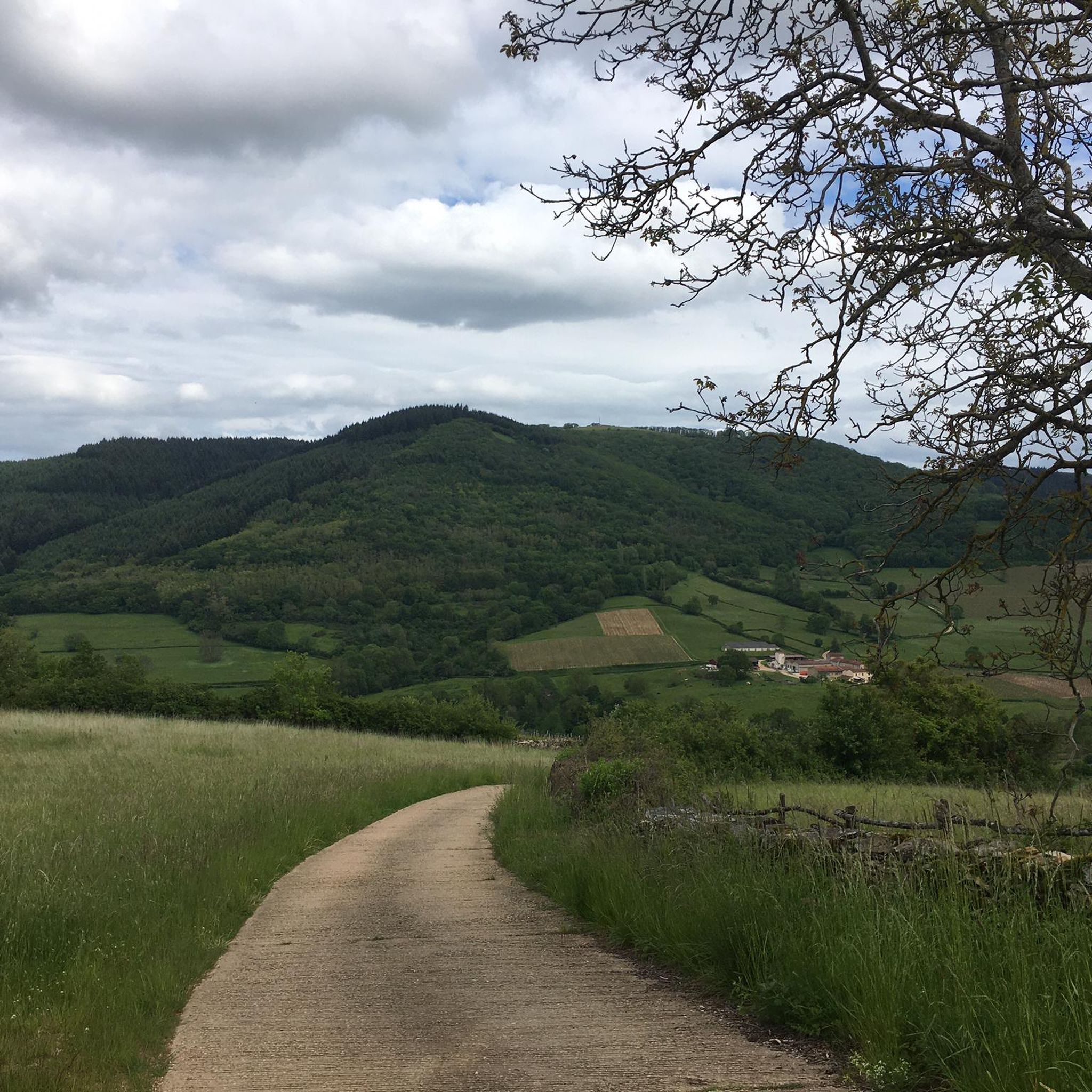
very beautiful hike Very shaded and very pleasant
0
0
The Church of Reconciliation is the spiritual center of the Taizé Community. A simple, spacious structure without interior fittings, which deliberately dispenses with any pomp.
2
0

There was no power outlet in the bungalow, but there were ports for USB-C cables.
1
2

The residence of the Marquis d'Huxelles, built between 1606 and 1625, is home to the most sumptuous Louis XIII apartment preserved in France. Fireplaces, ceilings and wood panelling were painted, carved and gilded with sumptuous exuberance for the favourite of Queen Marie de Medici. Paintings, tapestries and period furniture complete this seductive evocation of "château life" at the time of the "Three Musketeers". The tour also reveals a monumental stone staircase (20 metres high), an 18th century kitchen and the opulent 1900s salons of an opera director. The garden, in the spirit of the Baroque period, offers 12 hectares of flowerbeds, a large boxwood labyrinth with aviary-belvedere, vegetable garden, green theatre, water features and remarkable trees.
2
1

The old village church of Taizé, small and simple. This is where Brother Roger founded the famous Taizé community. His idea of reconciliation quickly found great international resonance, so that the much larger Church of Reconciliation was built further up. Brother Roger has been buried here since his murder in 2005.
2
0
Frequently Asked Questions
What historical churches can I visit in and around Chissey-Lès-Mâcon?
The region is rich in Romanesque churches. You can explore the Église Saint-Pierre de Chissey-lès-Mâcon, known for its 12th-century architecture and historiated capitals. Other notable churches include the Église Notre-Dame in Lys hamlet, Sainte-Marie-Madeleine Church in Taizé (the original church of the Taizé Community), Church of the Assumption of Ameugny, and Chapaize Church, which is admired for its harmonious architecture and high bell tower.
Are there any notable castles or manor houses in the area?
Yes, a prominent attraction is Cormatin Castle, an early 17th-century castle renowned for its meticulously maintained gardens, including a large boxwood labyrinth, and well-preserved Louis XIII apartments. Within Chissey-Lès-Mâcon itself, you can find the Château de la Bruyère in Prayes hamlet, Château du Bon Vouloir in the main village, and Château de Culey, along with a fortified house in Lys and a turreted manor in Culey.
What is the significance of the Taizé Community near Chissey-Lès-Mâcon?
The Taizé Community is an ecumenical monastic order that attracts many young people globally. It was founded by Frère Roger, who established his brotherhood in the original Sainte-Marie-Madeleine Church in Taizé. The community's message of reconciliation between peoples and denominations has made it a significant cultural and spiritual site. A larger Church of Reconciliation was later built to accommodate visitors.
Are there other unique historical structures to explore in Chissey-Lès-Mâcon?
Beyond churches and castles, Chissey-Lès-Mâcon features several historic washhouses (lavoirs) in various hamlets like Culey, Nécole, Prayes, Lys, and Chazeux, which are part of the Clunisois lavoir route. You can also find 15th-century pigeon houses and an 18th-century tower-colombier, along with the ruins of the Tour des quatre-boeufs.
What kind of outdoor activities are available around Chissey-Lès-Mâcon?
The region around Chissey-Lès-Mâcon is ideal for outdoor enthusiasts, offering a variety of hiking and cycling routes. The diverse landscapes of Saône-et-Loire provide excellent opportunities for discovery and relaxation through active exploration. You can find more details on specific routes in the dedicated guides for the area.
Are there specific cycling routes I can explore near these attractions?
Yes, the area offers numerous cycling opportunities. You can find various routes, including easy loops like the 'Tour Ronde de Cluny' from Ameugny or the 'Cormatin Castle' loop from Cormatin. For more options, check out the Cycling around Chissey-Lès-Mâcon guide, or specific guides for Road Cycling Routes.
Where can I find mountain biking trails near Chissey-Lès-Mâcon?
For mountain biking enthusiasts, there are several trails available. Routes such as the 'Cormatin Castle – Mount Saint-Romain loop from Cormatin' or the 'Cormatin Castle – Château de Cormatin loop from Chissey-lès-Mâcon' offer moderate challenges. You can explore more options in the MTB Trails around Chissey-Lès-Mâcon guide.
Are there family-friendly attractions in Chissey-Lès-Mâcon?
Absolutely! Cormatin Castle is highly recommended for families, with its extensive gardens, a large boxwood labyrinth, and a green theater that delights both children and adults. The general area also offers many easy walking and cycling paths suitable for families to enjoy the natural surroundings.
What do visitors particularly enjoy about the attractions near Chissey-Lès-Mâcon?
Visitors frequently praise the beauty and historical significance of sites like Cormatin Castle, noting its well-maintained gardens and impressive interiors. The Romanesque churches, such as Chapaize Church, are appreciated for their architectural harmony and historical depth. The peaceful and spiritual atmosphere of the Taizé Community also leaves a lasting impression on many.
What natural landscapes can I expect to see around Chissey-Lès-Mâcon?
The Saône-et-Loire department, where Chissey-Lès-Mâcon is located, is known for its rich and varied landscapes. You can expect to see rolling hills, lush countryside, and picturesque villages. While specific named natural features within the commune are not detailed, the overall region provides a beautiful backdrop for outdoor activities and scenic drives.
Is the nearby Abbaye de Cluny worth visiting?
Yes, the Abbaye de Cluny, located about 12 km from Chissey-Lès-Mâcon, is one of France's most visited abbeys and offers a significant cultural and historical experience. It was once the largest church in the world and a major center of medieval Christianity. Its impressive ruins and museum provide a deep dive into its rich past.
Are there any local artisan workshops or cultural spots in the hamlets?
The hamlet of Lys within Chissey-Lès-Mâcon is particularly noted for its various artisans who have revitalized old buildings, contributing to the local culture and character. Exploring Lys can offer a glimpse into local craftsmanship and a unique cultural experience.
Most popular routes around Chissey-Lès-Mâcon
Most popular attractions around Chissey-Lès-Mâcon

Get inspired with the komoot mobile app


Explore more
Still not found the Highlight you’re looking for? See guides of the top attractions in other regions:
