Attractions and Places To See around Marcilly-Lès-Buxy - Top 20
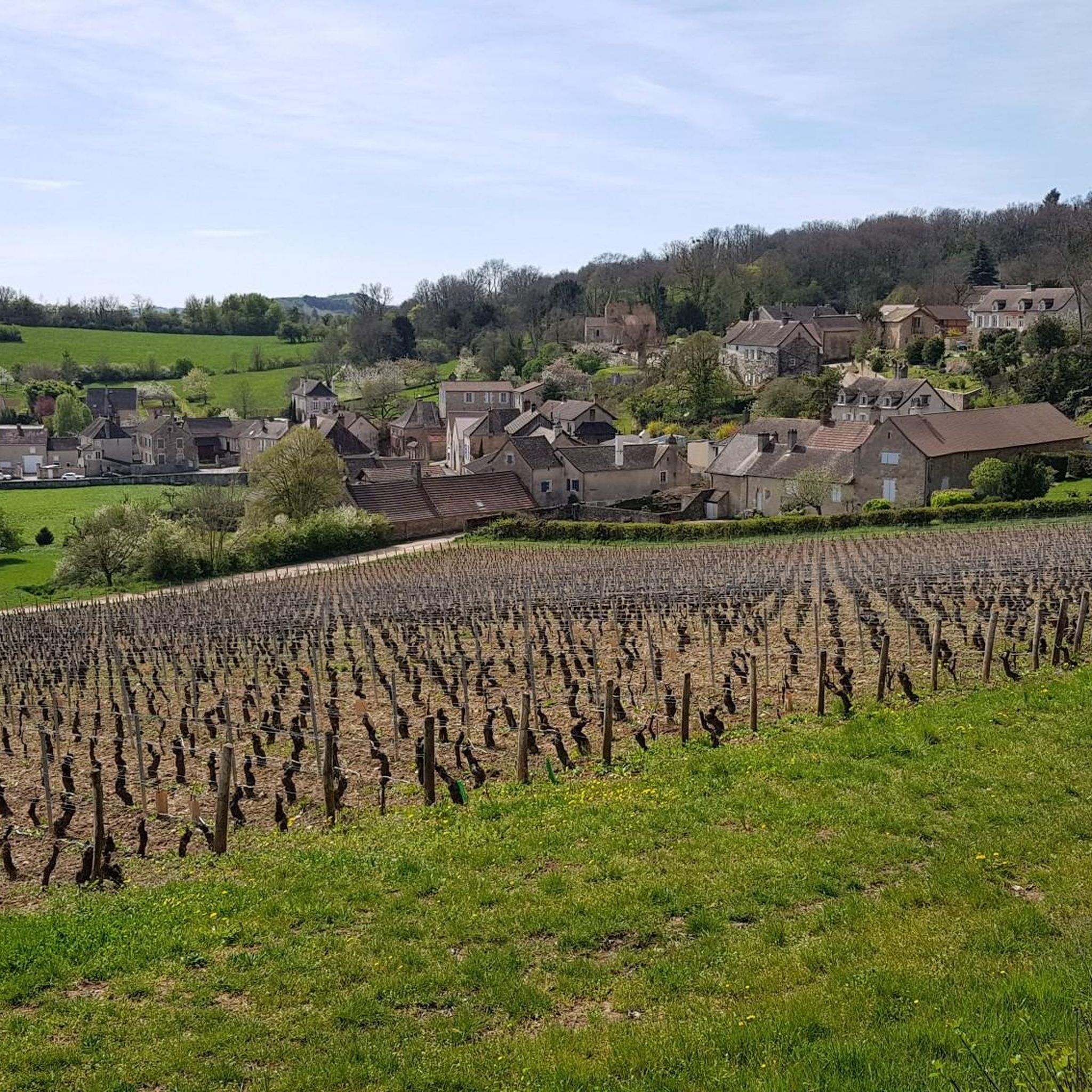
Best attractions and places to see around Marcilly-Lès-Buxy include a blend of historical landmarks, natural features, and cultural sites within the Saône-et-Loire department. The region is characterized by its verdant rural landscape, encompassing forests and traditional bocage. Notable geographical points, such as the Col des Baudots, mark significant watershed divides. This area offers opportunities for outdoor activities, including hiking and cycling through its tranquil environment.
Best attractions and places to see around Marcilly-Lès-Buxy
- The most popular attractions is Saint-Gengoux-le-National, a settlement that features medieval streets with half-timbered houses and Renaissance residences. Its church displays a blend of Gothic and Romanesque architecture.
- Another must-see spot is Jambles, a settlement with historical ties to Cluny Abbey. Visitors can explore its historical significance, including a former hospital mentioned in 1263, and a fountain near a cross in its center.
- Visitors also love View of Saint-Denis-de-Vaux, a scenic viewpoint featuring a complete crucifixion group. It offers expansive views and a unique historical religious monument.
- Marcilly-Lès-Buxy is known for its historical landmarks, natural features, and outdoor routes. The region offers a variety of attractions to see and explore, from cultural sites to tranquil rural landscapes.
- The attractions around Marcilly-Lès-Buxy are appreciated by the komoot community, with over 100 upvotes and 150 photos shared.
Last updated: July 6, 2026
Saint-Gengoux-le-National
Highlight • Settlement
Its church is also eye-catching for its design: a unique blend of Gothic and Romanesque architecture. Inside the building, splendid stained-glass windows are a sight to behold.
Translated by Google •
Tip by

View of Saint-Denis-de-Vaux
Highlight • Other
Translated by Google •
Tip by

Sign up now to discover places like this
Get recommendations on the best single tracks, peaks, & plenty of other exciting outdoor places.
Sign up for free
Voie Verte Chalon–Mâcon
Highlight (Segment) • Cycleway
Translated by Google •
Tip by

Crainseny Viaduct
Highlight • Bridge
Translated by Google •
Tip by

Accessible Drinking Water Fountain
Highlight • Rest Area
Translated by Google •
Tip by

Sign up for free to discover even more attractions around Marcilly-Lès-Buxy.
Sign up for free
Already have an account?
Start today with a free account
Your next adventure awaits.
Login or Signup
Tips from the Community

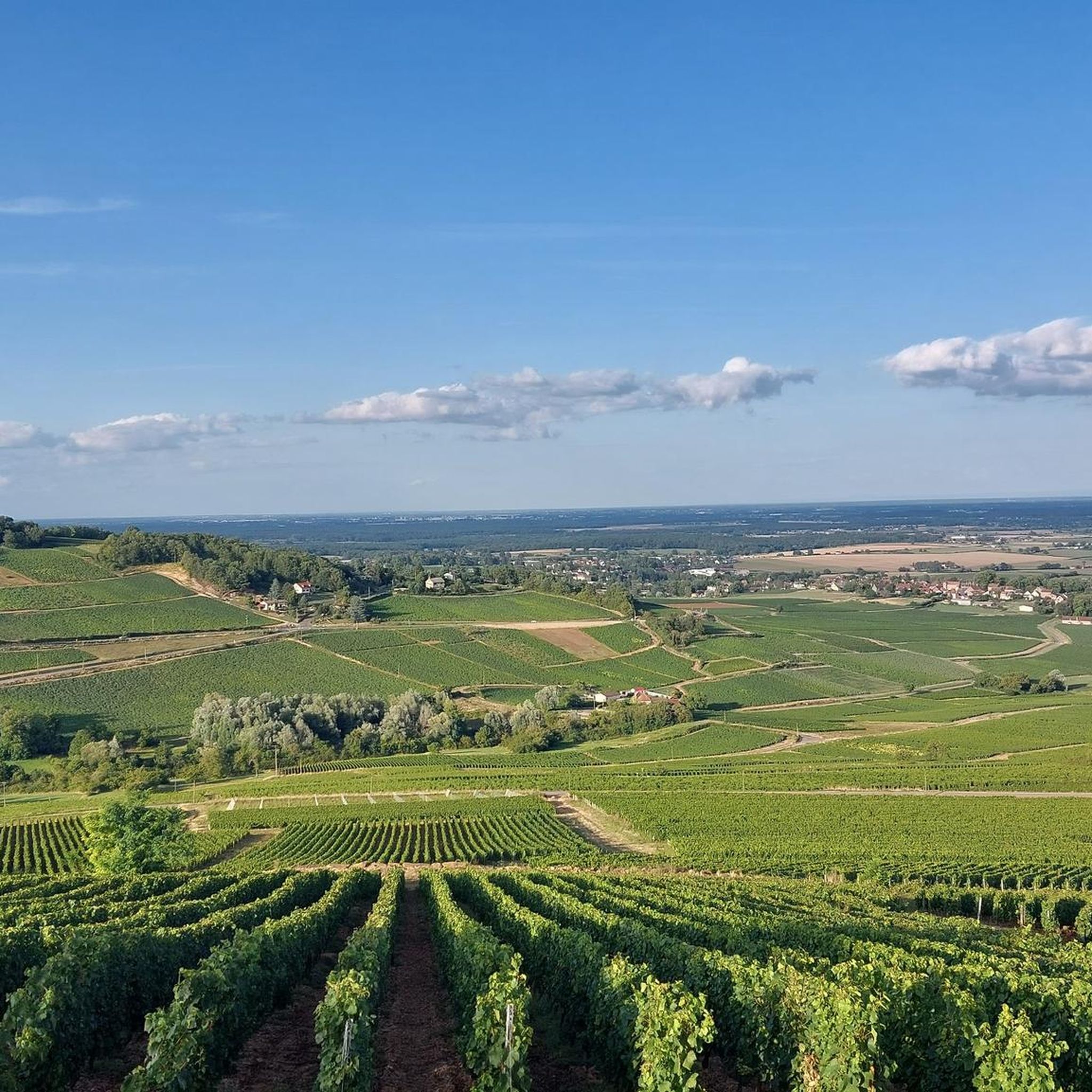
The completely car-free "Green Way" leads over around 70 kilometers from Chalon-sur-Saône to Mâcon. The path winds through picturesque vineyards (Côte Chalonnaise), past medieval villages like Saint-Gengoux-le-National, historic castles, and Romanesque architecture. On the route, you will pass the historic town of Cluny with its famous, thousand-year-old abbey. Near Cluny, you will cross the longest tunnel in Europe open to cyclists, at 1.6 km (note the winter closure for bat protection). Together with the parallel river route Voie Bleue along the Saône, the route can be combined into a fantastic 145 km circular tour (Grande Boucle de Bourgogne du Sud).
0
0
The Crainseny Viaduct (French: Viaduc de Crainseny) is a historic railway bridge in the south of the Côte Chalonnaise region. The viaduct was built in 1882. It has a total length of 246 meters, spans the valley at a height of around 23 meters, and features a distinctive curve with a radius of 400 meters. The masonry bridge consists of 16 elegant round arches, each with a span of 12 meters. Originally, the railway ran here on the Étiveau-Montchanin line, connecting the towns of Saint-Gengoux-le-National and Montchanin. Train services were discontinued in 1969.
0
0

A very beautiful piece of work, a testament to the local railway era.
1
0

This spot is interesting not only for the view that can be enjoyed. For here, the hiker or walker encounters not just a simple wayside cross, but a complete crucifixion group has been erected in this exposed location: the white body of the crucified Christ stands out clearly against the brown tone of the crossbeams. In front of it, three other figures surround the incarnate Son of God. Both the cross and these figures stand individually on a rocky pedestal, probably made of granite. According to the biblical accounts of the execution of Jesus of Nazareth, the viewer can recognize Mary, the mother of Jesus, and the beloved disciple John, who, according to the gospel text, persevered beneath the cross. Directly opposite the cross is the third figure, depicted kneeling.
2
0

Superb little town, all shops and services.
2
0

Saint-Gengoux-le-National owes its medieval town to the dual supervision exercised by the Abbey of Cluny and by King Louis VII from the 12th century. Walking through the streets of this city is a real pleasure, it has managed to preserve its urban, architectural and landscape heritage.
3
0

The Crainseny viaduct, 246 m long, with a curve radius of 400 m, 16 arches and an opening of 12 m, is undoubtedly the most imposing structure on the South Chalonnaise Coast. The old railway line crossed it and the viaduct linked St-Gengoux to Montchanin crossing the Crainseny valley until 1969. Built in 1882, its height is approximately 23 m.
2
0

Railway cycle path with beautiful accompanying forest, only steeper gradients at intersections. Circulation barriers at intersections are easy to drive through, even with trailers.
1
0
Frequently Asked Questions
What historical sites can I explore around Marcilly-Lès-Buxy?
The region offers a rich history. You can visit Saint-Gengoux-le-National, a settlement known for its medieval streets, half-timbered houses, and Renaissance residences, as well as a church blending Gothic and Romanesque architecture. Another significant historical settlement is Jambles, which has historical ties to Cluny Abbey and once housed a hospital mentioned in 1263. Marcilly-Lès-Buxy itself features a 19th-century castle and the historic Church of Saint-Vincent.
Are there any notable natural features or viewpoints in the area?
Yes, the area boasts several natural points of interest. The View of Saint-Denis-de-Vaux offers expansive views and features a unique crucifixion group. Another scenic spot is the Statue of Mary, which provides a fantastic view of the Saône valley. Additionally, the Col des Baudots, at 421 meters, is a significant natural point marking the watershed divide between the Mediterranean and Atlantic basins.
What outdoor activities are available for hiking enthusiasts?
Marcilly-Lès-Buxy and its surroundings are ideal for hiking. You can find numerous trails through forests and traditional bocage landscapes. Popular routes include 'Le Moulin de la Roche à Marcilly-lès-Buxy' for a peaceful walk. For more options, explore the various hiking routes listed in the Hiking around Marcilly-Lès-Buxy guide, which features trails like the 'Panoramic rest area – Statue of Mary loop from Savianges'.
Can I find cycling routes near Marcilly-Lès-Buxy?
Absolutely. The region is well-suited for cycling, offering picturesque routes like the 'Véloroute de Montchanin à Saint-Boil'. For road cycling, you can explore options such as the 'Saint-Mard-de-Vaux Hill – Cycle track loop from Sainte-Hélène' or the 'Jambles – Round Hall loop from Sainte-Hélène'. More detailed routes are available in the Road Cycling Routes around Marcilly-Lès-Buxy guide.
Are there family-friendly attractions or activities in the area?
Yes, several attractions are suitable for families. The settlement of Saint-Gengoux-le-National, with its charming medieval streets, and Jambles, with its historical significance and central fountain, are both categorized as family-friendly. The tranquil rural landscape also provides a great setting for family walks and exploring the outdoors.
What is the Church of Saint-Vincent in Marcilly-Lès-Buxy known for?
The Church of Saint-Vincent is a central cultural and architectural landmark in Marcilly-Lès-Buxy. It is dedicated to Saint Vincent and is part of the Saint-Vincent-des-Buis parish, encompassing 17 villages. Its distinctive bell tower is a prominent feature of the local landscape, adding to the commune's historical charm.
Where can I find drinking water while exploring the trails?
You can find an Accessible Drinking Water Fountain along some routes. These water points are valuable, especially on stages where other facilities might be scarce. The water is often described as cold and refreshing, and these spots can also offer a good place for a rest.
What is the significance of the Lavoir in Le Matrat?
In the hamlet of Le Matrat, visitors can find a traditional lavoir, or washhouse. This site offers a glimpse into the local heritage and the historical daily life of the community, reflecting the rural traditions of the Bourgogne-Franche-Comté region.
What do visitors enjoy most about the attractions around Marcilly-Lès-Buxy?
Visitors particularly appreciate the blend of historical authenticity and natural beauty. They enjoy the well-preserved medieval character of places like Saint-Gengoux-le-National, the expansive views from spots like the View of Saint-Denis-de-Vaux, and the tranquil rural environment perfect for outdoor activities. The community has shared over 150 photos and given more than 100 upvotes to the attractions in the area.
Are there any running trails available in the vicinity?
Yes, there are several running trails around Marcilly-Lès-Buxy. You can find routes like the 'Running loop from Écuisses' or the 'Roselet loop from Écuisses'. For a comprehensive list of options, refer to the Running Trails around Marcilly-Lès-Buxy guide.
What is the best time to visit Marcilly-Lès-Buxy for outdoor activities?
The area's verdant rural environment, with its forests and bocage landscapes, is generally pleasant for outdoor activities during spring, summer, and early autumn. These seasons offer favorable weather for hiking, cycling, and exploring the natural features, allowing you to fully enjoy the tranquil setting.
Most popular routes around Marcilly-Lès-Buxy

Get inspired with the komoot mobile app


Explore more
Still not found the Highlight you’re looking for? See guides of the top attractions in other regions:
