Top 8 Mountain Passes around Sansa
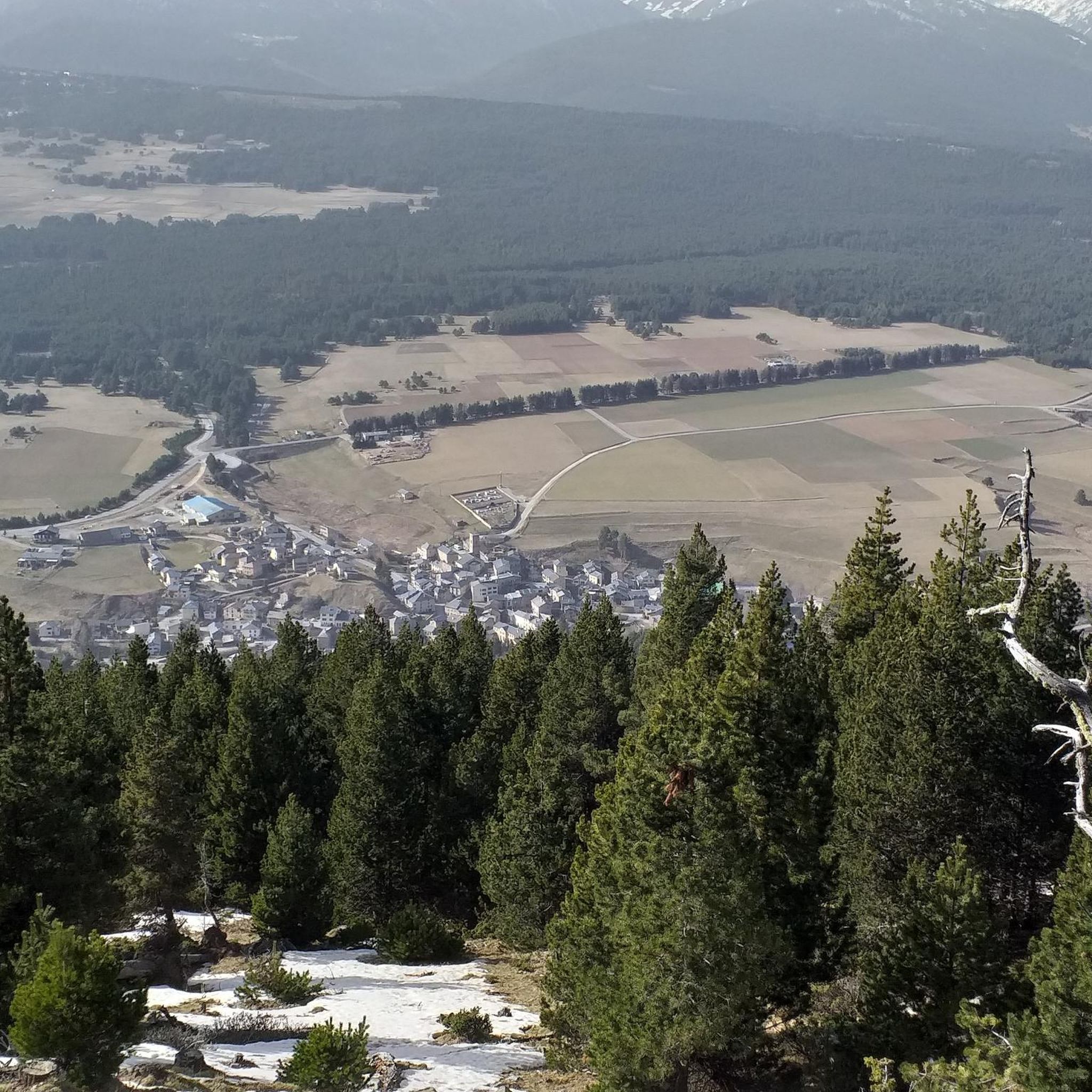
Mountain passes around Sansa are located within the Pyrénées-Orientales department in the Pyrenees mountain range of southern France. The commune of Sansa itself is situated at elevations ranging from 1,155 to 2,459 meters. This geographic location places it amidst a network of mountain passes that connect different valleys and regions. The area is characterized by its mountainous terrain, offering routes that traverse forests, plateaus, and provide access to various viewpoints.
Best mountain passes around Sansa
- The most popular mountain passes…
Last updated: June 26, 2026
Col de la Llose
Highlight • Mountain Pass
Translated by Google •
Tip by

Col de la Creu
Highlight • Mountain Pass
Translated by Google •
Tip by

Sign up now to discover places like this
Get recommendations on the best single tracks, peaks, & plenty of other exciting outdoor places.
Sign up for free
Coll de la Llose from La Llagonne
Highlight (Segment) • Mountain Pass
Translated by Google •
Tip by
Col de Jau
Highlight • Mountain Pass
Translated by Google •
Tip by

Col de Juell 1,500 m
Highlight • Mountain Pass
Translated by Google •
Tip by

Sign up for free to discover even more mountain passes around Sansa.
Sign up for free
Already have an account?
Start today with a free account
Your next adventure awaits.
Login or Signup


Tips from the Community

It is a small elevation that allows you to connect Railleu and Caudiès-de-Conflent with Aiguatèbia in the most direct way possible. The road is very narrow although it has been recently paved and the asphalt is simply perfect. On the Aiguatèbia slope it is approximately 3 km very hard, although with wonderful views of the valley. You can not lose this!
1
0
It is a simply spectacular port that unites the regions of Conflent and Capcir. It is one of the most beautiful ports in the easternmost Pyrenees. It is very close to the Col de la Llosa, and you can take a circular route that is known as the "Route des Cols". It is also indicated on nearby road signs. The hardest slope is the one that begins in Olette (Conflent) and goes up through Aiguatèbia. There are almost 22 km of ascent and 1,089 meters of elevation gain. It has 3 very different zones: (1) the first is a constant 5 km at 7%; (2) the second is 10 km at 4% and with some very pleasant rest areas, with beautiful views; (3) The final part is 6 km on average at 7%, since it passes the town of Railleu, although the hard part is the last 3 km, with several ramps that exceed 10%. The road is narrow and has uneven asphalt, with hardly any cars and motorcycles. For me, the final part of this port is truly spectacular and should not be missed. The west slope begins in the town of Matamala (Capcir) and is 3 km with an average of close to 8%. It is a long irregular stretch along a narrow and very quiet road, with panoramic views of the valley when the thick black pine forest gives some opportunity.
0
0

A little disappointing: the pass is in the middle of the forest and offers no view. The climb from (and to!) Railleu is nevertheless superb. A nice picnic area to have a bite to eat.
1
0
I attach the link to consult the profile produced by @cyclingcols --> https://www.cyclingcols.com/col/Llose
0
0
It is the final stretch of the climb on its western slope. Previously, until you reach Llagone, you can get there via the Col de Quillane or the Col de la Perche. It is 3 km with a road in perfect condition, very wide and with rough asphalt. At the detour, right at the beginning, there is a small section of descent to then face 2.5km at 7% and some hard ramps. At the top of Col de la Llose there is a bar where you can have a drink.
0
0
It is a mandatory port for anyone who wants to visit Upper Cerdanya by bicycle. On the southern slope it is very affordable; However, the charm of this port is on the northern slope, the one that goes up from Olette. It has all the incentives for good cycle tourism.
0
0

if you have the legs go up to sansa before
1
0

Good mood and good food: the ideal place to regain your strength!
0
0
Frequently Asked Questions
What are the most popular mountain passes around Sansa?
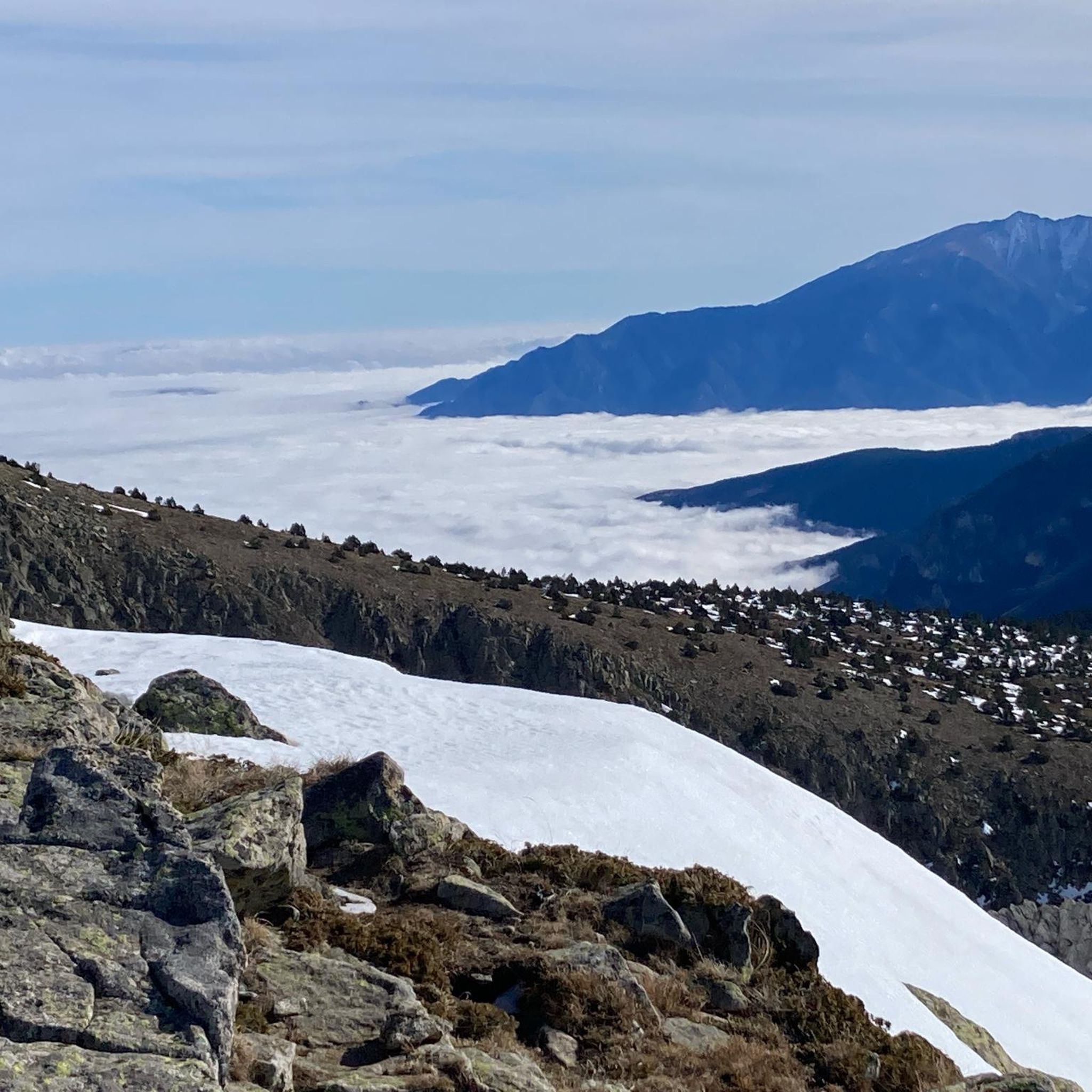
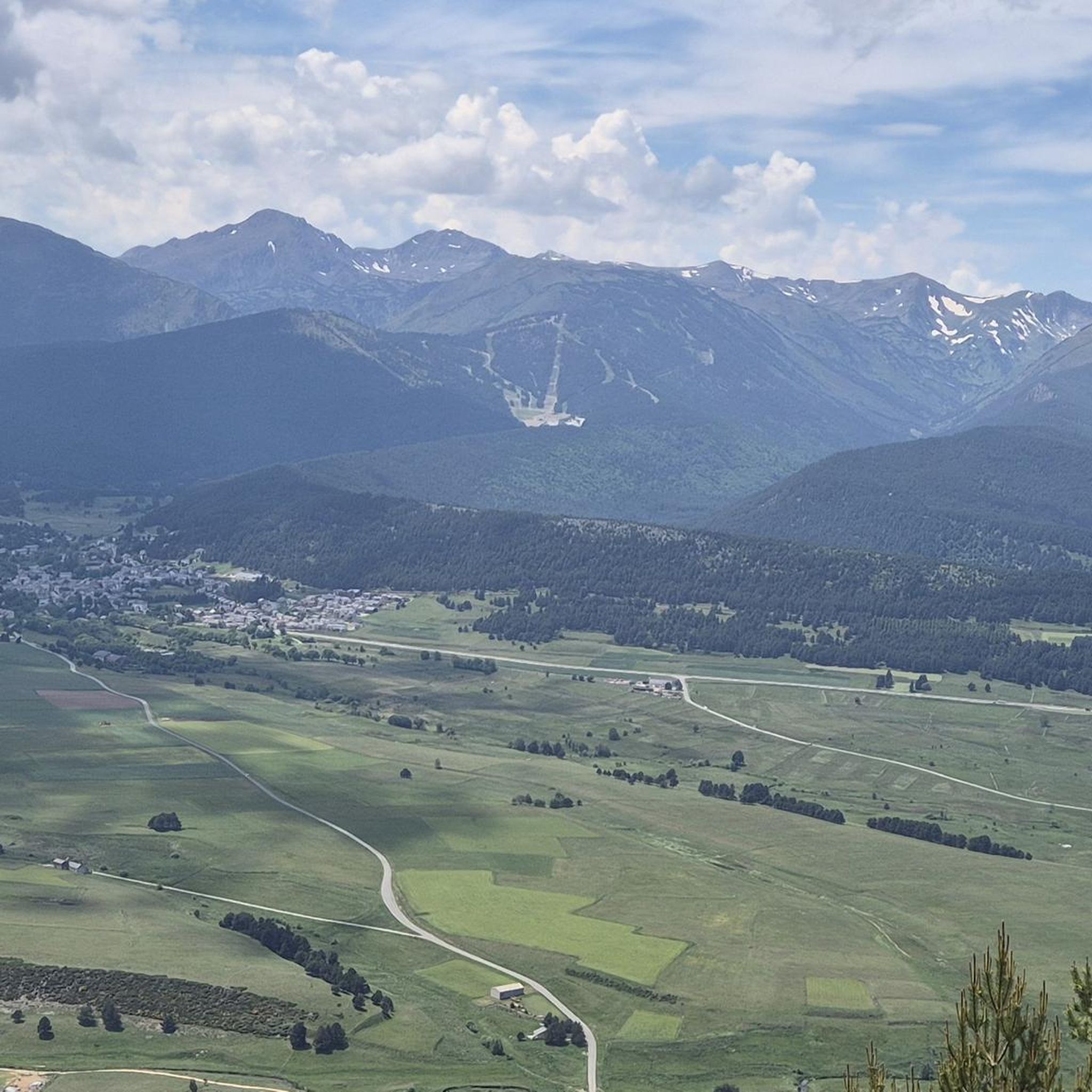
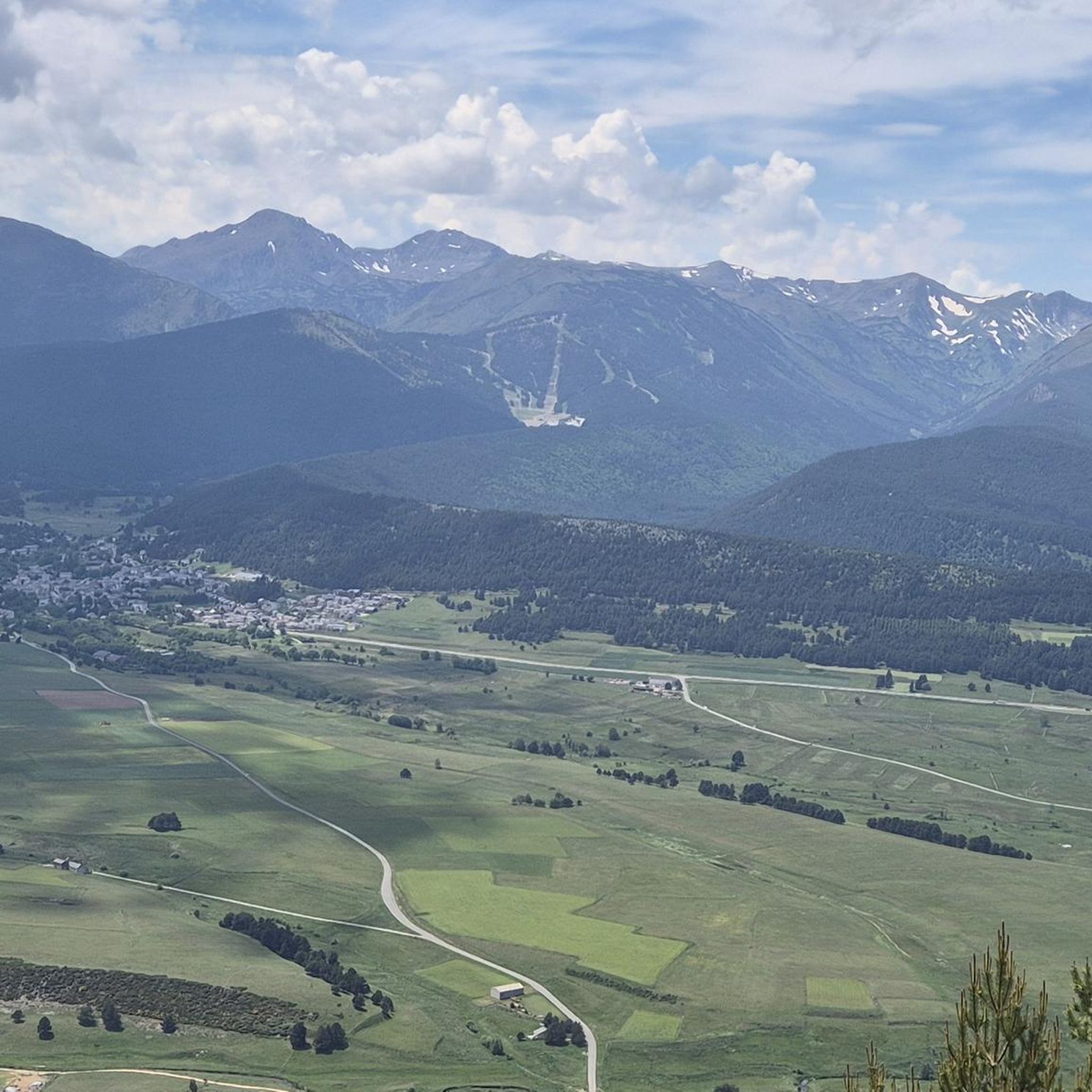
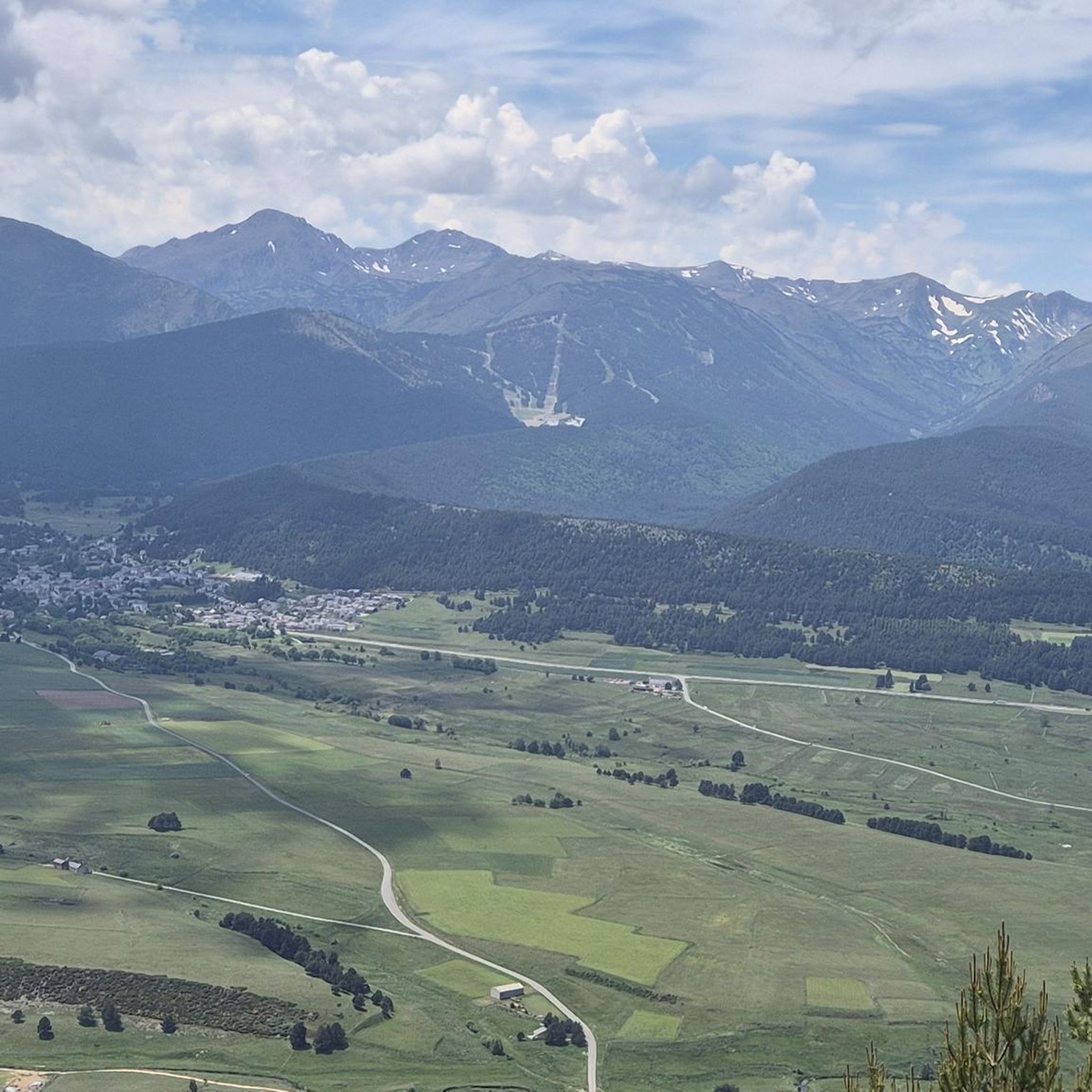
Among the most appreciated passes by the komoot community are Col de la Creu, known for its fantastic views with the Canigó in the background, and Col de la Llose, an intermediate pass offering a significant climb and separating the plateau from the Capcir region. Col de Jau is also highly regarded for its continuous climb and excellent views through meadows and sparse forest.
Are there challenging mountain passes for experienced cyclists or hikers near Sansa?
Yes, the region offers several challenging routes. For instance, the climb to Col de la Llose from Olette is approximately 24 km long with 1200 meters of elevation gain. The eastern slope of Col de la Creu from Olette through Aiguatèbia also presents a demanding ascent of almost 22 km with 1,089 meters of elevation gain, including ramps exceeding 10% in the final section. Additionally, the Aiguatèbia slope of Col de Juell 1,500 m is described as a very hard 3 km climb.
What kind of views can I expect from the mountain passes around Sansa?
Many passes offer spectacular panoramic views. For example, Col de la Creu provides a fantastic vista with the iconic Canigó mountain in the background. Col de Jau offers excellent views as you traverse meadows and sparse forest. Even smaller passes like Col de Juell 1,500 m boast wonderful valley views from their challenging slopes.
Are there any loop trails that incorporate these mountain passes?
Yes, the area is known for routes that can be combined into loops. For example, Col de la Creu and Col de la Llose are very close, and you can take a circular route known as the "Route des Cols," which is also indicated on nearby road signs. The western slope of Coll de la Llose from La Llagonne is also a good starting point for countless loops.
What outdoor activities can I do near these mountain passes?
The region around Sansa is excellent for various outdoor activities. You can find numerous road cycling routes, such as the 'Between Juell Pass and Llose Pass' or the 'Pailhères Pass – Pradel Pass loop from Puyvalador'. There are also gravel biking opportunities, including the 'Col de la Creu – Lake Matemale loop from Formiguères'. For hikers, trails like the 'Puyvalador Dam loop from Réal' or the 'Col de la Creu – Refuge du Coll de Torn loop from Col de Creu' are available. You can explore more options on the dedicated guides for Road Cycling Routes around Sansa, Gravel biking around Sansa, and Hiking around Sansa.
What is the best time of year to visit the mountain passes around Sansa?
The Pyrenees region, where Sansa is located, is generally best visited from late spring to early autumn (May to October) for hiking and cycling, when the weather is milder and passes are clear of snow. However, conditions can vary, especially at higher elevations, so it's always advisable to check local weather forecasts before your trip.
Are there any facilities or amenities available at the mountain passes?
Some passes offer basic amenities. For example, at the top of Col de la Llose (specifically the approach from La Llagonne), there is a bar where you can stop for a drink. Col de la Creu also features a nice picnic area, which is perfect for a break.
What are some tips for climbing the mountain passes in this region?
Visitors recommend being prepared for continuous climbs. For example, the ascent to Col de la Llose from Olette is described as quite even, allowing you to sink deep into your thoughts and just climb. The road surfaces can vary; some, like the recently paved Col de Juell 1,500 m, are in perfect condition, while others might have uneven asphalt. Always be mindful of narrow roads and potential lack of cars and motorcycles on some routes.
Can I find intermediate-level mountain passes around Sansa?
Yes, Sansa is known for its intermediate mountain passes. Both Col de la Llose and Col de la Creu are categorized as intermediate, offering a good balance of challenge and accessibility for those with some experience. Col de Jau also presents a continuous climb without particular difficulties, making it suitable for intermediate adventurers.
What makes the mountain passes around Sansa unique?
The mountain passes around Sansa are unique due to their location within the easternmost Pyrenees, offering a blend of challenging ascents, serene forest sections, and breathtaking views of the surrounding mountains, including the Canigó. They connect distinct regions like Conflent and Capcir, providing diverse landscapes and experiences, from high-altitude plateaus to lush valleys.
Are there any specific natural features or wildlife to look out for?
The passes traverse diverse natural environments, including meadows and sparse forests, particularly noticeable on routes like Col de Jau. While specific wildlife sightings are not detailed, the mountainous terrain and forest cover suggest opportunities for observing local flora and fauna typical of the Pyrenees. The region's natural beauty is a significant draw for visitors.
Most popular routes around Sansa
Most popular attractions around Sansa

Get inspired with the komoot mobile app


Explore more
See even more epic mountain passes by checking out these guides around Sansa:
