The best cycling routes around Le Tech
4.5
(94)
961
riders
37
rides
Touring cycling around Le Tech offers a diverse landscape within the Vallespir valley in the French Pyrenees. The region is characterized by challenging mountainous terrain, including significant passes and peaks, alongside scenic valley routes following the Tec River. Cyclists will encounter a mix of mostly paved surfaces, with some unpaved segments, and substantial elevation changes. This area provides a varied environment for touring cyclists, from demanding ascents to more gentle rides through picturesque natural settings.
Best touring cycling routes around…
Last updated: June 28, 2026
5.0
(1)
33
riders
53.6km
03:57
1,250m
1,250m
Hard bike ride. Very good fitness required. Mostly paved surfaces. Suitable for all skill levels.
5.0
(2)
41
riders
68.2km
05:05
1,680m
1,680m
Hard bike ride. Very good fitness required. Mostly paved surfaces. Suitable for all skill levels.

Sign up for free
15
riders
37.7km
02:49
910m
910m
Hard bike ride. Very good fitness required. Mostly paved surfaces. Suitable for all skill levels.
5.0
(1)
5
riders
69.1km
05:34
1,790m
1,790m
Hard bike ride. Very good fitness required. Mostly paved surfaces. Suitable for all skill levels.
5.0
(1)
12
riders
27.4km
02:06
700m
690m
Hard bike ride. Very good fitness required. Mostly paved surfaces. Suitable for all skill levels.
Get access to more routes and recommendations from other explorers.
Sign up for free
Already have an account?
Our route recommendations are based on thousands of hikes, rides, and runs completed by other people on komoot.
Start today with a free account
Your next adventure awaits.
Login or Signup
Popular around Le Tech
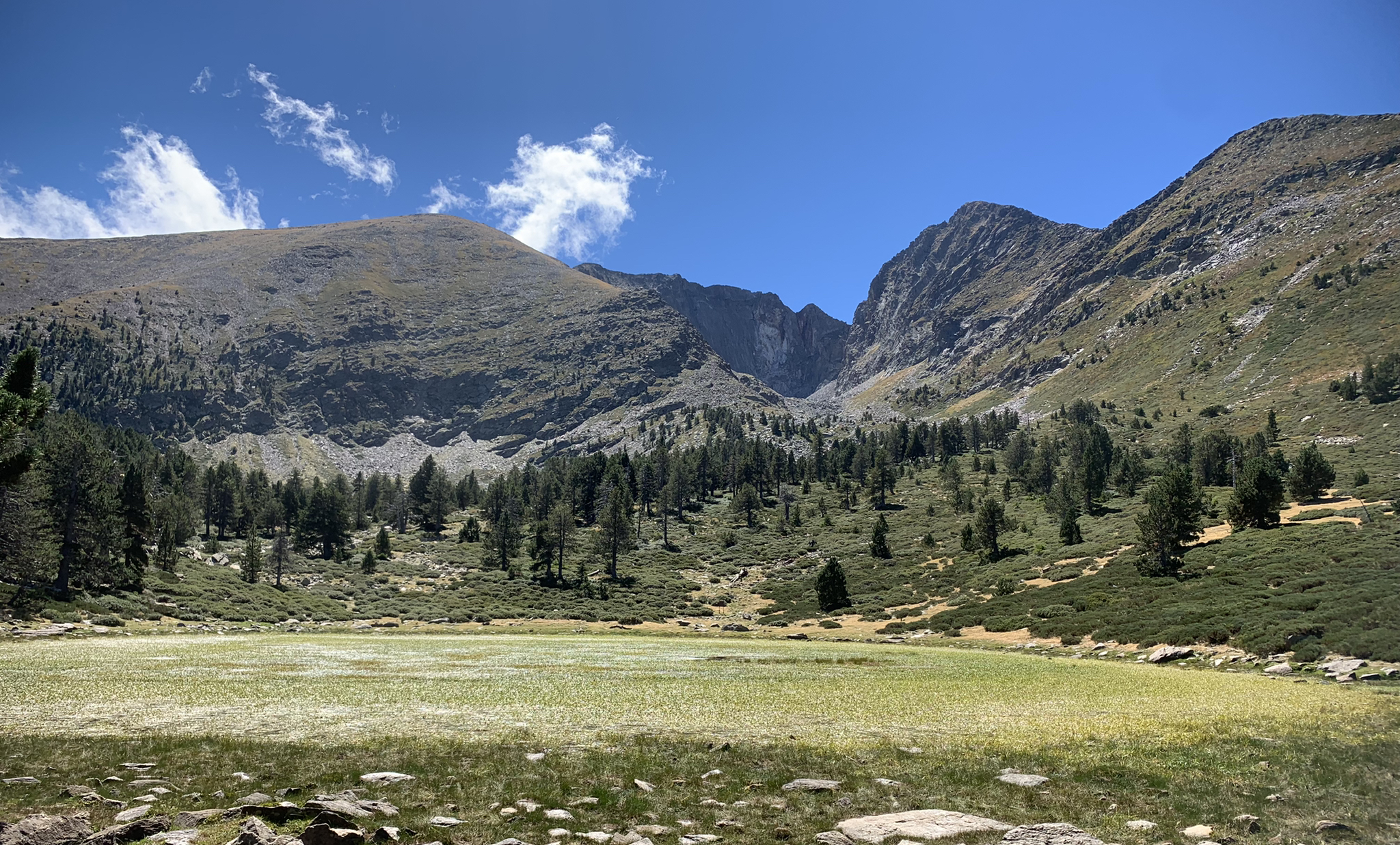
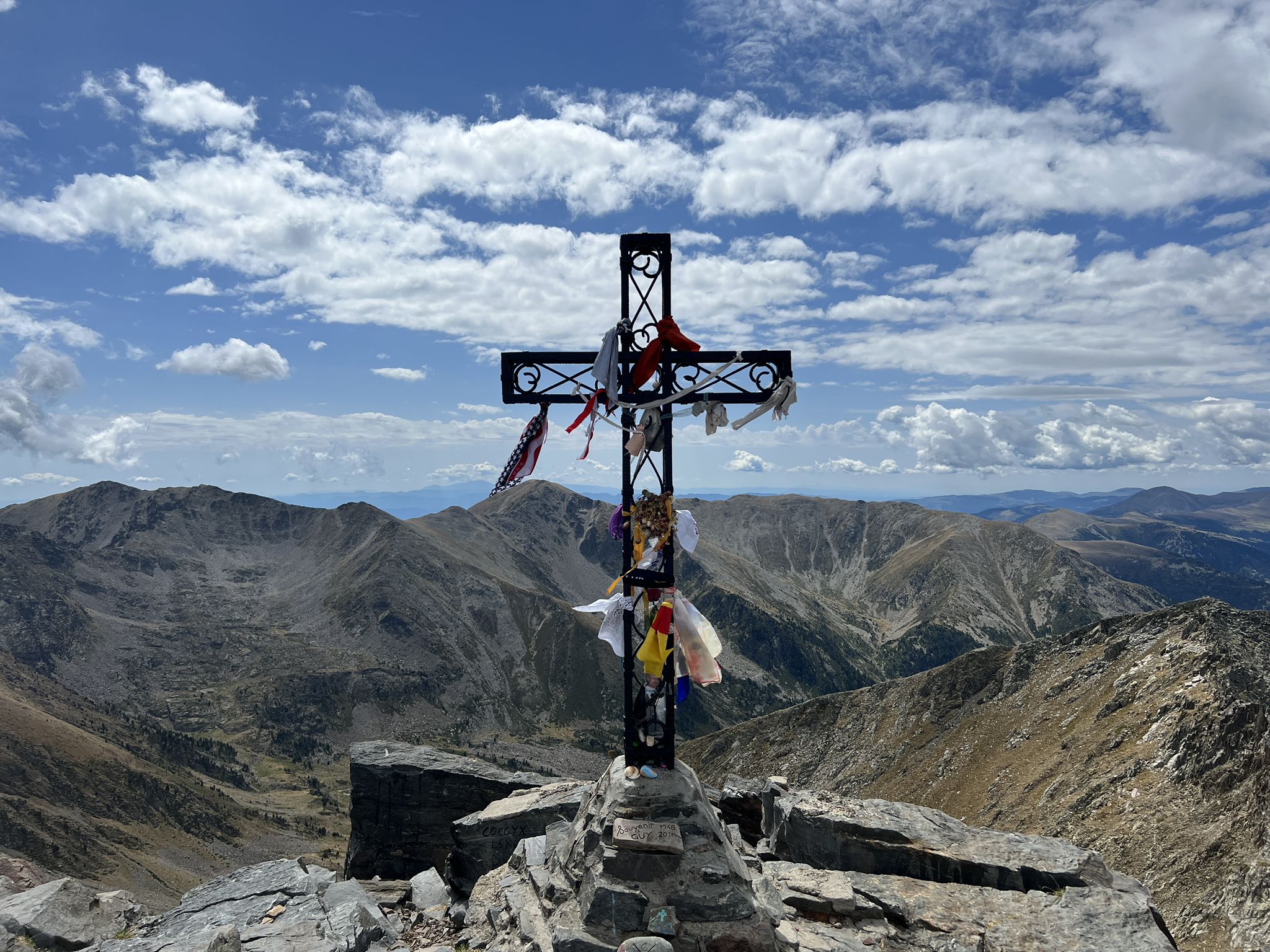
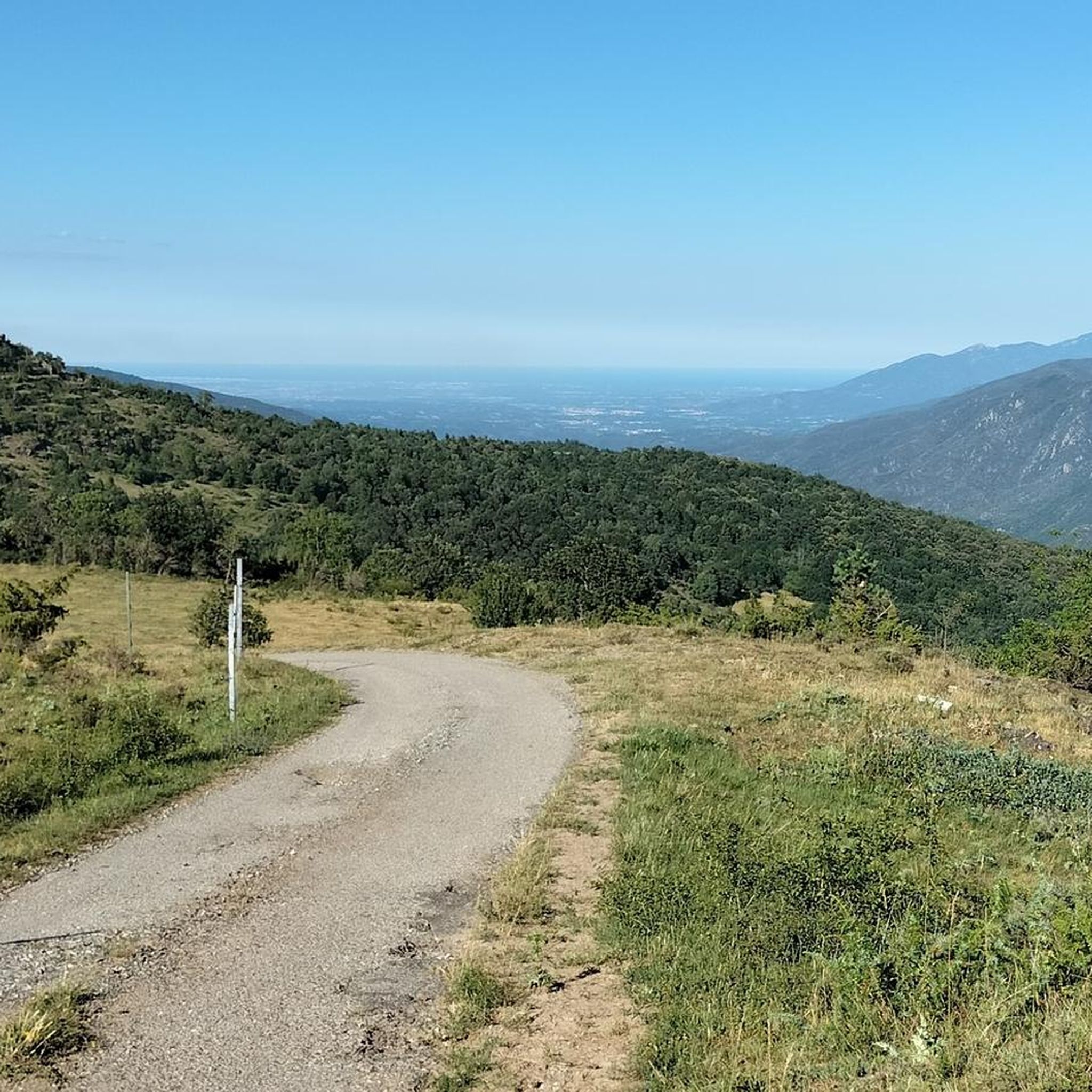
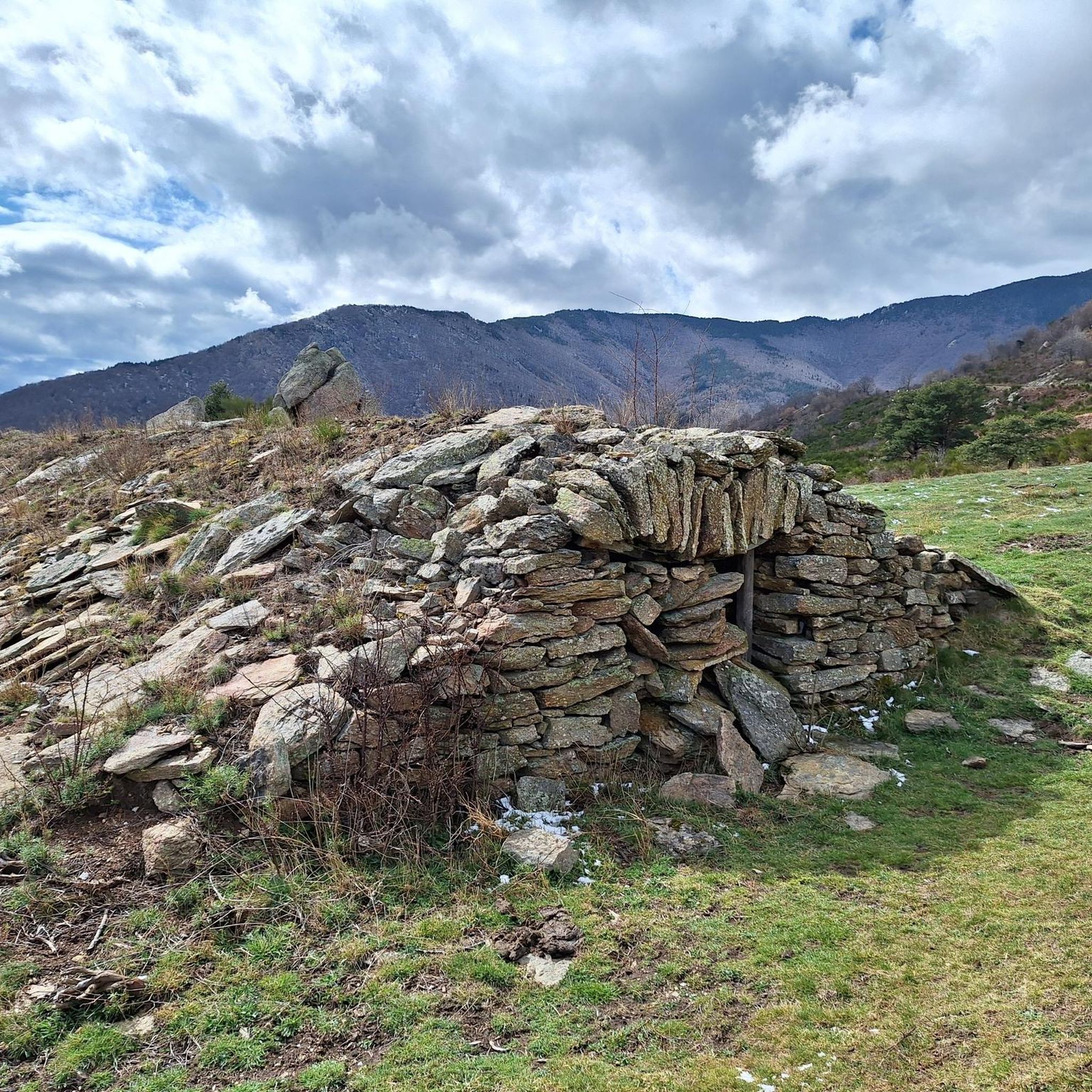




Tips from the Community


A pass that is not too difficult to climb and offers a magnificent landscape when crossing the border at the summit.
0
0

It is a mountain pass located at an altitude of 1,513 metres, on the border between France and Spain, connecting Vallespir (France) with Ripollès (Catalonia, Spain). It is a historic and strategic place, used for centuries as a trade route and also during the Retirada (1939), when thousands of refugees crossed the pass fleeing the Spanish Civil War. Today, it is a popular hiking spot and offers spectacular panoramic views of the Pyrenees.
6
0
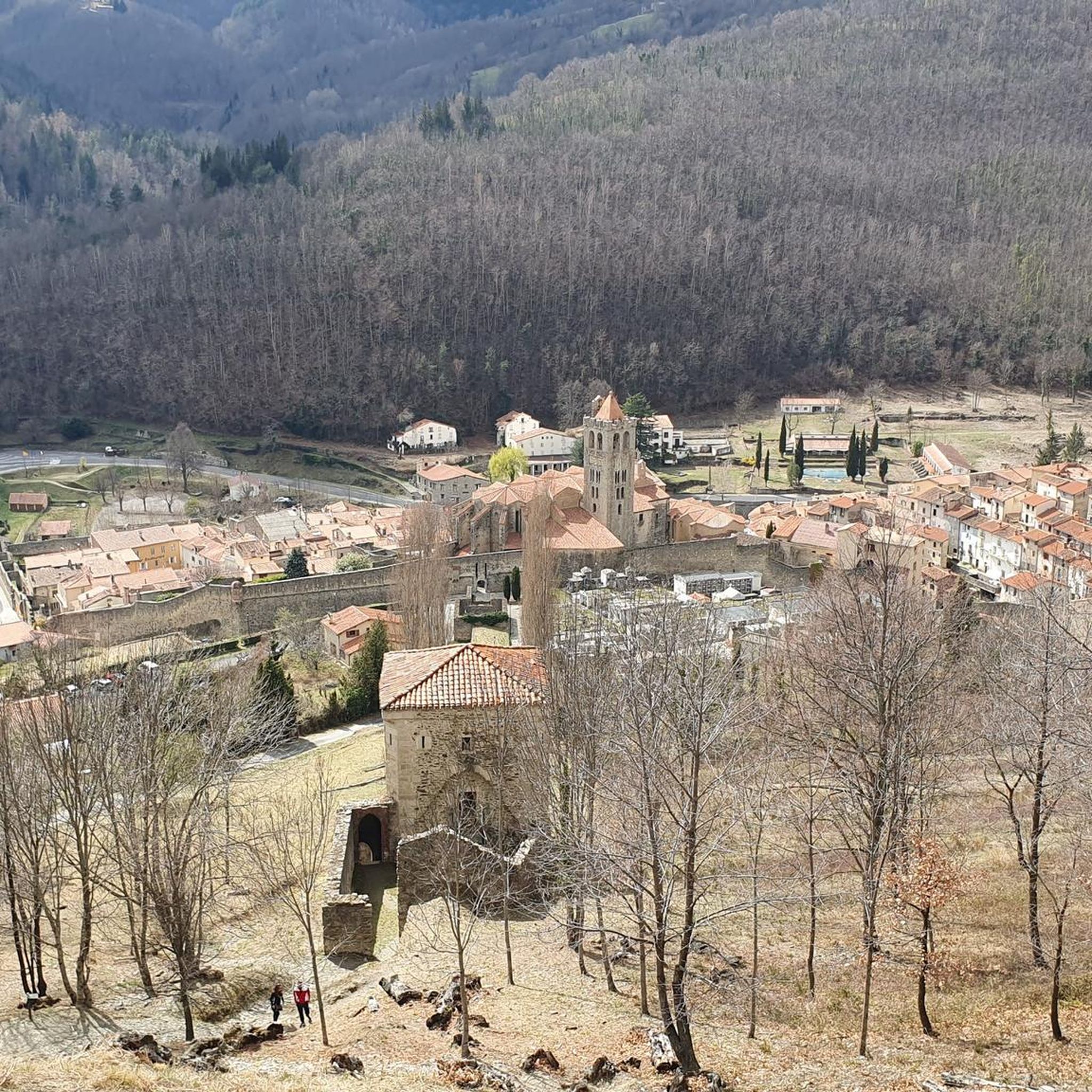
Although it is no longer the main centre of worship for the village, it is still used on special occasions and religious festivals. Its preservation has been essential to preserving the region's medieval heritage. It has remained relatively intact over the centuries, although it has surely undergone restorations to maintain its original structure.
5
0
Like other Romanesque churches in the region, it is built of stone with thick walls. Its structure has a single nave, and its semicircular apse is typical of the Romanesque style. The simplicity of the construction reflects the austerity of the religious architecture of the time in rural areas such as Serralongue. It also has a small bell tower.
5
0
The Church of Sainte-Marie dates back to the 11th century, making it one of the oldest churches in the area. It was built at a time when the Romanesque style predominated in religious architecture, giving it a robust and simple character, with basic geometric shapes and few decorations.
5
0
The presence of two important churches in Serralongue reflects the importance of religious life in Vallespir over the centuries. It also reinforces the idea that the village was an important place both in the spiritual sphere and in border defence during the Middle Ages.
5
0
It was built on the ruins of an old medieval watchtower to reinforce the defence of the Vallespir after the Treaty of the Pyrenees, which established the border between France and Spain. The fort was designed to withstand prolonged sieges, with food stores and a structure capable of protecting both the garrison and the village. A curiosity is that, for centuries, the inhabitants of Prats-de-Mollo could take refuge in the fort in case of invasions, going up through the underground tunnels. In addition to its military use, the fort has also been the scene of festivals and cultural events, such as the celebration of the Fête de l'Ours (Bear Festival), a local tradition that symbolises the struggle between man and nature.
7
0
Frequently Asked Questions
How many touring cycling routes are available around Le Tech?
There are over 35 touring cycling routes around Le Tech, offering a diverse range of experiences for cyclists. Most routes are considered difficult, with a few moderate and easy options available.
What kind of terrain can I expect on touring cycling routes in Le Tech?
The region offers varied terrain, from challenging mountainous ascents with significant passes and peaks to scenic valley roads following the Tec River. You'll find a mix of mostly paved surfaces, though some segments may be unpaved and difficult, catering to different preferences.
Are there any family-friendly touring cycling routes in Le Tech?
While many routes are demanding, the Vallespir valley does offer options suitable for families. The "Tech greenway," an old railway line, provides a magnificent panoramic view of the Pyrenees and follows the Tec River, which is generally a gentler experience. For specific routes, you might look for those with minimal elevation gain.
Can I find circular touring cycling routes in Le Tech?
Yes, many routes around Le Tech are designed as loops. For instance, the Prats de Molló – Prats de Mollo loop from Barrage de l'Abeillanouse is a challenging circular path with significant climbing, showcasing the region's mountainous character.
What are some notable landmarks or attractions I can see along the cycling routes?
The region is rich in natural beauty and historical sites. You can enjoy breathtaking views of the Pyrenees, explore medieval villages like Prats-de-Mollo-la-Preste with its Fort Lagarde, or visit the majestic Devil's Bridge near Céret. Natural highlights include Canigou and Pic de la Pena, offering stunning vistas.
Are there any cross-border cycling opportunities from Le Tech?
Yes, Le Tech's location near the Spanish border allows for exciting cross-border cycling adventures. The Pirinexus itinerary, a large cross-border road cycling loop, connects the Girona region, the Costa Brava, and Southern France, offering a 360 km main circuit with additional routes to explore points of interest in Catalonia.
What is the best time of year to go touring cycling in Le Tech?
The region offers cycling opportunities throughout much of the year. However, for the most comfortable experience, spring and autumn are ideal, providing pleasant temperatures for tackling both valley rides and mountain ascents. High-mountain routes might be best avoided in winter due to snow and colder conditions.
What do other touring cyclists enjoy most about cycling in Le Tech?
The area is highly rated by the komoot community, with an average score of 4.2 stars from over 70 reviews. Cyclists often praise the challenging mountain passes, the scenic valley roads along the Tec River, and the opportunities for cross-border adventures into Catalonia, all set within the stunning Pyrenean landscape.
Are there routes suitable for advanced touring cyclists seeking a challenge?
Absolutely. Le Tech is known for its challenging mountainous terrain. Routes like the 180 degrees – Prats-de-Mollo-la-Preste loop from Prats-de-Mollo-la-Preste lead through demanding Pyrenean foothills with significant elevation gains, perfect for experienced cyclists looking for a rigorous workout.
Can I find routes with good viewpoints in the Le Tech area?
Yes, the region is dotted with spectacular viewpoints. Many routes offer breathtaking views of the Pyrenees. For example, Pla Guillem and Panoramic View of the Canigou are specific highlights that provide stunning vistas, rewarding your cycling efforts.
Are there any resources for planning longer cycling trips in the Vallespir valley?
For more detailed information on cycling in the broader Vallespir valley, you can consult external resources such as the Cycling in Vallespir guide, which provides insights into the region's diverse routes and attractions.
What is the typical duration for touring cycling routes around Le Tech?
Route durations vary significantly based on distance and elevation. While some shorter, challenging routes like Château de Valmy – Going down from Molló loop from Vallespir can take around 2 hours, longer and more difficult routes can extend to over 5 hours, such as the Prats-de-Mollo-la-Preste – Views of the Pyrenees loop from Prats-de-Mollo-la-Preste.
Most popular routes around Le Tech
Most popular attractions around Le Tech

Get inspired with the komoot mobile app


Explore more
Browse the best Cycling routes in other regions.
