Top 5 Mountain Passes around Saint-Marsal
Mountain passes around Saint-Marsal, a medieval village in the Pyrénées-Orientales department of southern France, offer access to diverse high-altitude points. The commune's elevation ranges from 260 meters to over 1,400 meters, providing a varied mountainous landscape. This region features a network of trails and cols, serving as gateways to historical sites and scenic routes.
Best mountain passes around Saint-Marsal
- The most popular mountain pass is Fourtou Pass (655 m), a mountain pass that peaks at 655 meters in the…
Last updated: June 26, 2026
Col de la Brousse (860 m)
Highlight (Segment) • Mountain Pass
Translated by Google •
Tip by

Fourtou Pass (655 m)
Highlight • Mountain Pass
Translated by Google •
Tip by

Sign up now to discover places like this
Get recommendations on the best single tracks, peaks, & plenty of other exciting outdoor places.
Sign up for free
Col Palomere
Highlight • Mountain Pass
Translated by Google •
Tip by

Cirère Pass
Highlight • Mountain Pass
Translated by Google •
Tip by

Paracolls Pass
Highlight • Mountain Pass
Translated by Google •
Tip by
Start today with a free account
Your next adventure awaits.
Login or Signup


Tips from the Community

Irregular pass on its ascent from its eastern side, little frequented.
0
0


Really enjoyable ride. Id agree with level 3 for fitness it was a a constant climb altho the gradient ranged from 3,6,8% ( with only less than 100m that went up to 14%. So can be riden at your own pace The Hostel at Las illas after the Col is a slight detour but good for Coffee a beer or a sandwich. Lovely flowing decent, At Maureillas i nearly headed back along the main road but glad i didn't as the last 3rd of the ride has quite a different caricature ( mostly cycle paths)
0
0

Start or end of the Pyrenees tour
0
0

Taken by the pass route, it peaks at an altitude of 655 meters in the Eastern Pyrenees. Its slopes not exceeding 7% make it a gentle and accessible climb.
0
0

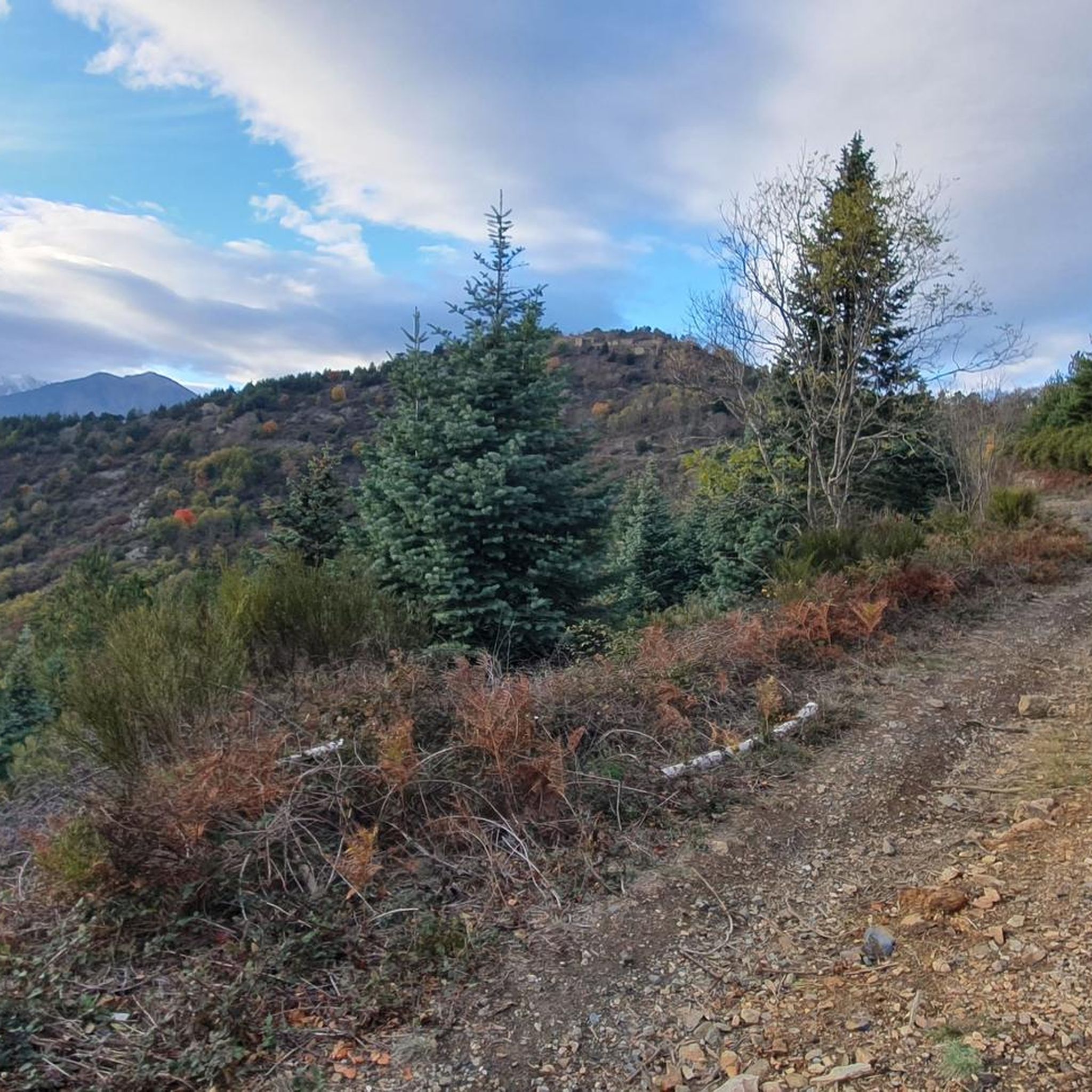
The Paracolls pass is the summit of several hikes that crisscross the surrounding area. It is a clear pass which offers very beautiful panoramas.
0
0
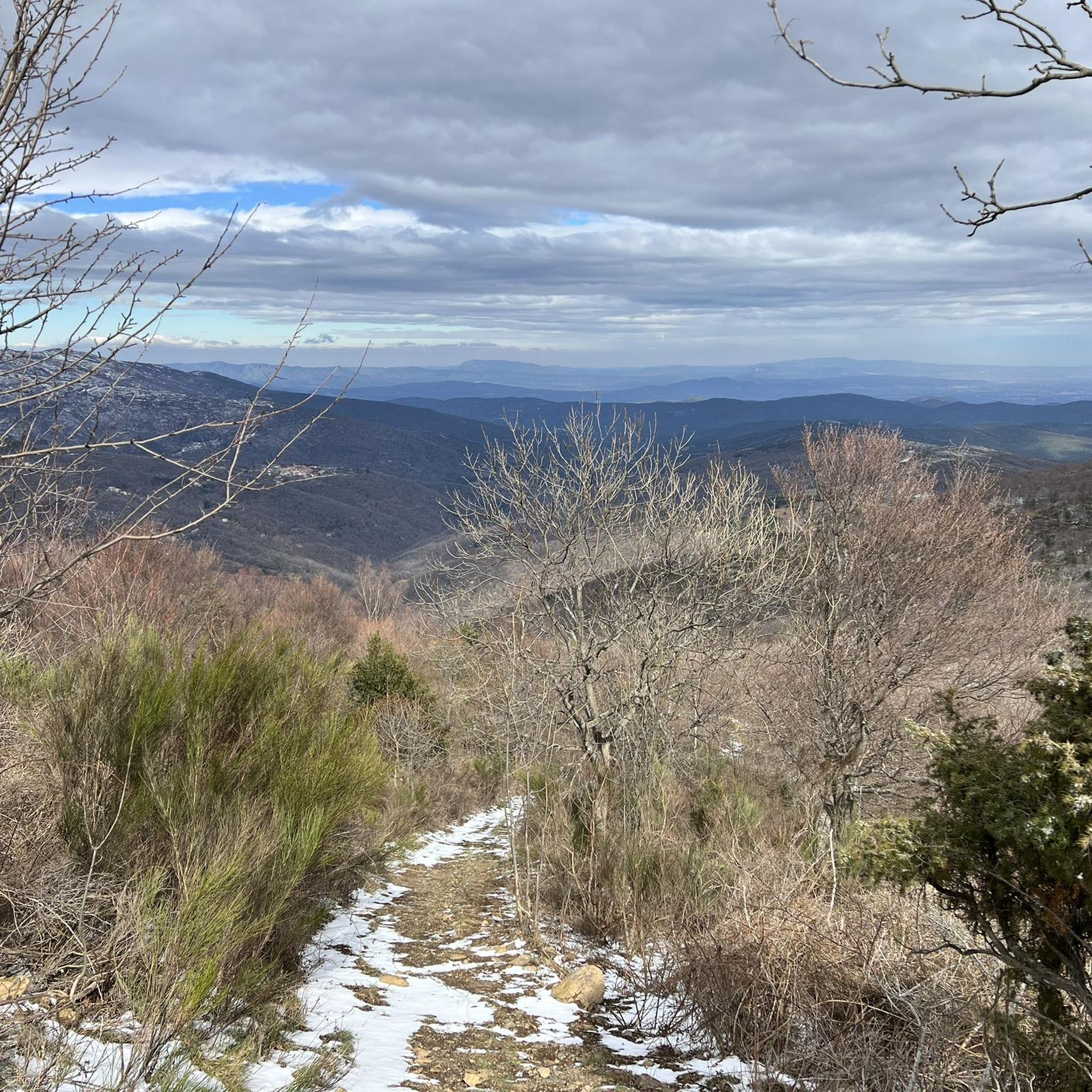
This hiking pass reaches an altitude of 2,000 meters. It is located at the crossroads of several hiking trails including the legendary GR 10. In addition to hikers, you will also see superb panoramas of the mountain ranges that surround you.
0
0

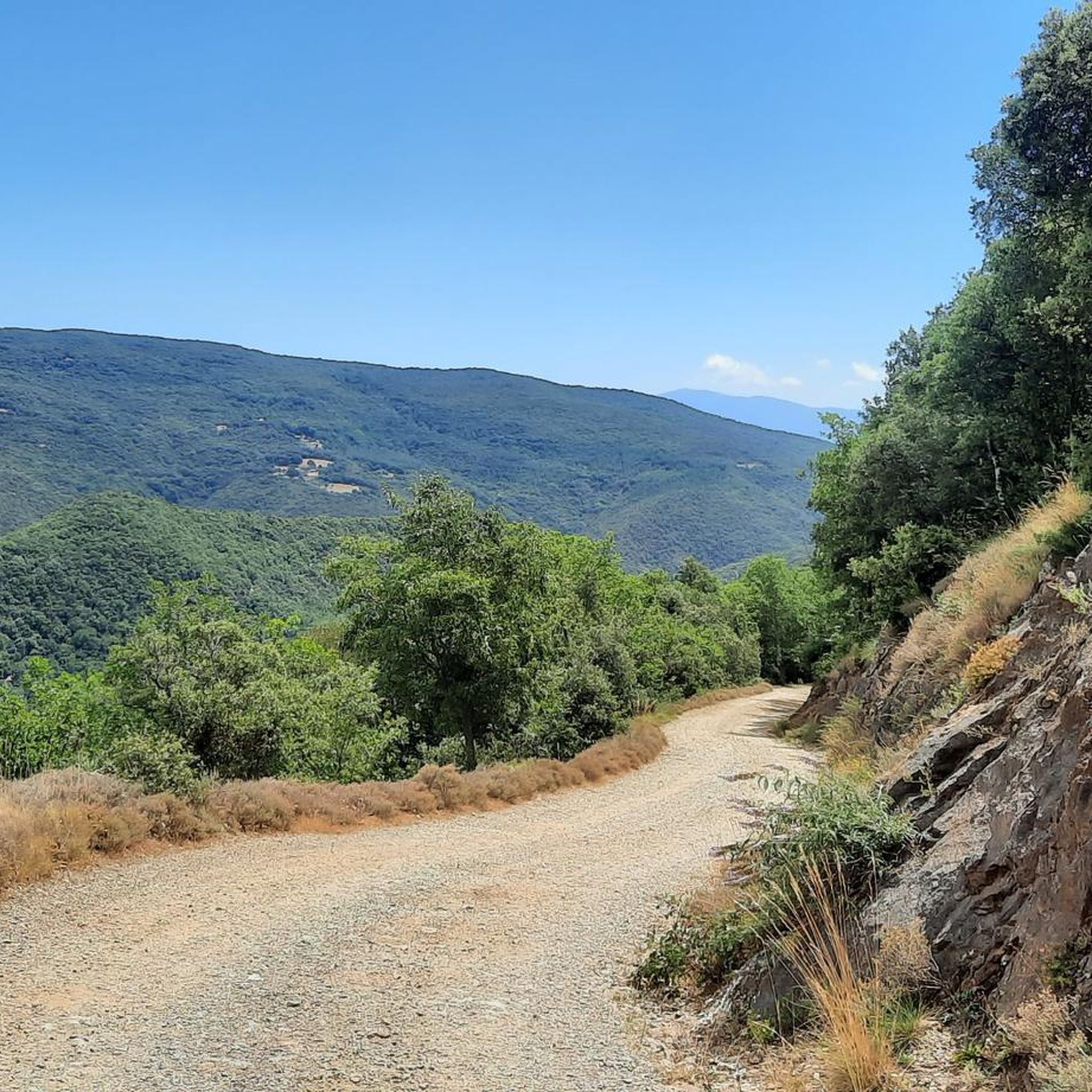
A rather rolling pass with slopes around 5%, which lives up to its name since it offers long passages in the heart of the maquis.
1
0
Frequently Asked Questions
What kind of views can I expect from the mountain passes around Saint-Marsal?
Many passes offer stunning panoramic views. From the Cirère Pass, for example, you can see superb panoramas of the surrounding mountain ranges. The Tour de Batère and nearby Col de la Porta also provide expansive views of the Canigó Massif, the Roussillon plain, and even the Mediterranean Sea.
Are there historical sites to explore near the mountain passes?
Yes, the region is rich in history. The Tour de Batère, a 12th-15th century military watchtower, is a significant historical site accessible via hiking routes from Saint-Marsal. You can also find remnants of ancient iron mines near the Tour de Batère and along heritage trails starting from Coll Palomeres, which explore the industrial past of the Pyrénées-Orientales.
What outdoor activities can I do near these mountain passes?
The mountainous surroundings of Saint-Marsal are ideal for various outdoor activities. You can enjoy cycling, hiking, and mountain biking. For cycling, explore routes like the 'Oms Village Mural – Fourtou Pass (655 m) loop' or the 'Col de Fontcouverte (605 m) – Fourtou Pass (655 m) loop'. For running, consider trails such as the 'Serradell Peak – Prieuré Serrabone loop'. You can find more details on these activities in the Cycling around Saint-Marsal, Running Trails around Saint-Marsal, and Road Cycling Routes around Saint-Marsal guides.
Are there easy or beginner-friendly mountain passes for cycling or hiking?
Yes, some passes are more accessible. The Fourtou Pass (655 m) is known for its gentle and accessible climb, with slopes not exceeding 7%. Col Palomere also offers a rather easy and constant climb through sparse mountain forest, making it suitable for those seeking a less strenuous experience.
What makes <a href="https://www.komoot.com/highlight/2581129" target="_blank" rel="noopener">Col de la Brousse (860 m)</a> a good cycling option?
Col de la Brousse (860 m) is appreciated for its rolling terrain with slopes around 5%, offering long passages through the maquis. It provides an enjoyable ride with varied gradients, and many cyclists find the ascent from Maureillas particularly scenic and shaded.
What is the best time to visit the mountain passes around Saint-Marsal?
The best time to visit is generally during spring, summer, and early autumn. These seasons offer pleasant weather for hiking, cycling, and enjoying the panoramic views. While winter hiking is possible, some higher passes might be challenging due to snow or colder conditions.
Are there any mountain refuges or places to stay near the higher passes?
Yes, the Gîte de Batère, located at 1,470 meters, is a notable mountain refuge. It's accessible by car and sits on major hiking trails like the GR 10 and the Tour du Canigó, offering exceptional views and a welcoming place to stay for hikers and cyclists exploring the area around the Tour de Batère.
What is the significance of passes like Col Xatard and Col Fourtou?
Col Xatard and Col Fourtou are important access points to the Départementale 618 (D618) road. This road connects the Tech and Têt valleys, making these passes strategic locations for travelers exploring the mountainous region around Saint-Marsal and facilitating journeys between different valleys.
Can I find challenging hikes near Saint-Marsal's mountain passes?
Absolutely. Routes like the 'Randonnée Tour de Batère et la Voie Romaine' from Saint-Marsal offer a challenging 13.5 km trek with a 720-meter elevation gain, including a Roman road carved into the rock. There's also a difficult 15.31 km hike exploring the former mining station of Formentera, which integrates Coll de Reducta and Coll de Formentera.
What makes <a href="https://www.komoot.com/highlight/1112155" target="_blank" rel="noopener">Col Palomere</a> a unique destination?
Col Palomere serves as a starting point for a heritage trail that delves into the industrial past of the Pyrénées-Orientales, guiding visitors through ancient mining ruins before reaching the Tour de Batère. It offers a unique blend of natural beauty and historical exploration, particularly for those interested in the region's mining heritage.
Are there any passes that offer a clear, unobstructed view of the surrounding landscape?
Yes, the Paracolls Pass is known for being a clear pass that offers very beautiful panoramas of the surrounding area. It's the summit of several hikes and provides an excellent vantage point.
Most popular routes around Saint-Marsal
Most popular attractions around Saint-Marsal

Get inspired with the komoot mobile app


Explore more
See even more epic mountain passes by checking out these guides around Saint-Marsal:
