Attractions and Places To See around Bissey-Sous-Cruchaud - Top 20
Best attractions and places to see around Bissey-Sous-Cruchaud include a blend of historical sites, natural landscapes, and viticultural heritage. This charming wine village in the Sud Côte Chalonnaise region of Burgundy, France, is known for its picturesque vineyards and rich history. Visitors can explore traditional dry-stone shelters, scenic routes, and historical landmarks. The area offers diverse landscapes for exploration, from vineyards to greenways.
Best attractions and places to see around Bissey-Sous-Cruchaud
- The most popular attractions is Jambles, a settlement…
Last updated: July 6, 2026
Round Hall
Highlight • Monument
Translated by Google •
Tip by

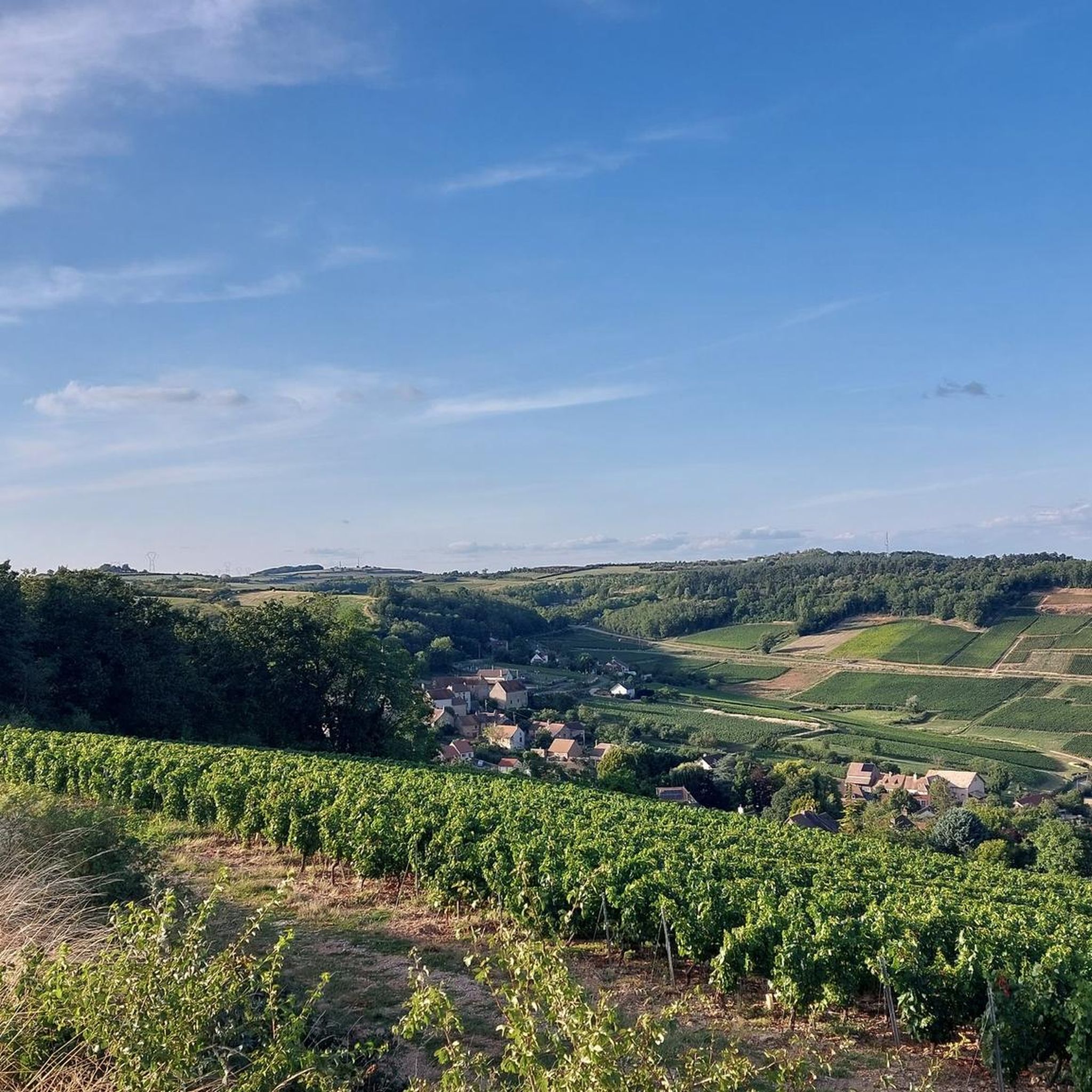
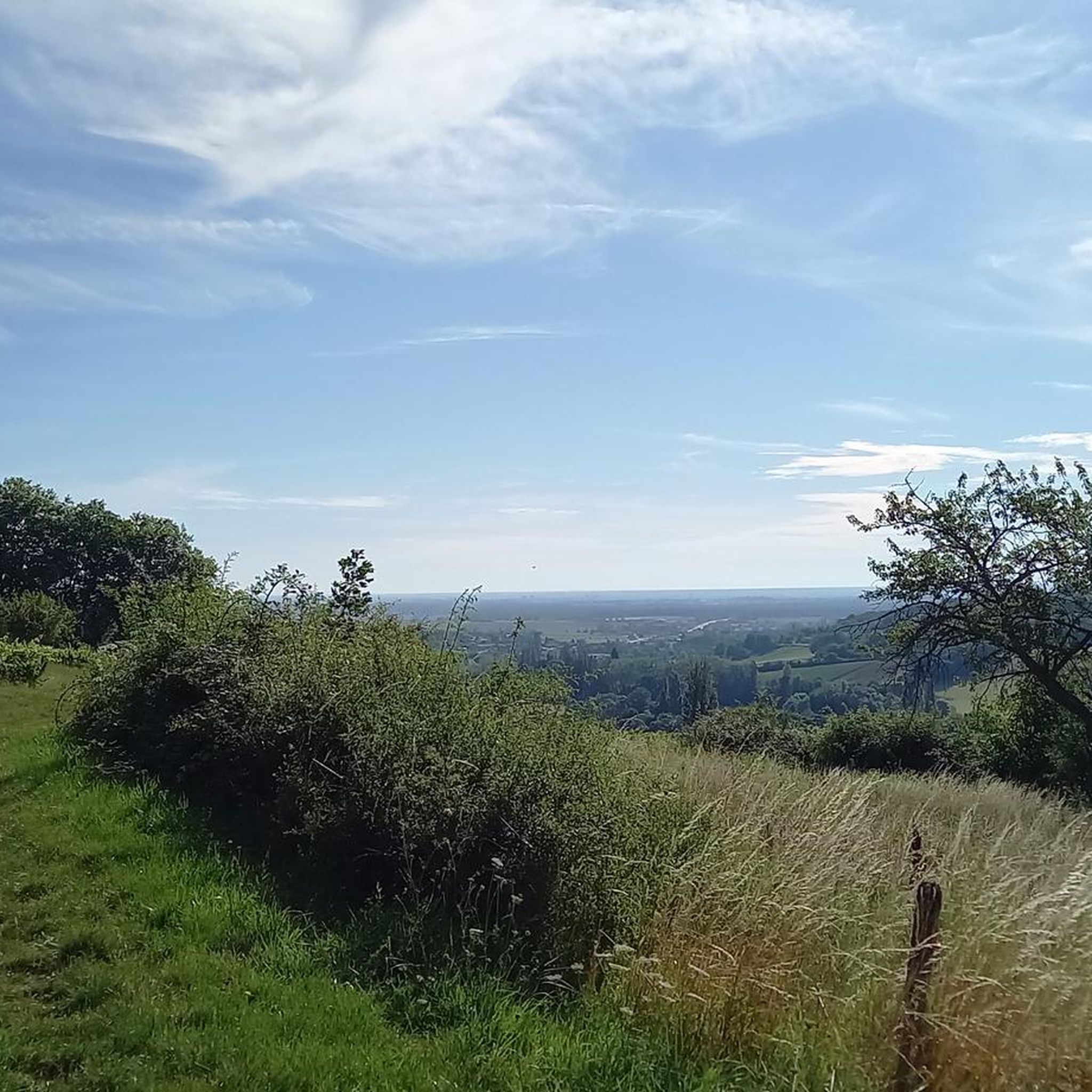
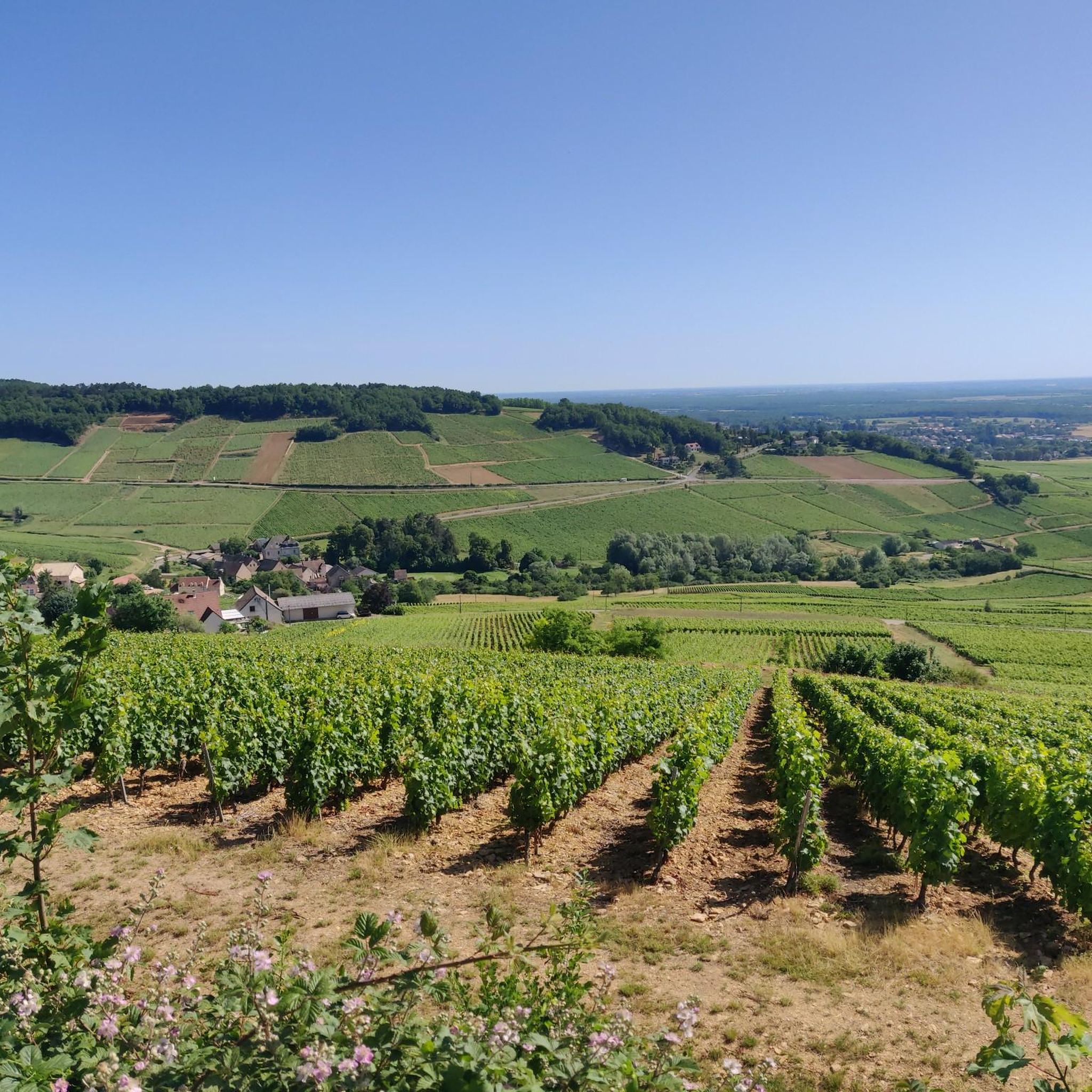
View of Saint-Denis-de-Vaux
Highlight • Other
Translated by Google •
Tip by

Sign up now to discover places like this
Get recommendations on the best single tracks, peaks, & plenty of other exciting outdoor places.
Sign up for free
Crainseny Viaduct
Highlight • Bridge
Translated by Google •
Tip by

Accessible Drinking Water Fountain
Highlight • Rest Area
Translated by Google •
Tip by

Saints Peter and Paul Church, Givry
Highlight • Other
Translated by Google •
Tip by

Sign up for free to discover even more attractions around Bissey-Sous-Cruchaud.
Sign up for free
Already have an account?
Start today with a free account
Your next adventure awaits.
Login or Signup

Tips from the Community

The Church of St. Peter and Paul (Église Saint-Pierre et Saint-Paul) in the municipality of Givry was built between 1772 and 1791. It is considered a masterpiece of French Classicism. It was designed by the famous regional engineer and architect Émiland Gauthey. Its striking, bright yellow facade, which makes it visible from afar in the village, is very noticeable. Its round shape and the large bull's-eye windows (Œil-de-bœuf) also make it unique.
0
0
The Halle ronde (the "round hall") in the French municipality of Givry was built between 1825 and 1830. It was designed by the regionally known architect Lazare Narjoux. It originally served as a grain hall (Halle au blé) to supply the surrounding mills and the population with grain. Due to its rare, circular design, the market hall has been classified as a historic monument since 1931.
0
0
The Crainseny Viaduct (French: Viaduc de Crainseny) is a historic railway bridge in the south of the Côte Chalonnaise region. The viaduct was built in 1882. It has a total length of 246 meters, spans the valley at a height of around 23 meters, and features a distinctive curve with a radius of 400 meters. The masonry bridge consists of 16 elegant round arches, each with a span of 12 meters. Originally, the railway ran here on the Étiveau-Montchanin line, connecting the towns of Saint-Gengoux-le-National and Montchanin. Train services were discontinued in 1969.
0
0

It was built in 1825 by Lazare Narjoux and served the grain trade.
2
0

A very beautiful piece of work, a testament to the local railway era.
1
0

This spot is interesting not only for the view that can be enjoyed. For here, the hiker or walker encounters not just a simple wayside cross, but a complete crucifixion group has been erected in this exposed location: the white body of the crucified Christ stands out clearly against the brown tone of the crossbeams. In front of it, three other figures surround the incarnate Son of God. Both the cross and these figures stand individually on a rocky pedestal, probably made of granite. According to the biblical accounts of the execution of Jesus of Nazareth, the viewer can recognize Mary, the mother of Jesus, and the beloved disciple John, who, according to the gospel text, persevered beneath the cross. Directly opposite the cross is the third figure, depicted kneeling.
2
0

Reminiscence of Henri IV. Interesting exhibitions today.
1
0
You can't miss it on the way to the market square.
1
0
Frequently Asked Questions
What are some popular attractions around Bissey-Sous-Cruchaud?
Visitors frequently enjoy exploring Jambles, a historical settlement that belonged to Cluny Abbey since the 9th century, featuring a fountain and a cross. Another favorite is the View of Saint-Denis-de-Vaux, offering scenic vistas and a unique crucifixion group. The Statue of Mary also provides a fantastic view of the Saône valley, with a picnic bench nearby for relaxation.
What historical sites can I explore in Bissey-Sous-Cruchaud?
The village boasts the partly Romanesque Saint-Jean-Baptiste Church, which features a sculpted altarpiece and gilded wooden statues from the 17th and 18th centuries. You can also see the House of Emiland Gauthey, a notable architect responsible for the Canal du Centre. Additionally, the settlement of Jambles has a rich history tied to Cluny Abbey.
Are there any natural points of interest to visit?
Bissey-Sous-Cruchaud is surrounded by picturesque vineyards, which are perfect for scenic walks. You can also discover the Fontaine du Cloux and two local 'healing' springs. The area is traversed by the scenic Route des Grands Vins, offering beautiful landscapes.
Can I visit local wineries or learn about wine production?
Yes, the Cave de Bissey, established in 1928, is one of the oldest cooperative wineries in Burgundy and the first in the Côte Chalonnaise. Visitors can explore the cellar, learn about the winemaking process, and sample local wines. The village itself has 98 hectares of vines, a cooperative cellar, and two private cellars.
What outdoor activities are available near Bissey-Sous-Cruchaud?
The region offers diverse outdoor activities. To the east of the village, the Voie Verte (greenway) is ideal for walking and cycling. You can also find various routes for gravel biking, cycling, and mountain biking. For more details on routes, check out the guides for Gravel biking around Bissey-Sous-Cruchaud, Cycling around Bissey-Sous-Cruchaud, and MTB Trails around Bissey-Sous-Cruchaud.
Where can I go hiking or walking in the area?
The Voie Verte provides excellent opportunities for walking and cycling. You can also explore the local paths that lead to points of interest like the Fontaine du Cloux and the 'healing' springs. Don't miss the traditional dry-stone shelters known as Cadoles, found amidst the vineyards, which make for interesting walking destinations.
Are there family-friendly attractions in Bissey-Sous-Cruchaud?
The historical settlement of Jambles is considered family-friendly. The Voie Verte greenway offers safe and enjoyable paths for family walks and bike rides. Exploring the vineyards and spotting the unique Cadoles can also be an engaging activity for families.
Is there a good viewpoint to see the surrounding landscape?
Yes, the View of Saint-Denis-de-Vaux offers superb scenic vistas. Another excellent spot is the Statue of Mary, which provides a fantastic view of the Saône valley, complete with a picnic bench for a relaxing break.
What unique historical structures can I find in the vineyards?
Amidst the local vineyards, you can discover Cadoles. These are traditional dry-stone shelters that were historically used by vineyard workers. They are a charming and unique feature of the viticultural landscape.
Are there any accessible facilities for visitors?
Yes, you can find an Accessible Drinking Water Fountain. This facility provides cold, good-tasting water and is conveniently located next to a shady bus shelter, perfect for a rest, especially since water points are not always readily available on longer routes.
What do visitors enjoy most about Bissey-Sous-Cruchaud?
Visitors particularly appreciate the blend of historical significance and natural beauty. The scenic views from spots like the View of Saint-Denis-de-Vaux and the Statue of Mary are highly rated. The historical context of places like Jambles and the opportunity to explore the vineyards and the Voie Verte are also popular highlights.
What is the best time to visit Bissey-Sous-Cruchaud attractions?
The region is beautiful throughout the warmer months, from spring to autumn, when the vineyards are lush and the weather is pleasant for outdoor activities like walking and cycling on the Voie Verte. Autumn offers the added beauty of harvest season and vibrant fall colors in the vineyards.
Most popular routes around Bissey-Sous-Cruchaud

Get inspired with the komoot mobile app


Explore more
Still not found the Highlight you’re looking for? See guides of the top attractions in other regions:
