The best road cycling routes around Moutiers-Au-Perche
4.2
(37)
721
riders
185
rides
Road cycling around Moutiers-Au-Perche offers routes through the Perche Regional Natural Park, characterized by rolling hills, river valleys, and "bocage" countryside. The region features quiet roads with minimal traffic, providing a peaceful cycling experience. Cyclists can expect varied scenery, including forests, traditional farms, and charming villages. The terrain presents engaging challenges without high mountain passes, suitable for diverse fitness levels.
Best road cycling routes around Moutiers-Au-Perche
- The most popular road cycling route is Bridge over the Commeauche 🌉✨ – Saint…
Last updated: July 2, 2026
4.0
(1)
8
riders
39.0km
01:38
250m
250m
Easy road ride. Great for any fitness level. Mostly well-paved surfaces and easy to ride.
7
riders
48.9km
02:10
480m
480m
Moderate road ride. Good fitness required. Mostly well-paved surfaces and easy to ride.

Sign up for free
5
riders
42.0km
02:10
550m
550m
Moderate road ride. Good fitness required. Mostly well-paved surfaces and easy to ride.
3.0
(1)
6
riders
68.8km
03:01
620m
620m
Moderate road ride. Good fitness required. Mostly well-paved surfaces and easy to ride.
10
riders
47.4km
02:04
380m
380m
Moderate road ride. Good fitness required. Mostly well-paved surfaces and easy to ride.
Get access to more routes and recommendations from other explorers.
Sign up for free
Already have an account?
Our route recommendations are based on thousands of hikes, rides, and runs completed by other people on komoot.
Start today with a free account
Your next adventure awaits.
Login or Signup


Tips from the Community

From the 11th century, only the lower part of the bell tower remains. The church was rebuilt in the 14th century in the Gothic style. Since then, the church has undergone only partial alterations and restorations. Church with an elongated plan. Nave flanked by two side aisles. Polygonal chevet flanked by a small building. Bell tower flanking the left side aisle with a double gable roof topped by an octagonal spire. Pointed arch portal with voussoirs, surmounted by a polylobed rose window. Pointed arch bays. Buttresses flanking the building.
0
0
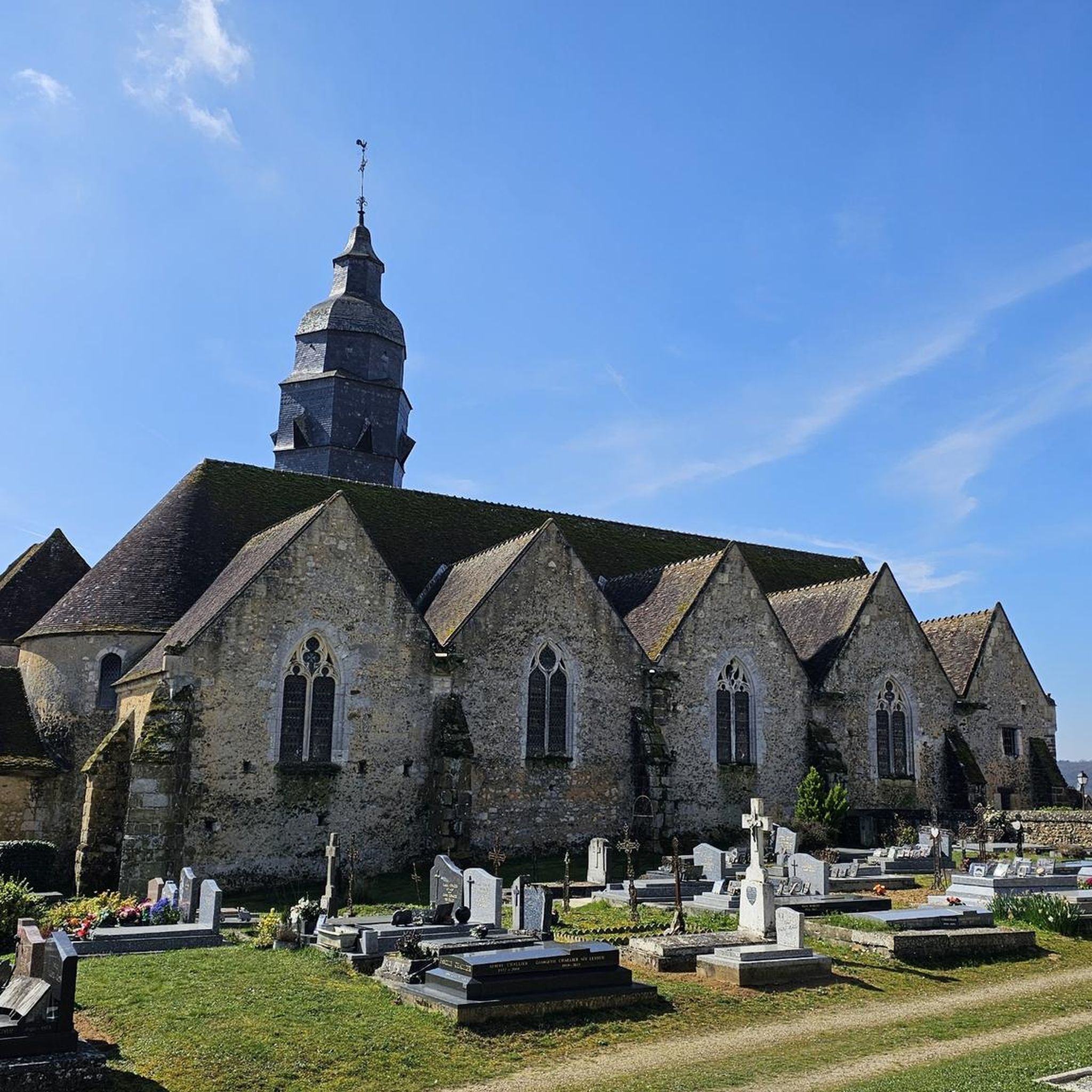
The church of Saint-Germain-des-Grois, dedicated to Saint Germain, is a charming church in the canton of Rémalard in the heart of Perche. Built in the Romanesque style with its 12th-century choir, it was considerably enlarged during the 15th and 16th centuries, the periods in which the construction of the side aisles took place. The church was under the jurisdiction of the abbey of Saint-Lomer-de-Blois for its presentation to the parish priest. Its curious exterior volume attracts even more attention as the right wing of a building adjoining the church largely obscures the left side of its façade, in line with the aisle; this construction, moreover, resembles that of an old priory. The building consists of a nave of three bays, flanked by side aisles opening onto the central nave through large arches with a broken profile resting on large circular piers and a choir of one bay in the extension of the central nave ending in a flat chevet. A modest sacristy adjoins the building to the southeast. Outside, the side aisles are covered with successive gables, with the exception of the first bay of the north aisle covered by a square-plan, squat bell tower whose exterior volume, close to that of a bell tower, barely dominates the roof of the building which leans against its base. The three gables covering the right aisle do not follow an identical profile, the slope of the framework and the roof of the first of them, to the west, having been the subject of a significant restoration in the 19th century. At the same time, the two gables of the north aisle were also restored. As for the choir, of smaller volume, it has retained on its north and south sides a cornice with modillions; it constitutes the oldest part of the building. Inside, the nave is covered with a recently restored paneled vault, while the side aisles are vaulted on ribbed vaults, the ribs of which are received by ornate corbels. The church is lit thanks to the large bays with radiating tracery pierced in the walls of the side aisles. Among the notable elements of the furniture, it is worth mentioning the two monumental stone altarpieces which adorn the side altars, works of the 17th and 18th centuries; that of the south aisle houses statues of Saint Sebastian, Saint Joseph and Saint Germain and a finely worked gilded wooden tabernacle from the 17th century, with a dome and small columns. For drainage, the restoration of the masonry, particularly the buttresses, and for the restoration of the lower roof of the bell tower, the Sauvegarde de l’Art français granted a grant of 70,000 F in 1999.
0
0

I am delighted to see and see again the basilica of "La chapelle Montligeon" and I am proud to have been the doctor of this charming village. In the year 2000 and following after 40 years of general medicine in Paris. R.G. Dean of the "couch of doctors".
0
0

From very humble beginnings, a significant sanctuary with a very unusual patronage has emerged in La Chapelle-Montligeon, one I've never encountered anywhere else: The church here, with the papal distinction of "Basilica Minor," is not one of the usual churches dedicated to Our Lady, but rather specifically to "Our Lady, the Liberator of Souls in Purgatory." The present pilgrimage church was built at the turn of the 19th and 20th centuries, as the previous building had become far too small for the pilgrims who came here.
0
0

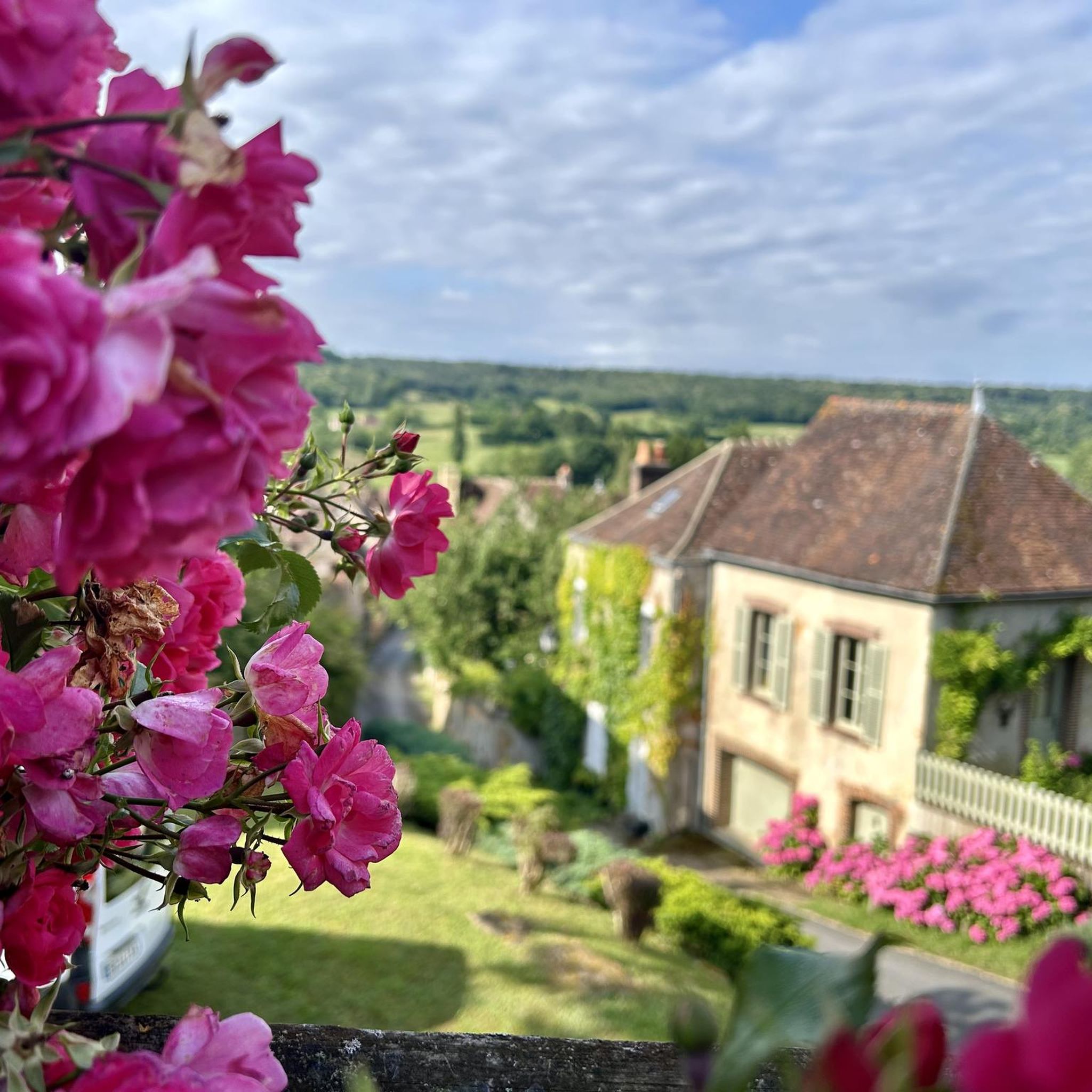
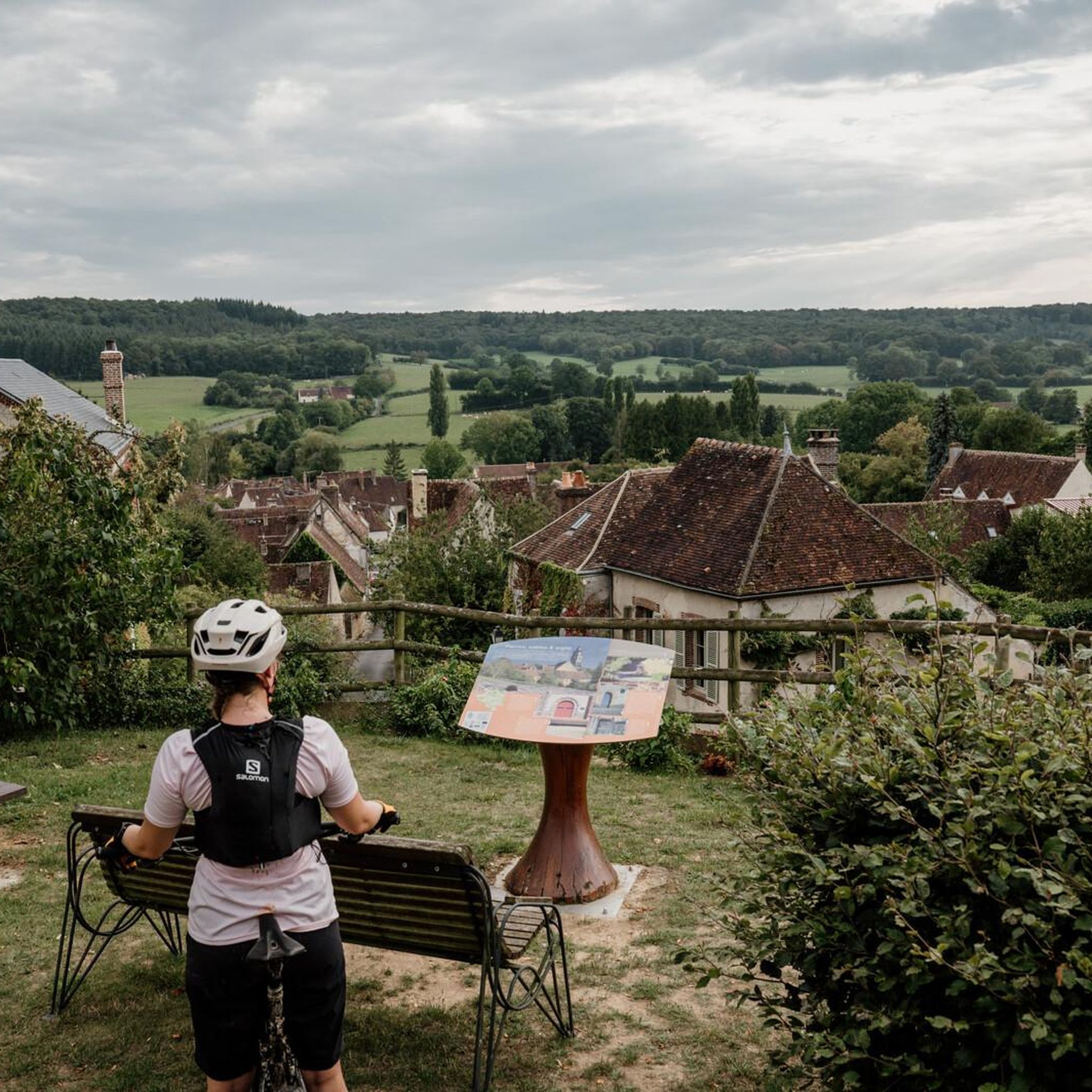
Moutiers is one of the oldest villages in the Perche region, built around a monastery founded in the 6th century and destroyed by the Norman invasions. This is where the village's name comes from, since "Moutiers" means monastery in Old French. On the slopes of the hill, called Mont Harou, stands the church, flanked by a few typical Perche houses that form the old town. To reach it, you'll have to navigate the steep, straight climb of Church Street or take a detour through small streets that soften the steepness of the climb. The church square offers a beautiful view of the surrounding area. Don't forget to walk around the church to admire the gargoyles, which are quite exceptional for such a small church. Restrooms and water are available right next door.
0
0

Praying for your deceased is more than necessary. If you don't pray for yours, pray for mine. 🙏🏻😇
0
0
The church has a Latin cross plan. It has a single nave and a flat chevet. A small building is attached to the chevet. A bell tower flanks the building. Buttresses support the drip walls and the gable wall. Pointed arch bays with tracery illuminate the building. The portal, in a low arch, has its external arched voussure.
0
0
Church built in the 12th and 16th centuries. Listed apse from the 12th century. 4-storey bell tower. Corner buttress bell with staircase turret. Renaissance portal. Large Gothic window above the portal. 16th century roof and nave. Stone statue of a bishop, 16th century paintings.
0
0
Frequently Asked Questions
How many road cycling routes are available around Moutiers-Au-Perche?
There are over 170 road cycling routes available around Moutiers-Au-Perche, offering a wide range of options for different skill levels and preferences within the Perche Regional Natural Park.
What kind of terrain can I expect when road cycling in the Perche Regional Natural Park?
You can expect a landscape of rolling hills and valleys, characterized by lush "bocage" countryside with hedgerows and wooded areas. The region also features river valleys and forests like the Forêt de Réno-Valdieu, providing varied scenery and engaging challenges without high mountain passes.
What is the best time of year for road cycling in Moutiers-Au-Perche?
Spring and autumn are ideal for road cycling in Moutiers-Au-Perche. The weather is mild, and the vibrant colors of the landscape create a particularly scenic experience.
Are there routes suitable for beginners or those looking for an easier ride?
Yes, the area offers 40 easy road cycling routes. An example is the Saint Laurent Church – Saint-Germain d'Auxerre Church loop from Dorceau, which is just over 24 km with moderate elevation gain, perfect for a relaxed ride.
Are there more challenging road cycling routes in the area?
While the region doesn't feature high mountain passes, there are 18 difficult routes for those seeking a greater challenge. The undulating Percheron landscape ensures engaging climbs and descents on many of the 116 moderate routes as well.
What historical sites or landmarks can I see along the road cycling routes?
The region is rich in history. You might encounter charming villages with traditional stone houses, ancient churches like the Notre-Dame du Mont-Harou in Moutiers-Au-Perche, or even historical sites such as Notre-Dame-de-Pitié Chapel of Longny-au-Perche. Many routes pass through areas dotted with manors and mills.
Are there any scenic viewpoints on the road cycling routes?
Yes, the rolling hills and "bocage" countryside offer numerous points with expansive views of the Percheron landscape. The steps of the Notre-Dame du Mont-Harou church in Moutiers-Au-Perche, for instance, provide breathtaking vistas.
What natural features will I encounter on a road cycling tour?
You'll cycle through the preserved environment of the Perche Regional Natural Park, encountering diverse natural beauty. This includes forests like the Forêt de Réno-Valdieu, open countryside, and river valleys such as the Corbionne and Huisne, which often feature in routes.
Are there family-friendly road cycling options around Moutiers-Au-Perche?
Many of the easy routes are suitable for families, offering peaceful rides on quiet roads with very little traffic. The gentle undulations of the Perche landscape make it accessible for various fitness levels, allowing families to enjoy the scenic countryside together.
What do other road cyclists enjoy the most about road cycling in Moutiers-Au-Perche?
The area is highly rated by the komoot community, with an average score of 4.2 stars from over 30 reviews. Reviewers often praise the region's quiet roads, the charming villages, and the beautiful, undulating landscapes of the Perche Regional Natural Park.
Are there any long-distance cycling itineraries that pass through the area?
Yes, a section of "La Véloscénie," a long-distance cycling itinerary connecting Paris to Mont Saint-Michel, passes through the magnificent undulating territories of the Perche Regional Natural Park, offering a blend of nature and small heritage. You can find more information on long-distance routes in France at France Vélo Tourisme.
Are there any specific loop routes recommended for exploring the Perche region?
The Perche Natural Park features a network of "Routes tranquilles du Perche" with nine loops ranging from 60 to 100 kilometers, designed to showcase the region's beauty and heritage. An example of a moderate loop is the Saint-Denis Church – Notre-Dame Church loop from Le Mage, covering nearly 69 km.
Most popular routes around Moutiers-Au-Perche
Most popular attractions around Moutiers-Au-Perche

Get inspired with the komoot mobile app


Explore more
Browse the best Road cycling routes in other regions.
