Attractions and Places To See around Blérancourt - Top 20
Best attractions and places to see around Blérancourt include a variety of historical landmarks, cultural sites, and natural features. This commune in northern France is characterized by its rich history and cultural ties, particularly with the United States. The area offers a blend of historical depth and serene green spaces, making it suitable for exploration.
Best attractions and places to see around Blérancourt
- The most popular attractions is Coucy Castle, a castle built in the 13th century by Enguerrand…
Last updated: October 9, 2026
Coucy Castle
Highlight • Castle
Translated by Google •
Tip by

Laon Gate (Coucy-le-Château-Auffrique)
Highlight • Other
Translated by Google •
Tip by

Sign up now to discover places like this
Get recommendations on the best single tracks, peaks, & plenty of other exciting outdoor places.
Le fond Guesot
Highlight • Cave
Translated by Google •
Tip by
Saint-Sauveur Church of Coucy-le-Château-Auffrique
Highlight • Religious Site
Tip by

Vic-sur-Aisne Castle
Highlight • Castle
Translated by Google •
Tip by
Sign up for free to discover even more attractions around Blérancourt.
Already have an account?
Start today with a free account
Your next adventure awaits.



Tips from the Community

Great place to discover in the forest
0
0
Possibility to sit on the steps for a meal or a break. Lamp recommended
0
0
Bakery, bar, tobacconist... Perfect for starting and finishing a hike
0
0
Ideal for starting a hike
1
0

In the heart of the village of Vic-sur-Aisne, surrounded by a leafy park and overlooking the Aisne valley, lies the imposing Château de Vic-sur-Aisne. What today appears to be an elegant country house, bears in its walls the traces of a turbulent past. Originally built on the foundations of a medieval castrum, the estate grew in the 17th century into a stately castle, with symmetrical facades, round towers and an impressive thirteen-metre high keep — a remnant from the 13th century. The architecture reflects the transition from defensive structure to residential comfort: robust, but refined. The gardens, partly in French style with straight lines and box hedges, partly in English landscape style with winding paths and romantic corners, invite you to stroll and contemplate.
8
0


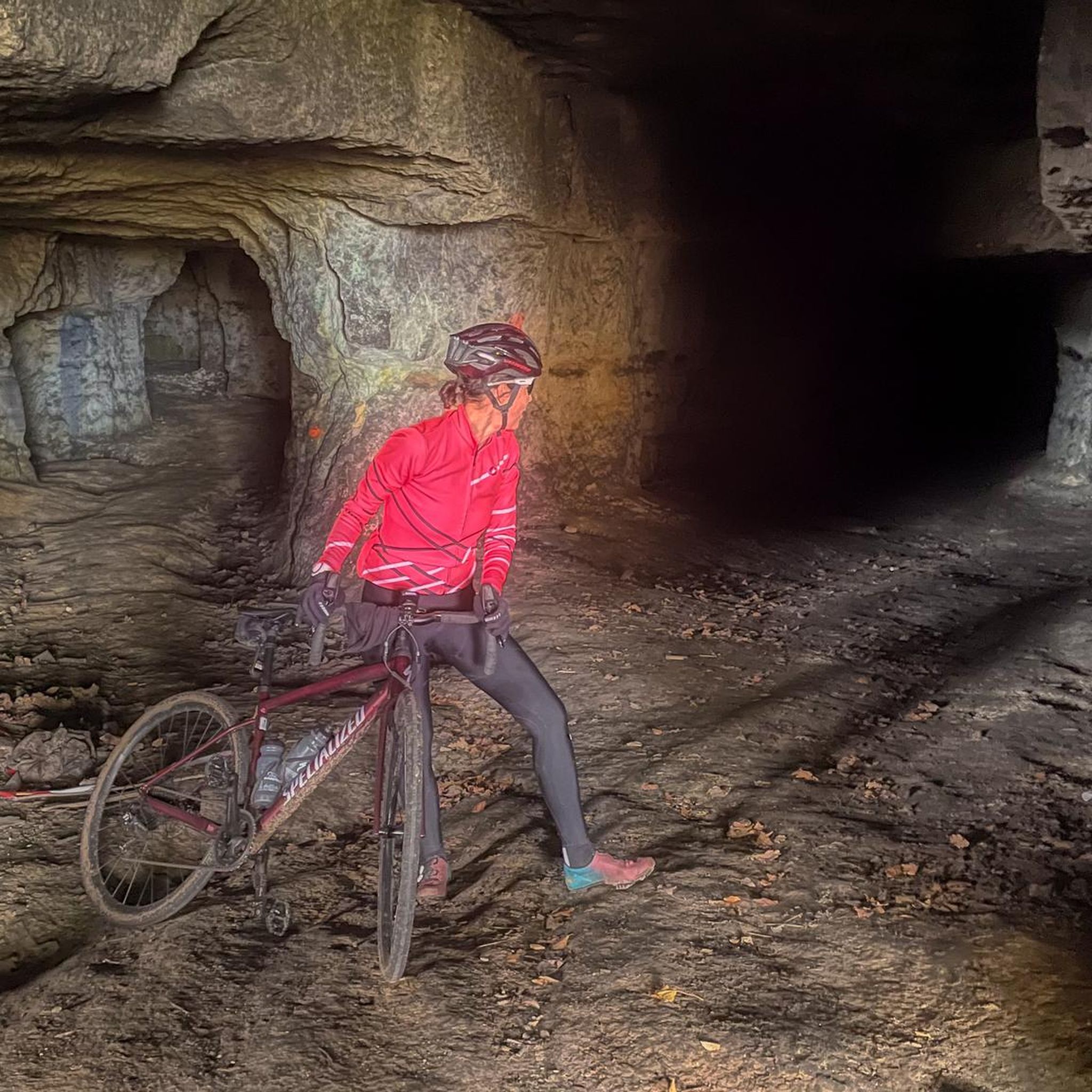
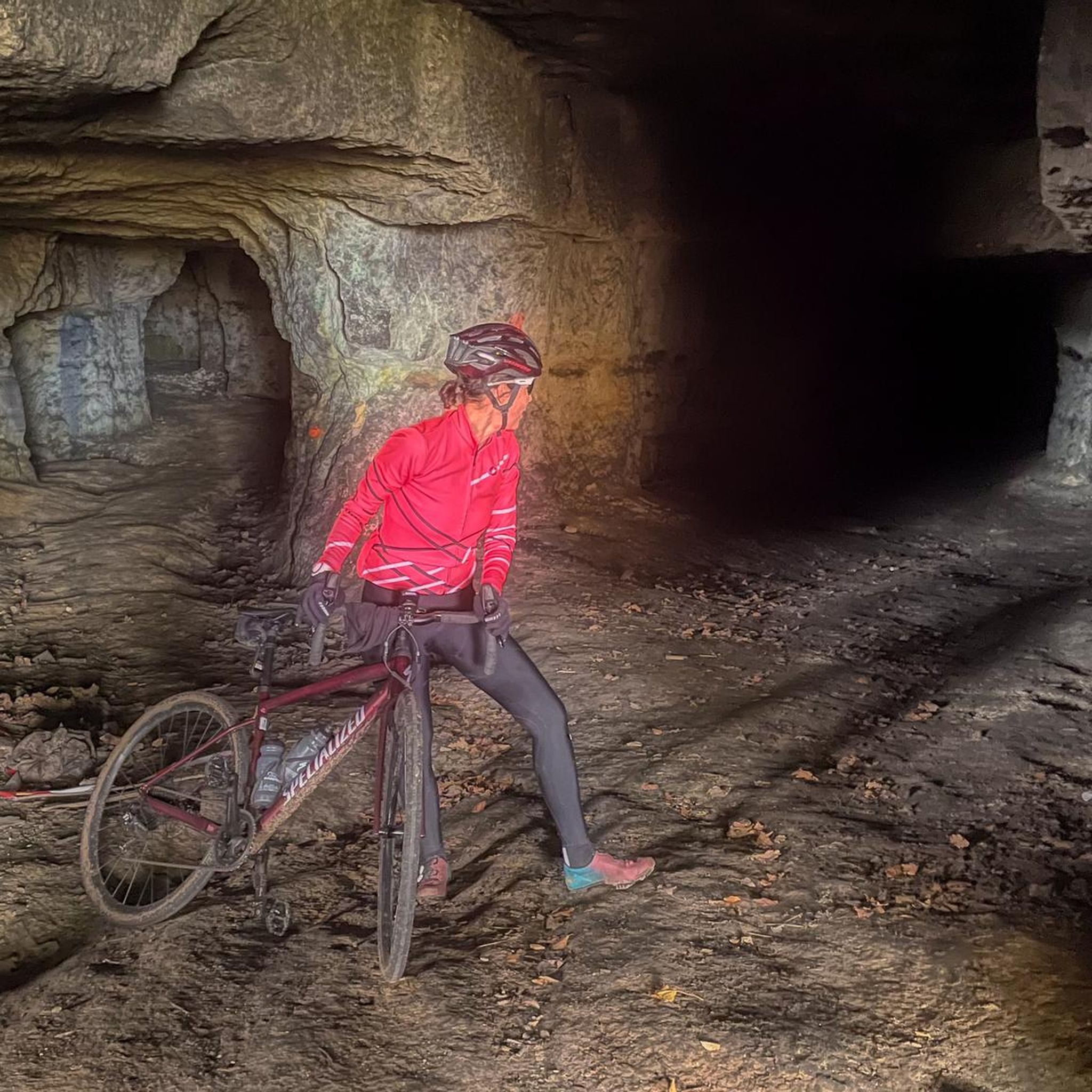
The caves at the bottom of Guesot in Fontenoy are part of a natural site which includes the slopes of Port-Fontenoy and the Ru de Vaux valley. The caves are home to rare bats that hibernate there in winter, and also contain prehistoric carvings on the walls. The caves are not open to the public, so you will need to obtain special permission from the Conservatory of Natural Sites of Picardy before you can visit them. On the other hand, you can admire them from the outside while running.
2
0
Coucy Castle is a magnificent castle built in the 13th century by Enguerrand III, Lord of Coucy. It was one of the largest and most impressive castles in Europe, with a massive keep and four towers dominating the landscape. The castle was partially destroyed during the First World War, but its ruins still bear witness to its past glory. You can discover the castle and its history by participating in the Trail Enguerrand, a running race that takes you around the castle and its surroundings. The race is 30 km long, with 700 m of altitude difference, and it offers breathtaking views of the castle and the countryside. You can also opt for a shorter distance of 15 km, with 370 m of elevation gain. The race takes place in April and you can register online on the official website. By hiking this trail, you will not only get a good workout, but also a cultural and historical experience.
2
0
Frequently Asked Questions
What historical sites can I explore in Blérancourt?
Blérancourt is rich in history. You can visit the Franco-American Museum of the Château de Blérancourt, which explores the enduring relationship between France and the United States. The museum is housed within the historic Château de Blérancourt itself. Another significant site is the House of Saint-Just, an 18th-century house that offers a glimpse into the life of a prominent French Revolution figure. The Church of Saint-Pierre-ès-Liens also holds historical significance, featuring stained glass windows and connections to World War I.
Are there any castles or fortifications to visit near Blérancourt?
Yes, you can explore several impressive historical fortifications. The most popular is Coucy Castle, a magnificent 13th-century fortress that was once one of Europe's largest. Its ruins offer a powerful historical experience. Nearby, you'll also find the Laon Gate (Coucy-le-Château-Auffrique), a medieval gate that was part of Coucy-le-Château's fortifications, offering panoramic views. Further afield, Vic-sur-Aisne Castle also presents an interesting blend of medieval origins and later architectural refinements.
What natural attractions or gardens are there in Blérancourt?
The main natural attraction is the Gardens of the New World (Jardins du Nouveau Monde), which surround the Château de Blérancourt. These unique gardens feature flowers and trees from the American continent, such as maple and magnolia, illustrating horticultural exchanges between France and the US. They are divided into distinct areas like the White Garden, Pink Garden, and the Garden of Memory.
Are there any interesting churches or religious buildings to see?
Absolutely. The Church of Saint-Pierre-ès-Liens in Blérancourt is notable for its stained glass windows and its connection to World War I. Additionally, near Coucy-le-Château-Auffrique, you can visit the Saint-Sauveur Church, which has origins in the 12th century and features modern stained glass windows from 1936, along with remarkable 11th-century Romanesque baptismal fonts.
What kind of outdoor activities can I do around Blérancourt?
The area around Blérancourt offers various outdoor activities, especially cycling. You can find numerous routes for road cycling, touring, and gravel biking. For example, there are road cycling routes like 'Les champs de Blérancourt — loop towards Noyon' and 'Coucy-le-Château-Auffrique – View of the Castle loop'. Gravel biking options include routes around Saint-Gobain Caves or loops from Appilly. You can explore these and many more routes on the dedicated guides for Road Cycling, Cycling, and Gravel Biking around Blérancourt.
Are there any family-friendly attractions in the Blérancourt area?
Yes, several attractions are suitable for families. Coucy Castle is considered family-friendly, offering an engaging historical experience with its impressive ruins. Vic-sur-Aisne Castle is also listed as family-friendly, providing a pleasant setting for exploration. The Gardens of the New World at the Château de Blérancourt offer open spaces and interesting plant life for families to enjoy.
What are some lesser-known or 'hidden gems' near Blérancourt?
A unique spot is Le fond Guesot, a natural site near Fontenoy featuring caves. These caves are home to rare bats that hibernate there in winter and contain prehistoric carvings. While the caves themselves require special permission to enter, you can admire them from the outside and enjoy the surrounding natural landscape.
What is the significance of the Franco-American Museum in Blérancourt?
The Franco-American Museum of the Château de Blérancourt is dedicated to the deep and lasting relationship between France and the United States. Its collections trace this history from the American Declaration of Independence through to contemporary cultural exchanges, with a particular focus on American humanitarian aid during the World Wars, notably the efforts of Anne Morgan. The museum, housed in a 17th-century château, reopened after extensive renovations to offer expanded exhibitions.
Can I find any viewpoints with scenic panoramas?
Yes, the Laon Gate (Coucy-le-Château-Auffrique) offers excellent panoramic views of the city and the surrounding countryside. The gate itself is a historical structure, and its elevated position provides a great vantage point.
What is the Town Hall of Blérancourt known for?
The current Town Hall (Place de l'Hôtel de Ville) in Blérancourt stands on the site of a medieval hall. Rebuilt in 1848, its imposing stone structure retains the general appearance of the old market hall. It features sculpted elements on its gable that recall the sheep and wheat markets that historically thrived in the area, reflecting the town's past economic life.
Are there any specific historical figures associated with Blérancourt?
Yes, Blérancourt is notably associated with Louis Saint-Just, a prominent figure of the French Revolution. His 18th-century home, the House of Saint-Just, is now a museum and tourist office, offering insights into his life before he departed for the Convention in Paris. Additionally, Anne Morgan, daughter of J. Pierpont Morgan, established her humanitarian headquarters in Blérancourt during World War I, and her efforts are highlighted at the Franco-American Museum.
Most popular routes around Blérancourt
Most popular attractions around Blérancourt

Get inspired with the komoot mobile app


Explore more
Still not found the Highlight you’re looking for? See guides of the top attractions in other regions:
