Attractions and Places To See around Paissy - Top 20
Best attractions and places to see around Paissy include a mix of historical sites and unique local features within this rural commune in the Aisne department of Hauts-de-France. The area is characterized by its small village setting, historical significance, and proximity to notable regional landmarks. Paissy itself is known for its troglodyte dwellings and historical sites related to World War I. Visitors can explore a variety of cultural and natural points of interest in the surrounding region.
Best attractions and…
Last updated: August 26, 2026
Vauclair Abbey Ruins
Highlight • Historical Site
Translated by Google •
Tip by

California Plateau
Highlight • Viewpoint
Translated by Google •
Tip by
Sign up now to discover places like this
Get recommendations on the best single tracks, peaks, & plenty of other exciting outdoor places.
Sign up for free
Napoleon Statue in Craonne
Highlight • Monument
Translated by Google •
Tip by

Ferme d'Hurtebise War Memorial
Highlight • Monument
Translated by Google •
Tip by
Ailles village monument
Highlight • Other
Translated by Google •
Tip by

Sign up for free to discover even more attractions around Paissy.
Sign up for free
Already have an account?
Start today with a free account
Your next adventure awaits.
Login or Signup
Tips from the Community

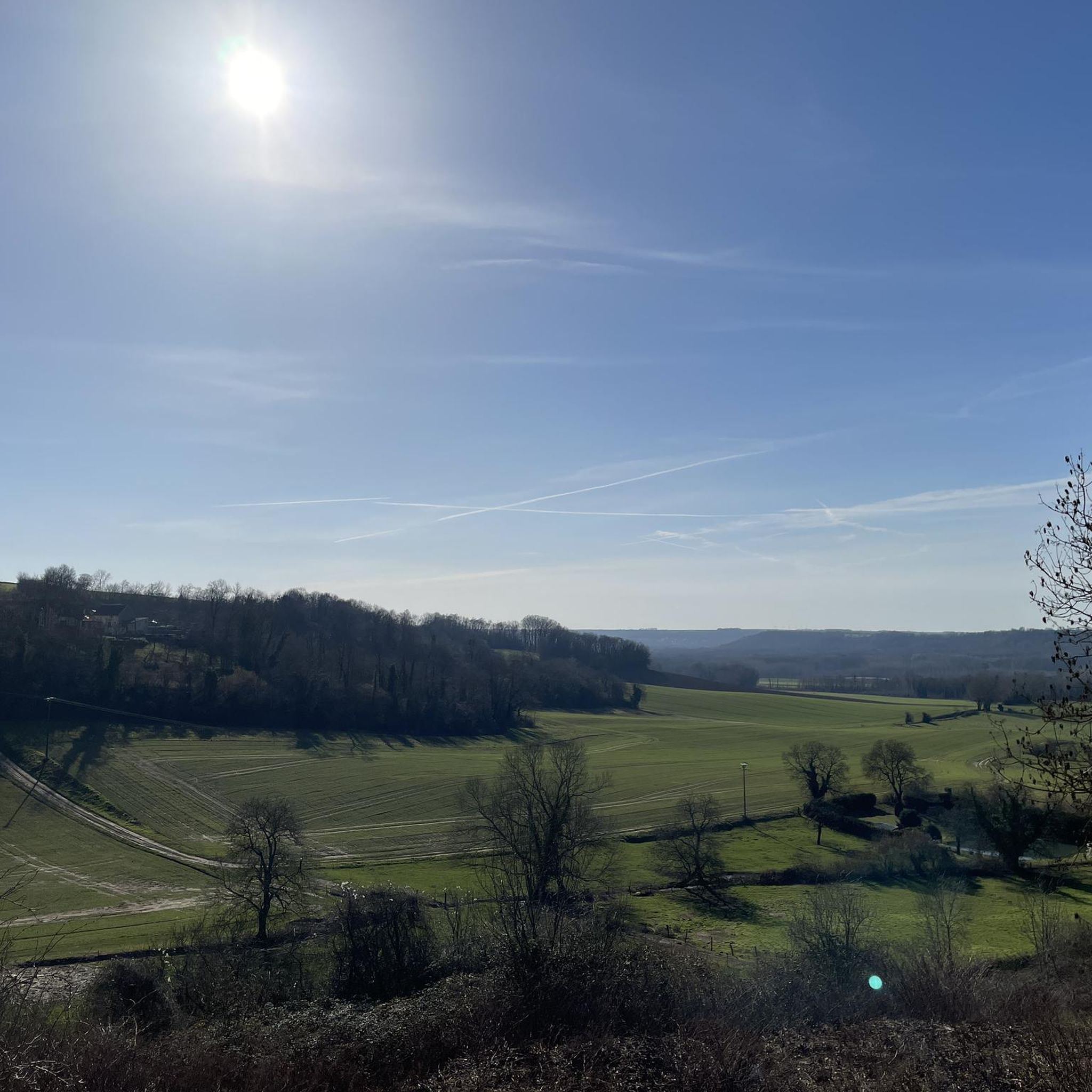
In 1914, the peasant village of Ailles covered about 340 hectares, one third of which was forest. 61 houses were grouped around the church of Saint-Martin. The population was declining: in the 1901 census there were still 147 inhabitants, while in 1911 there were only 118. In honor of the Battle of Craonne, a magnificent elm had been planted on March 7, 1814. A century later, it witnessed a new battlefield as French and German shells wiped the village off the map...
1
0
Hidden in the middle of the forest, this Cistercian abbey, founded in 1134 by Bernard of Clairvaux, appears like a mirage. Its majestic ruins bear witness to a turbulent past. From the Hundred Years' War and the French Revolution to the First World War, the abbey suffered considerable destruction. In the 1960s, the site was overgrown with brambles and forgotten. Thanks to the archaeological excavation group "Sources" led by Father Courtois, it experienced a rebirth.
1
0
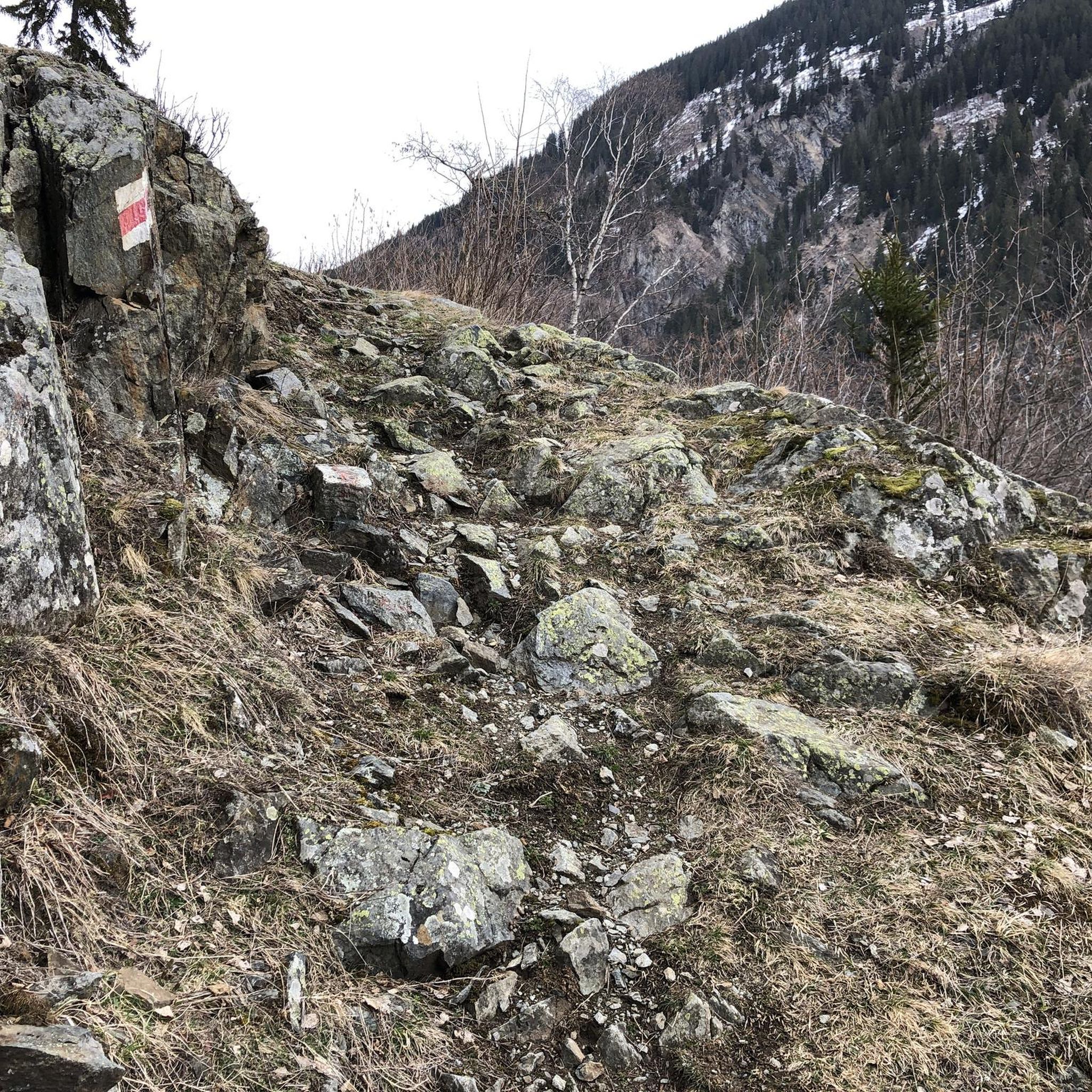
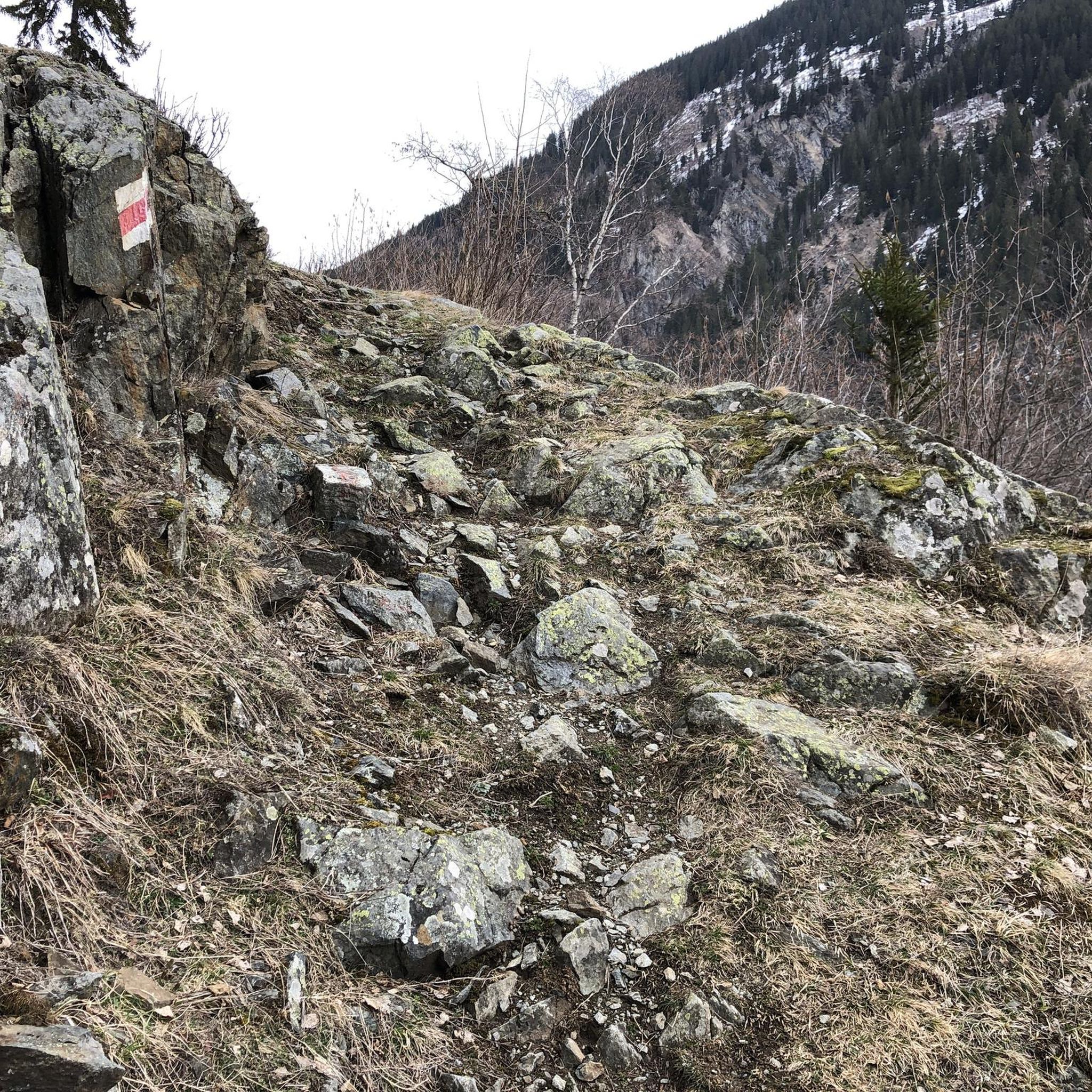
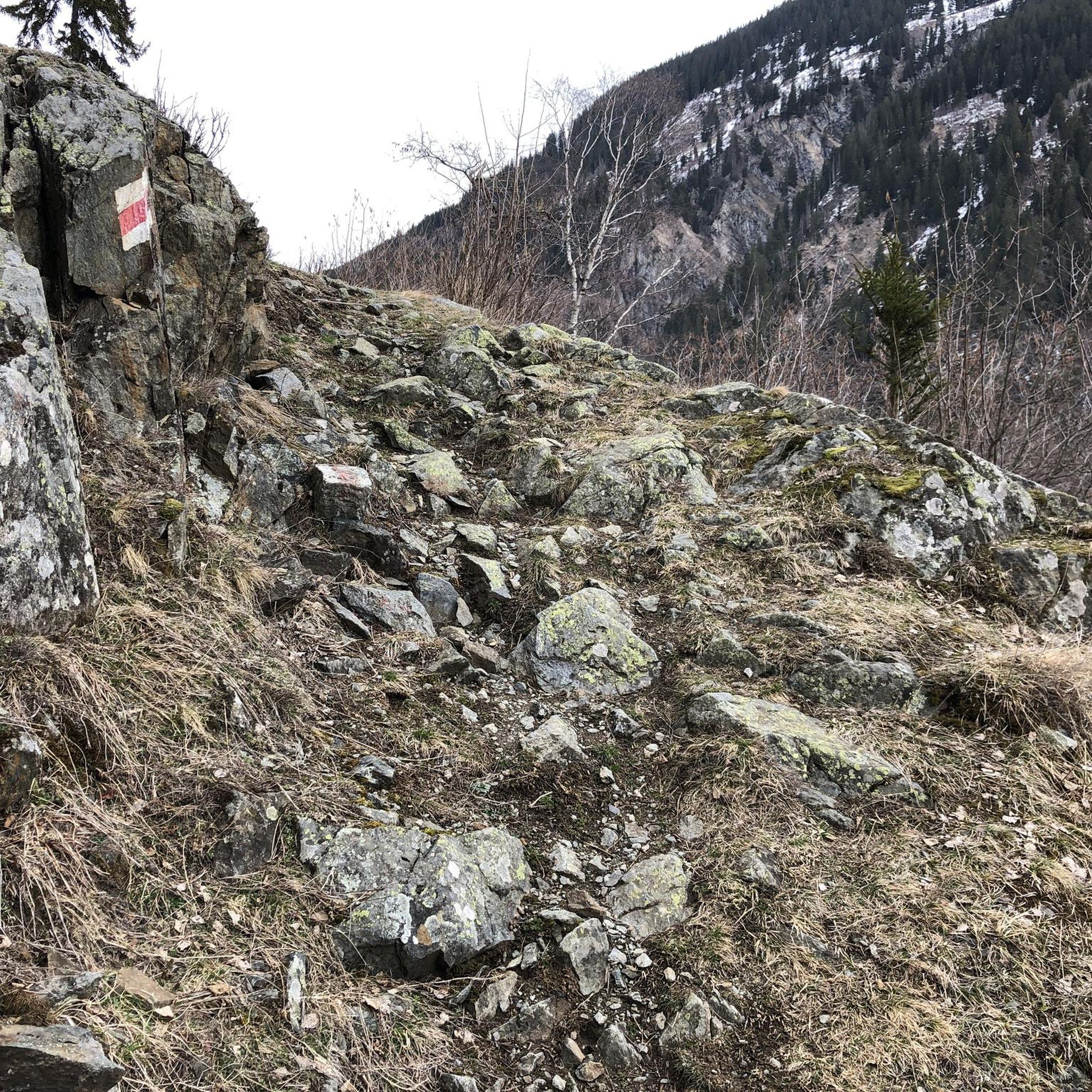
The Plateau de Californie in the heart of the Chemin des Dames is, like Verdun, a symbolic site of the First World War. However, while Verdun was quickly elevated to a national symbol of victory, the Plateau de Californie and the Chemin des Dames were long associated with the bitter failure of the Nivelle Offensive in April 1917, the subsequent mutinies, and the collapse in the summer of 1918, and were subjected to a process of exclusion, forgetting, and repression after the First World War. Before 1914, the Plateau de Californie, above the former village of Craonne, was a place for walks and recreation. After the war, pine trees were planted on the plateau, classified as a "red zone", as the land could no longer be cultivated. Today's visitors can follow the marked paths, discovering remnants of trenches and shell craters. Thematic information panels on the First World War, reading panels, and panoramic views of the Aisne valley now line the plateau along this marked hiking trail. Source: https://www.chemindesdames.fr
1
0

This stone statue of Napoleon I , sculpted by Georges Thurotte in 1974, commemorates the victory of the French armies at Craonne against the Russian and Prussian armies of General Blücher on March 7, 1814 . It was built on the site of the Vauclair mill which served as an observation post during this battle...
0
0
This stone statue of Napoleon I, sculpted by Georges THUROTTE, commemorates the victory of the French armies at Craonne against the Russian and Prussian armies of General Blücher on March 7, 1814, which left 12,000 dead (7,000 French and 5,000 Russians, whose mass graves were scattered during the fighting of the First World War. Placed high on a mound and built on the former site of the Moulin de Vauclerc, which served as an observatory for the emperor, the limestone statue represents the Emperor scanning the horizon in a dignified position.
0
0

The Plateau de Californie, situated above the ruined village of Craonne, was a strategic high point during the First World War. In April 1917, it became the scene of fierce fighting during the Nivelle Offensive. French troops suffered heavy losses here in their attempt to break through the German lines.
5
0
On the eastern edge of the Chemin des Dames plateau lies the Ferme d’Hurtebise, a place that played a crucial role during both the Napoleonic Wars and the First World War. In 1814, it was the scene of the Battle of Craonne, and exactly a century later it again became a strategic junction in the struggle between French and German troops. From September 1914 onwards, fierce fighting took place here. The farm overlooked the Ailette and Aisne valleys, making it a fiercely contested observation post. French units, including Zouaves and the 12th and 49th Infantry Regiments, tried to hold or retake the farm, often with heavy losses. The family that owned the farm sheltered in the cellar for days while the building was under fire. After months of fighting and bombardment, the farm was reduced to ruins, crisscrossed by trenches. Today the site is a symbol of resistance and sacrifice, and is part of the Chemin des Dames memorial landscape.
6
0

Here we explain a lot about the war of attrition in the First World War. The whole area was very much fought over and there are many places where this is remembered.
1
0
Frequently Asked Questions
What historical sites can I visit in and around Paissy?
Paissy itself features the Église Saint-Remi de Paissy, a local landmark, and a Calvary on the church square. The cemetery contains military graves and a war memorial. Nearby, you can explore the significant ruins of Vauclair Abbey Ruins, founded in 1134, which played a role in World War I. Other historical sites include the Ferme d'Hurtebise War Memorial, a crucial site during the Napoleonic Wars and WWI, and the Napoleon Statue in Craonne commemorating the Battle of Craonne.
Are there any unique local features or dwellings in Paissy?
Yes, Paissy is known for its unique troglodyte dwellings, which are cave houses. Some of these are integrated into 'creutes,' small caves that maintain a consistent temperature year-round. The village's single street forms a semicircle, with these habitations embedded in the landscape.
What natural attractions are there near Paissy?
You can visit Monks' Pond, a tranquil lake covering about 20 hectares, home to various fish and bird species like herons and kingfishers. Further afield, the region offers natural reserves such as the Réserve naturelle du marais de Vesles-et-Caumont and the Réserve naturelle des Landes de Versigny.
What kind of outdoor activities can I do around Paissy?
The area around Paissy is great for outdoor activities. You can find numerous routes for hiking, cycling, and mountain biking. For example, there are moderate hiking trails like the 'Monument du village d'Ailles et abbaye de Vauclair' loop. Cyclists can enjoy routes such as the 'Monks' Pond – View of Lake Ailette' loop. Mountain bikers have options like the 'Observation Tower – Vauclair Abbey' loop. You can find more details and routes on the hiking guide, cycling guide, and MTB guide for Paissy.
Are there any family-friendly attractions in the Paissy area?
Many of the historical sites and natural features around Paissy are suitable for families. The Vauclair Abbey Ruins offer an educational experience amidst nature, and Monks' Pond provides a peaceful setting for observing wildlife. The Ferme d'Hurtebise War Memorial also offers a historical perspective.
What are some significant World War I sites near Paissy?
The region around Paissy is rich in WWI history. The Ferme d'Hurtebise War Memorial was a fiercely contested observation post. The Vauclair Abbey Ruins were severely damaged during the fighting in 1917. Additionally, the Caverne du Dragon, Musee du Chemin des Dames is a significant historical site related to WWI in the region. The cemetery in Paissy itself contains French military graves and those maintained by the Commonwealth War Graves Commission.
What are the best nearby towns to visit from Paissy for more attractions?
While Paissy is a small village, its location allows for easy access to several notable towns. Laon, about 17 kilometers away, is the department capital with an astonishing early Gothic cathedral and a museum. Soissons, approximately 28 kilometers distant, offers an abbey and a cathedral. Reims, about 30 kilometers from Paissy, is known for its lively center and three UNESCO-listed sites.
What do visitors enjoy most about the attractions around Paissy?
Visitors appreciate the diverse experiences offered, from exploring ancient abbey ruins and significant battlefields to enjoying serene ponds. The komoot community has shown strong engagement, with over 100 upvotes and 80 photos shared, highlighting the appeal of both the historical depth and natural beauty of the area.
Are there any specific memorials or monuments in the area?
Yes, in addition to the war memorial in Paissy's cemetery, you can find the Ferme d'Hurtebise War Memorial, which symbolizes resistance and sacrifice from both the Napoleonic Wars and WWI. There's also the Napoleon Statue in Craonne, commemorating a significant battle.
Can I find information about specific historical figures in Paissy?
Yes, informational panels in Paissy offer details about Corporal Paul Dumont, a notable figure known for liberating Fort Douaumont and being the first French soldier to enter the fort during WWI. He was wounded in Paissy in 1917.
What is the best time to visit Paissy and its surrounding attractions?
The region's attractions, particularly the outdoor sites and historical ruins, are generally best enjoyed during the milder months. Spring and autumn offer pleasant weather for exploring the Vauclair Abbey Ruins and Monks' Pond, as well as for hiking and cycling on the nearby trails. Summer is also suitable, though it can be warmer.

Get inspired with the komoot mobile app


Explore more
Still not found the Highlight you’re looking for? See guides of the top attractions in other regions:
