Attractions and Places To See around Montescourt-Lizerolles - Top 20
Best attractions and places to see around Montescourt-Lizerolles include a blend of historical sites, natural features, and cultural points of interest. Located in the Aisne department of Hauts-de-France, the area offers opportunities to explore its rich past and scenic landscapes. Visitors can discover ancient archaeological findings, significant historical monuments, and a network of walking and cycling routes along canals. The region provides a variety of attractions for those interested in history, architecture, and outdoor activities.
Best attractions and places to…
Last updated: July 8, 2026
Tergnier
Highlight • Settlement
After the First World War, the completely destroyed city had to be rebuilt: Tergnier thus became the site of the construction of …
Translated by Google •
Tip by

Seraucourt-le-Grand
Highlight • Other
Translated by Google •
Tip by

Sign up now to discover places like this
Get recommendations on the best single tracks, peaks, & plenty of other exciting outdoor places.
Sign up for free
Cycle path along the Canal de Saint-Quentin
Highlight (Segment) • Trail
Translated by Google •
Tip by

Seraucourt le Grand British Cemetery
Highlight • Historical Site
Translated by Google •
Tip by
Canal de Saint-Quentin Path
Highlight • Trail
Translated by Google •
Tip by

Sign up for free to discover even more attractions around Montescourt-Lizerolles.
Sign up for free
Already have an account?
Start today with a free account
Your next adventure awaits.
Login or Signup



Tips from the Community

"God loves every soul with an undying love. He approaches each one with repeated, unspeakably patient offers of redemption. Even a small sign of love is enough for him to forgive and redeem. Our dear departed ones lacked a life preserver for the body; but the spiritual life preserver was not lacking, the breath of God in which the soul can clothe itself in a tiny moment, much more quickly than the body could." (Text by Albino Luciani / Pope John Paul I)
0
0

Important for pilgrims: here you will also find a food shop on Sundays.
8
0
Stage 73 of Sigeric on his Via Francigena pilgrimage. Here is the end of the stage VFF14 Via Vrancigena France). In Seraucourt-le-Grand we cross the Somme. It owes its ancient name, "Serodi Curtis", to the Gallo-Romans who founded two of these famous villae, farms, around the 2nd century, who gave it the suffix "-COURT", as with many other villages. Traces of a Merovingian cemetery are also said to have been found.
8
0
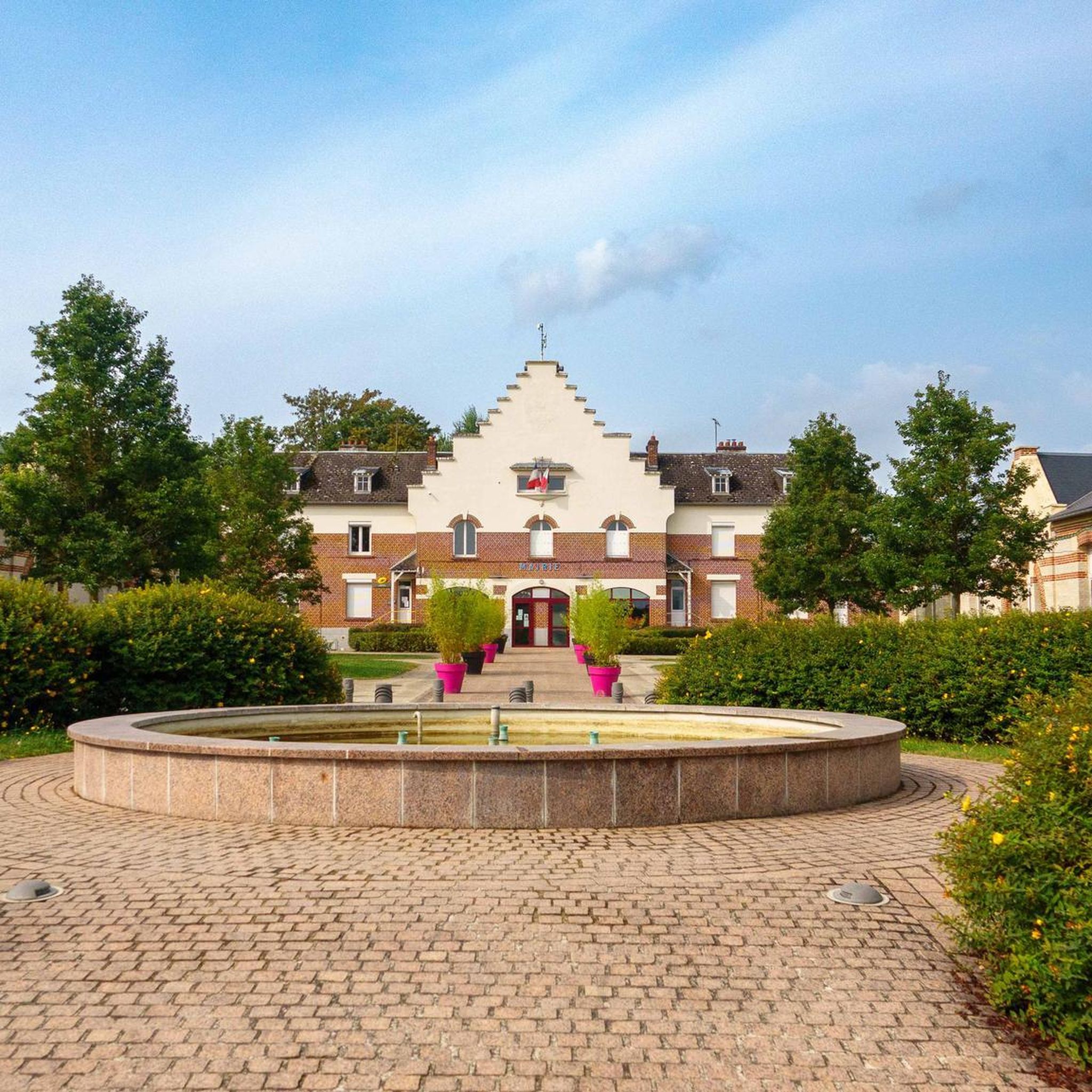
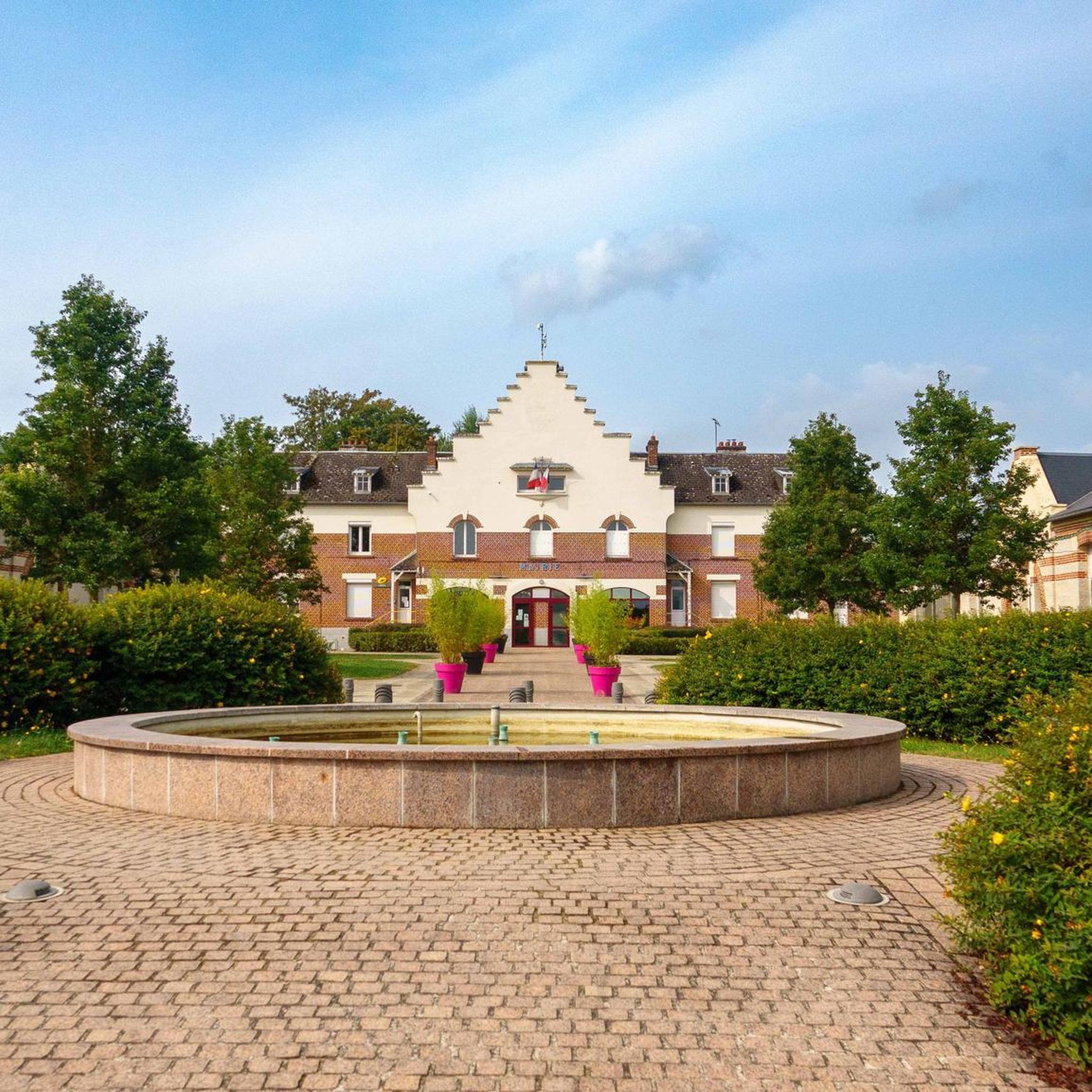
Tergnier where Art Deco is omnipresent. Its most representative examples are Place Carnégie (classified as a historic monument), the Town Hall and the Fargniers church. The media library, a former station buffet, is a site that became historic with the arrival of Victor Hugo in 1870 who had his first meal on French soil there upon his return from exile. The bell tower of the Veltin school, visible from rue de la Famille Sauvage (Quessy-Cité), still indicates the time of the bombing which ravaged the city on the night of April 10 to 11, 1944. Seven tourist signs, located in the city to constitute the Trails of Memory, retrace acts of war or resistance during the Second World War which took place in the territory.
6
0
The British cemetery of Seraucourt was created from 1920 to 1926, where the remains of soldiers buried in graves located on the nearby battlefield were grouped together, most of them killed in 1918. The cemetery contains 1,378 bodies including: 1 371 British, 5 Canadians and 2 Australians. Among them are around twenty airmen shot down in 1944. Only 496 bodies have been identified.
7
1

The Grand-Seraucourt British Cemetery is a historic site dating from the First World War, where nearly 2,000 British soldiers and airmen are buried. The cemetery covers an area of 4,732 m² and is surrounded by a stone wall. You can run along the paths that connect the different sections of the cemetery and admire the memorial stones and flowers that adorn them. You can also learn more about the history of the cemetery and the people buried there by reading the information panels or scanning the QR codes with your smartphone. The cemetery is open daily from 8 a.m. to 6 p.m. and entry is free. Running in the Grand-Seraucourt British Cemetery is a way to honor the memory of those who fought for freedom, and to appreciate the beauty and tranquility of this place.
3
0
If you are interested in the history of the First and Second World Wars, you can visit the Grand-Seraucourt British Cemetery, a British military cemetery located in the commune of Seraucourt-le-Grand, in the department of Aisne. The cemetery contains 1,378 graves of soldiers who died mostly in 1918, as well as a few airmen shot down in 1944. The information panels and memorial stones will allow you to learn more about the battles that took place in this region and on the history of fallen soldiers. The cemetery is open daily from 8 a.m. to 6 p.m. and entry is free. The cemetery is surrounded by a stone wall and has a staircase and a building at the entrance. There you can take a peaceful and respectful walk among the rows of white tombstones and admire the flowers and trees that adorn the site.
3
0
Frequently Asked Questions
What historical sites can I explore around Montescourt-Lizerolles?
The region offers a rich history. You can visit the Seraucourt le Grand British Cemetery, a significant World War I site with 1,378 graves. Additionally, the area has a monument commemorating the Battle of Saint-Quentin (1557) and archaeological findings of Gallo-Roman pottery workshops. The village church, Église Saint-Lambert, built in the 1920s, is also a notable landmark.
Are there any significant architectural styles to observe in the area?
Yes, the region, particularly Tergnier, is known for its Art Deco architecture. Tergnier was rebuilt as a 'garden city' for railway workers after World War I, featuring prominent examples like Place Carnégie and the Town Hall. The Église Saint-Lambert in Montescourt-Lizerolles also showcases a distinctive 1920s architectural style.
What kind of outdoor activities are available near Montescourt-Lizerolles?
Montescourt-Lizerolles is an excellent base for outdoor activities. You can enjoy hiking, cycling, and mountain biking. The area features paths along the Canal de la Somme, Canal de la Sambre à l'Oise, and the Canal de Saint-Quentin Path. For more options, explore the hiking routes, cycling routes, and MTB trails available in the surrounding area.
Are there easy walking or cycling paths suitable for all skill levels?
Absolutely. The Canal de Saint-Quentin Path is largely flat and easy, offering pleasant views of the water, bridges, and locks over approximately 13 kilometers. Similarly, the Cycle path along the Canal de Saint-Quentin provides a car-free cycling experience through the landscape, suitable for various skill levels, though some sections may have uneven asphalt.
What natural features can I see around Montescourt-Lizerolles?
The region is characterized by its waterways. You can explore the canals such as the Canal de la Somme, Canal de la Sambre à l'Oise, and the Canal de Saint-Quentin. These canals offer refreshing walks or bike rides and views of surrounding ponds and the Picardy plain.
Are there family-friendly attractions near Montescourt-Lizerolles?
Yes, several attractions are suitable for families. The Canal de Saint-Quentin Path is a flat and easy trail perfect for family walks or bike rides. The town of Tergnier, with its unique Art Deco architecture, can also be an interesting educational visit. The Seraucourt le Grand British Cemetery offers a respectful and educational experience for older children interested in history.
What is the best time to visit Montescourt-Lizerolles attractions?
The best time to visit Montescourt-Lizerolles for outdoor activities and exploring its attractions is typically during the spring (April to June) and autumn (September to October) months. During these periods, the weather is generally mild and pleasant for walking and cycling, and the natural landscapes are particularly scenic. Summer (July to August) is also suitable, though it can be warmer.
Are there any hidden gems or unique cultural spots to discover?
Beyond the main highlights, you might enjoy discovering the local heritage. The region's Art Deco heritage in Tergnier, with its Masonic symbols embedded in the architecture, offers a unique cultural insight. The Seraucourt-le-Grand area also holds ancient Gallo-Roman and Merovingian history. La Maison de Marie-Jeanne is another recommended stop along local hiking routes for cultural discovery.
Can I find routes that are part of historical pilgrimage paths?
Yes, the historic Via Francigena pilgrimage route passes through the Montescourt-Lizerolles area. Tergnier is noted as stage 15 of Cigeric's original Via Francigena, and Seraucourt-le-Grand marks the end of stage 73 of Sigeric's Via Francigena pilgrimage.
What do visitors enjoy most about the attractions around Montescourt-Lizerolles?
Visitors particularly enjoy the peaceful canal-side paths, such as the Canal de Saint-Quentin Path, for their scenic views and ease of access. The unique Art Deco architecture of Tergnier and the historical significance of sites like the Seraucourt le Grand British Cemetery are also highly appreciated for their cultural and historical value.
Are there opportunities for long-distance cycling or multi-day tours?
Yes, the extensive network of canals, including the Canal de la Somme and Canal de la Sambre à l'Oise, provides excellent opportunities for long-distance cycling. The Cycle path along the Canal de Saint-Quentin is part of a much longer route, allowing for extended car-free journeys through the landscape. You can find various cycling routes in the area, some of which are quite extensive.
Where can I find information about the local wildlife?
While specific wildlife viewing spots are not detailed, the canal paths and surrounding natural areas, such as those along the Canal de la Somme and Canal de la Sambre à l'Oise, offer opportunities to observe local flora and fauna. These waterways and their banks are natural habitats for various bird species and other small animals.
Most popular routes around Montescourt-Lizerolles

Get inspired with the komoot mobile app


Explore more
Still not found the Highlight you’re looking for? See guides of the top attractions in other regions:
