Attractions and Places To See around Montaigu - Top 20
Best attractions and places to see around Montaigu include a blend of historical sites and natural landscapes. The area features significant historical landmarks, particularly those related to past conflicts and religious heritage. Visitors can explore ancient ruins and serene natural settings, offering diverse experiences.
Best attractions and places to see around Montaigu
- The most popular attraction is Vauclair Abbey Ruins, a historical site that was founded in 1134 and severely damaged in 1917. The site features preserved buildings like the pantry and chapter house, with foundations of the abbey church still visible.
- Another must-see spot is Monks' Pond, a lake covering approximately 20 hectares. This pond, one of four dug by monks in the late 17th century, is home to various fish species and wildlife, including herons and kingfishers.
- Visitors also love Craonne Memorial Stone, a memorial stone commemorating the fierce fighting of April-May 1917 during the Nivelle Offensive. It stands on the spot where the French army suffered heavy losses and pays tribute to the destroyed village of Craonne.
- Montaigu is known for historical sites, natural features, and significant memorial locations. The area offers a variety of attractions to see and explore, from ancient ruins to tranquil ponds.
- The attractions around Montaigu are appreciated by the komoot community, with over 100 upvotes and more than 80 photos shared by visitors.
Last updated: October 10, 2026
Vauclair Abbey Ruins
Highlight • Historical Site
Translated by Google •
Tip by

California Plateau
Highlight • Viewpoint
Translated by Google •
Tip by
Sign up now to discover places like this
Get recommendations on the best single tracks, peaks, & plenty of other exciting outdoor places.
Napoleon Statue in Craonne
Highlight • Monument
Placed high on a mound and built on the former location of the Moulin de Vauclerc which served as an observatory for the Emperor, the limestone statue represents the Emperor scanning the horizon, in a dignified position.
An enamelled table presents the plan of the battle of Craonne
Erected by the Departmental Tourism Committee and the Departmental Union of Offices and Syndicates of Initiatives of the Aisne, the building was inaugurated on June 30, 1974 by Michel Poniatowski, then Minister of State and Interior.
Translated by Google •
Tip by

Monks' Pond
Highlight • Lake
Tip by

Craonne Memorial Stone
Highlight • Other
Translated by Google •
Tip by
Sign up for free to discover even more attractions around Montaigu.
Already have an account?
Start today with a free account
Your next adventure awaits.


Tips from the Community

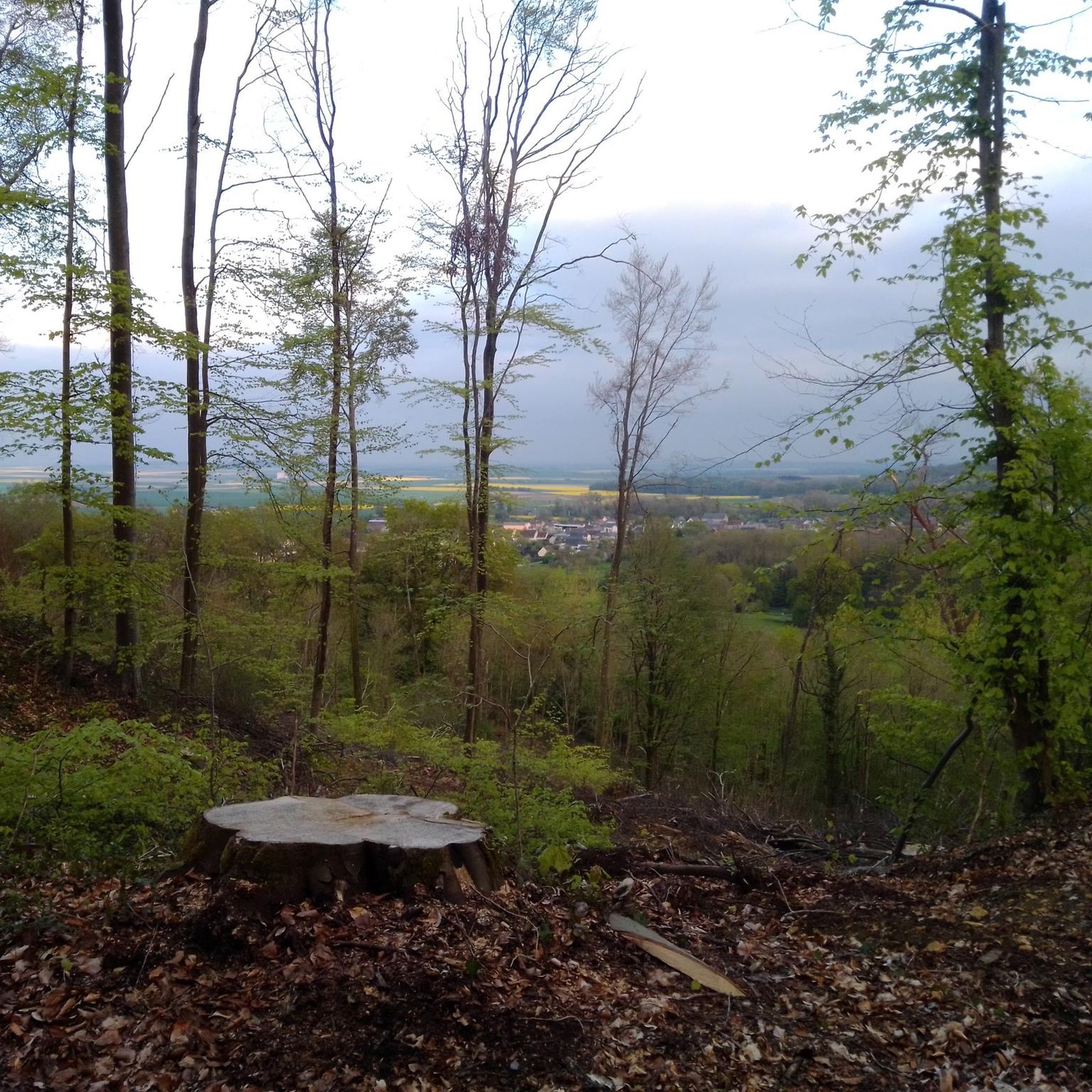
The Vauclair Abbey near Bouconville-Vauclair in the Aisne department was founded in 1134 by Bernard of Clairvaux as a Cistercian monastery. In the Middle Ages, it developed into an important monastic complex; it was significantly expanded, particularly in the 13th century. During the First World War, Vauclair was located directly in the combat zone of the Chemin des Dames and was almost completely destroyed by artillery fire in 1917. The ruins visible today have been archaeologically investigated, excavated, and partially secured since the 1960s. Directly next to the ruins, there is now a medicinal herb garden with around 400 species and a conservation orchard. This verger conservatoire preserves old regional apple and pear varieties; according to the French Garden Association, there are about 84 different varieties represented there. Together with the monastery ruins, the site thus commemorates not only the history of the Cistercians but also their close connection to agriculture, horticulture, and botany.
1
0

Hidden in the middle of the forest, this Cistercian abbey, founded in 1134 by Bernard of Clairvaux, appears like a mirage. Its majestic ruins bear witness to a turbulent past. From the Hundred Years' War and the French Revolution to the First World War, the abbey suffered considerable destruction. In the 1960s, the site was overgrown with brambles and forgotten. Thanks to the archaeological excavation group "Sources" led by Father Courtois, it experienced a rebirth.
2
0
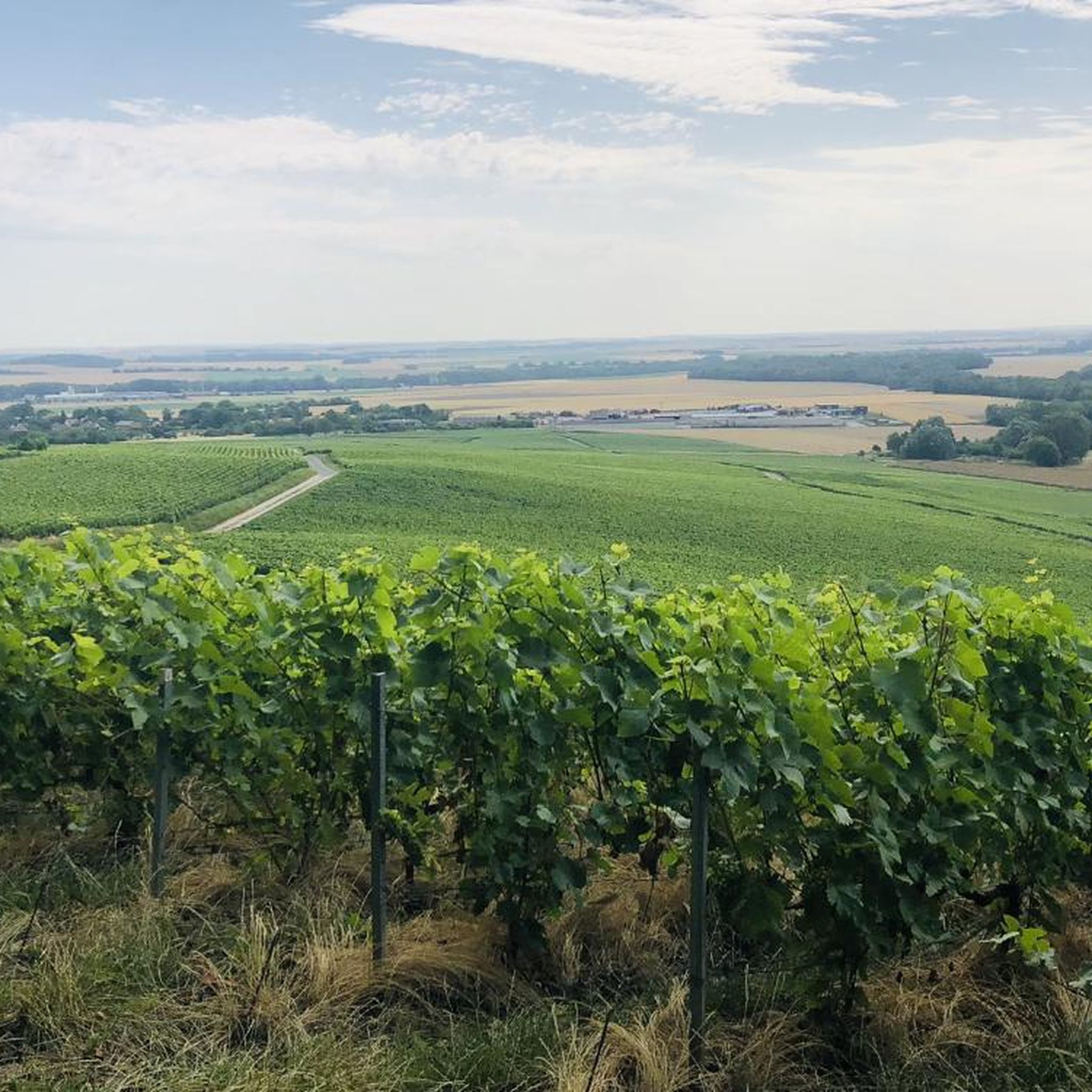
The Plateau de Californie in the heart of the Chemin des Dames is, like Verdun, a symbolic site of the First World War. However, while Verdun was quickly elevated to a national symbol of victory, the Plateau de Californie and the Chemin des Dames were long associated with the bitter failure of the Nivelle Offensive in April 1917, the subsequent mutinies, and the collapse in the summer of 1918, and were subjected to a process of exclusion, forgetting, and repression after the First World War. Before 1914, the Plateau de Californie, above the former village of Craonne, was a place for walks and recreation. After the war, pine trees were planted on the plateau, classified as a "red zone", as the land could no longer be cultivated. Today's visitors can follow the marked paths, discovering remnants of trenches and shell craters. Thematic information panels on the First World War, reading panels, and panoramic views of the Aisne valley now line the plateau along this marked hiking trail. Source: https://www.chemindesdames.fr
1
0

This stone statue of Napoleon I , sculpted by Georges Thurotte in 1974, commemorates the victory of the French armies at Craonne against the Russian and Prussian armies of General Blücher on March 7, 1814 . It was built on the site of the Vauclair mill which served as an observation post during this battle...
0
0
This stone statue of Napoleon I, sculpted by Georges THUROTTE, commemorates the victory of the French armies at Craonne against the Russian and Prussian armies of General Blücher on March 7, 1814, which left 12,000 dead (7,000 French and 5,000 Russians, whose mass graves were scattered during the fighting of the First World War. Placed high on a mound and built on the former site of the Moulin de Vauclerc, which served as an observatory for the emperor, the limestone statue represents the Emperor scanning the horizon in a dignified position.
0
0

This memorial stone, located on the Plateau de Californie above the old Craonne, commemorates the fierce fighting of April-May 1917 during the Nivelle Offensive. It stands on the spot where the French army suffered heavy losses in the battle against the German defenses. The stone also pays tribute to the destroyed village of Craonne, which was not rebuilt after the war. The site is closely linked to the famous “Chanson de Craonne”, the pacifist song of the French soldiers
6
0
The Plateau de Californie, situated above the ruined village of Craonne, was a strategic high point during the First World War. In April 1917, it became the scene of fierce fighting during the Nivelle Offensive. French troops suffered heavy losses here in their attempt to break through the German lines.
5
0

Here we explain a lot about the war of attrition in the First World War. The whole area was very much fought over and there are many places where this is remembered.
1
0
Frequently Asked Questions
What historical sites can I explore around Montaigu?
Montaigu offers a rich historical tapestry. You can visit the impressive Vauclair Abbey Ruins, founded in 1134, which still features preserved buildings like the pantry and chapter house. In Montaigu-Vendée, the historic Château de Montaigu, with origins tracing back to the 11th century, and the ancient ramparts offer a glimpse into the town's medieval past. The "Montaigu, 1000 ans d'Histoire" Heritage Trail also highlights the town's rich history through 40 panels and markers.
Are there natural areas or parks to visit in Montaigu?
Yes, Montaigu boasts several beautiful natural settings. The Monks' Pond, a 20-hectare lake, is a haven for wildlife and offers tranquility. In Montaigu-Vendée, you can explore La Maison de la Rivière on the Grande Maine River, offering boat trips and hiking trails. Other green spaces include Parc de la Senardière, Parc Rochettes, and Parc du Val d'Asson, perfect for relaxation and leisurely strolls.
What family-friendly activities are available in Montaigu?
Many attractions around Montaigu are suitable for families. The Vauclair Abbey Ruins are categorized as family-friendly, offering an educational historical experience. La Maison de la Rivière in Montaigu-Vendée is particularly popular with families for treasure hunts and cultural activities during the "Estivales de la Rivière" season. The various parks like Parc Rochettes also provide pleasant settings for family outings.
Can I find any unique cultural experiences or heritage trails in Montaigu?
Absolutely. Beyond the historical sites, Montaigu-Vendée offers the "Montaigu, 1000 ans d'Histoire" Heritage Trail, a self-guided discovery tour showcasing the town's past. The Château de Montaigu often hosts exhibitions by local artists and craftsmen, providing insight into the region's creative spirit. Local markets also offer a cultural experience, showcasing the agricultural heritage with fresh produce and artisanal goods.
What kind of outdoor activities, like cycling or mountain biking, can I do near Montaigu's attractions?
The Montaigu area is excellent for outdoor enthusiasts. You can find numerous routes for various sports. For road cycling, explore options like the "Vauclair Abbey Ruins – Ruins of Vauclair Abbey loop" or the "Climb to Laon Cathedral loop." Touring cyclists can enjoy routes such as the "View of Lake Ailette – Lake Ailette loop." Mountain bikers have trails like the "Descent to Mauregny-en-Haye – Farm track loop." You can find more details on these and other routes in the dedicated guides for Road Cycling, Cycling, and MTB Trails around Montaigu.
Where can I find tranquil spots for relaxation or nature observation?
For peaceful moments, the Monks' Pond is ideal for observing birds like herons and kingfishers. In Montaigu-Vendée, the Beau Soleil Natural Site features a beautiful pond with benches for contemplation. The shaded banks of the Grande Maine River at La Maison de la Rivière also provide a serene environment for nature lovers.
What is the significance of the war memorials around Montaigu?
The region holds significant memorials related to past conflicts. The Craonne Memorial Stone commemorates the fierce fighting and heavy losses of the French army during the Nivelle Offensive in April-May 1917, also paying tribute to the destroyed village of Craonne. Additionally, the Napoleon Statue in Craonne commemorates the victory of French armies against Russian and Prussian forces in 1814.
Are there any specific villages or settlements worth visiting near Montaigu?
Yes, the Pierrepont Village is noted for its unique character, featuring a bakery and a bar, which is uncommon for many smaller villages in the region. It also has charming scenes like a letterbox incorporated into a bicycle and a fisherman statue, with a cross listed as a monument on Wikipedia.
What do visitors particularly enjoy about the attractions around Montaigu?
Visitors appreciate the blend of historical depth and natural beauty. For instance, the Vauclair Abbey Ruins are praised as a 'remarkable remnant of what was once a large and important abbey.' The Monks' Pond is valued for its tranquility and diverse wildlife. The area's historical significance, particularly related to the World Wars and Napoleonic era, also deeply resonates with visitors.
Is there a good time of year to visit Montaigu for outdoor activities or sightseeing?
The warmer months, particularly from April to September, are ideal for visiting Montaigu, especially for outdoor activities. During this period, La Maison de la Rivière in Montaigu-Vendée hosts its "Estivales de la Rivière" with various cultural activities. The weather is generally pleasant for exploring historical sites, enjoying the parks, and engaging in cycling or hiking on the numerous trails.
Are there any specific places to see related to the region's rivers and lakes?
The region is rich in water features. The Monks' Pond is a significant lake covering 20 hectares, home to various fish and bird species. In Montaigu-Vendée, La Maison de la Rivière is situated on the Grande Maine River, offering boat trips and trails. The wider Montaigu region also provides opportunities for running and hiking along the Sèvre, Maine, and Boulogne rivers, and activities like rowing or kayaking on Lac de la Chausselière.
What kind of historical events are commemorated in the Montaigu area?
The Montaigu area commemorates several significant historical events. The Craonne Memorial Stone specifically honors the fierce fighting and heavy losses during the Nivelle Offensive of World War I. The Napoleon Statue in Craonne marks the victory of French armies against Russian and Prussian forces in the Battle of Craonne in 1814. The Vauclair Abbey Ruins themselves bear witness to the destruction caused by bombardment in 1917, highlighting the impact of war on historical structures.
Most popular routes around Montaigu

Get inspired with the komoot mobile app


Explore more
Still not found the Highlight you’re looking for? See guides of the top attractions in other regions:
