Attractions and Places To See around Le Neufour - Top 14
Best attractions and places to see around Le Neufour are primarily concentrated on its historical significance within the Meuse department in northeastern France. This small commune is situated in a region known for its natural beauty and historical sites, particularly those related to World War I. The area offers a landscape marked by forests and memorials, providing insights into significant historical events.
Best attractions and places to see around Le Neufour
- The most popular attraction is World War I memorial…
Last updated: October 17, 2026
World War I memorial
Highlight • Other
Inaugurated in 1922, this impressive monument commemorates the thousands of fallen soldiers of the Argonne during WWI. The ossuary contains the …
Translated by Google •
Tip by

Ravin du Génie Open-Air World War I Museum
Highlight • Historical Site
Translated by Google •
Tip by
Sign up now to discover places like this
Get recommendations on the best single tracks, peaks, & plenty of other exciting outdoor places.
Sainte Menehould - Our Lady of the Castle
Highlight • Other
Translated by Google •
Tip by

Vauquois Hill
Highlight • Other
Translated by Google •
Tip by
Nécropole Nationale de la Forestière
Highlight • Historical Site
Translated by Google •
Tip by
Sign up for free to discover even more attractions around Le Neufour.
Already have an account?
Start today with a free account
Your next adventure awaits.




Tips from the Community

The faithful trust in the help of the Mother of God Mary – who is not only revered here in Sainte-Menehould, but throughout France under the title „Notre-Dame“ (which corresponds to the German designation „Unserer Lieben Frau“) – was expressed by the French nun, mystic, and Doctor of the Church, Saint Thérèse of Lisieux (religious name Thérèse of the Child Jesus and of the Holy Face, 1873 to 1897) as follows: „In trials or difficulties, I turn to Mother Mary, whose gaze alone is enough to dispel all fear.“
0
0

The Nécropole Nationale de la Forestière in Lachalade is a military cemetery that keeps alive the memory of the soldiers who died in the First World War. This serene memorial was created in 1915 and later expanded to collect the remains of soldiers who fought in the Argonne region between 1914 and 1918. Today, 2,005 soldiers rest there, and the cemetery is famous for its blue, pink and white hydrangeas, planted by the Comtesse de Martimprey in tribute to her missing husband. The site has been classified as a World Heritage Site since September 2023, and nearby is a monument to the Italian volunteers who fought in the Argonne, including the grandsons of Giuseppe Garibaldi
7
0
This hill in the Argonne was the scene of fierce mine warfare between French and German forces during WWI. From 1915 to 1918, both sides dug extensive tunnel networks under the hill, causing hundreds of explosions and thousands of deaths. Today, impressive craters, trenches and underground passages can be seen – a poignant reminder of life and fighting underground.
7
0
Freely accessible and located along the Route de la Haute Chevauchée. Climb the stairs for an impressive view and to admire the monument up close. Behind the monument is the entrance to the ossuary and a cross of reconciliation.
6
0
A silent tribute in the heart of the Argonne Inaugurated in 1922, this impressive monument commemorates the thousands of fallen soldiers of the Argonne during WWI. The ossuary contains the remains of approximately 10,000 unknown soldiers of various nationalities. The obelisk-shaped structure, topped with a soldier's head and sword, is a powerful symbol of sacrifice. In 2023, the monument was included on the UNESCO World Heritage List.
7
0
Ravin du Génie: Located in the woods of Lachalade, less than 1.2 km from the front line, this ravine was an important logistical camp for the French engineers during WWI. Soldiers found rest there, and equipment was stored for mine warfare in the Argonne. Today it is an open-air museum with the remains of barracks, warehouses and trenches – a tangible reminder of daily life behind the front. Free access with information panels.
7
0

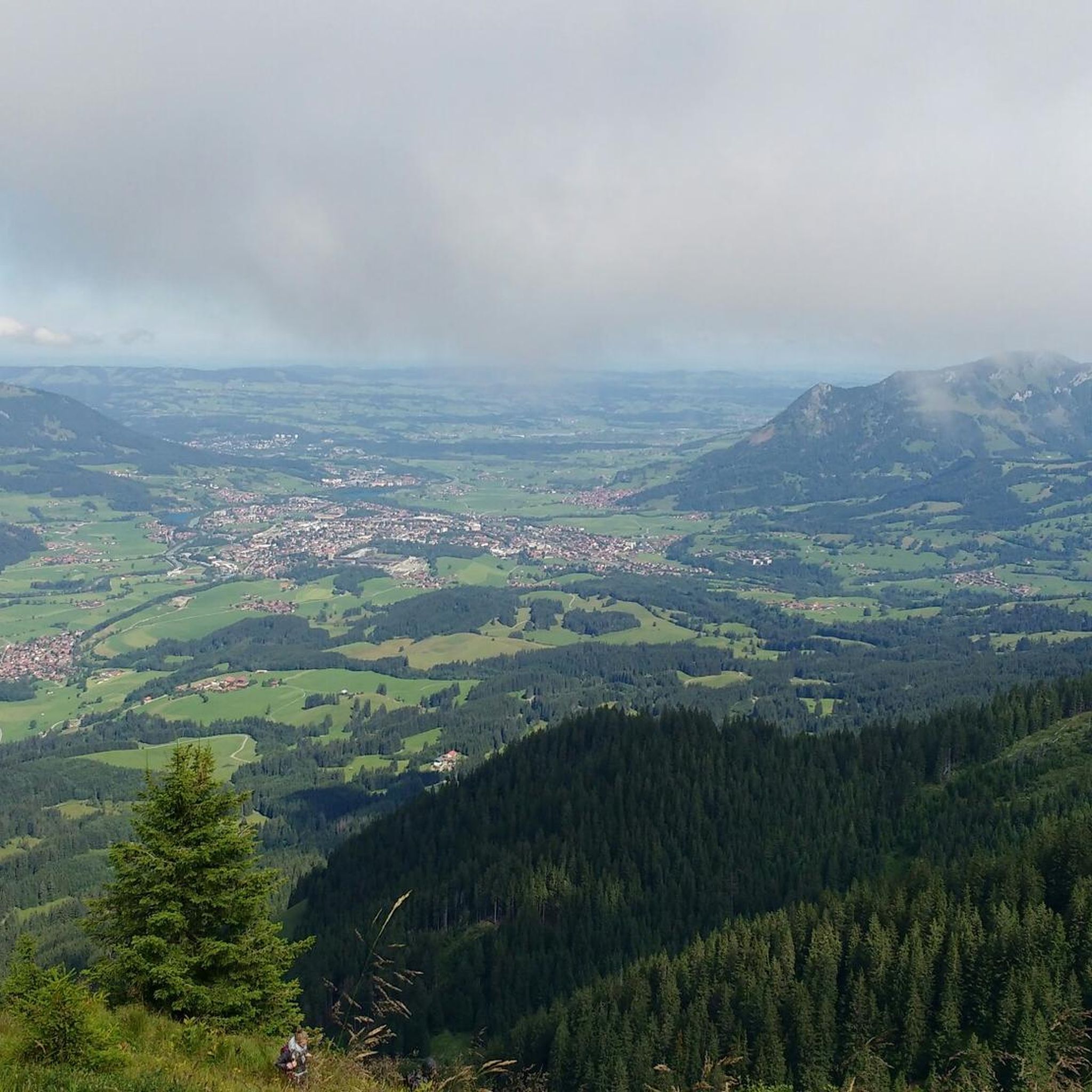
Great view of the city and walk through the old cemetery
0
1

https://verdun1916.eu/?p=7570 The hill of Vauquois (Butte de Vauquois), about 25 kilometers northwest of Verdun, is 295 meters high and was, due to its location, an excellent vantage point for those who wanted to defend the northern Argonne, together with the hill of Les Eparges, which is about the same distance southeast of Verdun. The Germans had already captured the village of Vauquois and the hill without a fight in September 1914. The village and the hill were immediately fortified. Caves and underground passages were cut and dug in the limestone soil. The total length of the passages was no less than 15 km. With loopholes one could cover a large area, and one could count on artillery support from Cheppy and Montfaucon. It was an excellently built defense line. The French were keen to recapture this hill, partly because Verdun was threatened by it. First Battles for Vauquois The French attacked on 28 October 1914 without artillery support, and ran straight into a barrage of bullets and shells. Within an hour the attackers were out of action. The next day there was another attack, but this time with artillery support. It was another failure on this well-defended position. Until the end of February, attacks were made repeatedly on the village and the hill, with or without artillery support. The losses were enormous, especially on the French side.
1
0
Frequently Asked Questions
What historical sites can I visit around Le Neufour?
The area around Le Neufour is rich in World War I history. You can explore the World War I memorial, which includes an ossuary for unknown soldiers and is a UNESCO World Heritage site. Another significant location is the Ravin du Génie Open-Air World War I Museum, offering a tangible reminder of daily life behind the front lines. Don't miss Vauquois Hill, a site of intense mine warfare, and the Cimetière de la forestière, a poignant cemetery in the Argonne forest.
Are there any notable historical churches or architectural sites near Le Neufour?
Yes, you can visit Sainte Menehould - Our Lady of the Castle. This three-nave Gothic church dates from the 13th century and was rebuilt in the 15th and 18th centuries, offering a harmonious blend with the medieval upper town of Sainte Menehould and providing great views of the city.
What natural features characterize the area around Le Neufour?
Le Neufour is situated within the Meuse department, known for its natural beauty, particularly the Argonne forest. The landscape is marked by extensive forests, which played a significant role in World War I history, and offers a serene environment for exploration.
Can I find family-friendly activities or sites near Le Neufour?
While many sites focus on history, the Cimetière de la forestière is noted as family-friendly. Its unique decoration with hydrangea bushes creates a colorful contrast within the forest, offering a reflective yet accessible experience for families. Exploring the surrounding forests also provides opportunities for gentle walks suitable for all ages.
Are there opportunities for outdoor activities like cycling or running around Le Neufour?
Absolutely! The region offers various routes for outdoor enthusiasts. You can find numerous road cycling routes, including easy loops through the Foret d'Argonne. For runners, there are several running trails, such as the Sainte-Menehould loop. Mountain biking is also popular, with MTB trails available around Sainte-Menehould and the surrounding forests.
What kind of hiking trails are available around Le Neufour?
The area around Le Neufour, particularly within the Argonne forest, offers various trails. While specific hiking difficulty levels are not detailed for all paths, the presence of historical sites like the Ravin du Génie Open-Air World War I Museum and the Cimetière de la forestière suggests accessible paths for exploration. Many routes combine natural beauty with historical discovery, perfect for walks and hikes.
Is there a good time of year to visit Le Neufour?
The Meuse department, where Le Neufour is located, experiences a temperate climate. Spring and autumn generally offer pleasant weather for exploring the historical sites and natural landscapes, with comfortable temperatures and beautiful foliage. Summer is also suitable, though it can be warmer. Winter can be cold, but the forest scenery can be quite atmospheric.
What is the significance of the World War I memorial near Le Neufour?
The World War I memorial is a powerful tribute to the thousands of fallen soldiers of the Argonne. Inaugurated in 1922, its ossuary contains the remains of approximately 10,000 unknown soldiers. The obelisk-shaped structure, topped with a soldier's head and sword, is a profound symbol of sacrifice and was included on the UNESCO World Heritage List in 2023.
What is the Ravin du Génie Open-Air World War I Museum?
The Ravin du Génie Open-Air World War I Museum is a historical site located in the woods of Lachalade. It was a crucial logistical camp for French engineers during WWI. Today, it serves as an open-air museum featuring preserved remains of barracks, warehouses, and trenches, offering a vivid glimpse into the daily life of soldiers behind the front lines.
Is the area around Le Neufour suitable for dog-friendly walks?
Given the prevalence of forests and outdoor trails in the Meuse department, the area around Le Neufour is generally suitable for dog-friendly walks. Many of the natural and historical sites within the Argonne forest, such as the Cimetière de la forestière, are open-air and can be explored with well-behaved dogs on a leash.
What do visitors generally appreciate about the attractions near Le Neufour?
Visitors to the attractions around Le Neufour highly appreciate the profound historical significance, particularly the well-preserved World War I sites and memorials. The serene and often poignant atmosphere of places like the World War I memorial and Ravin du Génie leaves a lasting impression. The natural beauty of the Argonne forest, which often serves as a backdrop to these historical sites, is also a significant draw.
Are there any viewpoints around Le Neufour offering scenic vistas?
While specific dedicated viewpoints are not prominently listed, the Sainte Menehould - Our Lady of the Castle church offers great views of the city from its location. Additionally, exploring the higher elevations and clearings within the Argonne forest, particularly around historical hills like Vauquois Hill, can provide expansive views of the surrounding landscape.

Get inspired with the komoot mobile app


Explore more
Still not found the Highlight you’re looking for? See guides of the top attractions in other regions:
