The best road cycling routes around La Poterie-Cap-D'Antifer
4.3
(97)
1,559
riders
96
rides
Road cycling around La Poterie-Cap-D'Antifer offers routes through the dramatic coastal landscapes of the Côte d'Albâtre in Normandy, France. The terrain is characterized by towering white chalk cliffs, shingle beaches, and verdant valleys like the Valleuse d'Antifer. Cyclists encounter varied elevation changes, including climbs through woodlands and along the coast, providing both challenging and scenic experiences. This region provides a network of road cycling routes suitable for exploring its unique natural features.
Best road cycling routes around La Poterie-Cap-D'Antifer
- The…
Last updated: July 9, 2026
4.7
(3)
42
riders
32.3km
01:25
300m
290m
Easy road ride. Great for any fitness level. Mostly well-paved surfaces and easy to ride.
4.8
(37)
406
riders
57.1km
02:25
410m
410m
Moderate road ride. Good fitness required. Mostly well-paved surfaces and easy to ride.

Sign up for free
59
riders
41.7km
01:44
300m
300m
Moderate road ride. Good fitness required. Mostly well-paved surfaces and easy to ride.
26
riders
37.3km
01:41
370m
380m
Moderate road ride. Good fitness required. Mostly well-paved surfaces and easy to ride.
12
riders
73.3km
03:08
540m
540m
Moderate road ride. Good fitness required. Mostly well-paved surfaces and easy to ride.
Get access to more routes and recommendations from other explorers.
Sign up for free
Already have an account?
Our route recommendations are based on thousands of hikes, rides, and runs completed by other people on komoot.
Start today with a free account
Your next adventure awaits.
Login or Signup
Tips from the Community

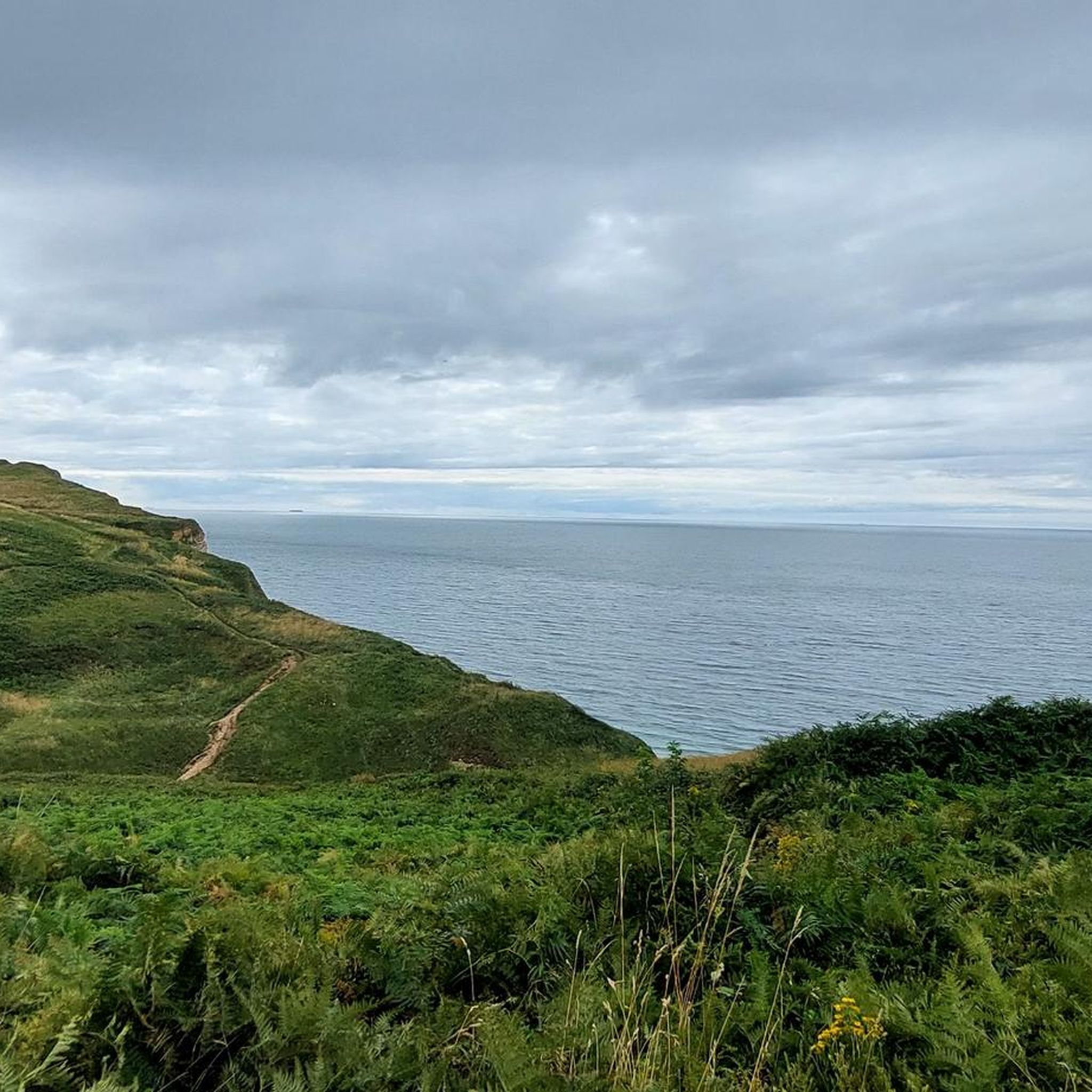
The viewpoint is located on a curve, so be very careful when stopping!
0
0


In addition to a remarkable sanctuary from the late 13th and early 14th centuries, the church houses an 18th-century polychrome wooden statue of Saint Sebastian.
2
0


Saint Valery is the monk Walaric who is said to have celebrated baptisms to the north of the village, near a spring. He was nicknamed the evangelist of the cliffs for having been the first missionary on the Channel coast in the 7th century. At the beginning of the 12th century, Guillaume Malet de Graville donated the Saint-Valery church to the monks of the Graville priory. On September 10, 1944, the village of Fontaine-la-Mallet was 99% destroyed during Operation Astonia intended to liberate Le Havre. Placed under the aegis of the Ministry of Reconstruction and Urban Planning, the reconstruction of the town was implemented by architects who participated, in parallel, in the construction of the city center of Le Havre. The church was entrusted to the architect Serge Zoppi. The first stone having been laid on October 25, 1954, the church, which is distinguished by its 31 m high concrete spire in the shape of wheat ears, was completed in 1957. The church has a single-volume nave preceded by a porch with a bell tower on the side. The building is traditional in its shape and regionalist style: the exterior facing is made of materials from the Pays de Caux (bricks and pebbles) while the design of the spire in the shape of wheat ears recalls local agricultural production. On the other hand, the use of reinforced concrete allows for the development of a modern aesthetic, of which the bell tower offers a remarkable example with its openwork lacework. Since November 26, 2001, the church, its presbytery, the staircase, the terrace and enclosure walls have been listed in the supplementary inventory of historic monuments.
0
0
The church of Saint Anne was given to the priory of the Madeleine of Rouen by Richard the Lionheart. This old Romanesque church from the 11th century suffered damage during the revolution. It was burned and rebuilt at the beginning of the 19th century, but without its bell tower which would be erected later. The bell was suspended from scaffolding in the cemetery, which earned Bénouville the nickname of a village without a bell tower. The church retains some vestiges of its original construction and a baptismal font from the 12th century.
0
0
Latin cross plan with one vessel. A nave intersected by a transept. Ogival windows and buttresses punctuate the cut stone walls topped with a double-sloped slate roof. At the crossing of the transept emerges a bell tower crowned with a polygonal slate spire.
0
0
Now I see salvation, the end of my journey. Seeing Etretat, this beach, and leaving again, it would be too sad.
0
0
Frequently Asked Questions
How many road cycling routes are available around La Poterie-Cap-D'Antifer?
There are over 80 road cycling routes available around La Poterie-Cap-D'Antifer, catering to various skill levels. You'll find options ranging from easy to moderate and challenging, with 28 easy routes, 53 moderate routes, and 2 difficult routes.
What kind of terrain can I expect when road cycling in La Poterie-Cap-D'Antifer?
The terrain around La Poterie-Cap-D'Antifer is characterized by the dramatic coastal landscapes of the Côte d'Albâtre. You can expect towering white chalk cliffs, shingle beaches, and verdant valleys like the Valleuse d'Antifer. Routes often feature varied elevation changes, including climbs through woodlands and along the coast, offering both challenging and scenic experiences.
Are there any family-friendly road cycling routes in the area?
Yes, there are several family-friendly options. Many of the 28 easy routes are suitable for families. While specific flat, dedicated family routes are not highlighted, the region's diverse network allows for choosing less strenuous paths away from major climbs. Consider exploring sections that avoid significant elevation changes for a more relaxed family ride.
What are some notable natural attractions I can see while cycling?
Road cycling routes in this region offer stunning views of the Côte d'Albâtre. You can encounter iconic features like the Cliffs of Étretat, including the Porte d'Aval Arch and the impressive Aiguille (Needle). The Pointe de la Courtine Viewpoint also offers panoramic coastal vistas. The Valleuse d'Antifer, a 'dry valley suspended above the sea,' provides diverse ecosystems to explore.
What is the best time of year for road cycling in La Poterie-Cap-D'Antifer?
The best time for road cycling in Normandy, including La Poterie-Cap-D'Antifer, is generally from spring through early autumn. During these seasons, the weather is milder and more conducive to outdoor activities. Spring offers blooming landscapes, while summer provides warmer temperatures, and early autumn brings pleasant conditions with fewer crowds.
Are there any long-distance road cycling routes near La Poterie-Cap-D'Antifer?
Yes, the region offers longer routes for more experienced cyclists. For example, the La Poterie-Cap d'Antifer – Antifer Viewpoint loop from Le Tilleul covers over 73 km with significant elevation, providing a substantial ride through coastal and inland scenery.
Where can I find challenging road cycling routes in the area?
For challenging rides, look for routes with higher elevation gains. The region's dramatic coastal landscape naturally includes significant climbs. For instance, the Yport – View of the Vaucottes Cliffs loop from Étretat is a moderate route spanning over 56 km with more than 680 meters of ascent, offering a demanding experience.
What do other cyclists say about the routes in La Poterie-Cap-D'Antifer?
The road cycling routes around La Poterie-Cap-D'Antifer are highly rated by the komoot community, with an average score of 4.3 stars from over 90 reviews. Cyclists often praise the stunning coastal views, the varied terrain, and the rewarding climbs that characterize the Alabaster Coast.
Are there circular road cycling routes available?
Yes, many of the routes are designed as loops, allowing you to start and finish at the same point. Examples include the popular Étretat and Yport Sportive Loop, which connects two coastal towns, and the Château du Bec – Bec Castle loop from Le Tilleul, taking you through the Norman countryside.
Are there any specific rules or considerations for cycling with dogs in this region?
While the region offers many outdoor opportunities, specific rules for cycling with dogs on road routes are not universally posted. Generally, dogs should be kept on a leash in public areas and under control. It's advisable to check local signage, especially in nature reserves like the Valleuse d'Antifer, or specific attractions you plan to visit, as regulations can vary.
Are there places to eat or stay for cyclists in nearby towns like Étretat or Le Tilleul?
Yes, nearby towns such as Étretat and Le Tilleul are popular tourist destinations and offer various amenities for visitors, including cyclists. You'll find a selection of cafes, restaurants, and accommodation options ranging from hotels to guesthouses. Étretat, being a major hub, has numerous choices to refuel and rest after your rides.
Is public transport available for cyclists with bikes in the area?
Information on specific public transport options for cyclists with bikes in La Poterie-Cap-D'Antifer is not readily available. In France, regional trains (TER) often allow bikes, but buses may have restrictions. It's recommended to check with local transport providers directly for their current policies regarding bicycle carriage, especially if you plan to use them to reach starting points or return from routes.
Most popular routes around La Poterie-Cap-D'Antifer
Most popular attractions around La Poterie-Cap-D'Antifer

Get inspired with the komoot mobile app


Explore more
Browse the best Road cycling routes in other regions.
