Attractions and Places To See around Regnéville-Sur-Meuse - Top 20
Best attractions and places to see around Regnéville-Sur-Meuse are primarily shaped by its location along the Meuse River in the Grand-Est region of France. This area is characterized by its natural environment, including the Meuse valley and a significant Natura 2000 site. Historically, Regnéville-sur-Meuse was heavily impacted by World War I and is situated near key historical sites like Verdun, offering insights into the conflict's legacy. The commune's landscape reflects post-WWI reconstruction efforts and its proximity to notable landmarks provides…
Last updated: July 6, 2026
Douaumont Ossuary
Highlight • Monument
Let us never forget this horror!
Translated by Google •
Tip by

Verdun Memorial
Highlight • Historical Site
Translated by Google •
Tip by

Sign up now to discover places like this
Get recommendations on the best single tracks, peaks, & plenty of other exciting outdoor places.
Sign up for free
Bell Tower of the Douaumont Ossuary
Highlight • Monument
Translated by Google •
Tip by
Fleury-devant-Douaumont
Highlight • Other
Translated by Google •
Tip by

Monument to Muslim Soldiers
Highlight • Monument
Translated by Google •
Tip by
Sign up for free to discover even more attractions around Regnéville-Sur-Meuse.
Sign up for free
Already have an account?
Start today with a free account
Your next adventure awaits.
Login or Signup


Tips from the Community

An observation tower from which, apart from the cemetery, you can see the battlefield (now overgrown with trees) of Verdun.
3
0

The Ossuary of Douaumont is an impressive memorial that holds the remains of more than 130,000 unknown French and German soldiers who died during the Battle of Verdun (1916). The bones are visible through small windows in the base – a confronting reminder of the horrors of war. In front of the ossuary is the Nécropole nationale de Douaumont, the largest French military cemetery of the First World War, with 16,142 graves, including a Muslim and Jewish plot. The complex was recognized as a UNESCO World Heritage Site in 2023.
8
0
Since 2006, a monument has stood on the hill of Douaumont in memory of the 30,000 Muslim soldiers who died for France during the First World War. Inaugurated by President Jacques Chirac, it consists of a semicircular gallery with Arab architectural elements. In the middle is a column with the inscription: “À la mémoire des soldats musulmans morts pour la France”. The monument recognizes the diversity of the French army and honors the contribution of soldiers from North Africa and other parts of the then French empire.
8
0
The Mémorial de Verdun, located near the ruined village of Fleury-devant-Douaumont, is a leading museum and commemoration site for the Battle of Verdun (1916). The museum displays more than 2,000 objects and uses authentic objects, photographs and audiovisual installations to show how French and German soldiers experienced this battle – in the exact same place where they fought.
8
3

The Ossuary tower, also known as the 'Lantern of Death', is 46 m high and offers a beautiful view of the battlefield. The bell tower was donated by the Americans and is, together with the chapel, one of the oldest parts of the monument. Halfway up the climb, you can see the equipment and some scenes highlighting the soldiers of each camp behind glass. At the top of the tower you can enjoy the view, signs indicate in which direction you are looking. Here you will also find the two symbols of the monument: the beacon and the bell. The red and white light of the beacon swings over the battlefield every night and can be seen from dozens of kilometres away. Louise Anne Charlotte, the bell of victory, was donated by the American Mrs. Thorburn Van Buren. She was cast in Orléans and is honoured in every procession through the towns in the vicinity of Douaumont. The bell was inaugurated in 1929 by the founder of the Ossuary, Monsignor Ginisty, and rings three times a day and during major ceremonies to remind everyone of the fate of the fallen soldiers.
2
0
The official name of this memorable location is 'Monument Muslim Soldiers'. The monument was built in memory of the 30,000 Muslim soldiers who died at Verdun in the First World War. On 26 June 2006, French President Chirac inaugurated this monument on the hill of Douaumont in memory of the thousands of Muslims who fell for France during the First World War. The monument is a circular gallery of 25 by 19 metres with an arched vault and Arabic battlements. Inside is a column with the text: 'To the soldiers Muslims Died for France " Source: Trace of War
4
0
This monument is in memory of the 30,000 Muslim soldiers who died at Verdun in the First World War. On 26 June 2006, French President Chirac inaugurated this monument on the hill of Douaumont in memory of the thousands of Muslims who fell for France during the First World War. The monument is a circular gallery of 25 by 19 metres with an arched vault and Arabic battlements. Inside is a column with the text: 'To the soldiers Muslims Died for France " Source: Trace of War
7
0

A landscape marked by the madness of destruction and even scarred by WW1
1
0
Frequently Asked Questions
What historical sites related to World War I can I visit near Regnéville-sur-Meuse?
The area around Regnéville-sur-Meuse is rich in World War I history, being close to Verdun. You can visit significant sites such as the Douaumont Ossuary, a powerful memorial against all wars, and the Verdun Memorial, which offers a comprehensive and immersive experience of the 1916 battle. Additionally, explore Fleury-devant-Douaumont, a historical site where bomb craters from over a century ago are still visible, showcasing the destruction of the war.
Are there specific memorials dedicated to the Battle of Verdun?
Yes, the region features several poignant memorials. The Douaumont Ossuary stands as a central memorial, housing the remains of thousands of unidentified soldiers. You can also visit the Verdun Memorial, a museum dedicated to the battle's history. Another significant site is the Monument to Muslim Soldiers, honoring the contribution of Muslim soldiers who fell for France during the First World War.
What natural features can I explore around Regnéville-sur-Meuse?
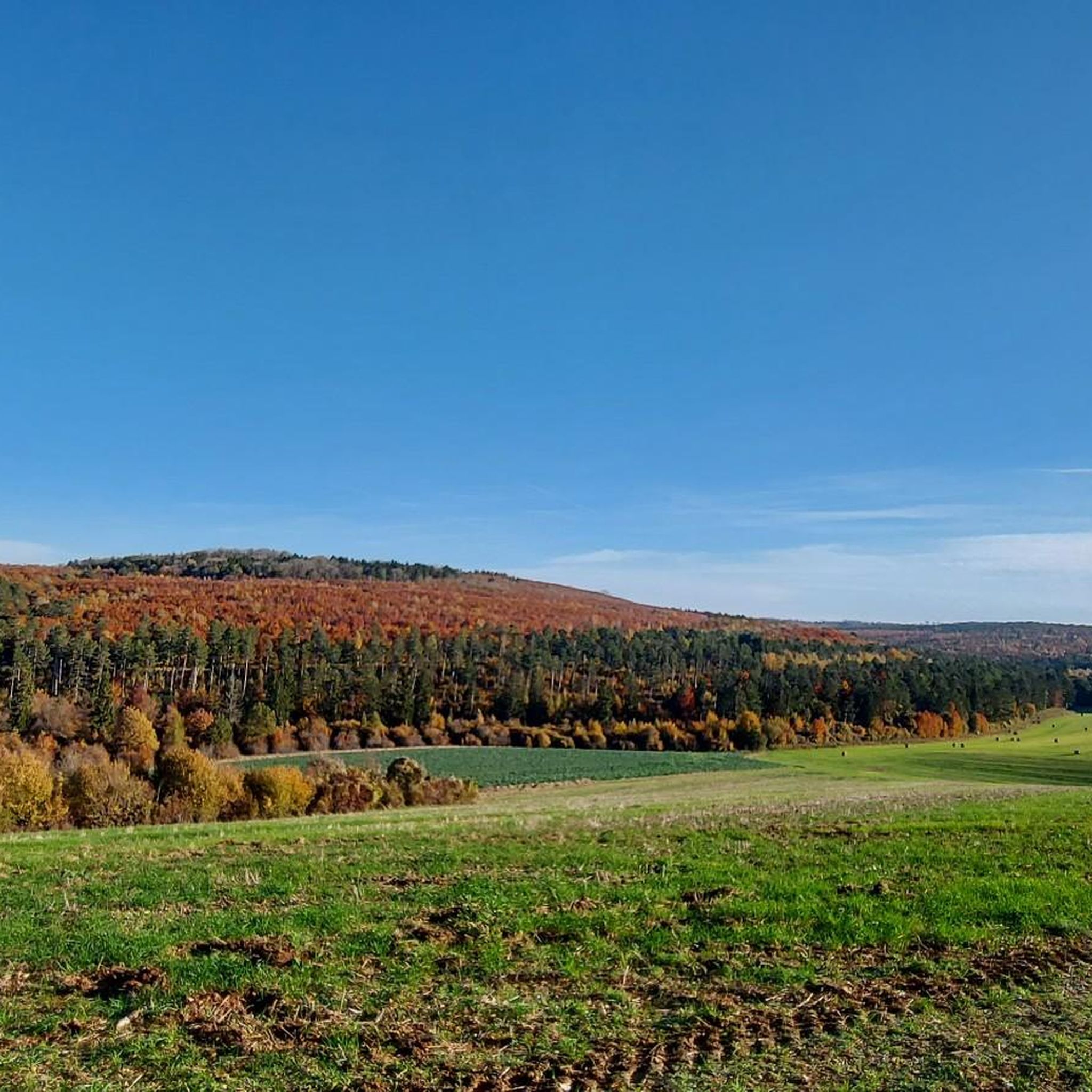
Regnéville-sur-Meuse is nestled within the Meuse river basin, offering beautiful natural landscapes. The Meuse River itself is a prominent feature, and the commune is part of a significant Natura 2000 site, highlighting its ecological importance. You can find an orientation table on a hiking trail offering panoramic views of the Meuse valley. The nearby Mort-Homme monument area is also known for its natural setting and a heronry.
What outdoor activities are available near Regnéville-sur-Meuse?
The area around Regnéville-sur-Meuse is excellent for various outdoor activities. You can find numerous routes for running, road cycling, and mountain biking. These routes often take you through historical landscapes and along the Meuse River, offering a blend of nature and history.
Are there hiking trails suitable for different skill levels near these attractions?
Yes, the region offers a variety of trails. While specific hiking guide data isn't provided, the presence of running, cycling, and MTB routes suggests a network of paths. You can find routes with varying difficulty grades, from easy to difficult, allowing you to choose trails that match your fitness level and experience. Many trails offer views of the Meuse valley and pass by historical sites.
Are there family-friendly attractions in the area?
Several historical sites around Regnéville-sur-Meuse are considered family-friendly, offering educational experiences. The Douaumont Ossuary and the Verdun Memorial provide immersive insights into World War I history, suitable for older children and teenagers. The Monument to Muslim Soldiers is also accessible for families.
What is the best time of year to visit Regnéville-sur-Meuse for outdoor activities?
The spring and autumn months generally offer the most pleasant weather for outdoor activities like hiking, running, and cycling, with milder temperatures and beautiful scenery. Summer can also be enjoyable, though it may be warmer. Winter can be cold, but the historical sites remain accessible, and the landscape can offer a different, stark beauty.
Can I learn about the impact of WWI on the local villages?
Absolutely. Regnéville-sur-Meuse itself was completely destroyed during World War I and rebuilt between 1921 and 1933. Visiting sites like Fleury-devant-Douaumont, a former village that was obliterated and never rebuilt, provides a profound understanding of the war's devastating impact on the local communities and landscape. The reconstruction efforts in Regnéville-sur-Meuse also tell a story of resilience.
Are there good viewpoints to appreciate the landscape around Regnéville-sur-Meuse?
Yes, you can find excellent viewpoints in the area. An orientation table on a hiking trail near the commune offers beautiful views of the Meuse valley, which is nestled within a meander of the river. Additionally, the Bell Tower of the Douaumont Ossuary provides a deeply impressive view of the surrounding battlefield, now largely overgrown with trees, and the vast cemetery.
What do visitors enjoy most about the attractions near Regnéville-sur-Meuse?
Visitors are deeply moved by the historical significance of the World War I sites. They appreciate the profound experience of places like the Douaumont Ossuary, often describing it as a powerful memorial against all wars. The visible bomb craters at Fleury-devant-Douaumont leave a lasting impression, illustrating the madness of destruction. The comprehensive and immersive experience at the Verdun Memorial is also highly valued for its educational insights into the conflict.
Is the area around Regnéville-sur-Meuse suitable for dog-friendly walks?
While specific dog-friendly information for Regnéville-sur-Meuse isn't detailed, many natural areas and outdoor trails in France are generally accessible for dogs, provided they are kept on a leash. Given the region's focus on natural features like the Meuse River and valley, it's likely you'll find suitable paths for walks with your dog, especially on the numerous running and cycling routes available.
Most popular routes around Regnéville-Sur-Meuse

Get inspired with the komoot mobile app


Explore more
Still not found the Highlight you’re looking for? See guides of the top attractions in other regions:
