Top 4 Castles around Thonne-La-Long
Best castles around Thonne-La-Long are found in the surrounding area, which features notable historical fortifications and châteaux. This region offers picturesque views of rolling fields and forests, providing a natural setting for historical exploration. The area's history includes significant residences and military strongholds. Visitors can explore a range of sites, from well-preserved military architecture to historic fortified houses and atmospheric ruins.
Best castles around Thonne-La-Long
- The most popular castles is View of the Abbey's castle, a viewpoint that reflects…
Last updated: October 18, 2026
View of the Abbey's castle
Highlight • Viewpoint
Translated by Google •
Tip by

Citadel of Montmédy
Highlight • Settlement
Translated by Google •
Tip by

Sign up now to discover places like this
Get recommendations on the best single tracks, peaks, & plenty of other exciting outdoor places.
Ruins of Montquintin Castle
Highlight • Castle
Translated by Google •
Tip by

Château de la Grande Flassigny
Highlight • Castle
Translated by Google •
Tip by

Start today with a free account
Your next adventure awaits.

Tips from the Community

You can walk all the way around the ramparts. We found it unique and impressive. The museum was also interesting.
0
0

The current castle is very recent. It was built in 1960 at the request of the owners, the Otreppe de Bouvette family, based on plans by architect Emile Godin. The previous castle was severely damaged in both world wars and fell into disrepair.
10
0

Magnificent citadel to visit absolutely!
0
0

The remains of Montquintin Castle stand on a ridge overlooking the Ton valley. The once feudal castle was built on the orders of Louis II, Count of Chiny. After a turbulent history, the castle fell victim to a fire in 1869. Since then, it has stood as a ruin high above the Ton river valley.
0
0

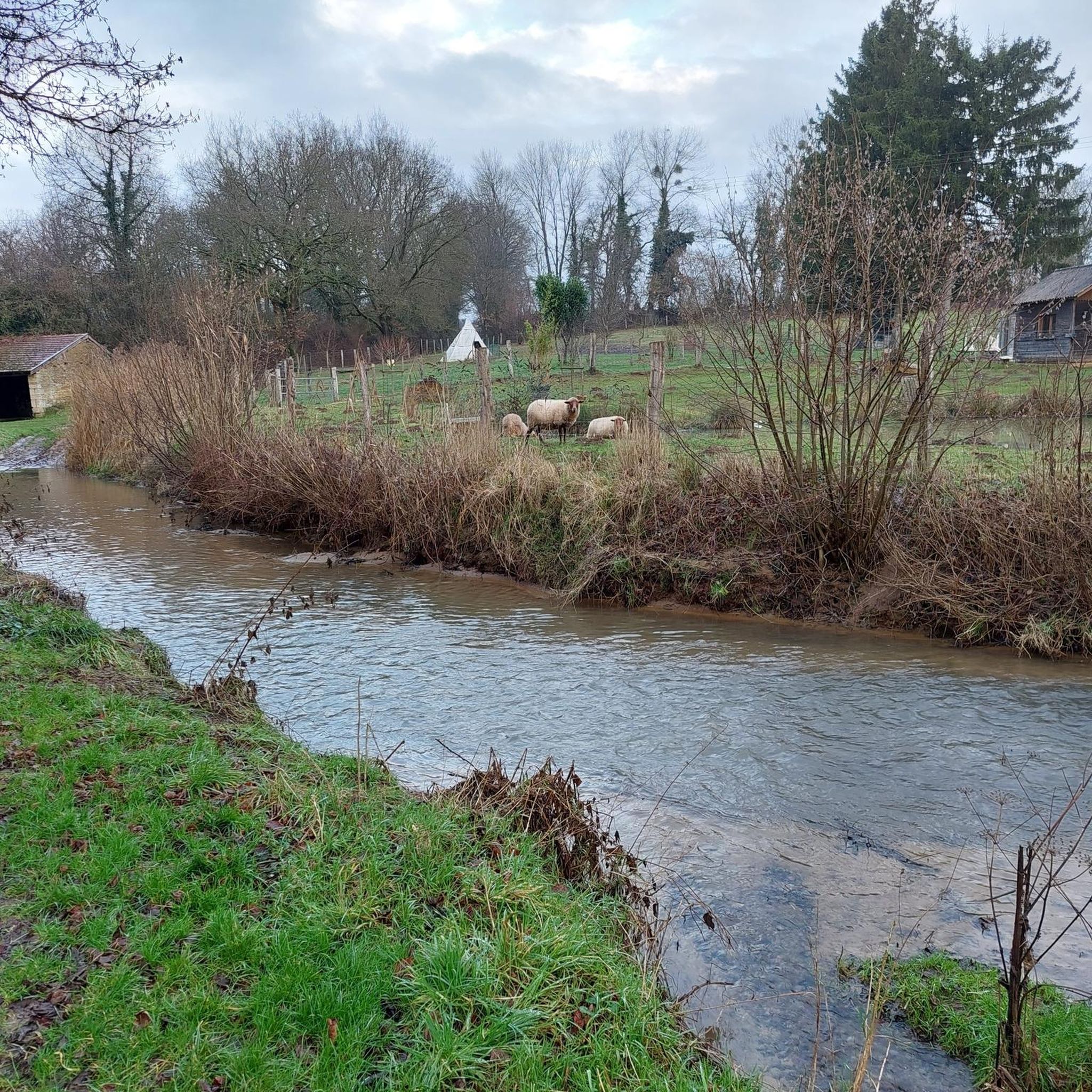
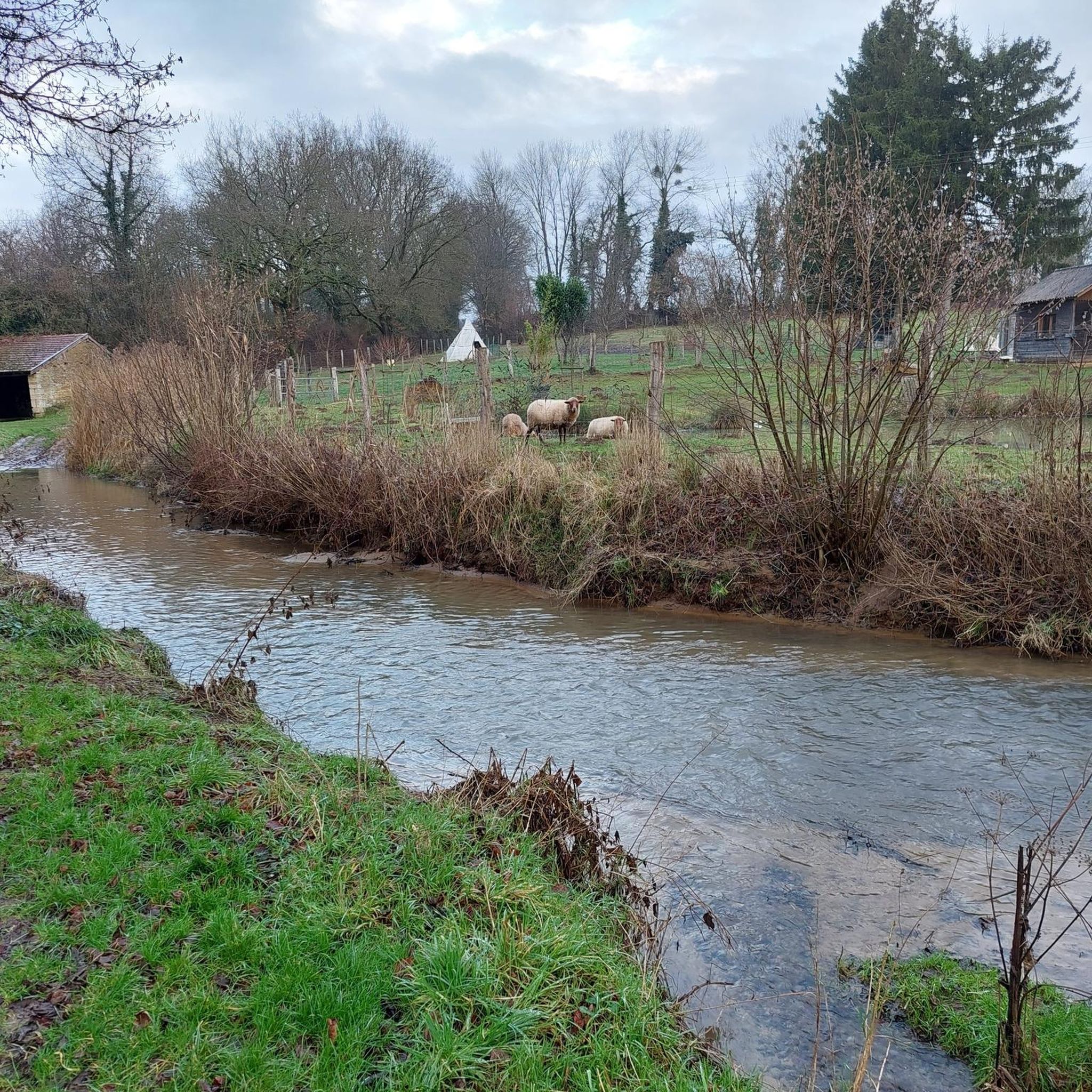
Beautiful view of the small castle near Orval Abbey.
4
0

The ruins of this ancient feudal castle are impressive. They dominate the Ton valley and are currently the subject of a program of archaeological excavations.
0
0
This ancient feudal castle is now a ruin, but it has retained its undeniable charm. Located on a hill overlooking the Ton valley, it is the subject of a restoration program and archaeological excavations.
0
0

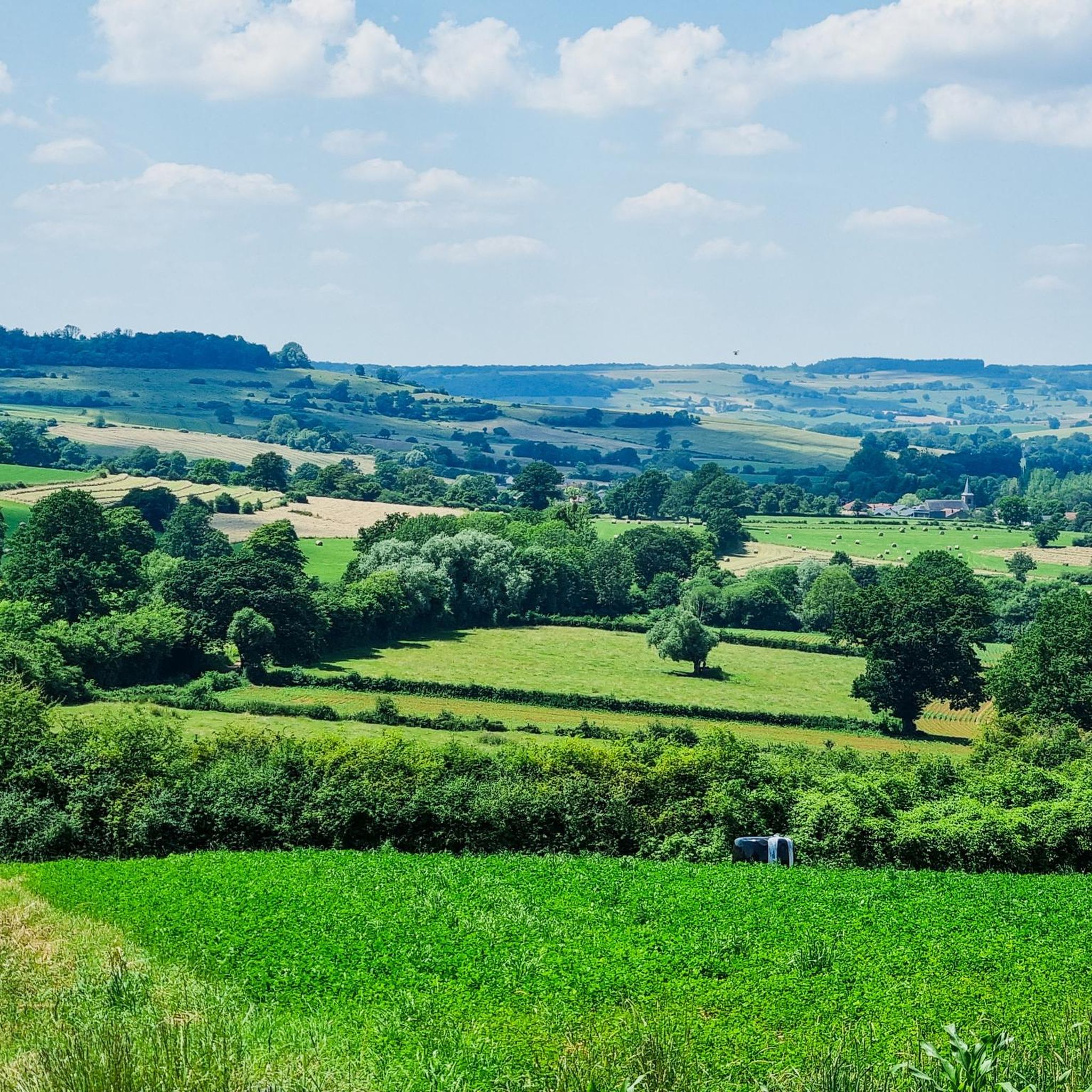
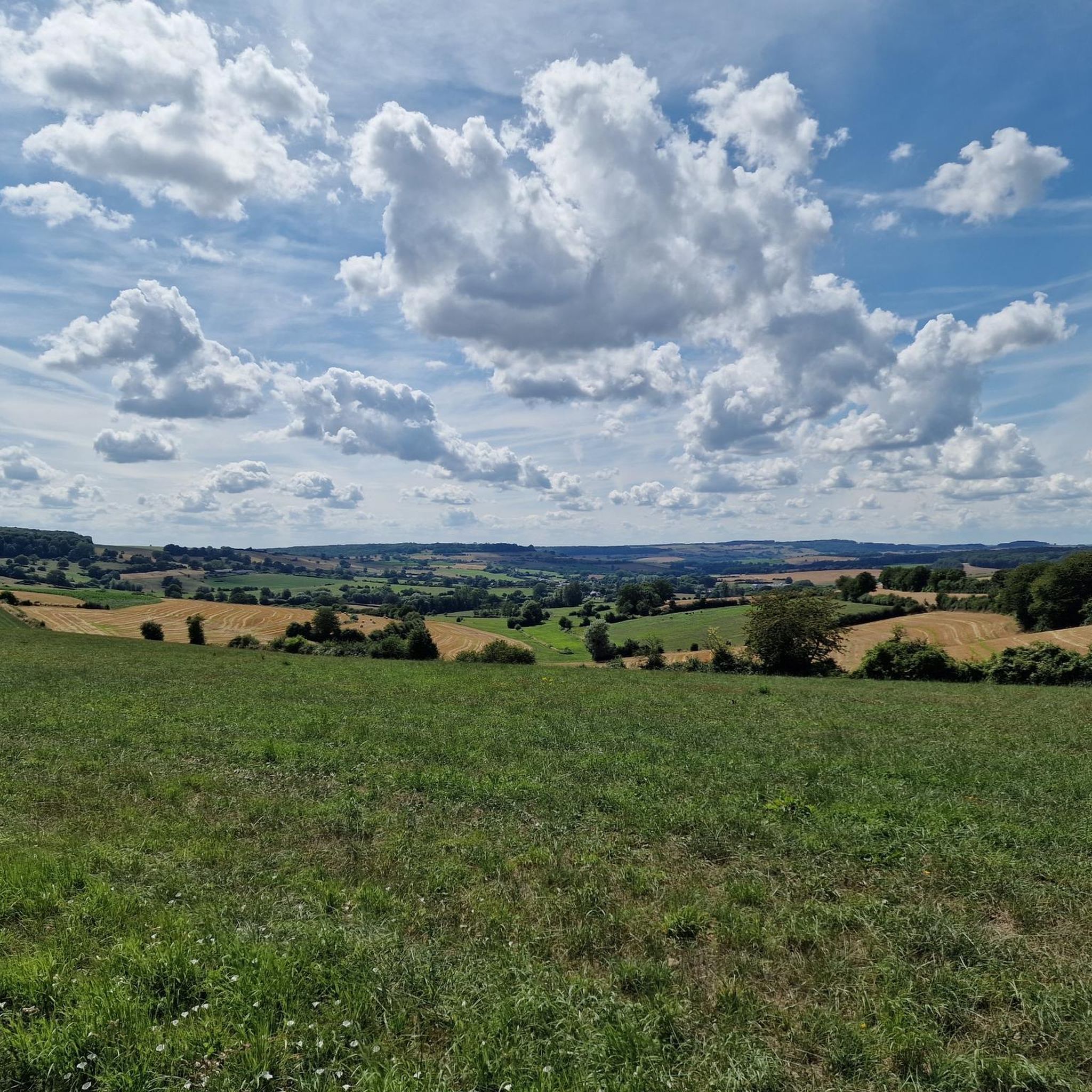
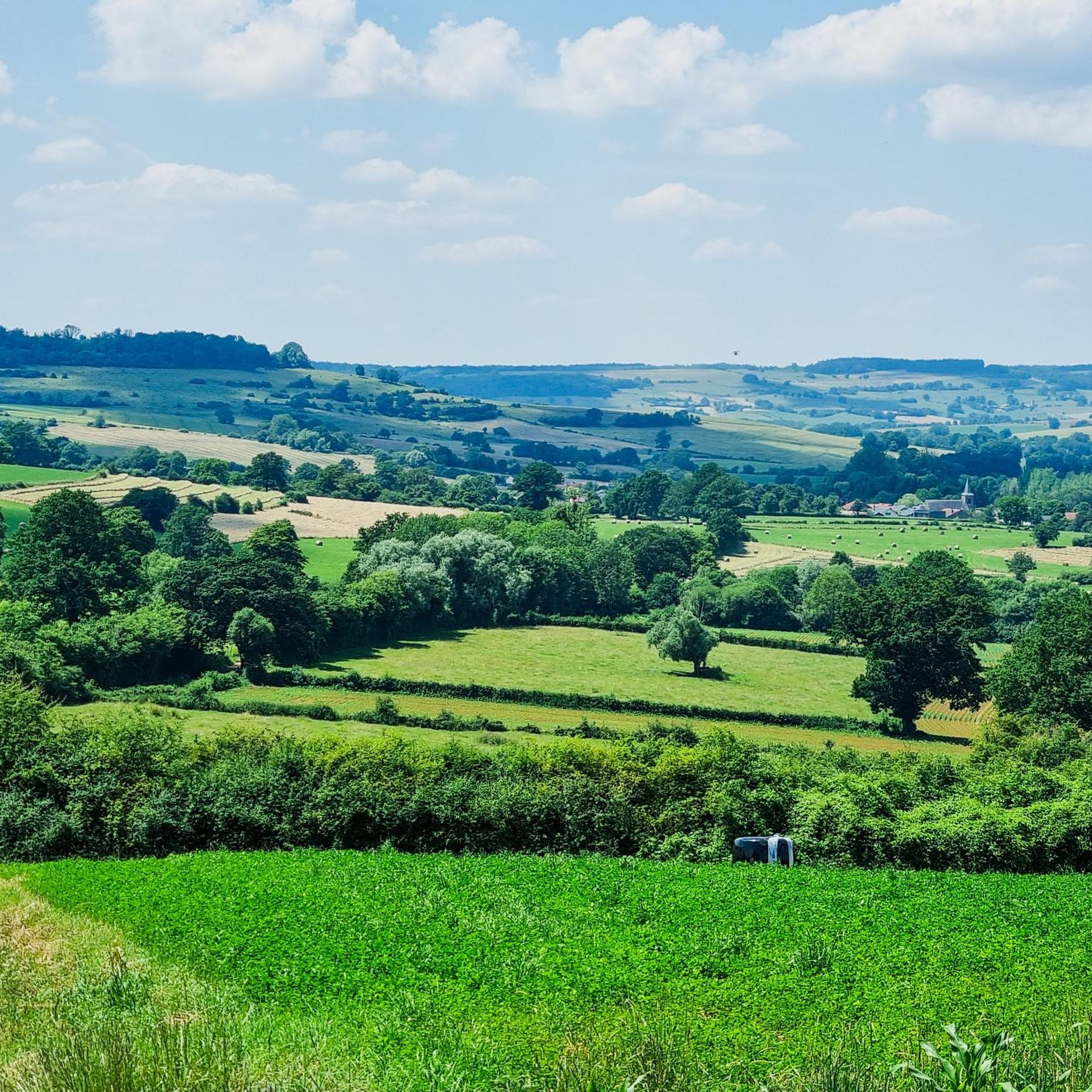
The Château de la Grande Flassigny is a fortified house built in 1572. This impressive building boasts a rich history and architecture, with original features such as wooden ceilings, stone fireplaces, and a conical roof. You can explore the surrounding area of the castle, which is part of the rural village of Flassigny, and enjoy the views of rolling fields and forests.
3
0
Frequently Asked Questions
Which castles offer the best historical insights around Thonne-La-Long?
For deep historical insights, the Citadel of Montmédy is highly recommended. It's a well-preserved military fortress significantly improved by Vauban, offering a glimpse into centuries of defensive architecture and warfare. The Château de la Grande Flassigny, a fortified house from 1572, also provides rich historical context with its original features.
Are there any well-preserved military fortifications to visit?
Yes, the Citadel of Montmédy is an excellent example of a well-preserved military fortification. It features characteristic star-shaped defensive walls designed by Vauban and offers expansive views from its ramparts. You can explore its history and the village within its walls.
What kind of architecture can I expect to see at these castles?
You'll find a range of architectural styles. The Citadel of Montmédy showcases impressive military architecture from the Middle Ages and 17th-century Vauban fortifications. The Château de la Grande Flassigny is a fortified house from 1572 with distinctive features like original wooden ceilings, stone fireplaces, and a conical roof. The View of the Abbey's castle, while modern, reflects a medieval aesthetic.
Are there any castle ruins that are worth exploring for their views?
Absolutely. The Ruins of Montquintin Castle are a must-see. Located on a hill overlooking the Ton river valley, these ancient feudal castle ruins offer scenic views and a glimpse into medieval history, despite being damaged by fire in 1869.
Are the castles around Thonne-La-Long suitable for families?
Many of the sites are family-friendly. The Citadel of Montmédy offers rampart walks and museums that can engage children. The View of the Abbey's castle, with its pond and wildlife, is also a pleasant spot for families.
Can I visit these castles with my dog?
While specific dog policies vary by site, outdoor areas like the ramparts of the Citadel of Montmédy and the grounds around the Ruins of Montquintin Castle are generally more accommodating for dogs on a leash. It's always best to check individual site regulations before your visit, especially for indoor areas.
What is the best time of year to visit the castles near Thonne-La-Long?
The spring and autumn months are generally ideal for visiting, offering pleasant weather for exploring outdoor sites like ramparts and castle grounds. The natural settings, with rolling fields and forests, are particularly picturesque during these seasons. Summer can also be enjoyable, but be prepared for warmer temperatures.
How long should I plan for a visit to these castles?
For a comprehensive visit to a major site like the Citadel of Montmédy, including walking the ramparts and visiting museums, plan for 2-3 hours. Smaller sites or ruins like Montquintin Castle might take 1-2 hours. If you plan to visit multiple locations, consider dedicating a full day or more.
Are there hiking or cycling routes near the castles?
Yes, the region offers various outdoor activities. For cycling, you can find routes like the 'Basilica of Our Lady of Avioth – Citadel of Montmédy loop' near the Citadel of Montmédy. For gravel biking, there's the 'Orval Abbey – View of the Abbey's castle loop' near the Château d'Orval. You can explore more options in the Cycling around Thonne-La-Long, Gravel biking around Thonne-La-Long, and MTB Trails around Thonne-La-Long guides.
What natural scenery can I enjoy around the castles?
The castles are set amidst beautiful natural landscapes. The Château de la Grande Flassigny is surrounded by picturesque rolling fields and forests. The Ruins of Montquintin Castle offer commanding views over the Ton river valley. The View of the Abbey's castle features a pond frequented by swans, ducks, and moorhens, creating a serene natural setting.
Are there places to eat or stay near the castles?
Yes, the towns and villages surrounding these castles, such as Montmédy (near the Citadel of Montmédy) and areas near Orval Abbey (close to the Château d'Orval), offer various options for accommodation, cafes, and restaurants. Flassigny, where the Château de la Grande Flassigny is located, is a rural village with nearby amenities.
Are there any lesser-known or 'hidden gem' castles in the region?
While the main highlights are well-known, exploring the rural village of Flassigny around the Château de la Grande Flassigny can feel like discovering a hidden gem due to its tranquil setting. The historical context of the vanished castles in Thonne-les-Prés also hints at a rich, less-explored past in the immediate vicinity.
Most popular routes around Thonne-La-Long
Most popular attractions around Thonne-La-Long

Get inspired with the komoot mobile app


Explore more
Looking for the best castles somewhere else? Discover other guides around Thonne-La-Long:
