Attractions and Places To See around Le Tilleul - Top 20
Best attractions and places to see around Le Tilleul are primarily centered on its dramatic coastal landscapes and historical sites in the Seine-Maritime department of Normandy. This commune is known for its impressive cliffs, which are part of the larger Côte d'Albâtre, reaching up to 100 meters high. The area offers a blend of natural wonders and cultural points of interest, including proximity to the famous chalk cliffs of Étretat.
Best attractions and places to see around Le Tilleul
- The…
Last updated: October 9, 2026
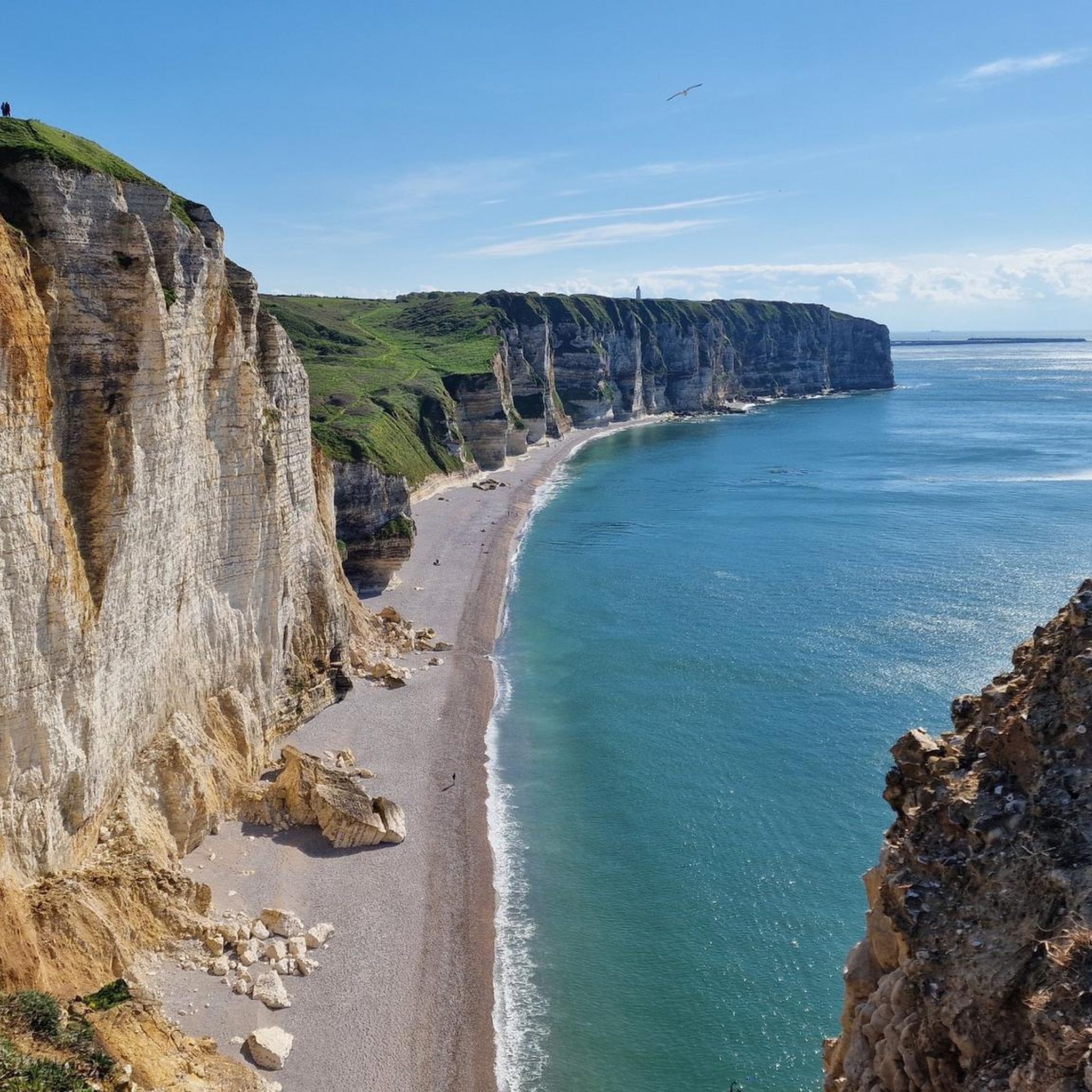
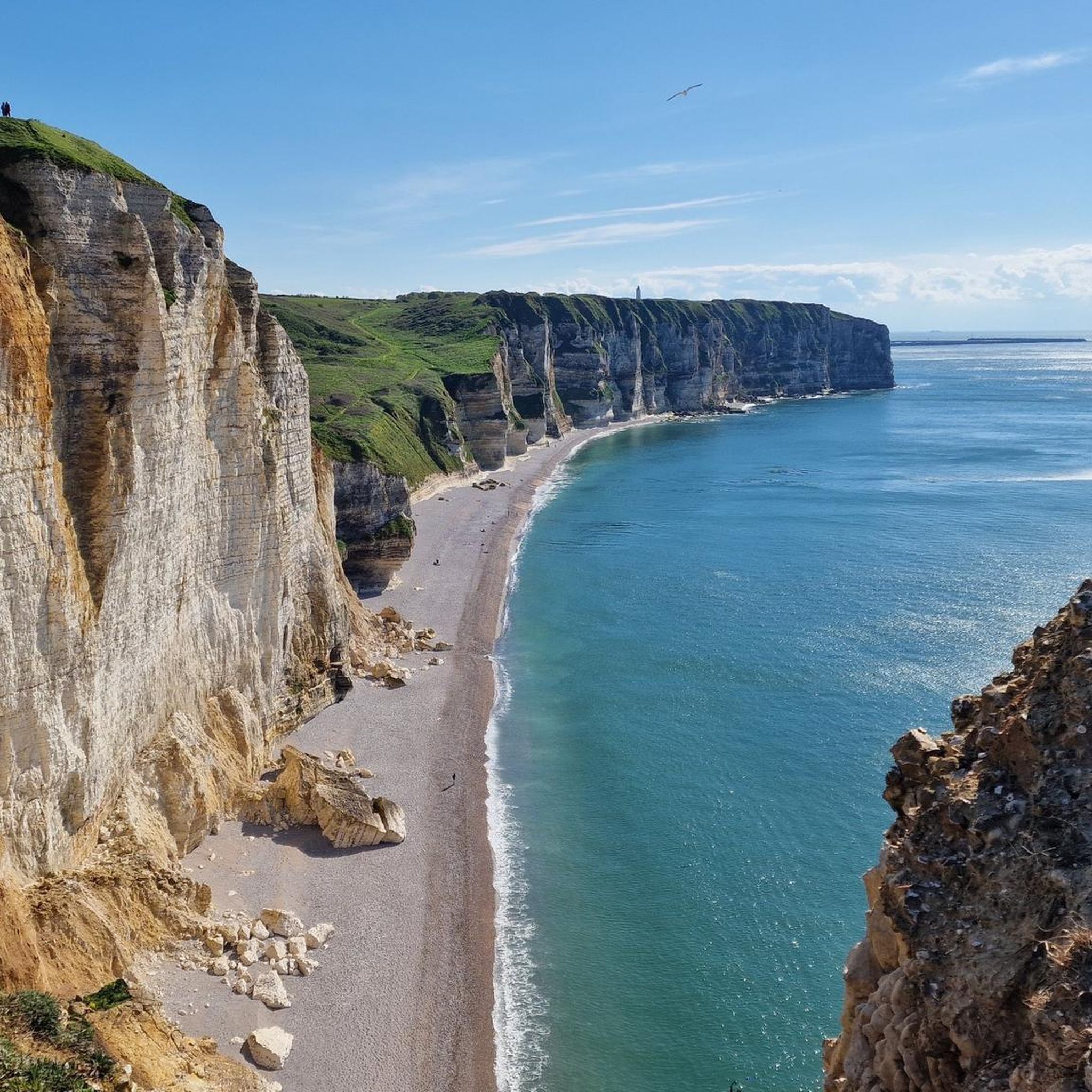
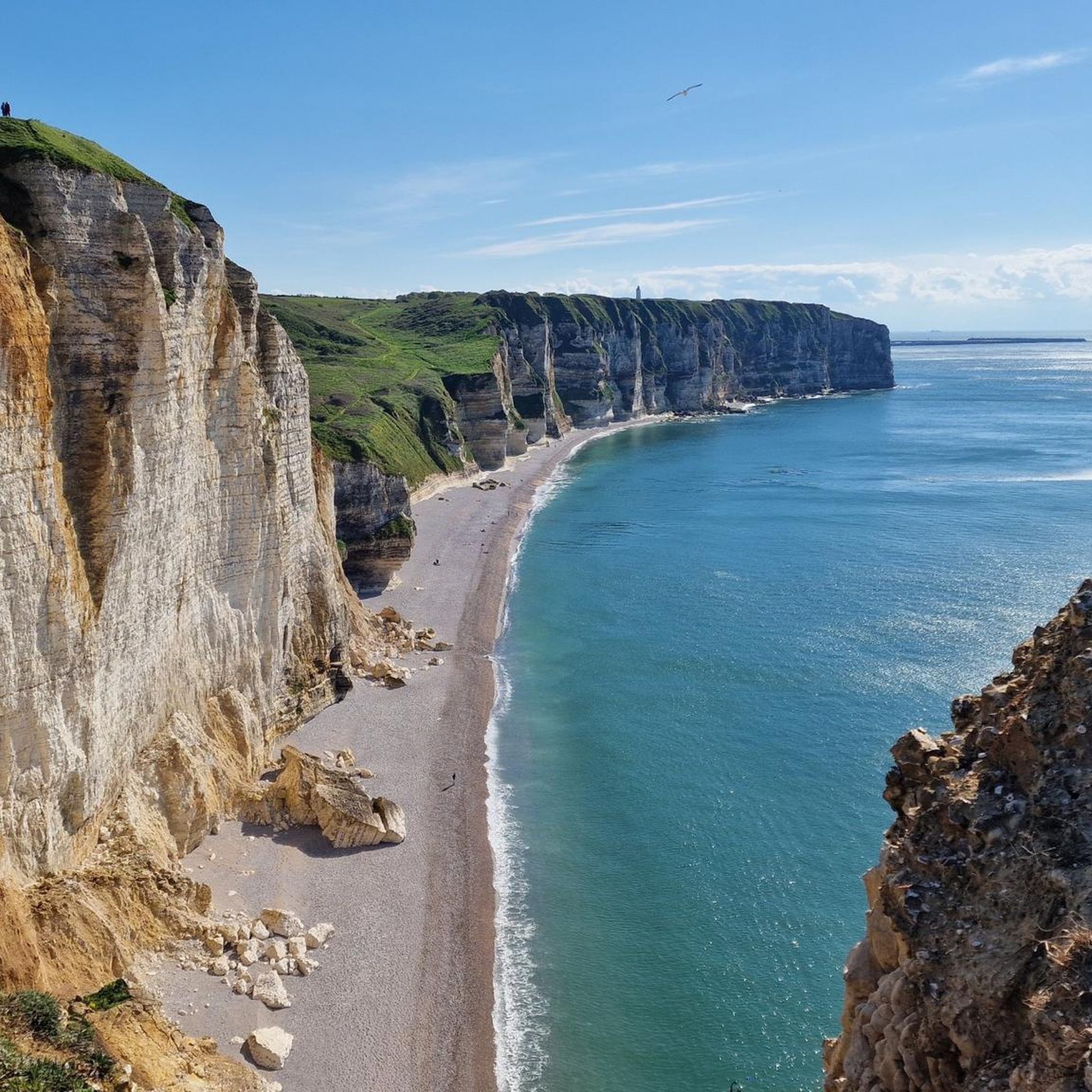
Porte d'Aval Arch (Étretat)
Highlight • Natural Monument
Translated by Google •
Tip by

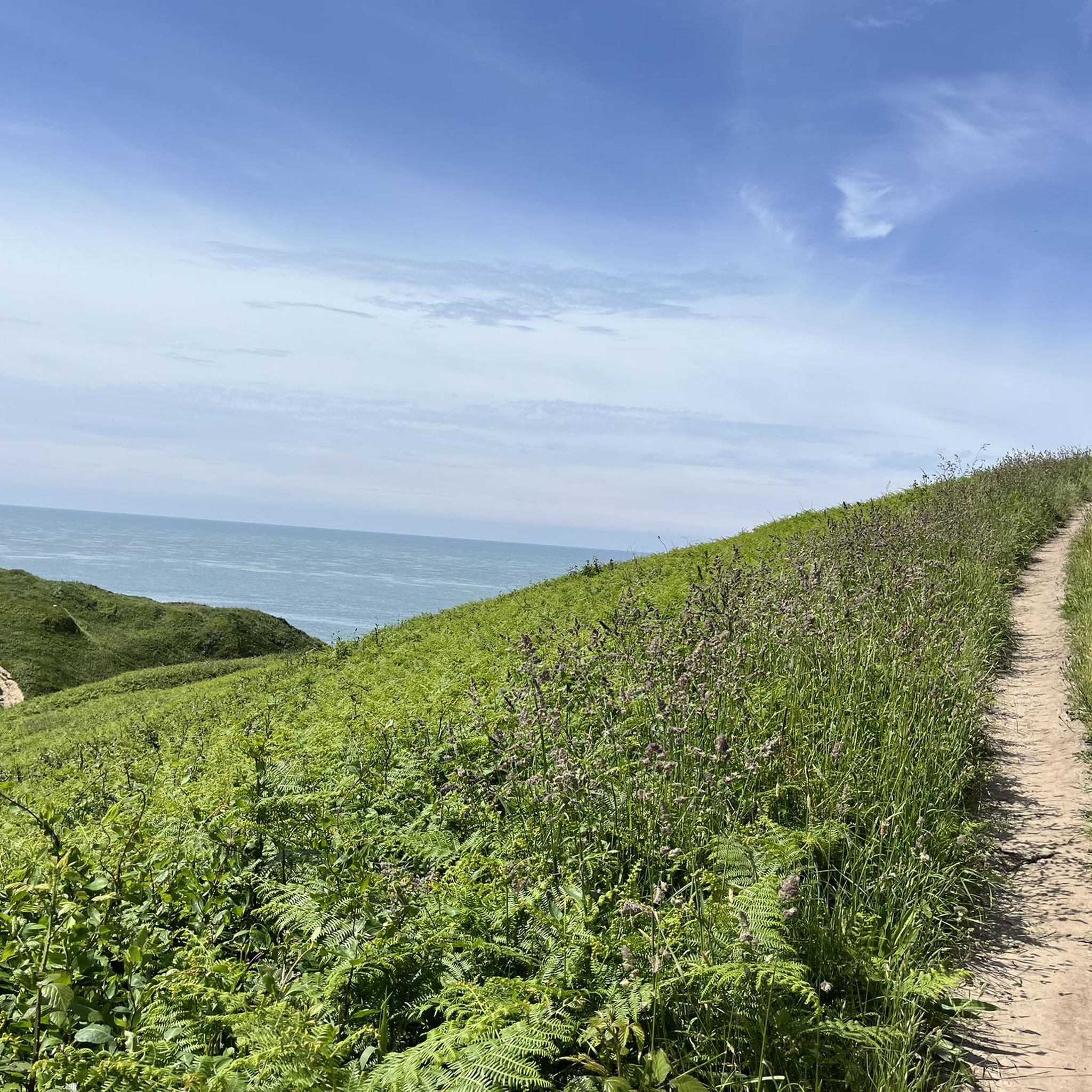
Pointe de la Courtine Viewpoint
Highlight • Viewpoint
The Pointe de la Courtine is a rocky outcrop from which you can see the white chalk …
Translated by Google •
Tip by

Sign up now to discover places like this
Get recommendations on the best single tracks, peaks, & plenty of other exciting outdoor places.
Étretat
Highlight • Settlement
Translated by Google •
Tip by

Splendid view of Étretat
Highlight • Other
Translated by Google •
Tip by

Étretat to Vattetot-sur-Mer Coastal Path
Highlight (Segment) • Trail
Translated by Google •
Tip by
Sign up for free to discover even more attractions around Le Tilleul.
Already have an account?
Start today with a free account
Your next adventure awaits.

Tips from the Community

Many painters, including Monet, have immortalized these natural beauties.
5
0


The cliffs are simply a dream. A highlight of a holiday in Normandy. I highly recommend a hike right along the cliffs. There's something for everyone, whether it's a short or long hike.
0
0
The cliffs are simply a dream. A highlight of a holiday in Normandy. I highly recommend a hike right along the cliffs. There's something for everyone, whether it's a short or long hike.
1
0

From up here, you have a beautiful view of Étretat and the cliffs. However, there are many tourists here, especially in the afternoon.
0
0


What a view. The climb was worth it, even though there were a lot of visitors up there.
5
0
This is probably one of the most popular motifs for photography and painting. It's amazing what nature creates.
9
0
Frequently Asked Questions
What natural wonders can I explore near Le Tilleul?
Le Tilleul is renowned for its dramatic coastal landscapes. The most prominent natural features are the impressive chalk cliffs, part of the larger Côte d'Albâtre. You can visit the famous Cliffs of Étretat, which include striking formations like the Porte d'Aval Arch and the towering 'Needle'. These cliffs, reaching up to 100 meters high, have been shaped by the sea and offer breathtaking views.
Are there good hiking opportunities around Le Tilleul?
Yes, the area around Le Tilleul offers excellent hiking opportunities, particularly along the coast. You can find various trails, including routes like the "View of the Alabaster Coast – Cliffs of Étretat loop from Le Tilleul" which is a moderate 15.8 km hike. For more options and detailed routes, explore the Hiking around Le Tilleul guide.
What are the best viewpoints to experience the coastal scenery?
For stunning coastal views, head to the Impressive (or impressionistic!) view of La Manneporte, which offers superb vistas of the Étretat cliffs. Another highly recommended spot is the Pointe de la Courtine Viewpoint, providing magnificent panoramic views over the Alabaster Coast and the sea.
How long does it take to hike to the Étretat cliffs from Le Tilleul?
Hiking times can vary depending on your starting point and pace. For example, a moderate route like the "View of the Alabaster Coast – Cliffs of Étretat loop from Le Tilleul" covers approximately 15.8 km. Shorter, easier routes are also available, such as the "Splendid view of Étretat – View of the Cliffs of Étretat loop from Étretat," which is about 5.5 km. You can find more details on specific routes in the Hiking around Le Tilleul guide.
Are there any historical sites to visit in Le Tilleul or nearby?
Within Le Tilleul itself, you can visit the historic Church of St. Martin, which dates back to the fifteenth century. Nearby, the eighteenth-century Château de Fréfossé is another significant historical site. The town of Étretat, while famous for its cliffs, also has a charming atmosphere and historical connections.
What kind of cycling routes are available around Le Tilleul?
The area around Le Tilleul offers a variety of cycling routes for different skill levels. You can find easy routes like the "Étretat – Cliffs of Étretat loop from Le Tilleul" (8.3 km) or more challenging ones such as the "Yport – Étretat loop from Le Tilleul" (32.9 km). Explore the Cycling around Le Tilleul guide for a comprehensive list of tours.
Are there family-friendly activities or attractions in the area?
The natural beauty of the Cliffs of Étretat and the town of Étretat itself are popular with families for walks and exploring the unique coastal formations. While specific family-focused attractions are not detailed, the general outdoor environment provides opportunities for scenic walks and beach visits suitable for all ages.
What do komoot users particularly enjoy about the attractions near Le Tilleul?
Komoot users highly appreciate the dramatic natural beauty of the area, particularly the chalk cliffs and the stunning coastal views. Many highlight the unforgettable experience of hiking along the cliffs and the unique geological formations like the Porte d'Aval Arch. The area's inspiration for artists like Monet is also a frequently mentioned point of interest.
When is the best time of year to visit Le Tilleul for outdoor activities?
The best time to visit Le Tilleul for outdoor activities, especially coastal walks and hiking, is typically during the spring (April to June) and early autumn (September to October). During these periods, the weather is generally milder and more pleasant for exploring, and the crowds are often smaller than in the peak summer months.
Are there options for running trails around Le Tilleul?
Yes, runners can find several trails around Le Tilleul. Routes vary in difficulty and length, such as the "Antifer Lighthouse – Courtine Point loop from Le Tilleul" (14.4 km, moderate) or the more challenging "Courtine Point – La Manneporte loop from Le Tilleul" (27.4 km). For a full selection of routes, consult the Running Trails around Le Tilleul guide.
Is it possible to access the beaches at the foot of the cliffs?
Yes, it is possible to access the beaches at the foot of the cliffs, particularly in places like Étretat. However, it's crucial to be aware of the tides. Some paths lead down to the beach, but visitors should always check tide times to ensure safety and avoid being cut off by the incoming water.
What is the nearest major town with additional attractions or amenities?
The nearby town of Étretat, just 3 km from Le Tilleul, is a popular destination offering a charming atmosphere, restaurants, and shops, in addition to its famous cliffs. Approximately 23 km away, Le Havre provides a larger urban experience, with its city center recognized as a UNESCO World Heritage site for its unique architecture.
Most popular routes around Le Tilleul
Most popular attractions around Le Tilleul

Get inspired with the komoot mobile app


Explore more
Still not found the Highlight you’re looking for? See guides of the top attractions in other regions:
