The best walks and hikes around Eix
4.6
(570)
2,847
hikers
292
hikes
Hiking around Eix offers routes through a landscape marked by historical significance, featuring gentle elevations and open areas. The region includes a mix of memorial sites and natural paths, providing varied terrain for exploration. Trails often traverse former battlefields and wooded sections, characteristic of the local environment.
Best hiking trails around Eix
- The most popular hiking route is Fort Douaumont – Douaumont Ossuary loop from Fleury-devant-Douaumont, a 8.6 miles (13.8 km) trail that takes 3 hours 45 minutes to…
Last updated: October 8, 2026
4.8
(17)
58
hikers
Moderate hike. Great for any fitness level. Mostly accessible paths. Sure-footedness required.
4.5
(2)
17
hikers
3.51km
00:58
50m
50m
Moderate hike. Great for any fitness level. Mostly accessible paths. Sure-footedness required.

5.0
(1)
9
hikers
4.87km
01:18
50m
50m
Easy hike. Great for any fitness level. Easily-accessible paths. Suitable for all skill levels.
2
hikers
8.21km
02:16
140m
140m
Moderate hike. Good fitness required. Easily-accessible paths. Suitable for all skill levels.
5.0
(1)
7
hikers
Moderate hike. Great for any fitness level. Mostly accessible paths. Sure-footedness required.
Get access to more routes and recommendations from other explorers.
Already have an account?
Our route recommendations are based on thousands of hikes, rides, and runs completed by other people on komoot.
Start today with a free account
Your next adventure awaits.

Tips from the Community

A very beautiful and interesting monument.
2
0

The Lion of Souville Symbol of resistance at the gates of Verdun; This impressive monument, unveiled on 1 October 1922, stands on the site of the former Sainte-Fine chapel and commemorates the fallen of the 130th French Infantry Division. Designed by animal sculptor and veteran René Paris, the statue depicts a dying Bavarian lion – a powerful allegory for the defeat of the German troops and the heroic French defence during the Battle of Verdun. On 23 June 1916, the German attacks reached their peak at Fort de Souville, the last obstacle to the fall of Verdun. Thanks to the courage of a small French garrison led by Lieutenant Dupuy, the fort remained in French hands. The lion marks the extreme point of the German advance – the “last gate” to Verdun remained closed.
8
1
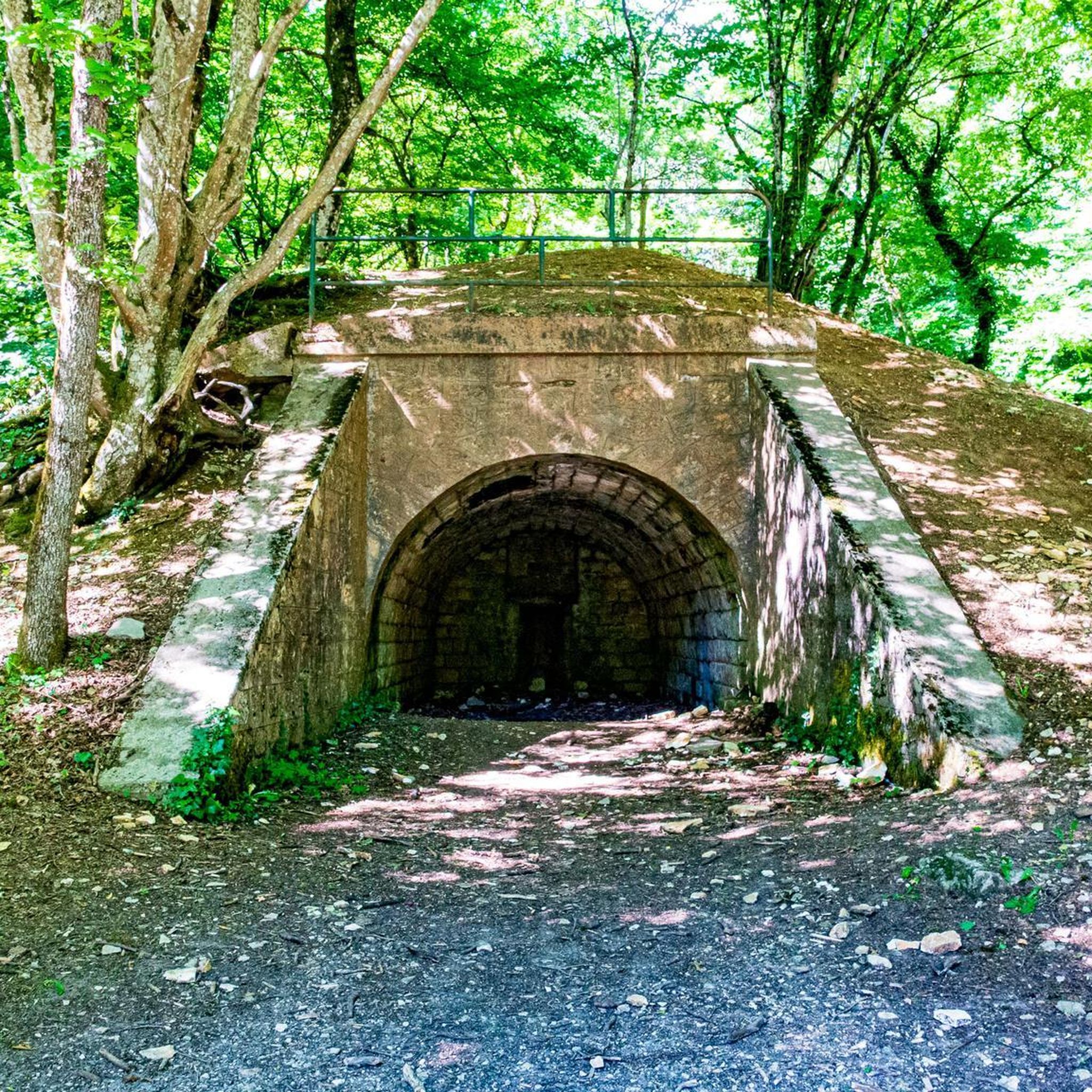
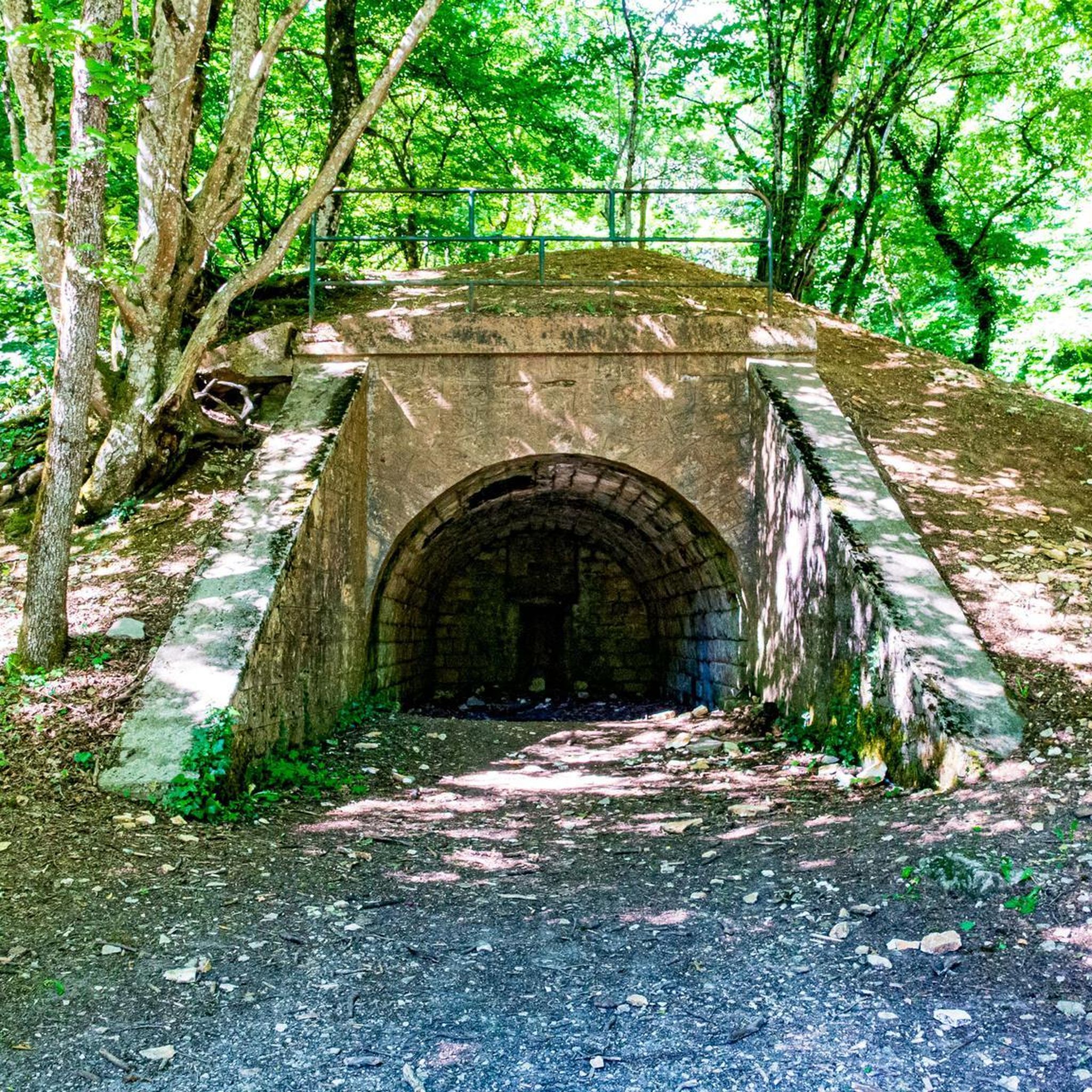
Built in 1881 above the Tunnel de Tavannes to reinforce the inner defensive belt of Verdun. The battery had three firing platforms and a traverse shelter, and was originally armed with two 220 mm mortars and one 22 cm smoothbore mortar. In 1900 it was disarmed and reused during the Battle of Verdun (1916) as an ammunition depot and shelter for troops. The traverse shelter is the best preserved element visible today.
9
0
Casemate Pamart – Fort de Souville This concrete machine gun bunker was built in 1917 to reinforce the defences of Fort de Souville. Designed by Commandant Pamart, the Casemate offered an easy-to-install alternative to traditional gun turrets. Equipped with two Hotchkiss machine guns, it has a field of fire of 160°, with 14 cm of armour. Its compact size and robustness made it particularly suitable for use in the heavily damaged terrain around Verdun.
2
0
Built between 1876 and 1879 as part of the defensive belt around Verdun. The fort played a crucial role during the Battle of Verdun (1916), especially in July when German troops almost took it. Strategically located on a hill, it offered a view of the Meuse valley and was connected to other forts by telephone lines. The fort contained an underground shelter (abri sous roc) and a Bussière tower with a 155 mm gun. Despite heavy shelling, it remained in French hands and became a symbol of steadfastness.
8
0

The French 155mm artillery piece displayed in front of the entrance to the Verdun Memorial museum is the eye-catcher of the welcome.
1
0
At this location you will find ruins of Batterie de l'Hôpital. Site is to be entered at your own risk.
4
0
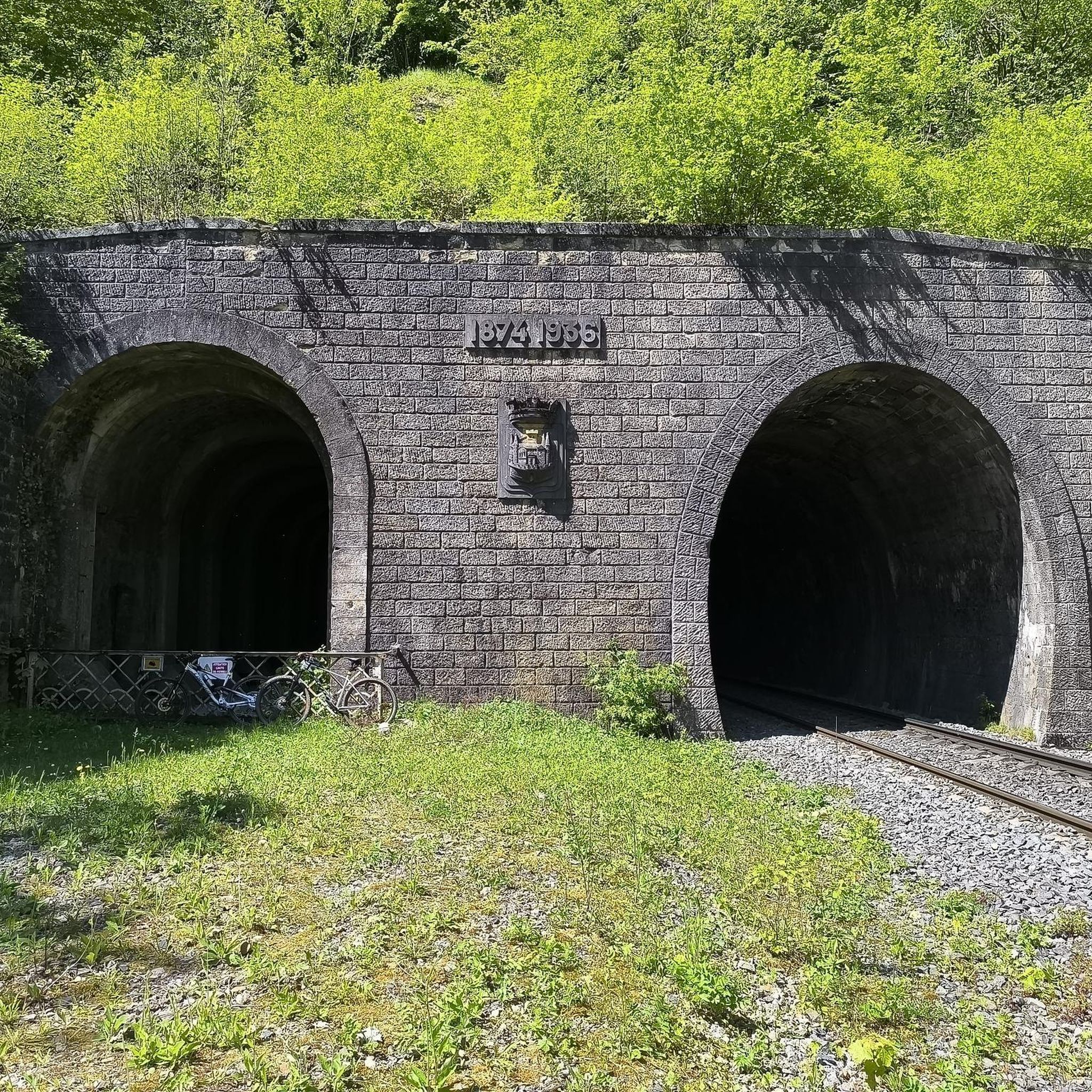
A special location that is forbidden to enter. You can only take a look into the tunnel complex at the first meters.
3
0
Frequently Asked Questions
How many hiking trails are available in Eix?
Eix offers a wide selection of over 270 hiking trails. These routes cater to various preferences, with a good balance of easy, moderate, and a few more challenging options.
What kind of terrain can I expect on hikes around Eix?
The hiking trails in Eix are characterized by a landscape of historical significance, featuring gentle elevations and open areas. You'll often traverse former battlefields and wooded sections, providing varied terrain that is generally accessible.
Are there easy hiking trails suitable for beginners or casual walkers in Eix?
Yes, Eix is very welcoming for beginners and casual walkers, with over 140 easy routes. An example is the Louis Boutard Cenotaph – Henri Waechter Memorial loop from Douaumont-Vaux, which is 2.1 miles (3.4 km) and takes about an hour.
Can I find more challenging hikes in the Eix region?
While Eix is known for its gentle terrain, there are a few more challenging routes available for those seeking a greater test. The region features 8 difficult trails, offering longer distances and more significant elevation changes compared to the easier options.
Are the hiking trails in Eix suitable for families with children?
Many trails in Eix are suitable for families, especially the numerous easy and moderate routes with gentle elevations. The historical context can also be engaging for older children. Consider routes like the Dragées Braquier Shop loop from Verdun, which is an easy 4.2-mile (6.8 km) trail.
Can I bring my dog on the hiking trails around Eix?
Generally, dogs are welcome on most hiking trails in Eix. It's always best to keep them on a leash, especially in areas with historical significance, near wildlife, or when passing through populated zones. Please ensure you clean up after your pet.
What are some notable historical sites or landmarks to see while hiking in Eix?
Eix is rich in historical landmarks. Many trails lead past significant sites such as the Douaumont Ossuary, the Verdun Memorial, and various monuments dedicated to the soldiers of Verdun. The region's history is deeply intertwined with its landscape.
Are there any caves or shelters to explore near the hiking routes?
Yes, the Eix region has several historical caves and shelters that can be explored. Notable examples include the Abri DV3 (Fort de Vaux Shelter), the Douaumont Cave Shelter, and the Gibet Caves, offering a glimpse into the area's past.
What is the best time of year to go hiking in Eix?
The best time to hike in Eix is typically from spring through autumn (April to October), when the weather is mild and the trails are dry. This period offers pleasant conditions for exploring both the natural beauty and historical sites. Summer can be warm, so early morning or late afternoon hikes are recommended.
Are there options for hiking in Eix during winter?
Winter hiking in Eix is possible, especially on the less challenging routes. The landscape can be quite atmospheric with frost or light snow, offering a different perspective on the historical sites. Always check local weather conditions and trail accessibility before heading out, and dress appropriately for cold weather.
What do other hikers enjoy the most about hiking in Eix?
The area is highly rated by the komoot community, with an average score of 4.5 stars from over 400 reviews. Reviewers often praise the unique combination of historical significance and natural paths, highlighting the well-maintained trails and the poignant atmosphere of the memorial sites.
Are there many circular hiking routes in Eix?
Yes, many of the hiking routes in Eix are designed as circular loops, making them convenient for day trips. This allows you to start and end your hike at the same point, often near parking facilities or public transport connections. For example, the The Lion of Souville – Small gallery loop from Fleury-devant-Douaumont is a popular circular option.
Most popular attractions around Eix

Get inspired with the komoot mobile app


Explore more
Browse the best Hikes in other regions.
