Attractions and Places To See around Vignot - Top 20
Best attractions and places to see around Vignot, France, offer a diverse range of experiences in the Meuse region. This area is characterized by its historical significance, particularly related to World War I, with numerous sites preserving the memory of past conflicts. Beyond its historical landmarks, Vignot features natural landscapes including forests and waterways, providing opportunities for outdoor exploration. The region combines cultural heritage with accessible natural beauty, making it a compelling destination for visitors.
Best attractions and places to…
Last updated: June 22, 2026
Trench of Thirst and Ailly Wood
Highlight • Historical Site
Translated by Google •
Tip by

Redoutes Cross Memorial
Highlight • Monument
Translated by Google •
Tip by

Sign up now to discover places like this
Get recommendations on the best single tracks, peaks, & plenty of other exciting outdoor places.
Sign up for free
Saint Peter and Saint Paul Church of Euville
Highlight • Religious Site
Translated by Google •
Tip by

The Roman Camp.
Highlight • Monument
Translated by Google •
Tip by

Meuse Canal
Highlight • Other
Translated by Google •
Tip by
Sign up for free to discover even more attractions around Vignot.
Sign up for free
Already have an account?
Start today with a free account
Your next adventure awaits.
Login or Signup



Tips from the Community

Very long front lines of trenches; today, the forest has grown back on the other side. During the war, not a single tree remained. It was very impressive how many kilometers of trenches there were in the forest, with shell holes every few meters.
2
0

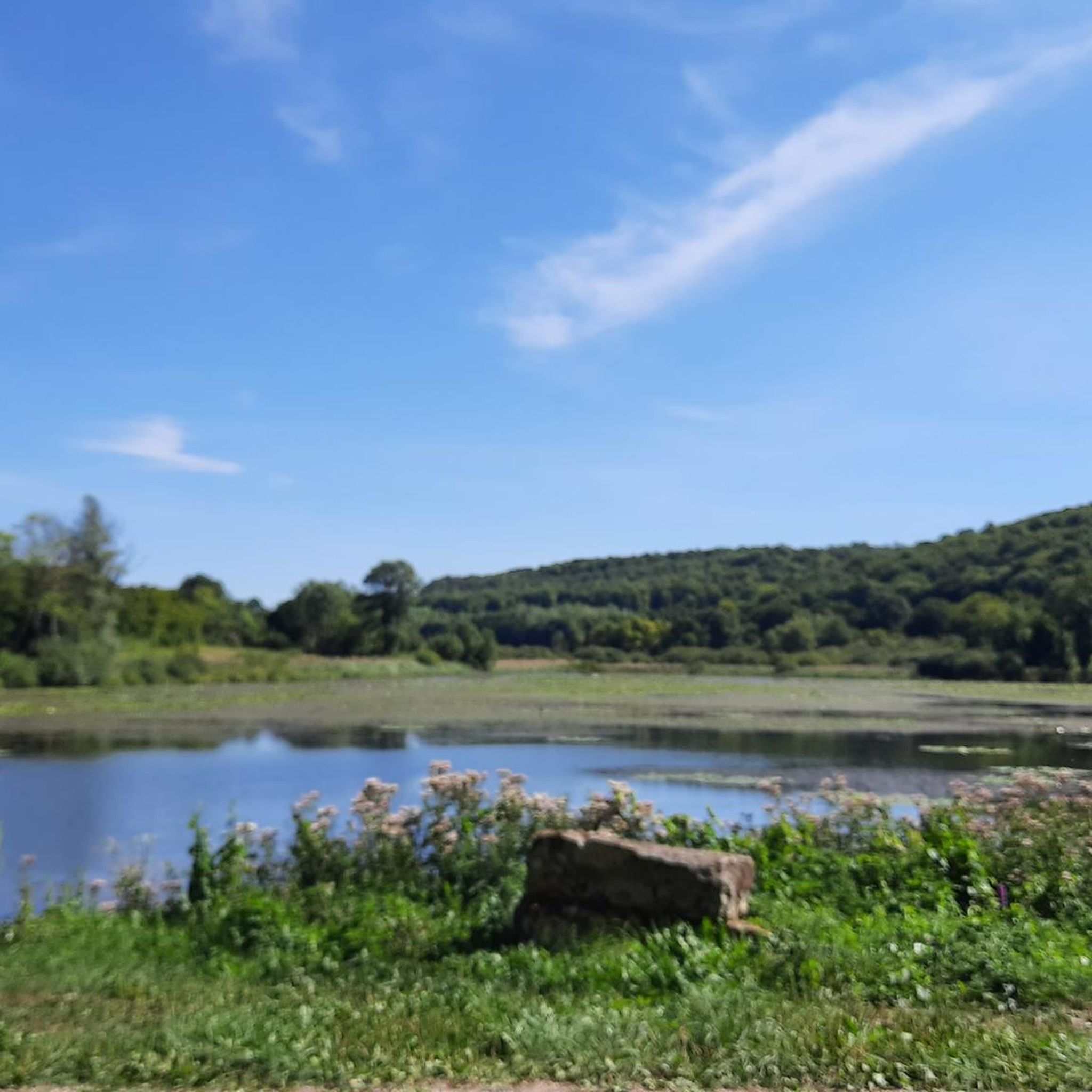
The Meuse Canal is not perfectly straight like many French canals from the 19th century.
0
0

Magnificent church and a good bakery on the square.
0
0
The path runs along trenches and past the remains of fortresses.😎
2
0
Good trace, but little interest on the camp of the Romans which is of the Military domain, therefore forbidden to enter the enclosure of the fort of the camp of the Romans, because it is in pitiful state following the war of 14 and its state of abandonment
2
0

Entry is prohibited (see red sign)!
0
1
The circuit runs in this historical place, and despite the surrounding nature very well preserved, both lines, French and German trenches, which are only a few meters apart...
3
0
It's impressive what they have created to survive, you have to imagine the whole thing without the forest.
2
0
Frequently Asked Questions
What historical sites related to World War I can I visit near Vignot?
The region around Vignot is rich in World War I history. You can visit the Trench of Thirst and Ailly Wood, which testifies to fierce fighting and features numerous regimental monuments and trenches. Another significant site is the Redoutes Cross Memorial, an oppressive memorial located in the middle of a forest where you can walk along preserved trenches.
Are there opportunities for cycling near Vignot's attractions?
Yes, cycling is a popular activity. The Meuse Canal offers a very nice, picturesque path that is great fun for cyclists. You can find various cycling routes, including easy to difficult options, by exploring the Cycling around Vignot guide.
What kind of natural landscapes can I explore around Vignot?
Vignot is characterized by its natural landscapes, including extensive forests and waterways. The Trench of Thirst and Ailly Wood and the Redoutes Cross Memorial are both situated within forests, offering a blend of nature and history. The Meuse Canal provides scenic views along its banks.
What should I know before visiting the Trench of Thirst and Ailly Wood?
This historical site was the scene of fierce fighting during World War I. Visitors are advised not to leave the path due to potential dangers. It's a powerful place that testifies to the suffering of soldiers, with numerous regimental monuments and trenches lining the forest path. It offers an impressive insight into the conditions soldiers faced.
Are there any religious or architectural sites of interest?
Yes, you can visit the Saint Peter and Saint Paul Church of Euville, a beautiful church with two bell towers, which is quite unique for the area. The nearby town of Euville also features a magnificent Art Nouveau town hall, open to visitors upon request, showcasing works by recognized artists like Louis Majorelle and Edgard Brandt.
Can I find challenging outdoor activities around Vignot?
For those seeking a challenge, the area around The Roman Camp offers a remarkable mountain bike course. The trails are playful and fun to ride, provided you have sufficient technical skills. This site combines historical significance with an engaging outdoor experience.
What is the historical significance of The Roman Camp?
While the site housed a Roman camp historically, it later became a military fort that suffered greatly during World War I. It played a crucial role in the early stages of the war, particularly in the formation of the Saint-Mihiel Salient. Although entry to the fort's enclosure is forbidden due to its dilapidated state, the surrounding area offers historical context and challenging mountain biking trails.
What do visitors enjoy most about the Redoutes Cross Memorial?
Visitors appreciate the Redoutes Cross Memorial as a beautiful place for reflection and commemoration. It allows visitors to walk along preserved trenches, gaining a good impression of how soldiers fought and lived during World War I. Display boards, also in German, provide additional context, and sturdy shoes are recommended for exploring the forest terrain.
Are there running trails available near Vignot?
Yes, there are several running trails in the vicinity. You can explore various routes, such as the 'Locks n°7, Vadonville loop' or the 'Meuse Canal – Commercy loop'. More details and options can be found in the Running Trails around Vignot guide.
What is the best way to experience the Meuse Canal?
The Meuse Canal is best experienced by cycling or walking along its picturesque path. It's known for being a very nice route, particularly on the outskirts of Commercy, offering scenic views and a pleasant outdoor activity.
What kind of road cycling routes are available around Vignot?
The area offers a variety of road cycling routes ranging from moderate to difficult. Examples include the 'Former abbey of Rangéval loop' and longer routes like the 'Birthplace of Joan of Arc – Saint-Mihiel Abbey Church loop'. For detailed routes and distances, refer to the Road Cycling Routes around Vignot guide.
Are there any specific tips for visiting the WWI historical sites?
When visiting sites like the Trench of Thirst and Ailly Wood or the Redoutes Cross Memorial, it's recommended to wear sturdy shoes, as you'll be walking through forest terrain and trenches. Always stay on marked paths, especially in areas with preserved trenches, and consider visiting during daylight hours as there might be no artificial lighting.

Get inspired with the komoot mobile app


Explore more
Still not found the Highlight you’re looking for? See guides of the top attractions in other regions:
