Attractions and Places To See around Quincy-Landzécourt - Top 20
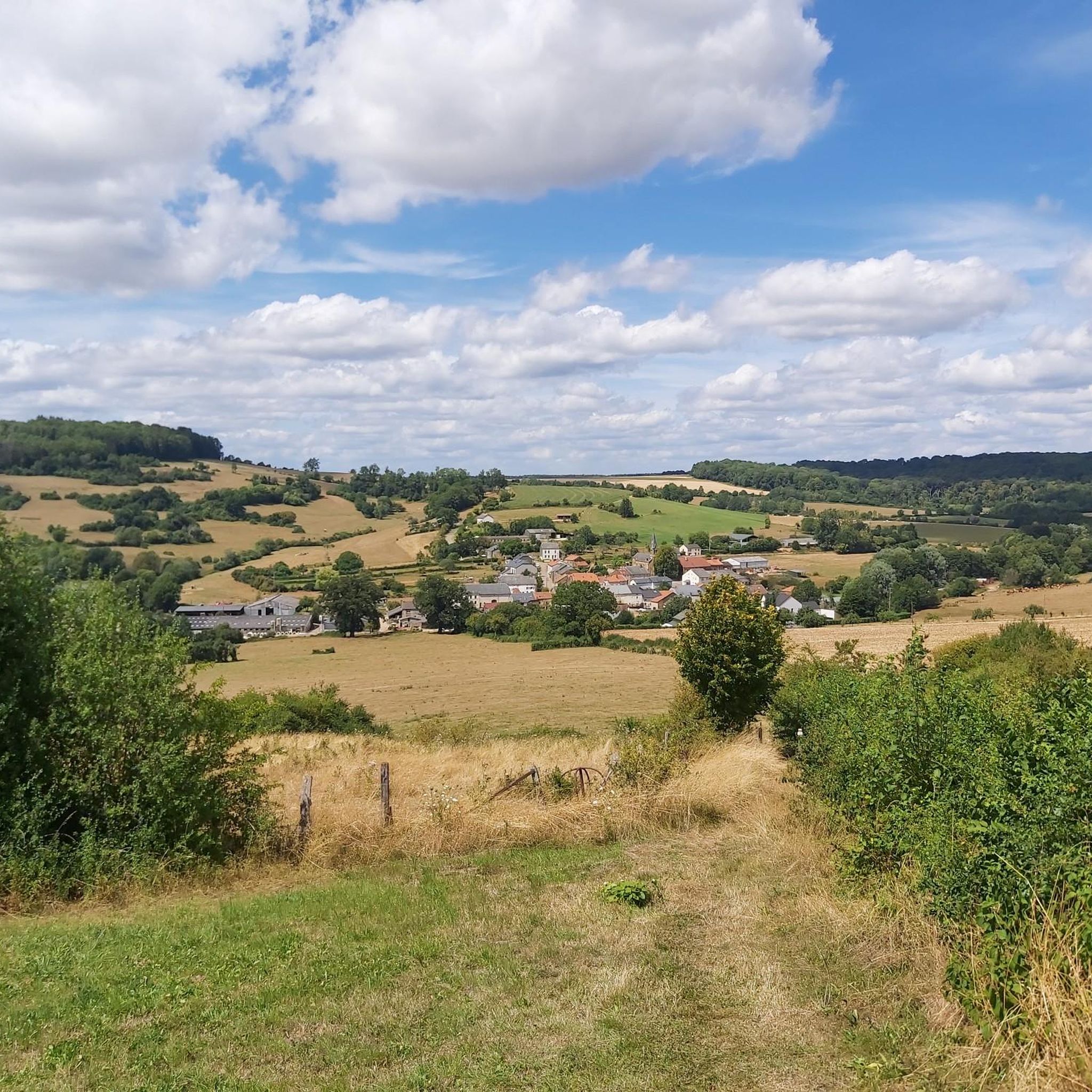
Best attractions and places to see around Quincy-Landzécourt, a commune in the Meuse department of France, offer a blend of historical sites and natural beauty. The village, situated on the Loison River, provides a base for exploring regional attractions and its own historical elements. The Loison River itself is recognized as a valuable natural reserve, home to diverse animal and plant species. This area features a mix of cultural insights and scenic landscapes.
Best attractions and places to see around…
Last updated: July 2, 2026
Basilica of Our Lady of Avioth
Highlight • Religious Site
Translated by Google •
Tip by

Citadel of Montmédy
Highlight • Settlement
Translated by Google •
Tip by

Sign up now to discover places like this
Get recommendations on the best single tracks, peaks, & plenty of other exciting outdoor places.
Sign up for free
Mont Saint-Walfroy
Highlight • Viewpoint
Translated by Google •
Tip by
Saint Martin's Church
Highlight • Religious Site
Translated by Google •
Tip by
Fresco tribute to the soldiers of 14-18
Highlight • Structure
Translated by Google •
Tip by
Sign up for free to discover even more attractions around Quincy-Landzécourt.
Sign up for free
Already have an account?
Start today with a free account
Your next adventure awaits.
Login or Signup

Tips from the Community

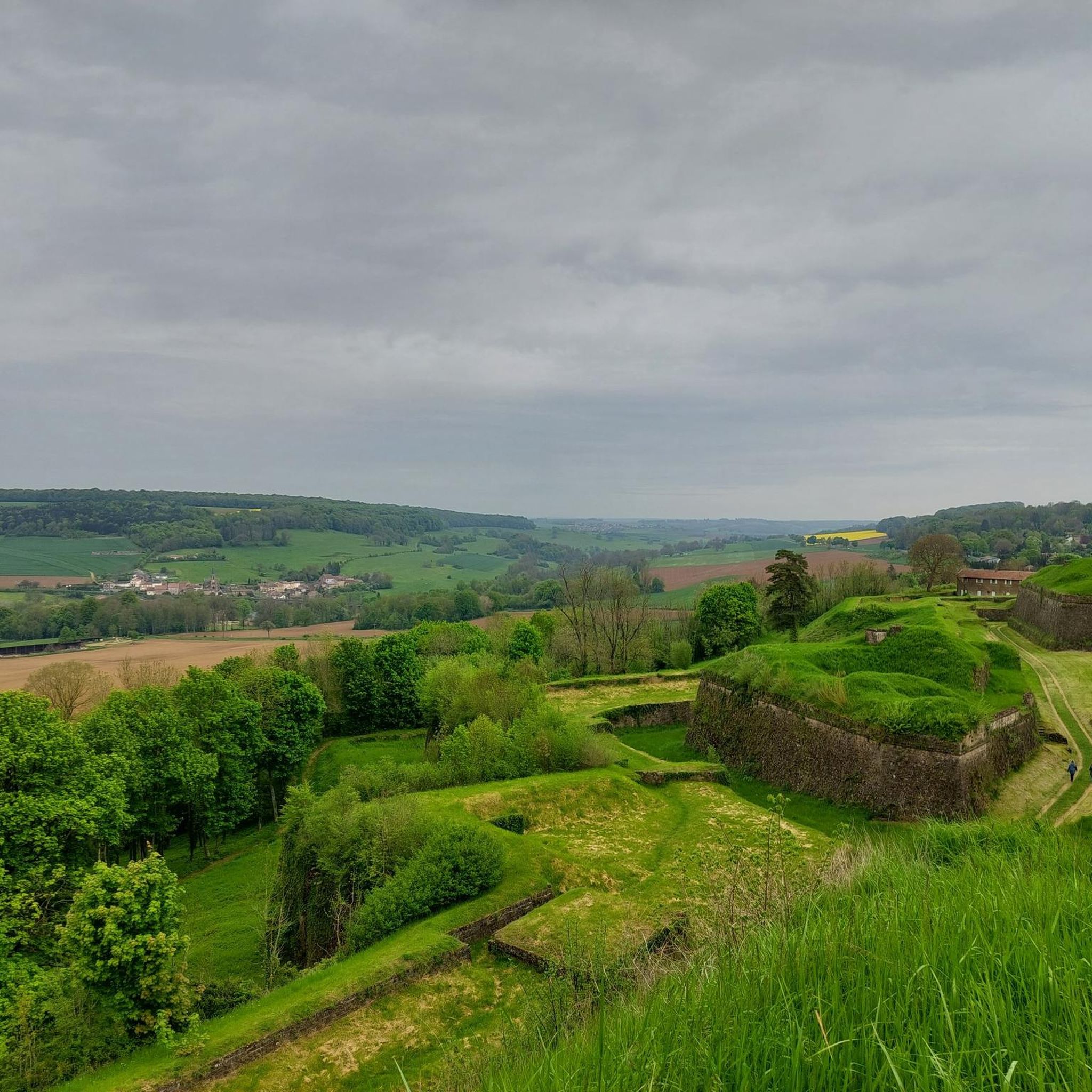
You can walk all the way around the ramparts. We found it unique and impressive. The museum was also interesting.
0
0

Built in the 14th century, the Avioth Basilica is distinguished by its rich Gothic-style decorations. It is also called the Cathedral of the Fields because of its natural setting.
0
0

Magnificent citadel to visit absolutely!
0
0

Stately Basilica in a tiny village with only 200 inhabitants, The restaurant opposite the Basilica is highly recommended, reservations required!
2
0

The fresco tribute to the fighters of 14-18 Behind the war memorial, the artist Éléonore Giraud created a gigantic fresco with images of the fighters, human and animal, from the 1914-1918 war. This fresco was unveiled on November 11, during the commemoration of the 1918 armistice.
0
0
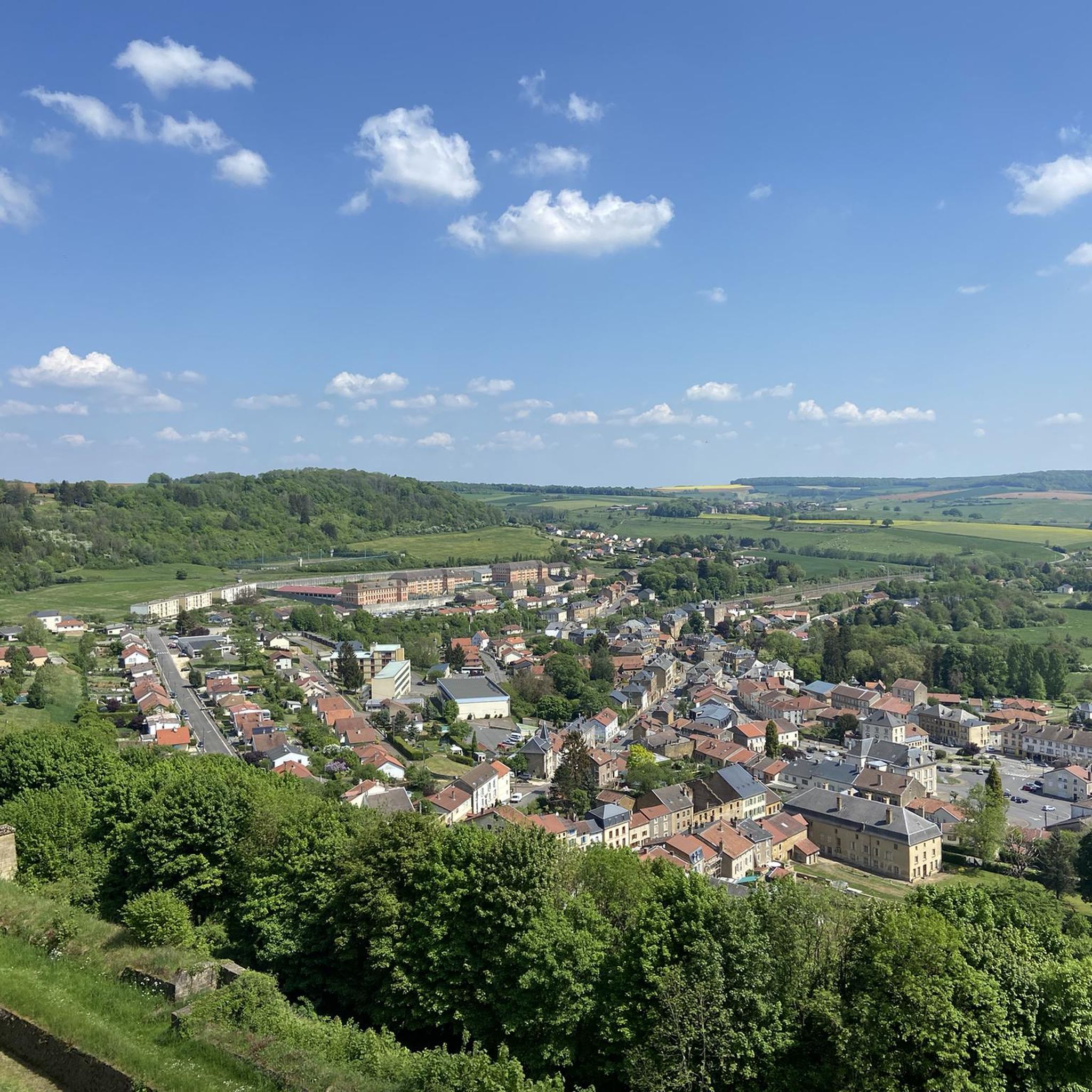
The Saint-Martin de Montmédy church is the church of the Saint-Martin parish in the upper town of Montmédy. The church we see today is not the first to be built on this location. Indeed, a sanctuary surrounded by a cemetery would have been present in the upper part of Montmédy as early as the 11th century. Its origins are rather vague, but historians are certain that from 1156 there was a religious building on the site of the current church2. This monument was quite small and had a single, quite slender tower. According to several old plans of Montmédy, researchers can confirm that it occupied approximately the location between the interior pillars of the current building3. In the 18th century, when Vauban strengthened the fortifications, the rear of the church was shortened to allow the widening of the adjacent rampart. The current church was built on the foundations of a more modest church that probably dates from the 12th century.
0
0
Notre-Dame d'Avioth became a basilica in 1993 and is also called "the cathedral of the fields". This flamboyant Gothic masterpiece is surprisingly large in the center of a small village in the north of the French department of Meuse, in the heart of the former county of Chiny, near the abbey of Orval and the citadel of Montmédy. Its construction began in the mid-13th century, after the miraculous appearance of a statue of the Virgin Mary, and extended over three phases: the towers and naves in the 13th century, the choir and the sacristy in the 14th century and the merger between the western and eastern parts from 1375 to 1400. The building was classified as a historic monument in 1840. The basilica is famous for its "Recevresse", located at the church enclosure. Considered unique in the world, this small lacework was designed to welcome the devotions of the pilgrims and receive their offerings. It has been on display in the Cité de l'Architecture et du Patrimoine in Paris since 1898. Until the end of the 18th century, Avioth was a respite church where the Virgin was said to temporarily revive stillborn children in order for them to receive baptism. Today, pilgrims still come in large numbers to pray before the statue of Our Lady of Avioth, especially on July 16 during the ancestral pilgrimage.
2
1
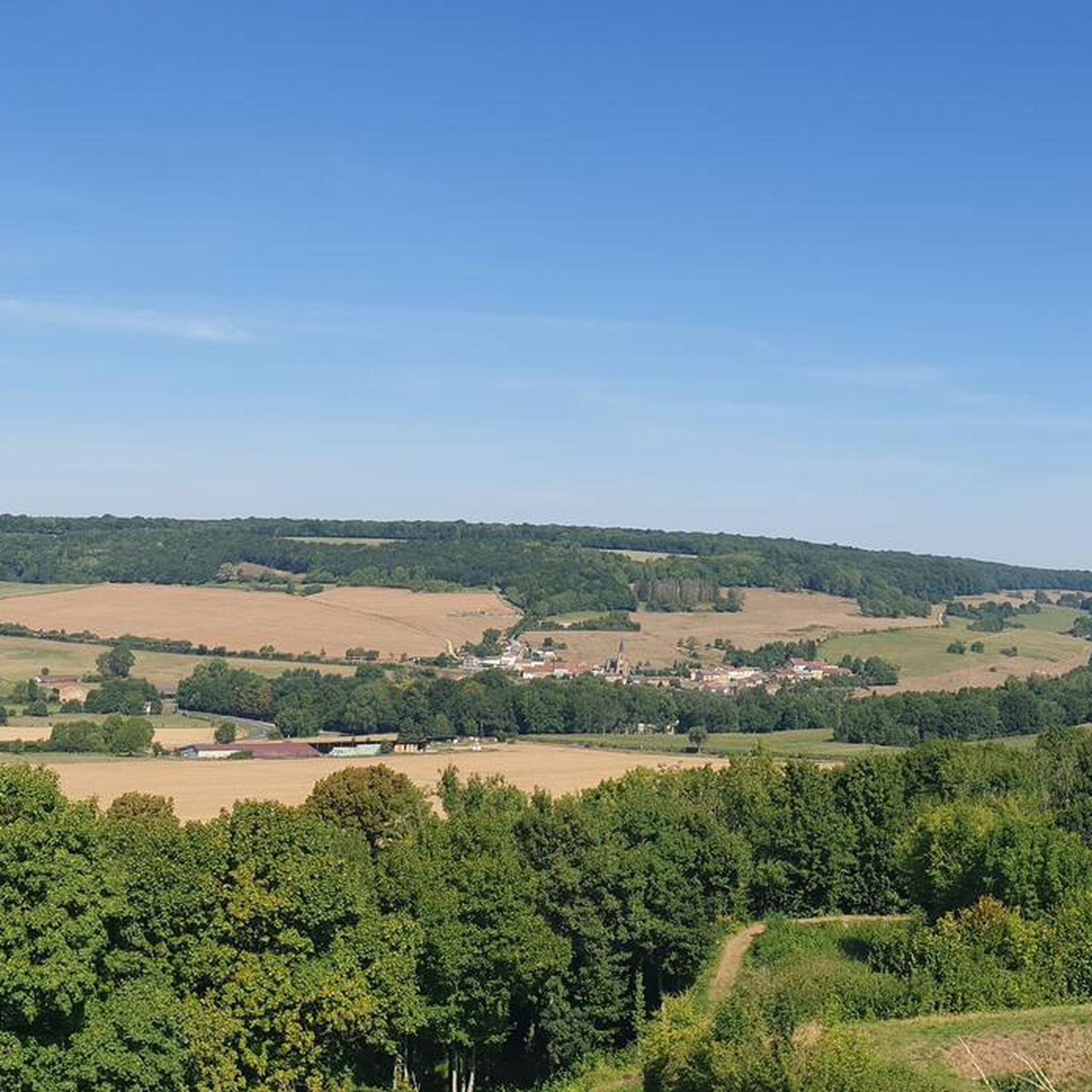
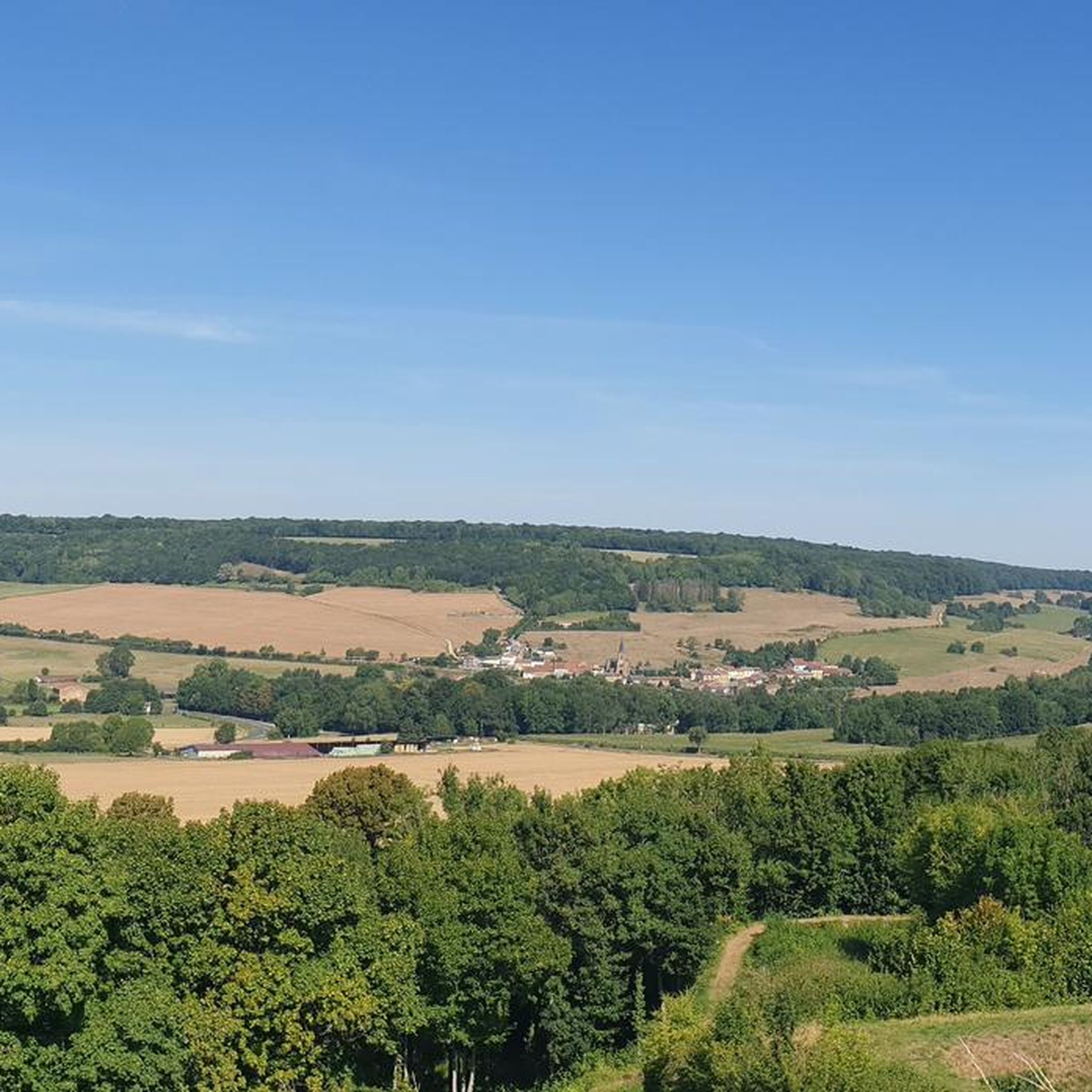
Magnificent view on a clear day. A few minutes of rest is good after this climb++
1
0
Frequently Asked Questions
What historical sites can I explore in Quincy-Landzécourt itself?
Within Quincy-Landzécourt, you can visit the Church of Saint-Martin, which, though rebuilt in the 19th century, stands on the site of an older chapel. Look for historical architectural elements like dated door lintels and a sundial from 1701. The village also has a historical bridge over the Loison River, which once incorporated a section of the temporary Arromanches bridge from D-Day.
Are there any natural attractions or reserves in Quincy-Landzécourt?
Yes, the Loison River meanders through Quincy-Landzécourt, and its banks are recognized as a valuable natural reserve. It's home to a rich biodiversity, including 200 animal species (115 protected) and 133 plant species, making it ideal for nature observation.
What are the main historical attractions near Quincy-Landzécourt?
Beyond the village, you can explore the impressive Citadel of Montmédy, a well-preserved military fortress reinforced by Vauban, offering panoramic views. Another significant historical site is the Basilica of Our Lady of Avioth, a Gothic masterpiece and important pilgrimage site.
Are there any castles or fortified structures to visit in the area?
Absolutely. The Citadel of Montmédy is a prime example of a fortified structure, showcasing military history and offering extensive views. Additionally, the 16th-century Renaissance Château de Louppy-sur-Loison, one of Lorraine's largest, can be visited by appointment or during special events.
Where can I find scenic viewpoints or elevated locations with good views?
For picturesque views, head to Mont Saint-Walfroy. This elevated location, once a pagan worship site, provides expansive panoramas of the Meuse valley and surrounding forests. The Citadel of Montmédy also offers great views from its ramparts.
What kind of outdoor activities can I do near Quincy-Landzécourt?
The area around Quincy-Landzécourt is excellent for outdoor activities. You can find various hiking trails, including easy walks like the 'Short walk in Brouennes loop'. There are also MTB trails and running routes, particularly around Montmédy and Avioth.
Are there family-friendly attractions or activities in the region?
Many of the historical sites are suitable for families. The Citadel of Montmédy offers an engaging historical experience with its fortifications and museums. Exploring the natural reserve along the Loison River can also be a pleasant family activity. The Basilica of Our Lady of Avioth, with its grandeur, can also be an interesting visit for older children.
What is the best time of year to visit Quincy-Landzécourt for outdoor activities?
The best time to visit for outdoor activities like hiking and cycling is generally during the spring (April-June) and autumn (September-October) when the weather is mild and the natural scenery is vibrant. Summer months are also pleasant, though can be warmer.
Are there any unique local legends or traditions in Quincy-Landzécourt?
Yes, the Saint-Maurice Fountain on Rue Basse is steeped in local lore, believed to possess miraculous healing properties, particularly for eye ailments. The street name 'Rue de la Brassine' also pays homage to the village's ancient brewing tradition, dating back to 770 AD.
Can I find easy hiking or walking trails near Quincy-Landzécourt?
Yes, there are several easy walking trails. For example, you can find routes like the 'Short walk in Brouennes loop' or the 'View of Juvigny-sur-Loison loop' which are suitable for leisurely walks. You can explore more options on the Hiking around Quincy-Landzécourt guide.
What is the significance of the Church of Saint-Martin in Montmédy?
The Saint Martin's Church in Montmédy is a majestic church dominating the citadel. Built between 1753 and 1757, it stands on the site of an ancient sanctuary and features classical architecture, a 1558 bronze bell, a 17th-century painting, and a 14th-century Virgin and Child statue. Its organ, restored in 2013, had been silent for 97 years.
What do visitors particularly enjoy about the attractions near Quincy-Landzécourt?
Visitors frequently appreciate the blend of historical depth and natural beauty. The grandeur of the Basilica of Our Lady of Avioth, often called 'the Cathedral of the Fields,' and the well-preserved military history and panoramic views from the Citadel of Montmédy are often highlighted. The serene and picturesque views from Mont Saint-Walfroy are also a favorite.
Most popular routes around Quincy-Landzécourt

Get inspired with the komoot mobile app


Explore more
Still not found the Highlight you’re looking for? See guides of the top attractions in other regions:
