Attractions and Places To See around Peuvillers - Top 16
Best attractions and places to see around Peuvillers. Peuvillers is a small village in the Meuse department of France, offering a quiet base for exploration. The surrounding region features a range of historical sites, cultural landmarks, and natural landscapes. Many points of interest are located in nearby towns and villages, providing diverse options for visitors.
Best attractions and places to see around Peuvillers
- The most popular attractions is Saint-Nicolas Church of Marville, a religious building. Marville is a village…
Last updated: July 1, 2026
Beautiful castle, church and ancient fortifications
Highlight • Castle
Translated by Google •
Tip by

Marville Renaissance Village
Highlight • Historical Site
Translated by Google •
Tip by

Sign up now to discover places like this
Get recommendations on the best single tracks, peaks, & plenty of other exciting outdoor places.
Sign up for free
Saint-Nicolas Church of Marville
Highlight • Religious Site
Translated by Google •
Tip by

Murvaux
Highlight • Settlement
Translated by Google •
Tip by
Feudal ruins
Highlight • Other
Translated by Google •
Tip by
Sign up for free to discover even more attractions around Peuvillers.
Sign up for free
Already have an account?
Start today with a free account
Your next adventure awaits.
Login or Signup


Tips from the Community

The first mention of the village in the archives dates from the 11th century (1093, Lopeium), according to Liénard (19th century historian). At the death of the Count of Bar, Thibaut I, in 1214, two towers were built in Louppy corresponding to two castles installed at each end of the promontory dominating the Loison valley. It is for this reason that the village subsequently adopted the name Louppy-aux-deux-châteaux until the French Revolution. (see map of Villeneuve from 1700 here) In the heart of the village, near the church, the imposing remains of a tower and a curtain wall are still visible. Originally the castle (commonly called the High Castle) appeared in the shape of a quadrangle flanked by four corner towers and once had deep moats fed by the nearby Loison. In addition to the defensive character of the building, its residential function seems certain, given the presence of a fireplace and benches under the windows. These remains undoubtedly date from the 13th or 14th century, but the first mention of a castle dates from the end of the 12th century as the property of the Count of Bar Thibaut I. Subsequently, the Lordship of Louppy was shared between several families until the arrival of the Pouilly family in the 16th century. During the Hundred Years' War, in 1379, the castle was partially destroyed.
0
0

Marville is a charming village dating back to the 12th century. You can explore its medieval streets, admire its Renaissance architecture, and visit the impressive Saint-Hilaire cemetery, which contains over 40,000 graves from different eras. You can also appreciate the natural beauty of the surrounding countryside, with its rolling hills, vineyards, and forests. Whether you're looking for a short stroll or a challenging adventure, Marville has something for everyone.
3
0

In the heart of the village, near the church, the imposing remains of a tower and a curtain wall are still visible. Originally, the castle, commonly called "high castle", appeared in the form of a quadrilateral flanked by four corner towers and once had deep moats fed by the nearby Loison. In addition to the defensive character of the building, its residential function seems certain, given the presence of a fireplace and benches under the windows. These remains date from the 13th or 14th century, but the first mention of a castle is attested at the end of the 12th century as the property of the Count of Bar Thibaut I. Subsequently, the lordship of Louppy will be shared between different families until the arrival of the Pouilly family in the 16th century. The castle was partially destroyed in 1379 during the Hundred Years War.
7
0
Louppy-sur-Loison is a small village in the Meuse, in the Grand Est region. It has a number of interesting sights that you can visit, such as: Louppy-sur-Loison Castle: This is one of the largest Renaissance castles in Lorraine. It was built in the 16th century by the De Louppy family, who had ties to the Dukes of Lorraine. The castle has a beautiful facade, a courtyard, a chapel and a park. You can visit the castle by appointment or during special events. The Church of Saint-Martin: This church dates from the 12th century and has a Gothic style. It has a remarkable portal, a bell tower and an organ. Inside you can admire frescoes, statues and stained glass windows. The Old Mill: This is an old water mill that was formerly used to grind grain. It is located on the banks of the Loison and has a wooden wheel. It is now a private residence, but you can still see it from the outside.
7
0
Murvaux is a small village in the Meuse, in the Grand Est region. It has a rich history and beautiful nature. Here are some places of interest to visit in Murvaux: *The church of Murvaux: This church dates from the 12th century and has a Romanesque style. It is a historical monument since 1926. You can admire the beautiful stained glass windows, the wooden altar and the bell tower. *The Murvaux laundry service: This is an old public wash house that used to be used by the villagers to wash their clothes. It was built in the 19th century and has a stone roof. It is located on the edge of a stream and surrounded by greenery. *The old presbytery of Murvaux: This is a large stone house that used to be the residence of the village's parish priest. It was built in the 18th century and has a typical Lorraine architecture. It is now a private residence, but you can still see it from the outside.
6
0

What makes Marville special is that some of the houses in the Spanish Renaissance style were built when the city was part of the Spanish Netherlands in the 16th century.
4
0

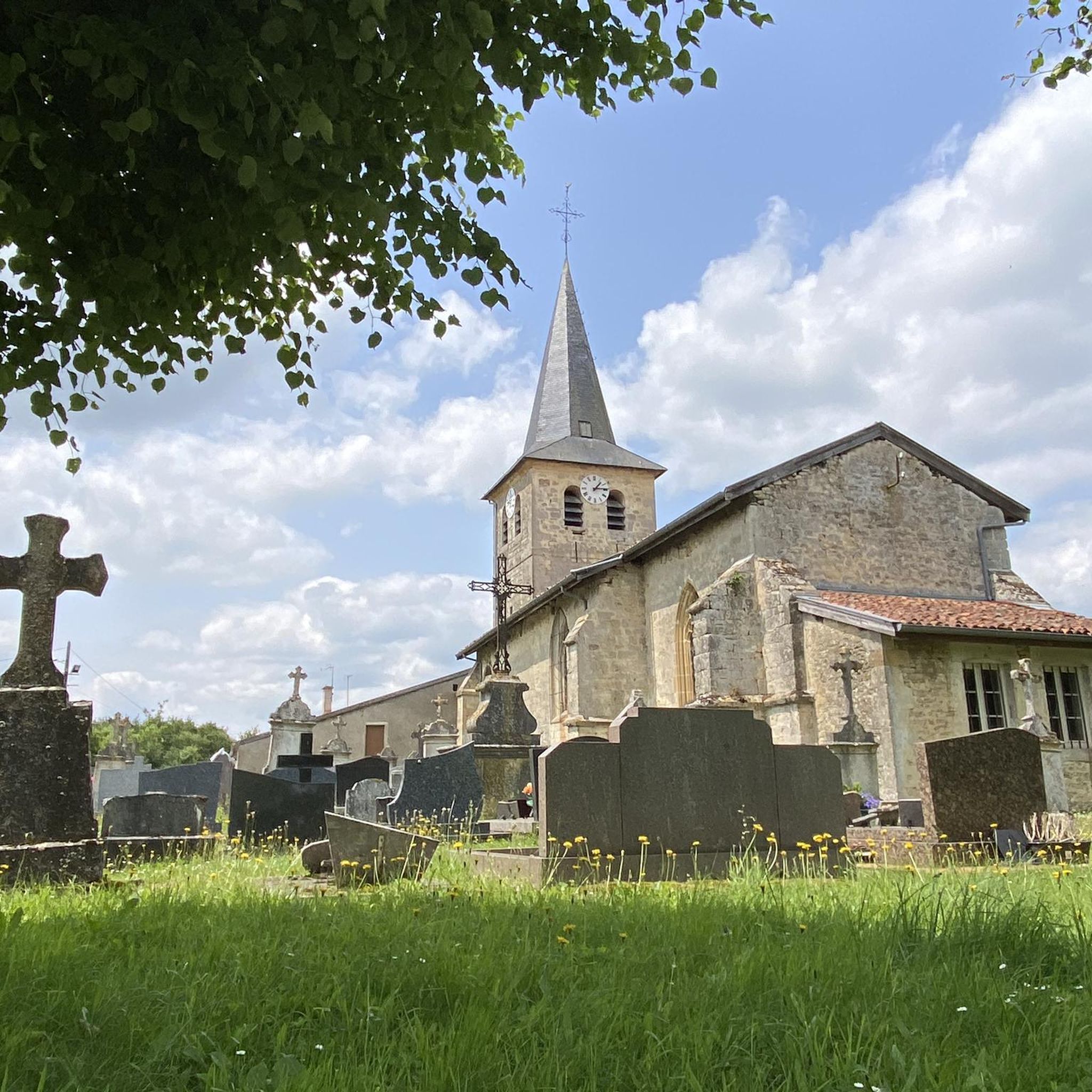
The village of Marville is characterized by a particular architecture, namely its Renaissance facades, its fortifications and posterns. In the 16th century, the village experienced a prosperous period. The most beautiful facades of the village are born from the establishment of noble, bourgeois or business families attracted by this prosperity. A remarkable 13th-16th century Gothic church deserves a break with its very rich interior. see https://torgny.be/1677/dans-les-environs-marville/
3
0
Frequently Asked Questions
What historical and cultural sites are there to explore near Peuvillers?
The region around Peuvillers is rich in history. You can visit the impressive Louppy-sur-Loison Castle, one of Lorraine's largest Renaissance castles, featuring a beautiful facade, courtyard, chapel, and park. The charming Marville Renaissance Village offers a glimpse into 16th-century Spanish Renaissance architecture, with its unique facades and fortifications. Also in Marville, the Saint-Nicolas Church of Marville, dating back to the 12th century, is a notable Gothic church.
Are there any significant World War I sites near Peuvillers?
Yes, the area around Verdun, approximately 18-24 km from Peuvillers, is steeped in World War I history. Key sites include the Douaumont Ossuary, Fort Douaumont, the Verdun Memorial, Fort de Vaux, and preserved trench systems like Tranchée De Chattancourt and Trench of the Bayonets. The underground citadel of Verdun also served as a crucial command post during the war.
What natural features and outdoor activities can I find around Peuvillers?
Beyond historical sites, the countryside around Marville offers picturesque natural beauty with rolling hills, vineyards, and forests, perfect for strolls or more challenging adventures. The River Loison, with an old water mill in Louppy-sur-Loison, provides scenic views. For active outdoor experiences, Forêt'vasion parc de loisirs accrobranche in Sivry-sur-Meuse offers treetop courses.
What kind of family-friendly attractions are available?
Many historical sites like the Marville Renaissance Village and Saint-Nicolas Church of Marville are considered family-friendly, offering educational and engaging experiences. For a more active adventure, the Forêt'vasion parc de loisirs accrobranche in Sivry-sur-Meuse provides treetop courses suitable for various ages.
Are there opportunities for hiking near Peuvillers?
While specific hiking trails directly around Peuvillers are not detailed, the surrounding countryside, particularly around Marville, offers natural beauty with rolling hills and forests suitable for walks and adventures. For structured running routes, you can explore options like the "Running loop from Lissey" or "La forêt de Mangiennes loop from Mangiennes" which are part of the Running Trails around Peuvillers guide.
Can I go cycling in the Peuvillers area?
Yes, the region offers several cycling opportunities. You can find routes like the "Louppy-sur-Loison Castle – Ancien lavoir loop from Damvillers" or the "Main Square of Marville – Marville Renaissance Village loop from Saint-Laurent-sur-Othain." For more options, refer to the Cycling around Peuvillers guide and the Road Cycling Routes around Peuvillers guide.
What do visitors enjoy most about the attractions near Peuvillers?
Visitors appreciate the rich historical context, especially the well-preserved Renaissance architecture in places like Marville and the grandeur of Louppy-sur-Loison Castle. The poignant World War I sites near Verdun also leave a lasting impression. Many enjoy the blend of cultural exploration with the natural beauty of the surrounding countryside, offering both historical insight and opportunities for outdoor activity.
Are there any unique historical sites beyond castles and churches?
Yes, the Ossuary of Saint-Hilaire Chapel in Marville is a unique and impressive historical site. Located within the cemetery, it contains over 40,000 graves from various eras, including a charnel house with skulls and bones, offering a profound historical experience.
What is the best time of year to visit Peuvillers for outdoor activities?
While specific weather data isn't provided, generally, spring and autumn offer pleasant temperatures for exploring historical sites and engaging in outdoor activities like cycling and walking in the Meuse region. Summer can also be enjoyable, though it might be warmer. Winter offers a different, quieter charm, but some attractions might have reduced hours.
Are there any attractions that showcase traditional crafts or local heritage?
Yes, Les Vieux Métiers (The Old Trades) in Azannes-et-Soumazannes, located about 8.9 km from Peuvillers, provides insight into traditional crafts and professions, offering a unique cultural experience focused on local heritage.
Is there public transportation available to reach attractions near Peuvillers?
Peuvillers is a small village, and direct public transportation to all surrounding attractions may be limited. Many notable points of interest are located in nearby towns and villages, making personal transport (car or bicycle) often the most convenient way to explore the wider area. It's advisable to check local transport schedules for specific routes if relying on public options.
Most popular routes around Peuvillers

Get inspired with the komoot mobile app


Explore more
Still not found the Highlight you’re looking for? See guides of the top attractions in other regions:
