Attractions and Places To See around Gimécourt - Top 20
Best attractions and places to see around Gimécourt are situated in a small rural commune within France's Meuse department, Grand Est region. This area is characterized by its tranquil countryside, with an altitude ranging from 262 to 346 meters. The commune lies along the watershed dividing the Meuse and Seine river basins and is drained by the Aire river. While specific tourist destinations within Gimécourt are not widely documented, the region offers a general rural French experience, featuring local flora,…
Last updated: July 1, 2026
The Roman Camp.
Highlight • Monument
Translated by Google •
Tip by

By mistake
Highlight • Other
Translated by Google •
Tip by

Sign up now to discover places like this
Get recommendations on the best single tracks, peaks, & plenty of other exciting outdoor places.
Sign up for free
Saphira
Highlight • Other
Translated by Google •
Tip by
Sampigny — Church of Saint Lucy
Highlight • Other
Site Description
Until the end of the 14th century, Sampigny was part of …
Translated by Google •
Tip by
Keep Warm Burnout by Jean-Pierre Brazs
Highlight • Monument
Tip by
Sign up for free to discover even more attractions around Gimécourt.
Sign up for free
Already have an account?
Start today with a free account
Your next adventure awaits.
Login or Signup


Tips from the Community

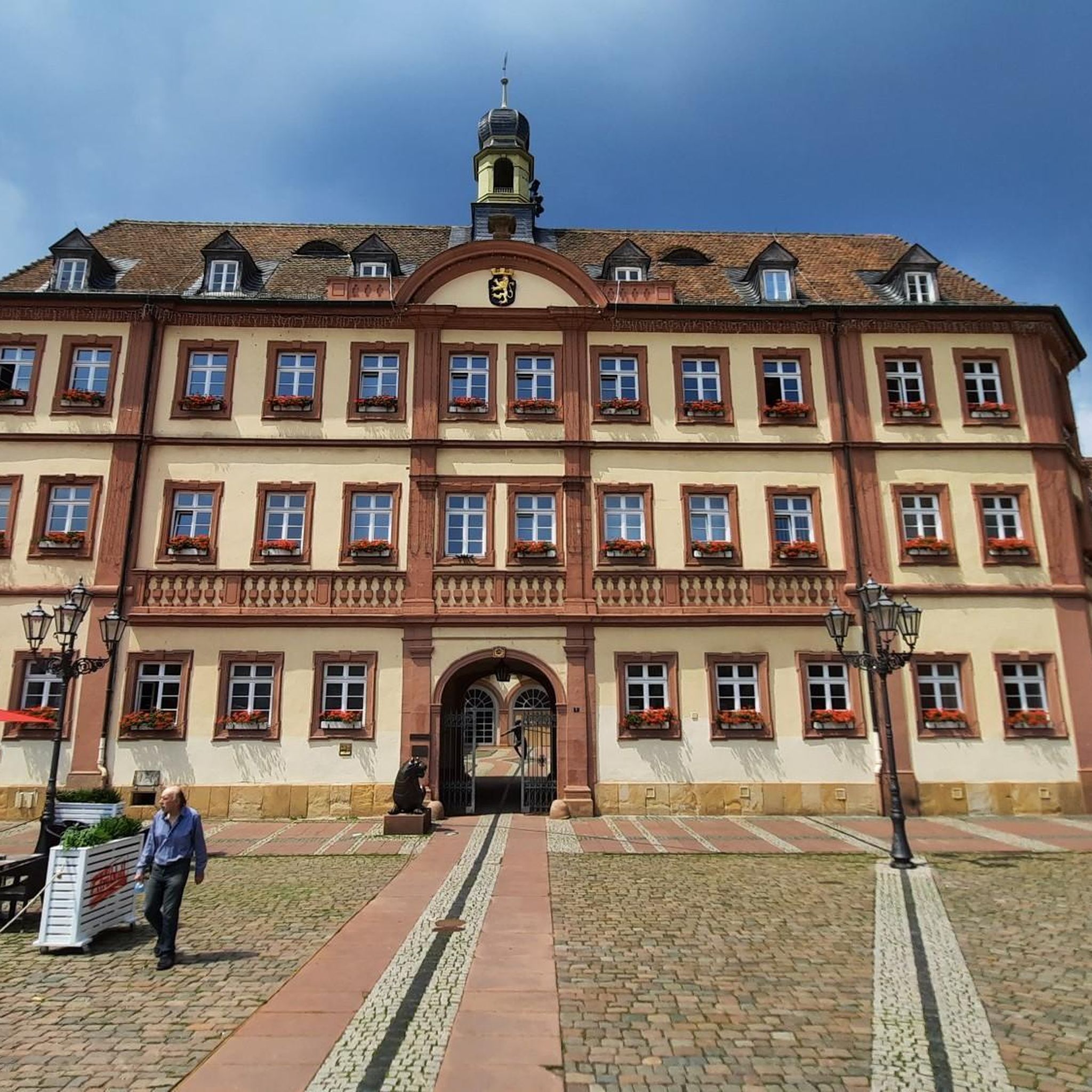
Author, History and Cultures of Antiquity and the Middle Ages (EA1132 / HISCANT-MA) - University of Lorraine. Site Description Until the end of the 14th century, Sampigny was part of the parish of Sainte-Lucie, the center of a village of the same name, located a few hundred meters southwest of the fortress. Since the 13th century, the fortress had had a castle chapel dedicated to Saint Peter, which was elevated to the rank of parish church in 1386. On this occasion, this "lower" church, so named in relation to the Sainte-Lucie church located on a hilltop, likely underwent some modifications. It was enlarged in the early 16th century and its bell tower was raised. Almost square in plan, it was further enlarged in 1746 with the addition of two sacristies. It then changed its name, taking up that of the original parish whose church had been abandoned to a community of Minim fathers in 1625.
2
0
Good trace, but little interest on the camp of the Romans which is of the Military domain, therefore forbidden to enter the enclosure of the fort of the camp of the Romans, because it is in pitiful state following the war of 14 and its state of abandonment
2
0

Entry is prohibited (see red sign)!
0
1

One of the highlights of the Louvent circuit is the Belladonna-Phoenix artwork by Amandine Guruceaga1. It is a copper, steel and brass sculpture that resembles a phoenix rising from the ashes. The metal flames are flexible and sensitive to wind, creating a sound that reverberates through the forest. The sculpture is located between a cherry tree and a beech tree, and reflects the sunlight with this brilliant plane.
3
0
One of the highlights of the Circuit du Louvent is the work of art called Keep warm by Jean-Pierre Brazs. This sculpture consists of a colossal iron mask that hides a secret: a fireplace inside that can be lit by visitors. If you want to stay warm while hiking in the cold, you can stop by this artwork and enjoy the cozy fire. Just make sure you have some matches or a lighter with you, and don’t forget to put out the fire when you leave. You can find more information about this artwork and the trail here.
3
0

Wind of the Forests 159 by Claudia Comte www.ventdesforets.com
0
0

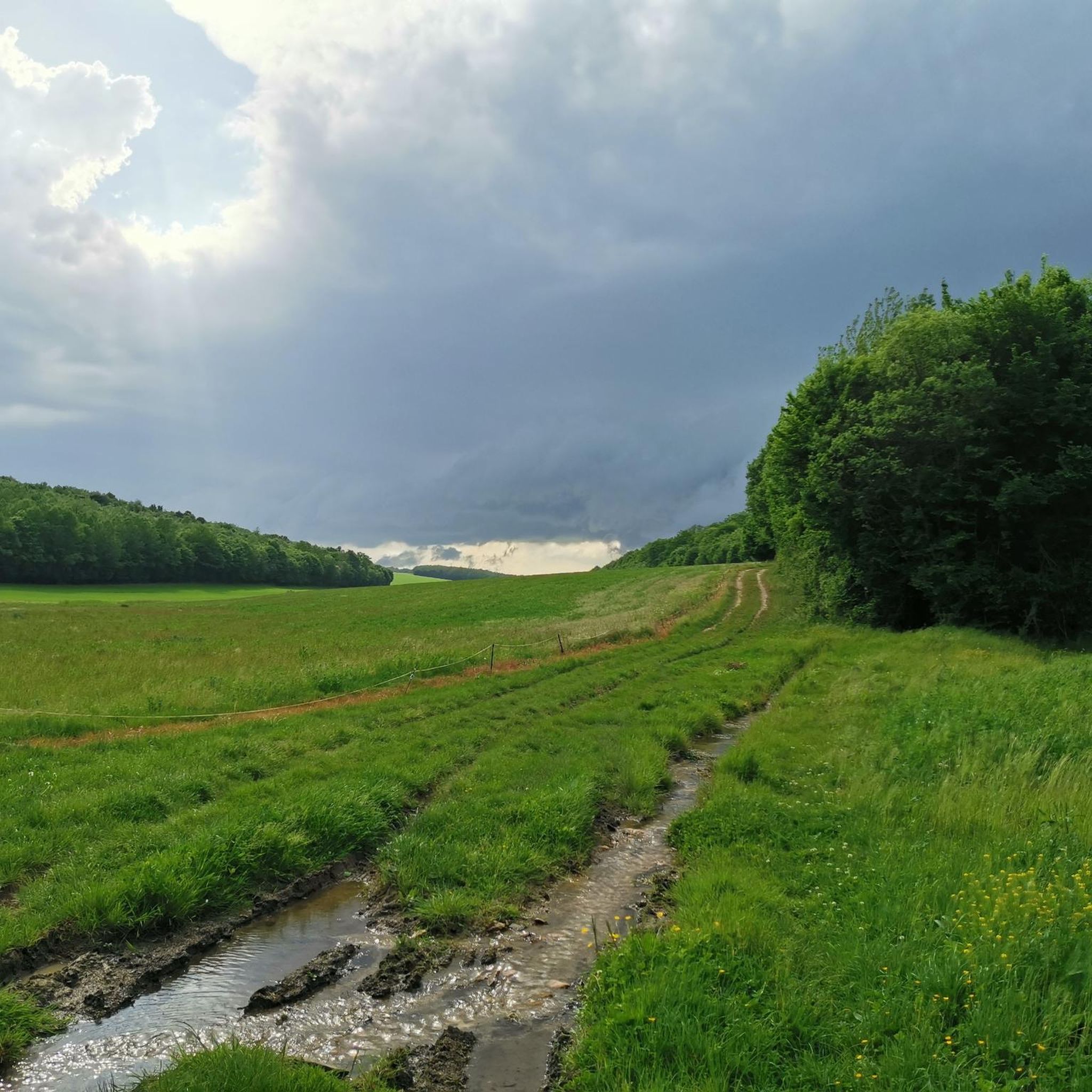
If the site housed a Roman camp, it was later a military fort which suffered greatly during the First World War. The site offers an essential and remarkable mountain bike course as the trails are playful and fun to ride as long as you have sufficient technical skills. We thus appreciate both the place and the trails. On the way back, it can make you want to know more about the history of this truly original site.
1
0
Frequently Asked Questions
What kind of natural features can I expect to see around Gimécourt?
Gimécourt is characterized by its tranquil, rural countryside. You'll find a landscape shaped by the Aire river and smaller streams like the Lavallee stream and the Fossé de la Vau Munelotte. The area offers quiet natural settings, local flora, and fauna typical of a small French village environment.
Are there any historical sites to explore near Gimécourt?
Yes, you can visit The Roman Camp., a significant historical site that once housed a Roman camp and later a military fort, which saw considerable action during the First World War. Another historical point of interest is the Sampigny — Church of Saint Lucy, with roots dating back to the 13th century.
What unique art installations can I find in the Gimécourt area?
The region features several distinctive art installations. You can discover Saphira, a giant red iron sculpture by Claudia Comte, which evokes a mythical creature. Another is By mistake, featuring Amandine Guruceaga's Belladonna-Phoenix sculpture with flexible metal flames. Don't miss Keep Warm Burnout by Jean-Pierre Brazs, a colossal iron mask with an internal fireplace.
What outdoor activities can I do near Gimécourt?
The rural setting around Gimécourt is ideal for various outdoor activities. You can explore a range of cycling, gravel biking, and mountain biking routes. For specific trails, check out the guides for MTB Trails around Gimécourt, Gravel biking around Gimécourt, and Cycling around Gimécourt.
Are there hiking trails near these attractions?
While specific hiking trails are not detailed for Gimécourt itself, the area's rural nature suggests opportunities for walking and exploring the countryside. The site of The Roman Camp. is noted for offering an essential and remarkable mountain bike course with playful and fun trails, which can also be explored on foot if you have sufficient technical skills.
What is the best time of year to visit Gimécourt for outdoor activities?
The local climate is classified as altered oceanic, with cold winters, moderate winds, and frequent fog in autumn and winter. For outdoor activities like cycling and exploring the art installations, spring, summer, and early autumn would generally offer more pleasant weather conditions.
What do visitors enjoy most about the attractions around Gimécourt?
Visitors appreciate the blend of natural landscapes with unique cultural points of interest. The komoot community has shared 28 photos and given 11 upvotes, highlighting the appeal of the area's art installations and historical sites. The playful and fun trails around The Roman Camp. are also a favorite for those with technical skills.
Are there any family-friendly activities or attractions?
The tranquil countryside around Gimécourt offers a peaceful environment for families to enjoy nature walks and cycling. The unique art installations like Saphira and By mistake can be engaging for children due to their imaginative designs and interactive elements (like the wind-sensitive flames).
Is it possible to find food or accommodation near Gimécourt?
Given Gimécourt's very small size and rural nature, specific cafes, pubs, restaurants, or accommodation options directly within the commune are not widely documented. Visitors typically find such amenities in larger nearby towns or villages in the Meuse department.
What is the general terrain like for outdoor activities in the Meuse department around Gimécourt?
The terrain around Gimécourt ranges in altitude from 262 to 346 meters. The region features a mix of rural landscapes, including areas along the watershed dividing the Meuse and Seine river basins. Trails can vary, with some, like those near The Roman Camp., offering challenging and playful sections suitable for mountain biking.
How can I learn more about the history of the region?
To delve deeper into the history of the region, particularly its role during significant events like World War I, you can visit sites like The Roman Camp.. For broader historical context of the Meuse department and the Grand Est region, external resources like Wikipedia can provide additional information.

Get inspired with the komoot mobile app


Explore more
Still not found the Highlight you’re looking for? See guides of the top attractions in other regions:
