Attractions and Places To See around Bayel - Top 20
Best attractions and places to see around Bayel include sites reflecting its historical glassmaking tradition and religious heritage. The commune is characterized by a landscape of forests and farmland, with the River Aube forming part of its northern border. Visitors can explore various historical monuments and natural features. The area offers opportunities to discover both cultural landmarks and the surrounding natural environment.
Best attractions and places to see around Bayel
- The most popular attractions is Bar-sur-Aube, a settlement situated…
Last updated: June 24, 2026
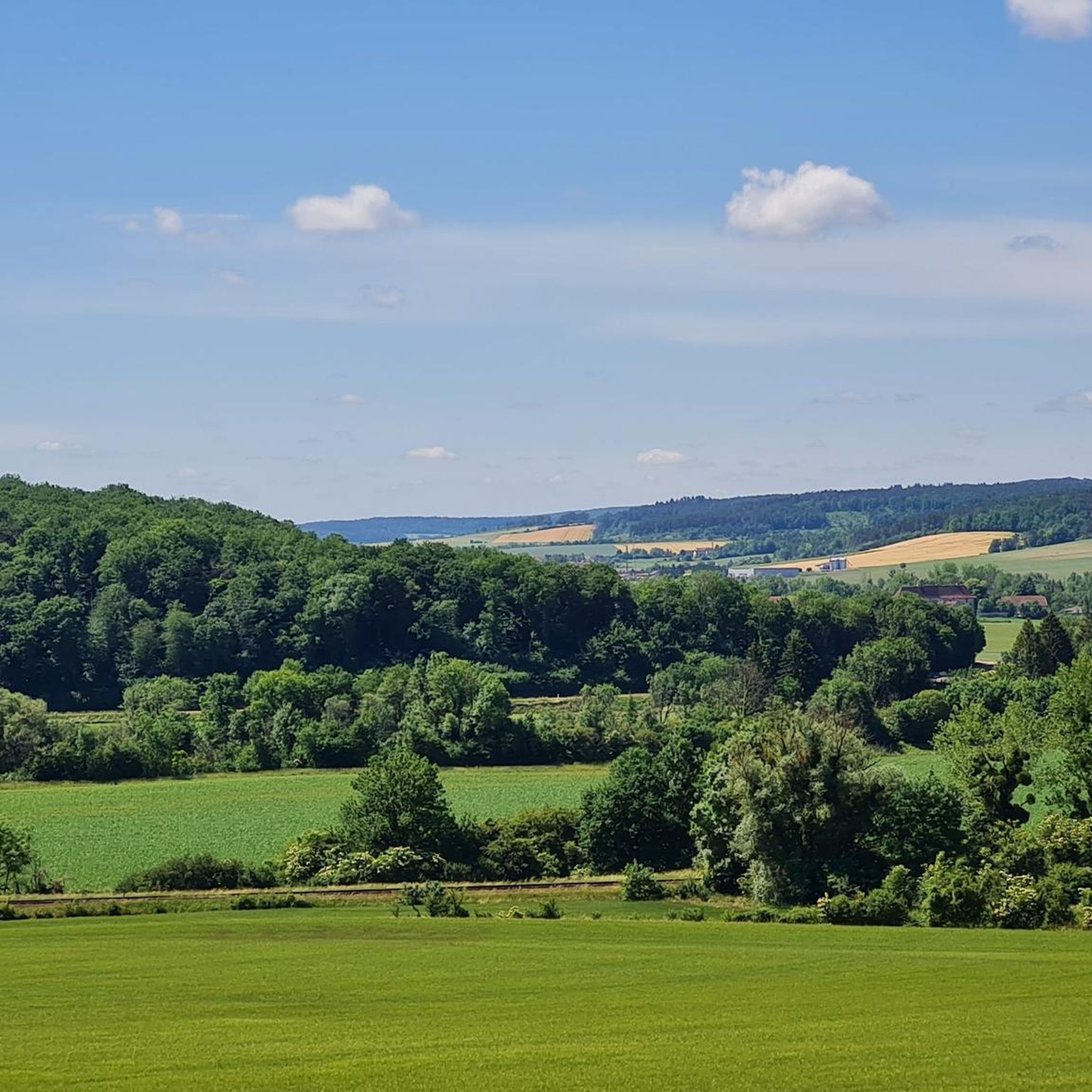
Abbey of Clairvaux
Highlight • Historical Site
Translated by Google •
Tip by

Tomb of General de Gaulle / Grave of Charles de Gaulle
Highlight • Other
Translated by Google •
Tip by

Sign up now to discover places like this
Get recommendations on the best single tracks, peaks, & plenty of other exciting outdoor places.
Sign up for free
Saint Pierre Church of Bar-sur-Aube
Highlight • Religious Site
Translated by Google •
Tip by
Bar-sur-Aube
Highlight • Settlement
Translated by Google •
Tip by

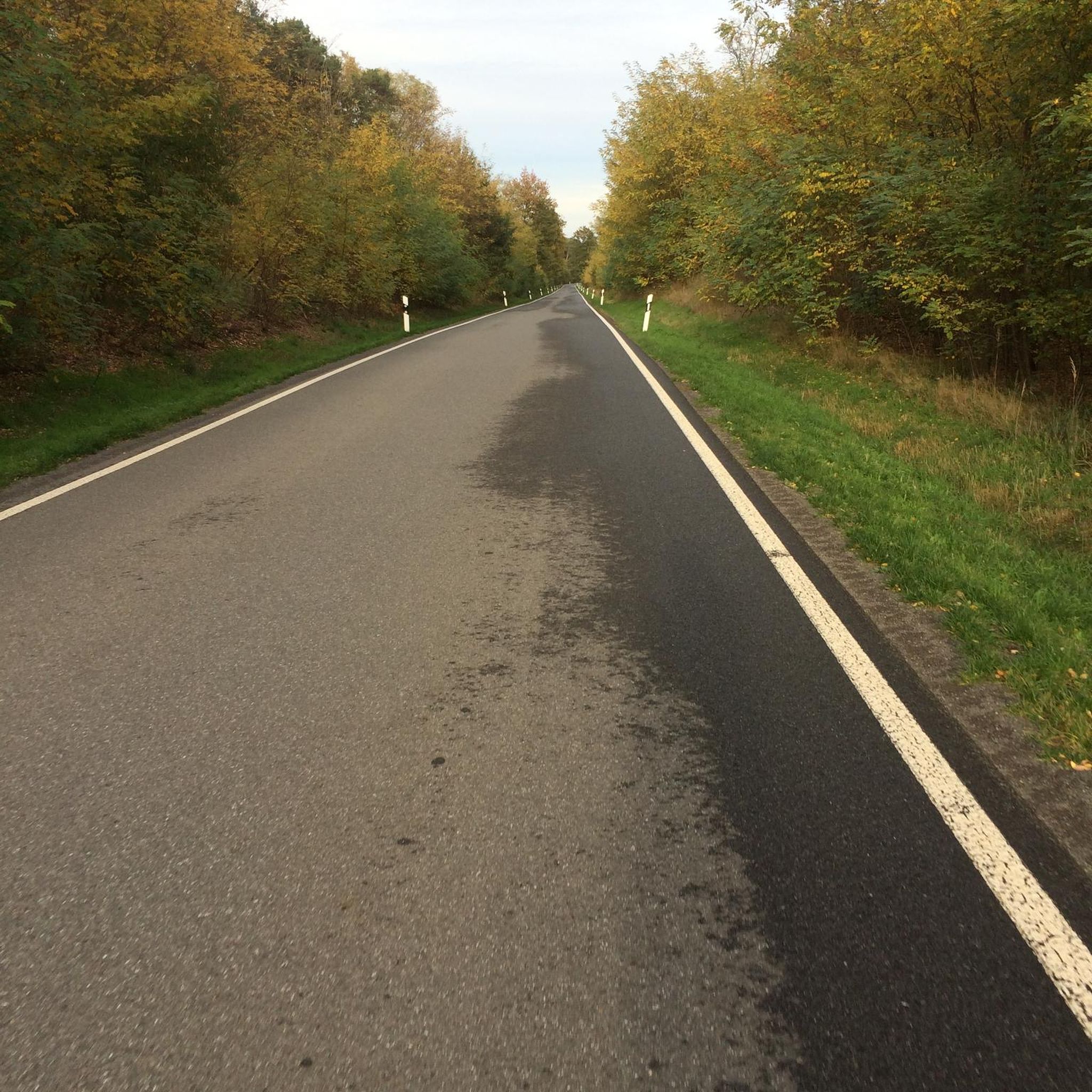
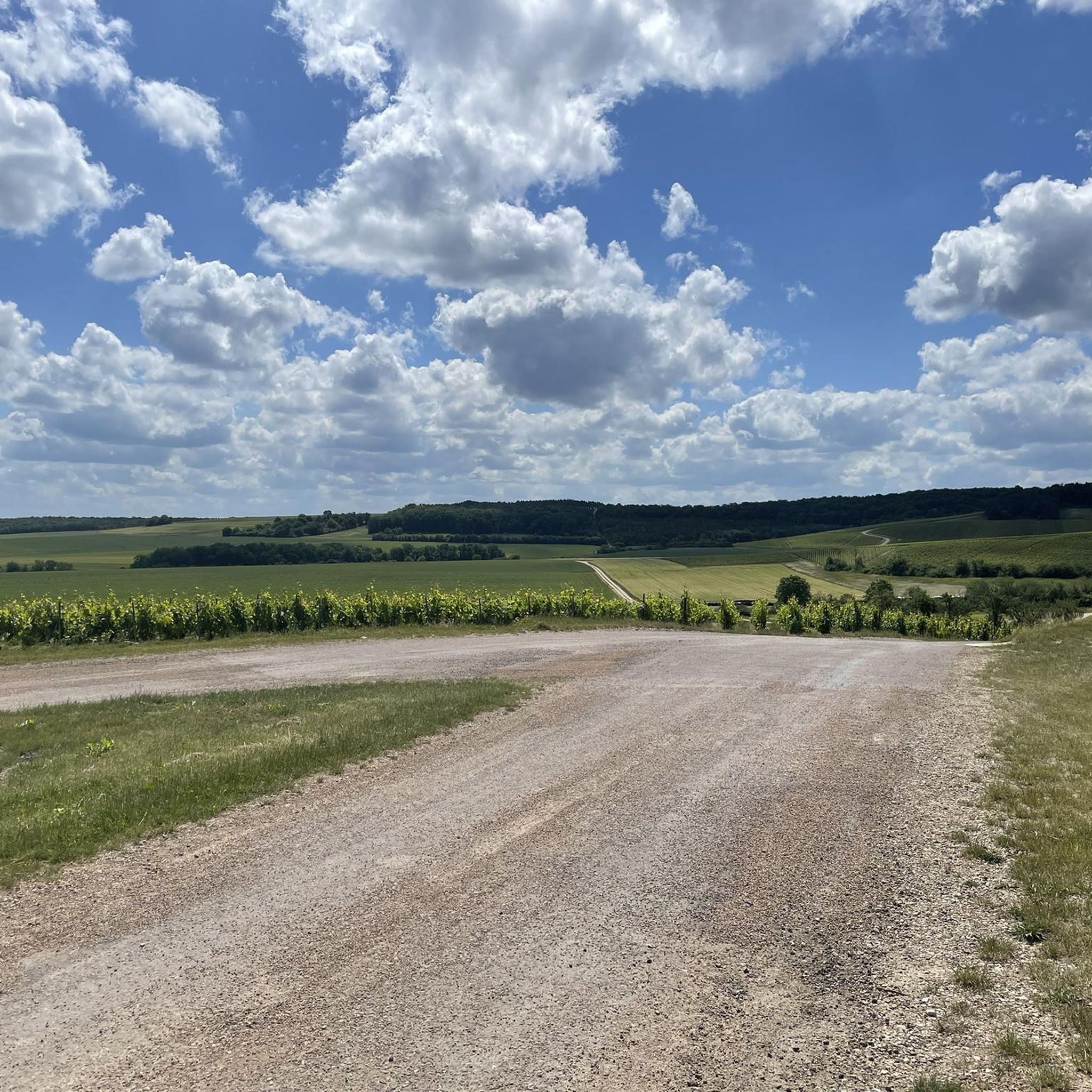
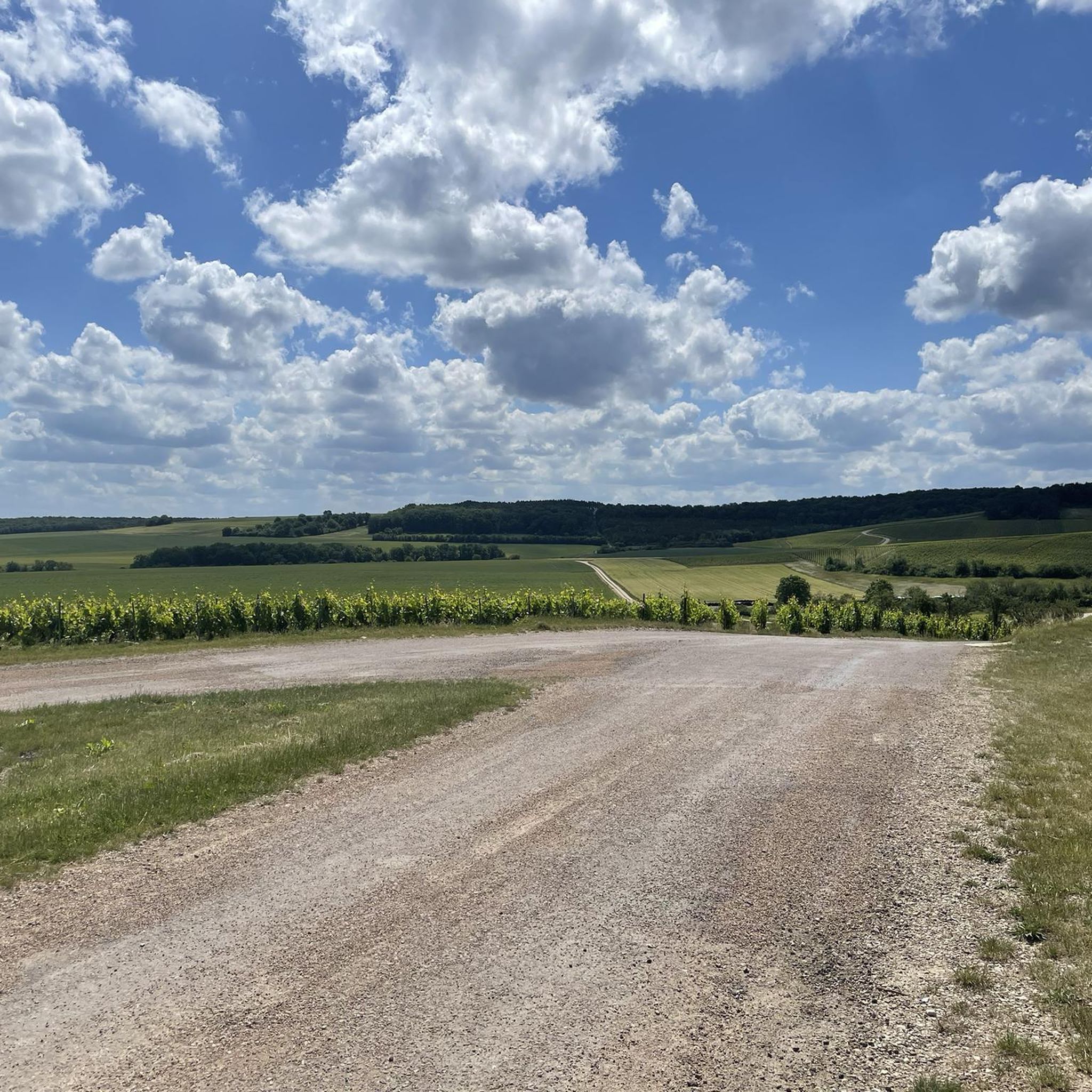
Gravel Path Through the Vineyards
Highlight • Trail
Translated by Google •
Tip by
Sign up for free to discover even more attractions around Bayel.
Sign up for free
Already have an account?
Start today with a free account
Your next adventure awaits.
Login or Signup

Tips from the Community

This is where the de Gaulles are buried. Charles de Gaulle's grave lies between the large memorial/museum and the La Boisserie residence, so it's easily accessible on the way from one to the other.
0
0

Former Cistercian abbey from the 12th century, rebuilt in the 18th century then transformed into a prison in the 19th century by Napoleon. Consult the opening hours and visiting conditions: https://www.abbayedeclairvaux.com/
0
0
Former Cistercian abbey from the 12th century, rebuilt in the 18th century then transformed into a prison in the 19th century by Napoleon. Consult the visiting conditions: https://www.abbayedeclairvaux.com/
0
0

The St. Peter's Church in Bar-sur-Aube is a church dedicated to the apostle Peter. The church is located in the town of Bar-sur-Aube, in the Aube department, in the Grand Est region. The church dates from the 12th century and is Romanesque in style. The church has a remarkable organ from the 17th century, which originally came from another monastery. The church also has an 18th century tower, which offers a beautiful view of the town and the Aube River.
8
0
Via Francigena: During this stage, a stop in Bar-sur-Aube is a must. Situated on a north-south axis, the town acquired strategic importance and the status of a commercial centre during the period of the Counts of Champagne. The latter had indeed guaranteed the security of the merchants and set up an adapted logistical organisation that contributed to the development of Bar-sur-Aube as a commercial centre. Thus, from mid-February to mid-April, traders from Flanders and Italy exchanged oriental spices, silk, textiles and raw materials from Northern Europe. The architecture of the town bears witness to this past activity.
7
0

The Saint-Pierre Church of Bar-sur-Aube is a historic monument which deserves special attention. Dating from the 12th century, it has remarkable architecture with its harmonious apse and its halloy, a 14th century wooden portico which gives it a unique exterior originality. Inside, the nave offers a beautiful perspective, allowing you to admire the capitals of very Cistercian simplicity and the vault. The church also houses a Romanesque Sedes Sapientiae from the 12th century and sculptures from the 16th century, including a particularly beautiful Virgin and Child with a Bouquet. The Bouchardon altarpiece dating from 1736 and the magnificent Baroque organ case from the 18th century are also notable elements of this heritage. Visitors appreciate the calm and light of the nave, which reveals traces of past polychromy. The exhibition of 16th century statuary and the organ case in three bodies from three distinct periods add to the historical and artistic richness of Saint-Pierre Church. In short, the Saint-Pierre Church is a jewel of Bar-sur-Aube which offers visitors a journey through time and sacred art. It is a living testimony to the history and culture of the region, and its visit is highly recommended for those interested in religious architecture and art history.
4
0

This serious road offers a great reward to those who take it. You will be amazed by the splendid panorama of the vineyards. If you visit it in autumn, you will be dazzled by the colors of the leaves turning orange and red.
0
0
Two rivers cross the pretty town of Bar-sur-Aube. These are the Aube river which gives its name to the department and the Bresse. Numerous Champagne vineyard hillsides surround it, which makes it a renowned place for the production of champagne.
2
0
Frequently Asked Questions
What is the historical significance of Bayel?
Bayel is renowned for its centuries-old glassmaking tradition, dating back to the 1300s. It was home to the Royal Glassworks of Champagne, established in 1666 under King Louis XIV. The village also features significant religious heritage, including the 12th-century Church of Saint Martin, a classified historical monument.
Where can I learn about Bayel's glassmaking heritage?
You can explore the history of glass and crystal making at the Crystal Museum (Musée du Cristal) and Glass Workshop (Atelier du Verre). Located within a historic glassworks, the museum showcases unique pieces and tools, while the workshop offers live glassblowing demonstrations. A 'Promenade Verrière' (Glassmakers' Walk) also allows you to discover the village's connection to this craft.
Are there any historical churches to visit in Bayel?
Yes, the Church of Saint Martin is a notable historical monument in Bayel. Its oldest parts date back to the 12th century, and it houses significant religious art, including a 16th-century polychrome stone 'Piéta' and a 14th-century 'Virgin and Child' statue.
What natural features can I explore around Bayel?
The River Aube flows through the commune, forming part of its northern border. The area is characterized by a landscape of forests and farmland. You can also find several marked 'Verriers' (Glassmakers) discovery trails within the communal forest and the Clairvaux state forest, offering opportunities to explore the natural environment.
Are there hiking trails near Bayel?
Yes, Bayel offers several marked 'Verriers' discovery trails suitable for hikers, mountain bikers, and horse riders. These trails, ranging from 2 km to 7 km, focus on discovering the natural environment, with themes like 'Remarkable Trees,' 'From Seed to Tree,' and 'Discovery of Flora and Fauna.' For more options, you can explore the Hiking around Bayel guide.
What cycling routes are available in the Bayel area?
The region around Bayel offers various cycling routes. You can find options for road cycling and touring bicycles, with routes like the 'Bayel Crystal Museum loop' or longer tours connecting to Bar-sur-Aube and Clairvaux Abbey. For detailed routes and difficulties, check the Road Cycling Routes around Bayel and Cycling around Bayel guides.
Are there any family-friendly attractions near Bayel?
Families might enjoy visiting the Château de Rennepont, a historic manor with a small 17th-century castle. While not directly in Bayel, it's a nearby site that offers a glimpse into the region's past and is considered family-friendly.
What is there to see in the nearby town of Bar-sur-Aube?
The nearby town of Bar-sur-Aube is a charming settlement known for its Champagne vineyards and historical role as a commercial center. It features the Saint Pierre Church of Bar-sur-Aube, a 12th-century Romanesque church with remarkable architecture and art.
Where can I find panoramic views of vineyards near Bayel?
For splendid panoramic views of vineyards, consider exploring the Gravel Path Through the Vineyards. This trail offers a rewarding experience, especially in autumn when the leaves turn vibrant orange and red.
What do visitors appreciate most about the attractions around Bayel?
Visitors often appreciate the blend of historical significance and natural beauty. The region's rich glassmaking heritage and ancient churches offer cultural insights, while the surrounding forests and vineyards provide opportunities for scenic hikes and bike rides. The historical context of places like Tomb of General de Gaulle also draws significant interest.
Is there a significant historical burial site near Bayel?
Yes, the Tomb of General de Gaulle is located nearby. This cemetery is the burial site of Charles de Gaulle, a figure of great historical significance, and is a place of quiet reflection for many visitors.

Get inspired with the komoot mobile app


Explore more
Still not found the Highlight you’re looking for? See guides of the top attractions in other regions:
