The best road cycling routes around Heuqueville
4.3
(114)
1,867
riders
115
rides
Road cycling routes around Heuqueville traverse the diverse landscapes of Seine-Maritime in Normandy, France. The region is characterized by its dramatic chalk cliffs of the Alabaster Coast, particularly near Étretat, and a mix of green bocage, valleys, and picturesque villages inland. Cyclists will encounter varied terrain, from coastal paths offering sea views to routes through the Norman countryside. The area provides a network of paved surfaces suitable for road cycling.
Best road cycling routes around Heuqueville
- The most popular road…
Last updated: October 18, 2026
3.0
(1)
14
riders
34.6km
01:33
350m
350m
Moderate road ride. Good fitness required. Mostly well-paved surfaces and easy to ride.
11
riders
Moderate road ride. Good fitness required. Mostly well-paved surfaces and easy to ride.

5.0
(1)
18
riders
65.7km
03:19
590m
590m
Moderate road ride. Good fitness required. Mostly well-paved surfaces and easy to ride.
10
riders
35.6km
01:32
290m
290m
Moderate road ride. Great for any fitness level. Some segments of this route may be unpaved and difficult to ride.
4.0
(1)
8
riders
Moderate road ride. Good fitness required. Mostly well-paved surfaces and easy to ride.
Get access to more routes and recommendations from other explorers.
Already have an account?
Our route recommendations are based on thousands of hikes, rides, and runs completed by other people on komoot.
Start today with a free account
Your next adventure awaits.
Tips from the Community

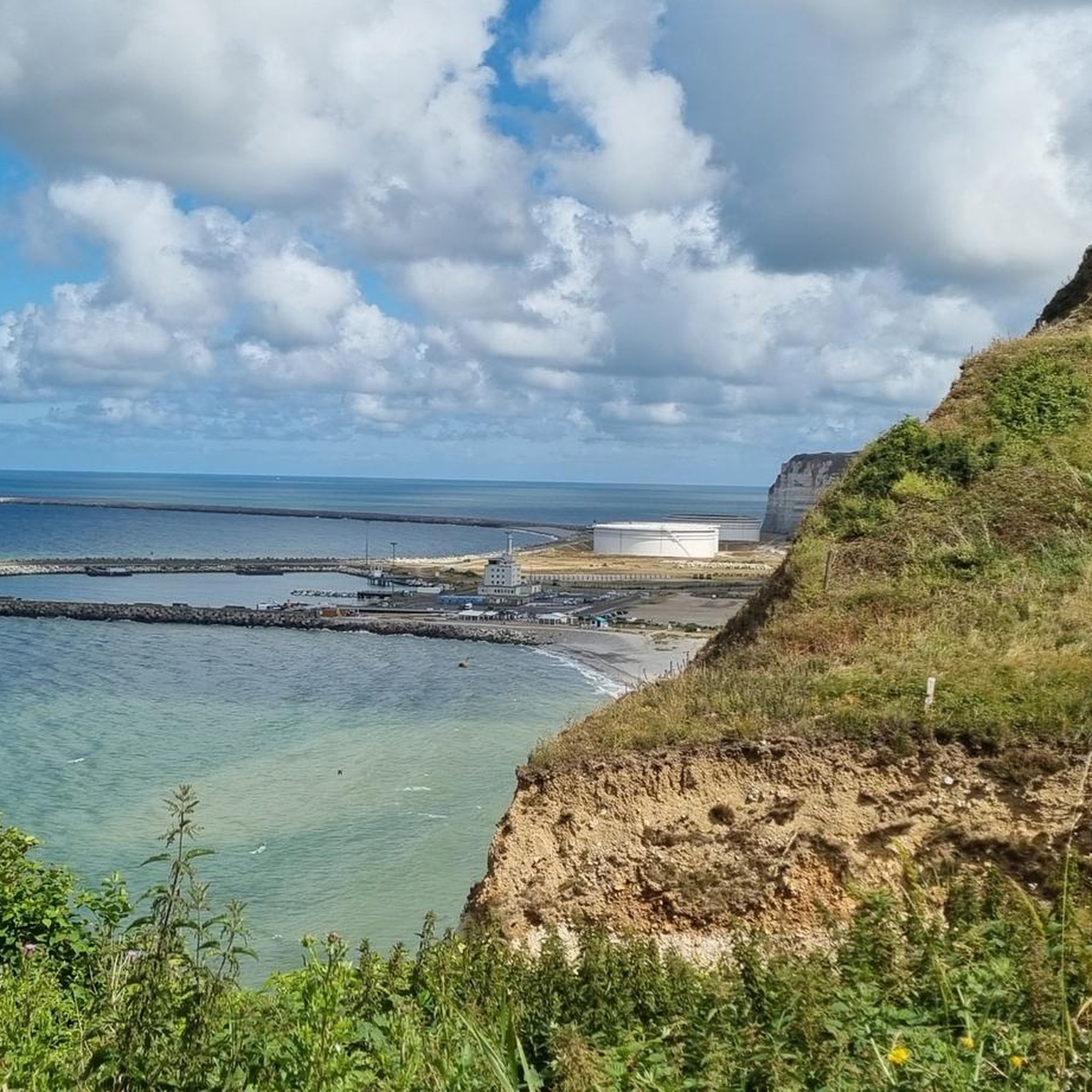
Saint-Jouin-Bruneval ⚓️🛥️🪝06.04.2026 Saint-Jouin-Bruneval is a French commune with 1822 inhabitants in the Seine-Maritime department in the Normandy region. It belongs to the arrondissement of Le Havre and is a member of the Le Havre Seine Métropole intercommunal structure. The inhabitants are called Saint-Jouinais and Saint-Jouinaises.
0
0

The viewpoint is located on a curve, so be very careful when stopping!
0
0

In addition to a remarkable sanctuary from the late 13th and early 14th centuries, the church houses an 18th-century polychrome wooden statue of Saint Sebastian.
2
0


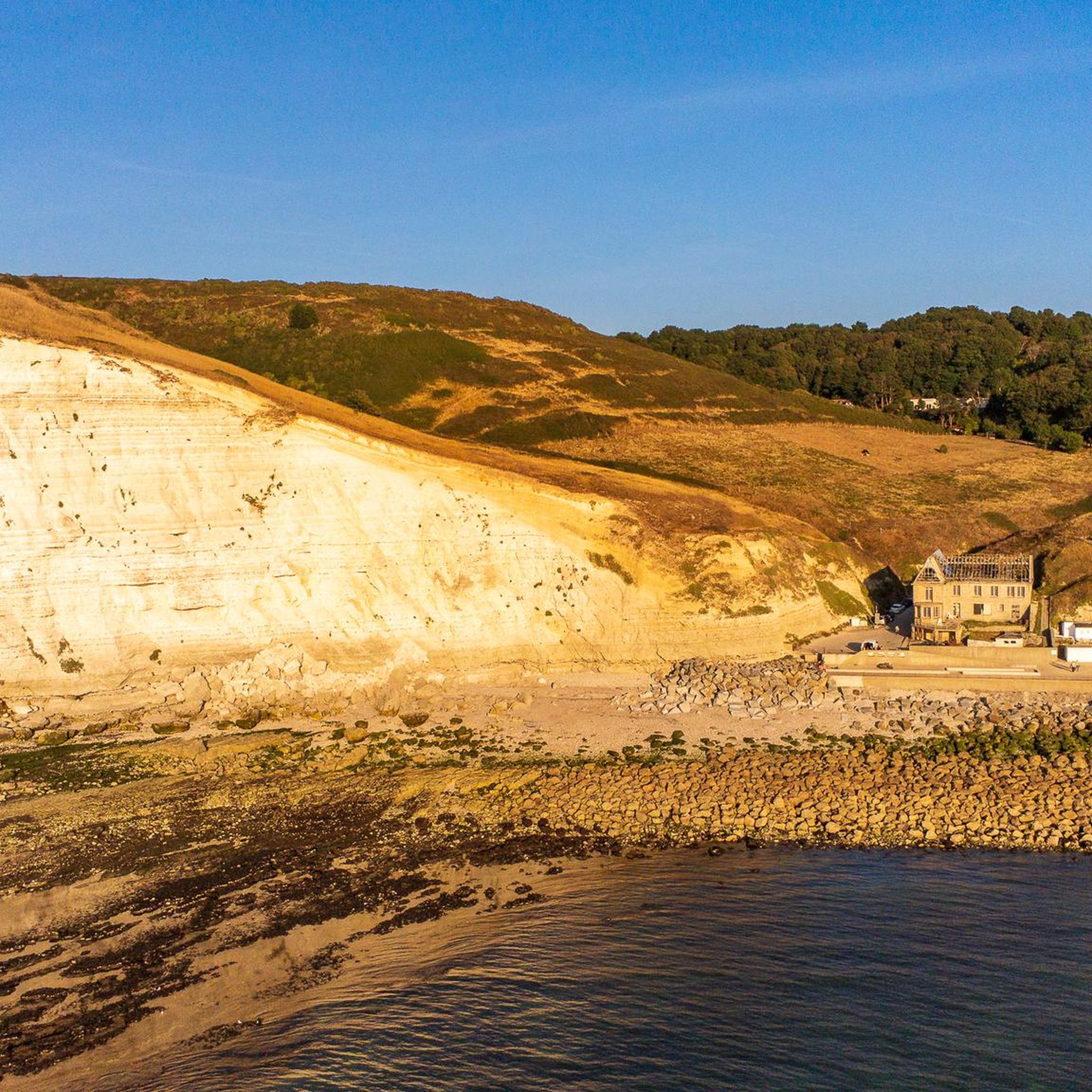
Saint Valery is the monk Walaric who is said to have celebrated baptisms to the north of the village, near a spring. He was nicknamed the evangelist of the cliffs for having been the first missionary on the Channel coast in the 7th century. At the beginning of the 12th century, Guillaume Malet de Graville donated the Saint-Valery church to the monks of the Graville priory. On September 10, 1944, the village of Fontaine-la-Mallet was 99% destroyed during Operation Astonia intended to liberate Le Havre. Placed under the aegis of the Ministry of Reconstruction and Urban Planning, the reconstruction of the town was implemented by architects who participated, in parallel, in the construction of the city center of Le Havre. The church was entrusted to the architect Serge Zoppi. The first stone having been laid on October 25, 1954, the church, which is distinguished by its 31 m high concrete spire in the shape of wheat ears, was completed in 1957. The church has a single-volume nave preceded by a porch with a bell tower on the side. The building is traditional in its shape and regionalist style: the exterior facing is made of materials from the Pays de Caux (bricks and pebbles) while the design of the spire in the shape of wheat ears recalls local agricultural production. On the other hand, the use of reinforced concrete allows for the development of a modern aesthetic, of which the bell tower offers a remarkable example with its openwork lacework. Since November 26, 2001, the church, its presbytery, the staircase, the terrace and enclosure walls have been listed in the supplementary inventory of historic monuments.
0
0
The church of Saint Anne was given to the priory of the Madeleine of Rouen by Richard the Lionheart. This old Romanesque church from the 11th century suffered damage during the revolution. It was burned and rebuilt at the beginning of the 19th century, but without its bell tower which would be erected later. The bell was suspended from scaffolding in the cemetery, which earned Bénouville the nickname of a village without a bell tower. The church retains some vestiges of its original construction and a baptismal font from the 12th century.
0
0
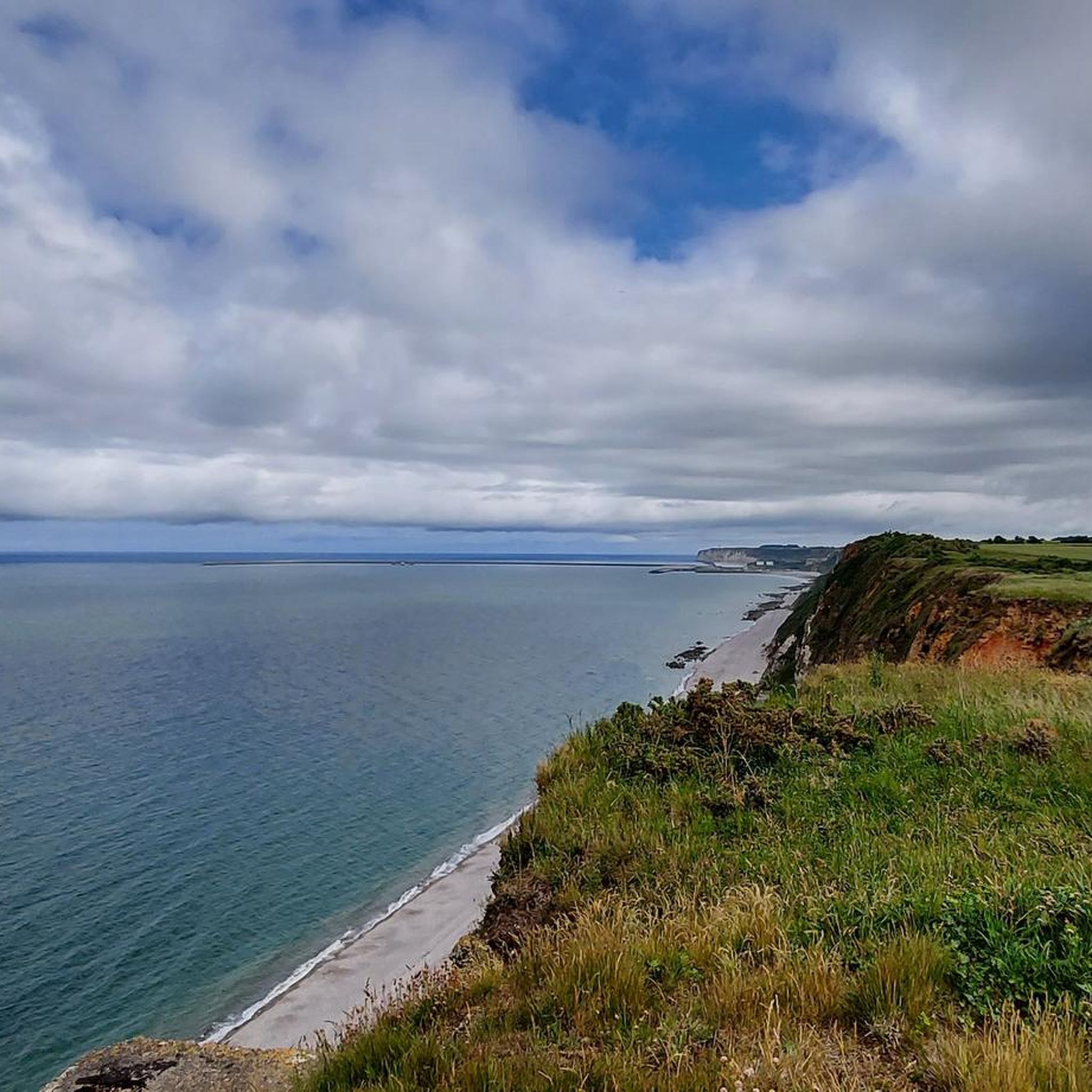
Now I see salvation, the end of my journey. Seeing Etretat, this beach, and leaving again, it would be too sad.
0
0
Frequently Asked Questions
How many road cycling routes are available around Heuqueville?
There are over 110 road cycling routes around Heuqueville, offering a wide range of options for different skill levels. The komoot community has explored more than 1,300 of these routes.
What kind of terrain can I expect on road cycling routes near Heuqueville?
Road cycling around Heuqueville features diverse terrain. You'll find routes along the dramatic chalk cliffs of the Alabaster Coast, offering stunning sea views, as well as paths through the green Norman countryside, with its mix of bocage, valleys, and picturesque villages. The routes are primarily on paved surfaces suitable for road bikes.
Are there road cycling routes suitable for beginners or those looking for an easy ride?
Yes, Heuqueville offers several easy road cycling routes. For example, the Bec Castle loop from Heuqueville is an easy 25.7-mile (41.4 km) path that provides views of the historic Bec Castle and the surrounding countryside. Another easy option is the Château du Bec – Bec Castle loop from Mannevillette, covering 26.6 km.
What are some challenging road cycling routes for experienced riders?
While most routes are easy to moderate, there are a few more challenging options for experienced riders. The region's varied elevation, particularly inland and along some coastal sections, can provide a good workout. For example, the Astonia Tank Memorial – Fréfossé Castle (Le Tilleul) loop from Heuqueville is a moderate 37.6-mile (60.5 km) route that includes significant elevation changes.
Can I find circular road cycling routes around Heuqueville?
Yes, many of the road cycling routes around Heuqueville are designed as loops, allowing you to start and end in the same location. Examples include the Small Tour of the Pays de Caux and the Bec Castle loop from Heuqueville.
What interesting landmarks or viewpoints can I see along the road cycling routes?
The region is rich in natural and historical landmarks. Many routes offer views of the iconic Cliffs of Étretat, including the famous Porte d'Aval Arch. The Pointe de la Courtine Viewpoint offers magnificent panoramic vistas of the Alabaster Coast. Inland, you might pass by historic sites like Fréfossé Castle or Bec Castle.
Are there any family-friendly road cycling options in the Heuqueville area?
While specific family-friendly road cycling routes are not detailed in the guide, the region of Normandy generally offers diverse cycling landscapes, including routes that utilize old railway tracks for family-friendly rides. For road cycling, the easier, shorter loops around Heuqueville, such as the Bec Castle loop from Heuqueville, could be suitable for families with older children comfortable on paved roads.
What do other road cyclists enjoy most about road cycling in Heuqueville?
The area is highly rated by the komoot community, with an average score of 4.3 stars from over 70 reviews. Cyclists often praise the diverse scenery, from coastal views to the green Norman countryside, and the well-maintained paved surfaces that make for enjoyable road cycling.
What is the best time of year for road cycling around Heuqueville?
The region generally offers pleasant cycling conditions from spring through autumn. The coastal areas can be windy, so checking local weather forecasts is always recommended. Summer provides longer daylight hours, while spring and autumn offer milder temperatures and potentially fewer crowds.
Are there long-distance road cycling routes that pass through or near Heuqueville?
Yes, Normandy is part of major long-distance cycling routes. The famous La Vélomaritime (EuroVelo 4) passes through Normandy, offering stunning views of cliffs and beaches. While not directly detailed in the Heuqueville routes, these larger networks provide opportunities for extended tours in the region. For more information on cycling in Normandy, you can visit France Vélo Tourisme.
Where can I find parking for road bike trails in Heuqueville?
Specific parking locations are not detailed for individual routes. However, as Heuqueville is a village, parking is generally available in or near the village center. For routes starting from nearby towns like Mannevillette or Saint-Jouin-Bruneval, local parking options would be available in those settlements.
Can I access road cycling trails near Heuqueville using public transport?
Public transport options in rural areas like Heuqueville can be limited. While specific bus routes might connect Heuqueville to larger towns, it's advisable to check local bus schedules for Seine-Maritime. For more extensive cycling infrastructure and public transport links, larger towns in the region might offer better access points.
Most popular attractions around Heuqueville

Get inspired with the komoot mobile app


Explore more
Browse the best Road cycling routes in other regions.
