The best walks and hikes around Anglesqueville-L'Esneval
4.5
(4863)
25,770
hikers
244
hikes
Hiking around Anglesqueville-L'Esneval offers a variety of trails through diverse landscapes. The region features coastal paths, woodlands, and agricultural areas, providing varied terrain for hikers. Elevation changes are generally moderate, with some routes including steeper sections. The network of trails caters to different experience levels, from easy walks to more challenging hikes.
Best hiking trails around Anglesqueville-L'Esneval
- The most popular hiking route is Gonneville-la-Mallet – Bois de Beaurepaire Trail loop from Gonneville-la-Mallet, a 7.1 miles (11.4 km) trail that…
Last updated: October 12, 2026
4.5
(15)
57
hikers
Moderate hike. Good fitness required. Easily-accessible paths. Suitable for all skill levels.
4.5
(4)
40
hikers
12.9km
03:28
150m
150m
Moderate hike. Good fitness required. Easily-accessible paths. Suitable for all skill levels.

4.3
(4)
23
hikers
Hard hike. Very good fitness required. Easily-accessible paths. Suitable for all skill levels.
4.5
(2)
7
hikers
8.47km
02:17
100m
100m
Moderate hike. Good fitness required. Easily-accessible paths. Suitable for all skill levels.
4
hikers
11.8km
03:05
100m
100m
Moderate hike. Good fitness required. Easily-accessible paths. Suitable for all skill levels.
Get access to more routes and recommendations from other explorers.
Already have an account?
Our route recommendations are based on thousands of hikes, rides, and runs completed by other people on komoot.
Start today with a free account
Your next adventure awaits.
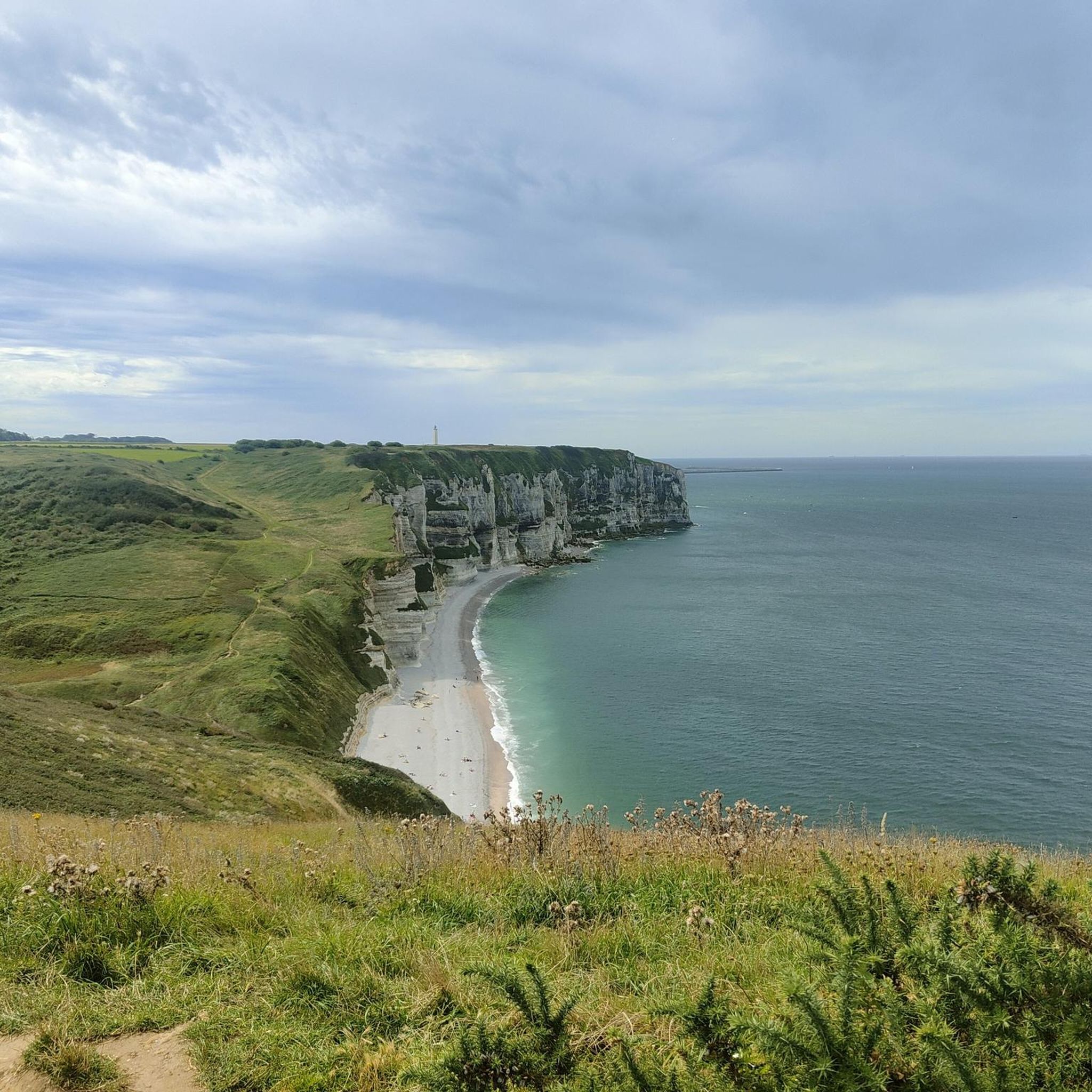
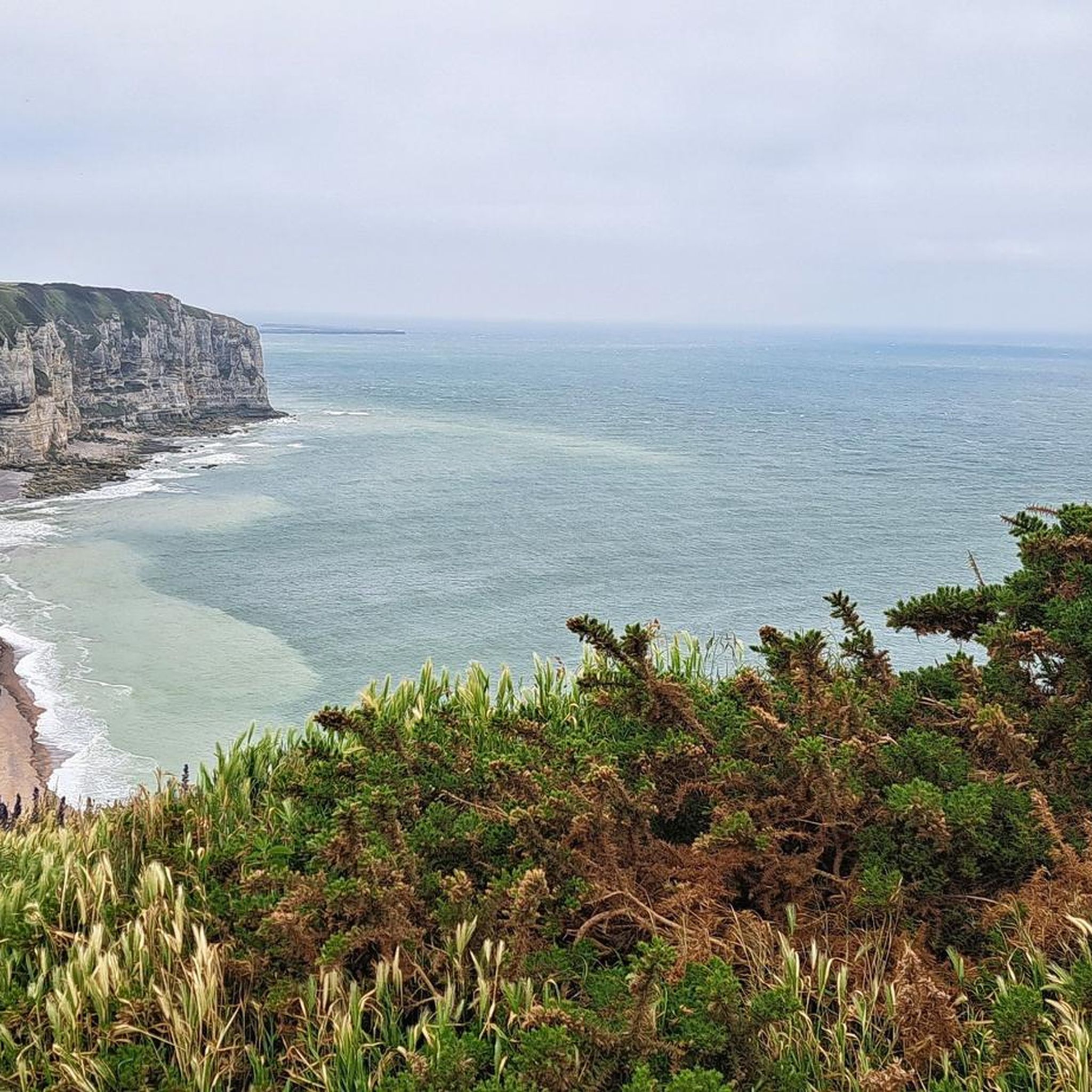
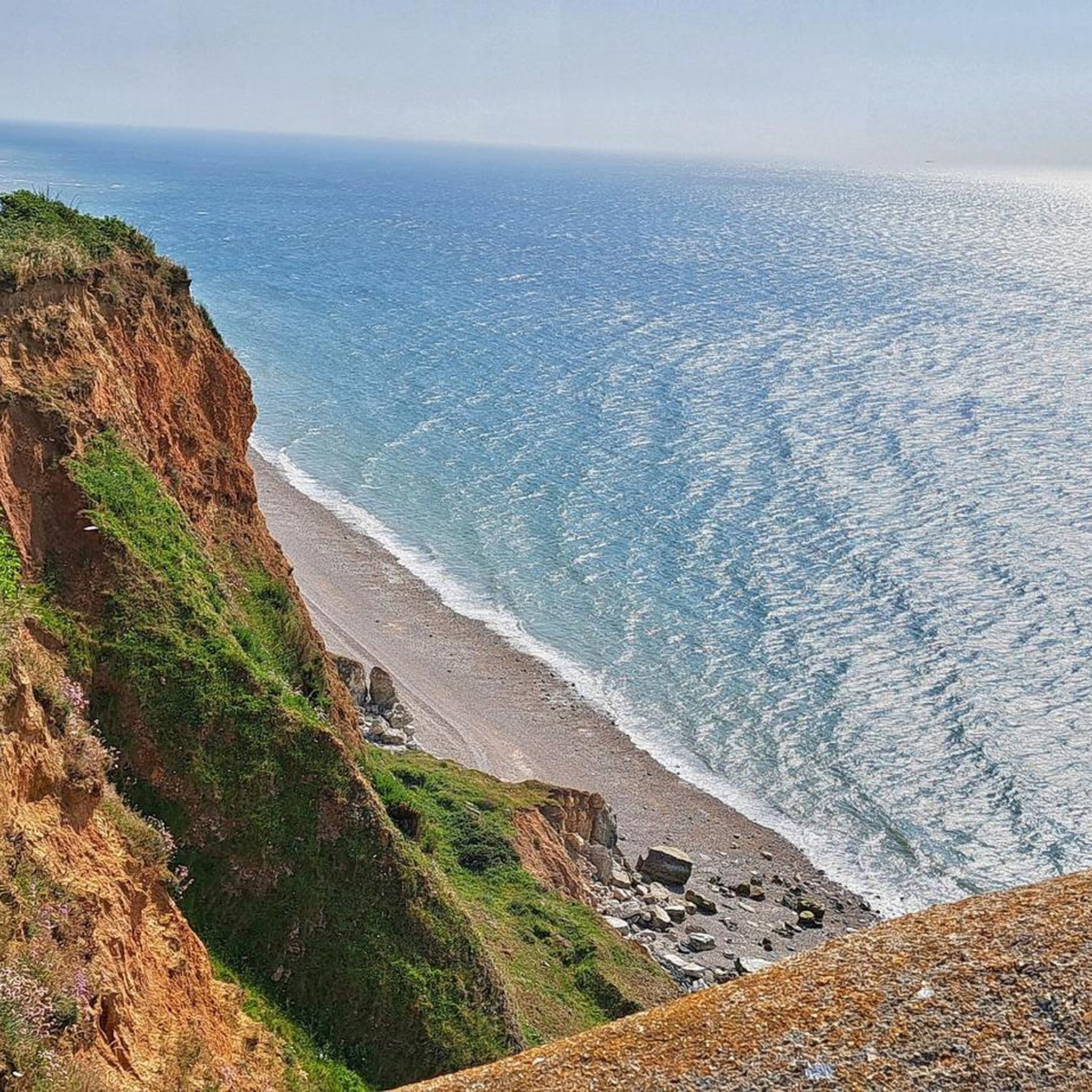


Tips from the Community

Interesting property with a beautiful garden
0
0

And again the many small, beautiful coastal houses
6
0

Now I see salvation, the end of my journey. Seeing Etretat, this beach, and leaving again, it would be too sad.
0
0

You can see them on the main road towards the cliffs
2
0

The town hall of Étretat, located in the center of the picturesque coastal town, impresses with its simple elegance. Surrounded by flowering flower boxes and embedded in the charming architecture of the town, it blends harmoniously into the historic townscape. The light stone facade and the carefully tended flowers create a welcoming atmosphere that underlines the typical charm of Étretat. The typical half-timbered houses of the region are lined up around the town hall, which immediately catch the eye with their elaborately designed wooden structures and colorful facades. Strolling through the alleys, past small shops and cozy cafés, you can feel the special atmosphere of this place. The square in front of the town hall, often lively and full of activity, is the ideal starting point to explore the town and its rich history. Étretat enchants not only with its impressive nature, but also with the attention to detail that is reflected in the buildings. The town hall forms a central point from which you can experience the unique mix of nature, culture and history.
1
0

The town of Étretat is small and doesn't offer any real highlights. However, this old market hall is very beautiful. Étretat lives on through its famous chalk cliffs and its sad World War II past.
6
0

Frequently Asked Questions
How many hiking trails are available around Anglesqueville-L'Esneval?
There are over 240 hiking routes in the Anglesqueville-L'Esneval region. This includes a diverse range of trails, with approximately 100 easy, 100 moderate, and 35 difficult options to choose from, catering to various skill levels and preferences.
Are there easy hiking trails suitable for beginners or families in Anglesqueville-L'Esneval?
Yes, the region offers over 100 easy hiking trails perfect for beginners or families. A good option is the Château de la Marguerite loop from Saint-Martin-du-Bec, which is just 2.2 miles (3.6 km) long and takes about an hour to complete, featuring minimal elevation gain.
Can I find circular hiking routes in Anglesqueville-L'Esneval?
Many of the trails in Anglesqueville-L'Esneval are circular, allowing you to start and end at the same point. For example, the Hiking loop from Saint-Martin-du-Bec is a moderate 5.6-mile (9 km) route that offers a complete loop through varied landscapes.
What are some longer or more challenging hiking trails in Anglesqueville-L'Esneval?
For those seeking a challenge, Anglesqueville-L'Esneval has over 35 difficult routes. The Bois de Beaurepaire Trail – Gonneville-la-Mallet loop from Gonneville-la-Mallet is a demanding 18.0-mile (28.9 km) trail that takes nearly 8 hours to complete, traversing woodlands and rural areas with significant elevation changes.
What kind of landscapes can I expect to see while hiking in this region?
The Anglesqueville-L'Esneval region is characterized by diverse landscapes, including stunning coastal paths with dramatic cliffs, dense woodlands like the Bois de Beaurepaire, and expansive agricultural areas. You'll experience a mix of open countryside and sheltered forest trails.
Are there any notable landmarks or attractions to see along the hiking trails?
Yes, the area is rich in natural and historical landmarks. You can explore the iconic Cliffs of Étretat, including the famous Porte d'Aval Arch. There are also several historic castles nearby, such as Fréfossé Castle and Château de Bénouville, offering glimpses into the region's past.
What is the best time of year to go hiking in Anglesqueville-L'Esneval?
The best time to hike in Anglesqueville-L'Esneval is generally from spring to autumn (April to October) when the weather is milder and the trails are in good condition. Summer offers longer daylight hours, while spring and autumn provide pleasant temperatures and beautiful seasonal colors, especially in the woodlands.
What do other hikers enjoy the most about hiking in Anglesqueville-L'Esneval?
The komoot community highly rates hiking in Anglesqueville-L'Esneval, with an average score of 4.5 stars from over 3,600 reviews. Hikers often praise the varied terrain, from the dramatic coastal views to the peaceful forest paths, and the well-maintained network of trails suitable for all abilities.
Are there opportunities for wildlife spotting on the trails?
Given the region's mix of woodlands, coastal areas, and agricultural land, there are opportunities to observe local wildlife. Keep an eye out for various bird species along the coast and in the forests, as well as small mammals in the more secluded areas.
Are there any specific considerations for winter hiking in Anglesqueville-L'Esneval?
Winter hiking is possible, but conditions can be wet and muddy, especially on unpaved trails. Coastal paths might be exposed to strong winds. Always check local weather forecasts, wear appropriate waterproof and warm clothing, and ensure your footwear has good grip. Some trails might be less accessible due to ice or heavy rain.
What should I wear for hiking in Anglesqueville-L'Esneval?
For hiking in Anglesqueville-L'Esneval, it's advisable to wear comfortable, layered clothing suitable for varying weather conditions. Sturdy hiking boots with good ankle support are recommended, especially for coastal paths or muddy woodland trails. A waterproof jacket is always a good idea, regardless of the season, due to the proximity to the coast.
Most popular routes around Anglesqueville-L'Esneval
Most popular attractions around Anglesqueville-L'Esneval

Get inspired with the komoot mobile app


Explore more
Browse the best Hikes in other regions.
