Top 4 Castles around Belmesnil
Best castles around Belmesnil are situated in a region of Normandy known for its historical landscapes and rural charm. The area offers a mix of architectural styles, from medieval ruins to 19th-century estates. These historical sites are often set within expansive parks and gardens, providing opportunities for exploration. The region's terrain is generally gentle, making it accessible for various outdoor activities.
Best castles around Belmesnil
- The most popular castles is Imbleville Castle, a castle that dates back over 500 years, founded in 1491 and redesigned in the 19th century. With its medieval appearance, it is surrounded by a 3-hectare water garden on the banks of the Saâne, where the three towers of the old facade are reflected in the moat.
- Another must-see spot is Château de Miromesnil, a castle famous as the birthplace of Guy de Maupassant. The castle complex includes a large garden and an extensive park, designated a "Jardin Remarquable" by the French Ministry of Culture.
- Visitors also love Longueville-sur-Scie Castle, an ancient feudal castle that existed from the 11th to the 15th century. Currently in ruins, it was built by a companion of William the Conqueror, Gauthier Giffard.
- Belmesnil is known for its medieval castles, historical estates, and castle ruins. Visitors can explore sites ranging from well-preserved châteaux with notable gardens to the remnants of ancient feudal strongholds.
- The castles around Belmesnil are appreciated by the komoot community, with 16 upvotes and 25 photos shared by visitors.
Last updated: June 17, 2026
Château de Miromesnil
Highlight • Castle
The castle is famous as the birthplace of Guy de Maupassant. The writer was born on August 5, 1850, on the first floor of the building. His parents rented the castle at the time.
The castle complex includes a large garden and an extensive park, which have been designated a "Jardin Remarquable" by the French Ministry of Culture. Since February 6, 1945, the castle building has been listed as a historical monument in France. The castle chapel, which is part of the complex, has been classified as an independent historical monument since July 1957.
Source: de.wikipedia.org/wiki/Schloss_Miromesnil
Translated by Google •
Tip by

Imbleville Castle
Highlight • Castle
The gardens were created between 1920 and 1950 by the Saint-Rémy family. It is known in the region as "La Perle de la Saâne".
Visiting friends, you can admire the perspective of this garden from the hiking trail or visit it in season.
seine-maritime-tourisme.com/diffusio/fr/je-choisis/une-visite/parcs-jardins/imbleville/jardin-du-chateau-d-imbleville_TFOPCUNORM00FS000AF.php
Translated by Google •
Tip by

Sign up now to discover places like this
Get recommendations on the best single tracks, peaks, & plenty of other exciting outdoor places.
Sign up for free
Longueville-sur-Scie Castle
Highlight • Castle
Translated by Google •
Tip by

Château de Sainte-Foy
Highlight • Castle
Translated by Google •
Tip by

Start today with a free account
Your next adventure awaits.
Login or Signup



Tips from the Community

The castle was built in the style of Louis XIV. It features a large garden, which includes a 200-year-old Lebanon cedar. The entire complex is surrounded by a moat to protect it from wildlife. The castle is now privately owned.
2
0

This estate presents a beautiful ensemble: the castle, the outbuildings, the park and the chapel dating from the late 18th and early 19th centuries.
0
0

Currently in ruins, this ancient feudal castle which existed from the 11th to the 15th century was built by a companion of William the Conqueror, Gauthier Giffard. An interpretation panel allows you to find out more about the place.
1
0

Miromesnil Castle (French: Château de Miromesnil) is located in the commune of Tourville-sur-Arques in the Seine-Maritime department, in Normandy in northern France. The castle's name comes from the French nobleman Armand Thomas Hue, vicomte de Miromesnil, a minister of the Ancien Régime under Louis XVI. The castle is famous as the birthplace of Guy de Maupassant. The writer was born on August 5, 1850, on the first floor of the building. His parents rented the castle at the time. The castle complex includes a large garden and an extensive park, which have been designated a "Jardin Remarquable" by the French Ministry of Culture. Since February 6, 1945, the castle building has been listed as a historical monument in France. The castle chapel, which is part of the complex, has been classified as an independent historical monument since July 1957. Source: https://de.wikipedia.org/wiki/Schloss_Miromesnil
4
0

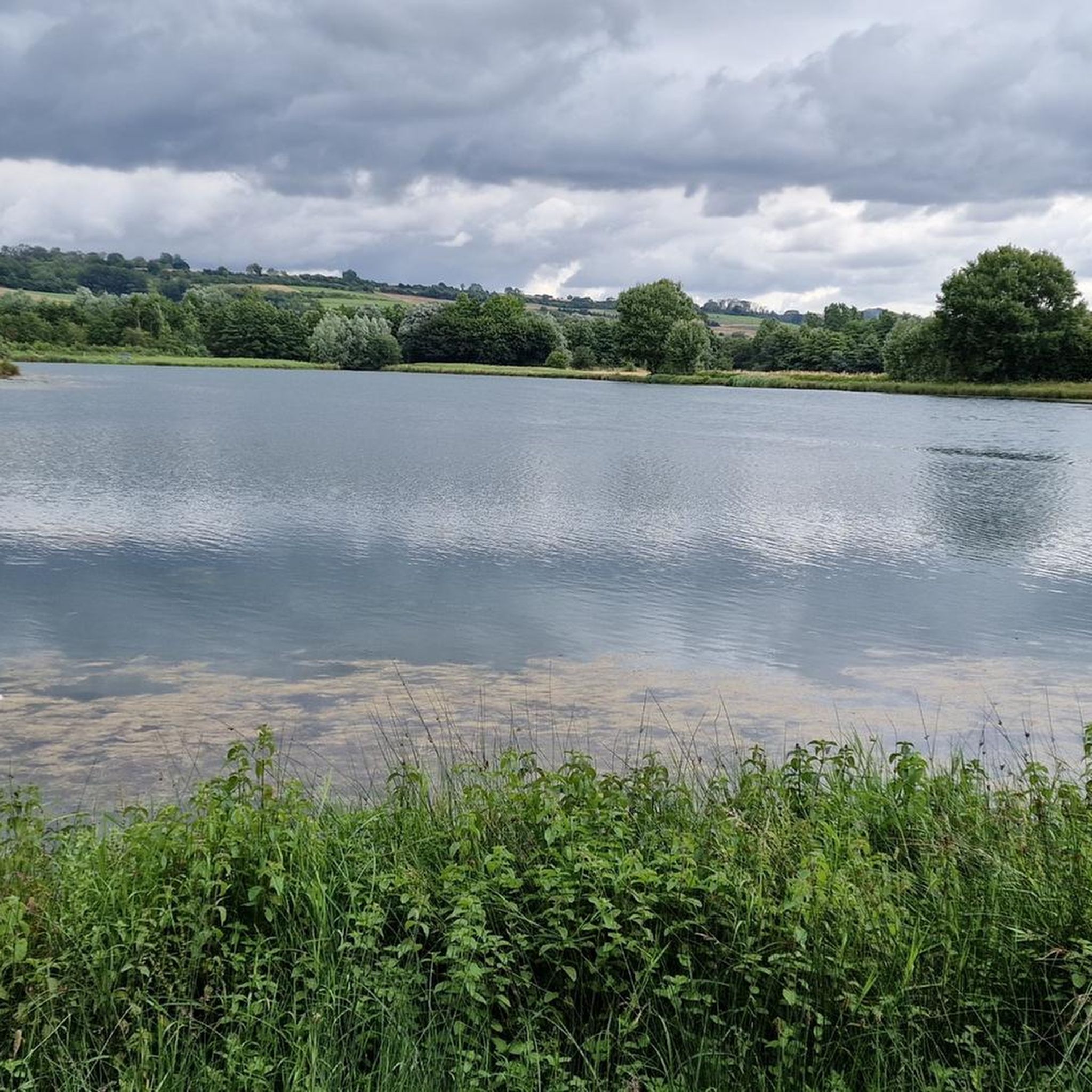
Superb castle of Imbleville with the Saane which passes right next to it
1
0

A beautiful garden invites you to visit.
1
0

I didn't go inside the castle; a swarm of French schoolchildren was just heading in. But the garden (which is what I came for) is fantastic.
2
0

Frequently Asked Questions
What types of castles can I explore around Belmesnil?
The region around Belmesnil offers a diverse range of castles, from well-preserved châteaux with notable gardens to the remnants of ancient feudal strongholds. You can find sites like the medieval-looking Imbleville Castle with its water garden, the historically significant Château de Miromesnil, and the ruins of Longueville-sur-Scie Castle.
Are there any castles known for their gardens or natural surroundings?
Yes, several castles in the area are renowned for their beautiful gardens and parks. The Imbleville Castle is surrounded by a picturesque 3-hectare water garden. The Château de Miromesnil features a large garden and an extensive park, which has been designated a 'Jardin Remarquable' by the French Ministry of Culture.
Which castles have significant historical importance?
The Château de Miromesnil is famous as the birthplace of Guy de Maupassant and is listed as a historical monument. The Longueville-sur-Scie Castle, though now in ruins, was an ancient feudal castle built by Gauthier Giffard, a companion of William the Conqueror, dating back to the 11th century.
Can I visit a castle that offers a glimpse into 17th-century French architecture?
While not directly in Belmesnil, the magnificent Château de Beaumesnil in the Eure department is a notable 17th-century Louis XIII Baroque style château. It's an official historical monument with intricate design, formal gardens, and a museum of bookbinding, often referred to as the 'Norman Versailles'.
Are there family-friendly activities available at the castles?
The Château de Miromesnil is categorized as family-friendly, offering guided tours that can be engaging for various ages. Its extensive park provides space for children to explore. The gardens of Imbleville Castle also offer a pleasant environment for family strolls.
What outdoor activities can I do near these castles?
The area around Belmesnil offers various outdoor activities. You can find numerous cycling routes, including road cycling and touring bicycle options, with routes like the 'Mongolian Yurt – Rural Cottage loop' or 'Dieppe – Idyllic landscapes loop'. There are also running trails, such as the 'Running loop from Omonville'. You can explore these and more on the cycling, road cycling, and running guides for the Belmesnil area.
Are there any easy walking trails near the castles?
While specific easy walking trails directly adjacent to each castle are not detailed, the generally gentle terrain of the region makes it accessible for various outdoor activities. The parks and gardens of castles like Château de Miromesnil and Imbleville Castle offer pleasant, easy strolls.
What is the best time of year to visit the castles around Belmesnil?
The best time to visit the castles and their gardens is generally during the spring and summer months (April to September) when the weather is mild, and the gardens are in full bloom. This allows for comfortable exploration of the outdoor areas and parks. Some castles may have seasonal opening hours, so it's advisable to check in advance.
Are there any lesser-known or unique castle experiences in the area?
Beyond the more prominent sites, the Château de Sainte-Foy offers a beautiful ensemble of a late 18th and early 19th-century castle, outbuildings, park, and chapel, providing a glimpse into a different architectural era. For a unique experience, the Château de Beaumesnil also hosts a museum of bookbinding and has become the 'Château des Gourmands,' focusing on gastronomy.
What do visitors enjoy most about the castles in this region?
Visitors appreciate the blend of historical significance and natural beauty. For instance, the medieval appearance of Imbleville Castle reflected in its moat is a highlight, often referred to as 'La Perle de la Saâne'. The gardens of Château de Miromesnil are also highly praised, even by those who don't venture inside the castle itself.
Is there a castle in the area known for its literary connections?
Yes, the Château de Miromesnil holds significant literary importance as the birthplace of the renowned French writer Guy de Maupassant, who was born there in 1850.
Can I find accommodation or dining options near the castles?
The region offers various accommodation options, including charming hotels and gîtes. For example, the Château de Miromesnil offers overnight stays. While specific cafes or pubs directly adjacent to each castle are not listed, the surrounding villages and towns will provide dining choices. The Château de Beaumesnil even focuses on gastronomy, offering culinary experiences.
Most popular attractions around Belmesnil

Get inspired with the komoot mobile app


Explore more
Looking for the best castles somewhere else? Discover other guides around Belmesnil:
