Attractions and Places To See around Fry - Top 20
Best attractions and places to see around Fry include a variety of historical sites, natural springs, and scenic routes. The region, located in Normandy, features a landscape shaped by ancient geological processes, leading to unique natural water sources. Fry is known for its historical significance, particularly its spa heritage dating back to the 16th century, and offers opportunities for exploring both urban and natural environments.
Best attractions and places to see around Fry
- The most popular attractions is Avenue Verte…
Last updated: July 2, 2026
Andelle Ponds
Highlight • Lake
Translated by Google •
Tip by

Domaine de Forges and Historic Thermal Quarter
Highlight • Historical Site
Sign up now to discover places like this
Get recommendations on the best single tracks, peaks, & plenty of other exciting outdoor places.
Sign up for free
Forges-les-Eaux
Highlight • Settlement
Tip by

Avenue Verte
Highlight (Segment) • Cycleway
Translated by Google •
Tip by

Panorama Butte de la Ferté Saint Samson
Highlight • Other
Translated by Google •
Tip by

Sign up for free to discover even more attractions around Fry.
Sign up for free
Already have an account?
Start today with a free account
Your next adventure awaits.
Login or Signup

Tips from the Community

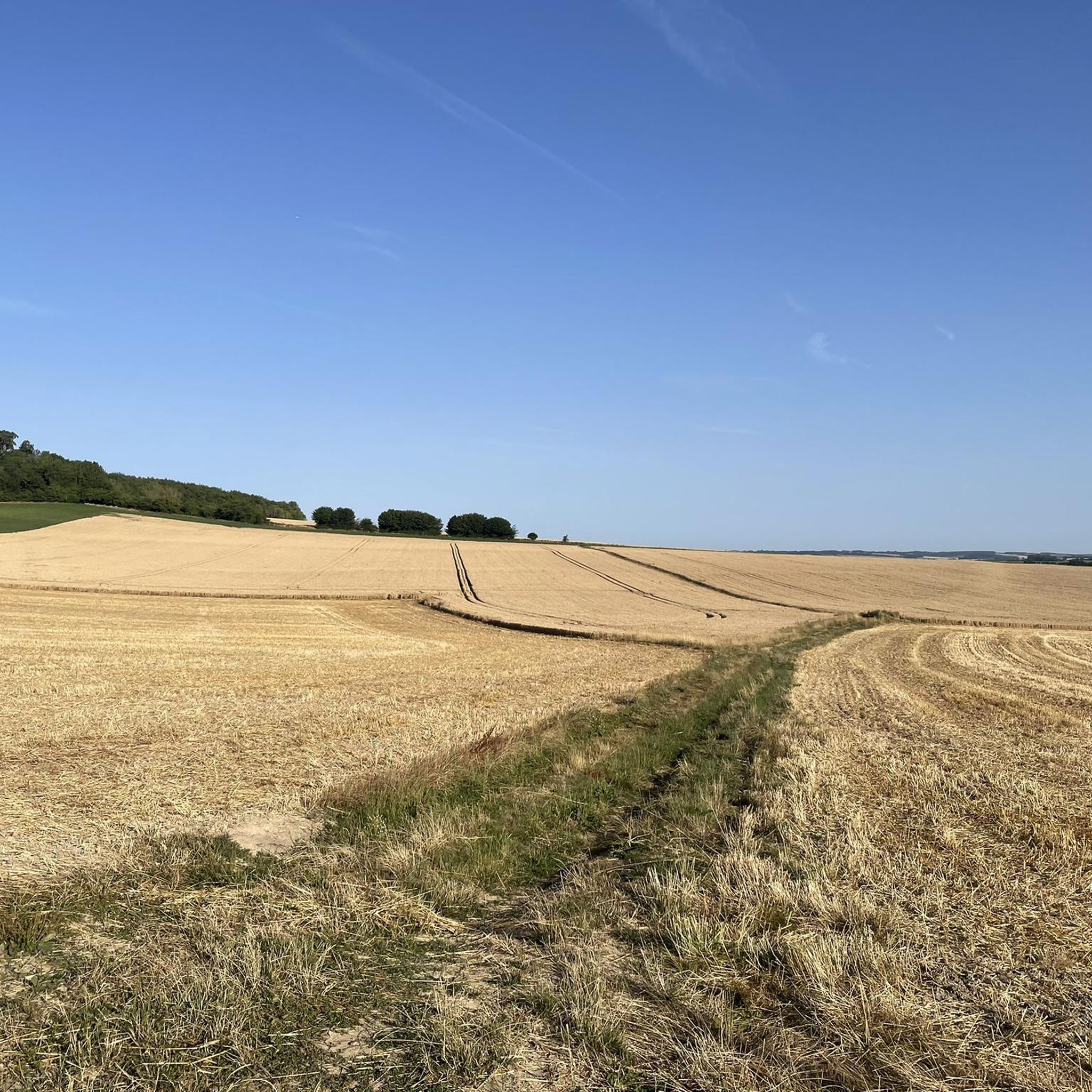
From the Hundred Years' War, there remain the "beautiful" elevations of land with large ditches, which were fortified points. These feudal mounds (wooden fortresses dominating a flattened area) made it possible to dominate the region from any attack. Today, a very beautiful orientation table (work of Juliette and Jacques Damville) offers one of the most beautiful panoramas of the Boutonnière! (Orientation table 5 on the Route des Paysages) Designed in ceramic, copper and lead, it evokes both the defensive tower with its loopholes and a crown decorated with set enamels. The seven traditional planets, represented by seven colored spheres, punctuate the upper plane of the panorama and stand out against the sky. The general spiral shape of the table is there to emphasize the constant link between the past and the present: the spiral starts from a medieval representation of the sky and ends at the half-spherical cap, a contemporary astronomical evocation of the Messier 51 galaxy.
0
0

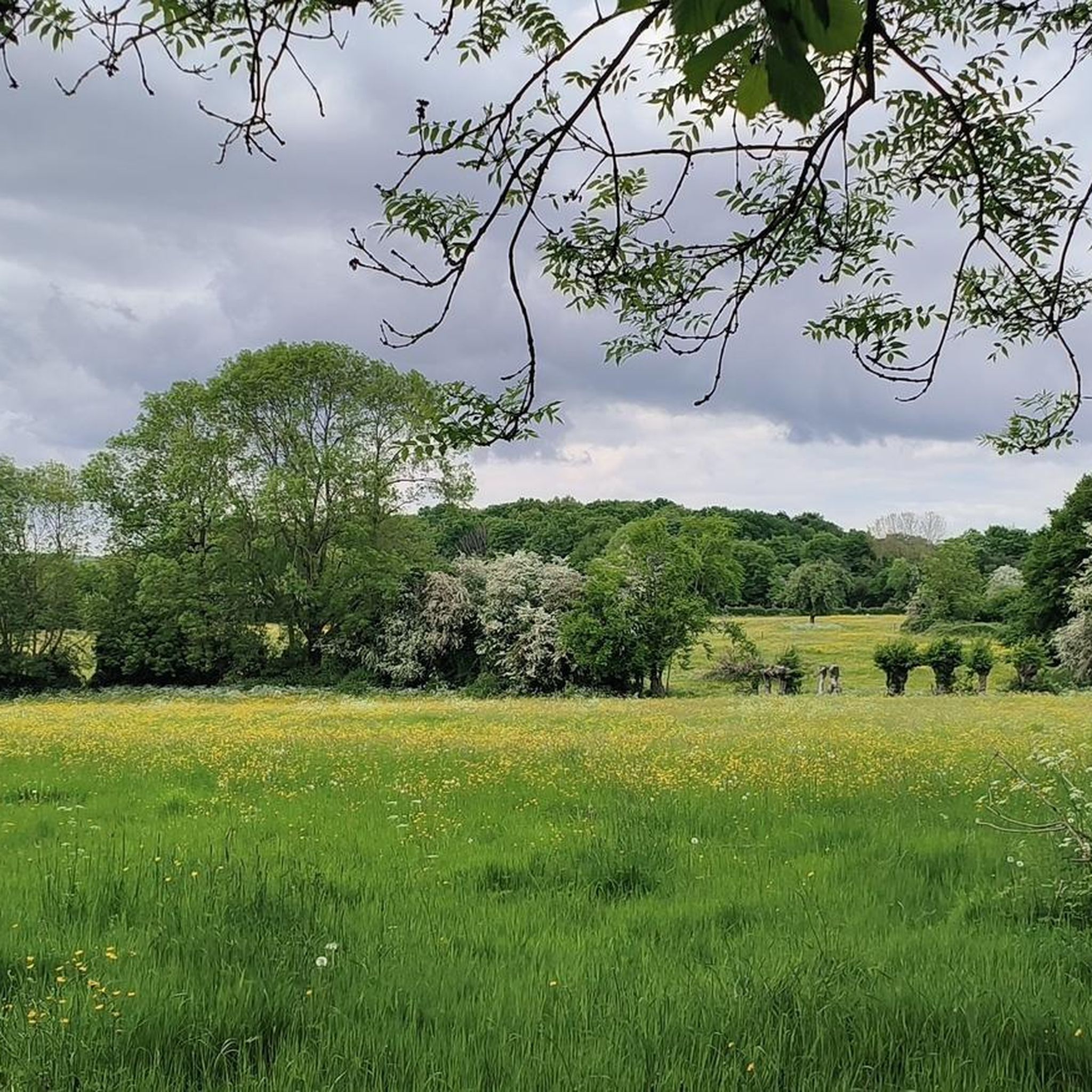
This natural area located in Forges-les-Eaux is organized around the ponds of the Andelle, formed by two rivers: the Andelle to the east and the Chevrette to the west. All around extends the Bois de l’Épinay, remarkable for the great diversity of tree species it shelters. You can walk there, observe the birds, picnic and take a quiet break enjoying the rustling of the many leaves.
1
0

This part of the city was developed from the 16th century with the discovery of ferruginous springs in the current Casino park. It was in 1573 that Nicolas de Moy, Grand Master of Water and Forestry, discovered the presence of ferruginous springs. They were made famous from 1633 with the arrival of King Louis XIII, Queen Anne of Austria and Cardinal Richelieu. The spa was thus born! The springs named Reinette, Royale and Cardinal were thus exploited for their property and their medicinal virtues until the 1980s. @OT Forges les Eaux
0
0
These artificial lakes were built in the late 1980s on a peat marsh. They are spread over two levels and separated by an earth dike, valves allow the water level to be controlled. They are fed by the Andelle river which has its source upstream. The wild ponds (to the North) were deliberately left in their natural state to allow birds to nest, while The Bird Mirror (to the South) was the subject of landscaping and ornamental development with consolidation of the banks. . @OT Forges les Eaux
0
0

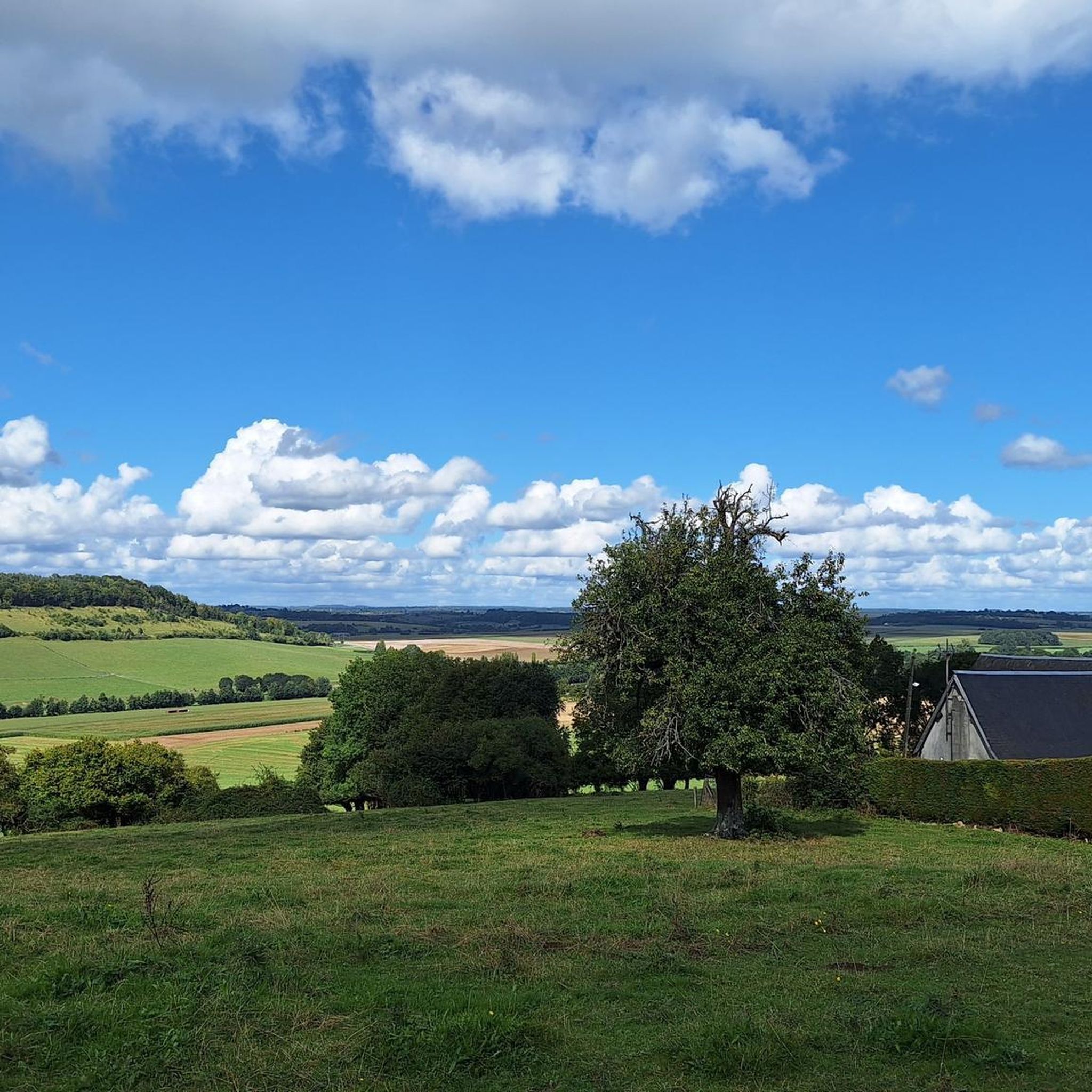
This track, up to Forges-les-Eaux, pleasantly monotonous, has a perfect surface.
2
0

I recovered the green avenue from Forges-Les -Eaux to Dieppe and it is magnificent. The green avenue passes through the fields and passes over the old railway line. The old stations still present serve as homes or points of interest for a gourmet break.
2
0


Camping in Forges-les-Eaux, good quality and on the cheap side. Else, the route was scenic enough
2
2
Frequently Asked Questions
What historical sites can I explore around Fry?
Fry and its surroundings are rich in history. You can visit Forges-les-Eaux, a settlement with a past dating back to Roman times, known for its role in iron manufacturing and as a spa town. Another significant historical site is the Domaine de Forges and Historic Thermal Quarter, where ferruginous springs were discovered in the 16th century, leading to the establishment of a renowned spa visited by royalty like King Louis XIII.
Are there any family-friendly attractions in the Fry area?
Yes, several attractions around Fry are suitable for families. Both Forges-les-Eaux and the Domaine de Forges and Historic Thermal Quarter are considered family-friendly, offering historical exploration. Additionally, the Avenue Verte provides a safe and enjoyable cycling path for all ages.
Where can I enjoy nature and scenic walks near Fry?
For nature lovers, Etang de la Chevrette offers a pleasant walk through the forest and past two serene lakes. You can also trace the origins of the region's unique water at the Source de la Chevrette, where you can observe the distinctive rusty-colored water from ancient geological formations.
What cycling opportunities are available around Fry?
The region is excellent for cycling, particularly along the Avenue Verte. This cycle way follows an old railway line through fields, offering a perfectly surfaced track ideal for a smooth ride. For more extensive cycling adventures, explore the various road cycling and touring bicycle routes available in the area, which you can find in the Cycling around Fry guide.
Are there easy hiking trails near Fry?
Yes, there are several easy hiking trails around Fry. For example, you can find a 6.1 km easy loop from Argueil or a 6.6 km easy loop directly from Fry. These trails offer a great way to experience the local landscape without strenuous effort. More details can be found in the Hiking around Fry guide.
What kind of outdoor activities can I do near Fry's attractions?
Beyond exploring the attractions, Fry offers a range of outdoor activities. You can enjoy hiking on trails of varying difficulties, from easy loops to moderate routes. Cycling is also very popular, with dedicated cycle ways like the Avenue Verte, as well as numerous road cycling and touring bicycle routes. Check out the Hiking around Fry and Cycling around Fry guides for detailed route information.
What is the significance of the springs in Fry?
The springs around Fry, particularly those in the Domaine de Forges and Historic Thermal Quarter, have significant historical importance. Ferruginous springs were discovered in the 16th century, leading to the development of a spa that gained fame in 1633 with visits from King Louis XIII and Cardinal Richelieu. These springs, like Reinette, Royale, and Cardinal, were exploited for their medicinal virtues until the 1980s. The Source de la Chevrette also showcases the unique geological processes that give the water its distinctive rusty color.
What do visitors enjoy most about the attractions around Fry?
Visitors particularly appreciate the blend of historical charm and natural beauty. The well-maintained Avenue Verte is highly praised for its pleasant cycling experience. The typical French streets and historical past of Forges-les-Eaux offer an engaging exploration, while the tranquil walks through the forest and past lakes at Etang de la Chevrette are also very popular.
Are there any circular walks around Fry?
Yes, the area around Fry offers several circular walking routes. For instance, there's a 6.6 km circular hiking loop directly from Fry itself, categorized as easy. You can find more options and details on various circular walks in the Hiking around Fry guide.
What is the best time to visit Fry attractions?
While specific seasonal data isn't provided, the attractions around Fry, including historical sites and natural areas, can generally be enjoyed throughout the warmer months, from spring to autumn, when the weather is most favorable for outdoor activities like cycling on the Avenue Verte and walking around Etang de la Chevrette. The historical sites like Forges-les-Eaux are accessible year-round.
Can I find moderate hiking trails near Fry?
Absolutely. If you're looking for something a bit more challenging than easy trails, there are moderate hiking options available. For example, you can find a 7.3 km moderate loop from Argueil or an 11.6 km moderate loop starting from Le Mesnil-Lieubray. These trails provide a good balance of distance and terrain. Explore more options in the Hiking around Fry guide.

Get inspired with the komoot mobile app


Explore more
Still not found the Highlight you’re looking for? See guides of the top attractions in other regions:
