The best running trails in the Südpfalz
4.5
(1569)
27,127
runners
1,961
runs
Jogging in the Südpfalz offers diverse landscapes for runners, characterized by the expansive Palatinate Forest, Germany's largest contiguous forest area. Routes often traverse unique sandstone formations and gentle hills, providing varied terrain. The region also features picturesque vineyards and tranquil river valleys, blending natural and cultivated scenery. Elevations include numerous hills, allowing for diverse running experiences from flat paths to challenging climbs.
Best jogging routes in the Südpfalz
- The most popular jogging route is Ebenberg Parkrun – Südpark Landau loop…
Last updated: June 25, 2026
5.0
(1)
679
runners
17.6km
01:51
20m
20m
Hard run. Very good fitness required. Mostly paved surfaces. Suitable for all skill levels.
4.8
(8)
307
runners
Hard run. Very good fitness required. Mostly paved surfaces. Suitable for all skill levels.

Sign up for free
4.7
(29)
317
runners
Moderate run. Good fitness required. Mostly paved surfaces. Suitable for all skill levels.
4.3
(22)
282
runners
Moderate run. Good fitness required. Mostly paved surfaces. Suitable for all skill levels.
4.6
(16)
269
runners
9.49km
00:59
30m
30m
Moderate run. Good fitness required. Mostly paved surfaces. Suitable for all skill levels.
4.3
(4)
245
runners
12.1km
01:27
440m
440m
Hard run. Very good fitness required. Sure-footedness, sturdy shoes and alpine experience required.
4.1
(11)
332
runners
Easy run. Great for any fitness level. Mostly paved surfaces. Suitable for all skill levels.
5.0
(8)
189
runners
Hard run. Very good fitness required. Mostly paved surfaces. Suitable for all skill levels.
4.7
(16)
171
runners
11.4km
01:28
370m
370m
Hard run. Very good fitness required. Mostly paved surfaces. Suitable for all skill levels.
4.5
(2)
197
runners
Moderate run. Good fitness required. Mostly paved surfaces. Suitable for all skill levels.
Get access to more routes and recommendations from other explorers.
Sign up for free
Already have an account?
Our route recommendations are based on thousands of hikes, rides, and runs completed by other people on komoot.
Start today with a free account
Your next adventure awaits.
Login or Signup
Popular around Südpfalz
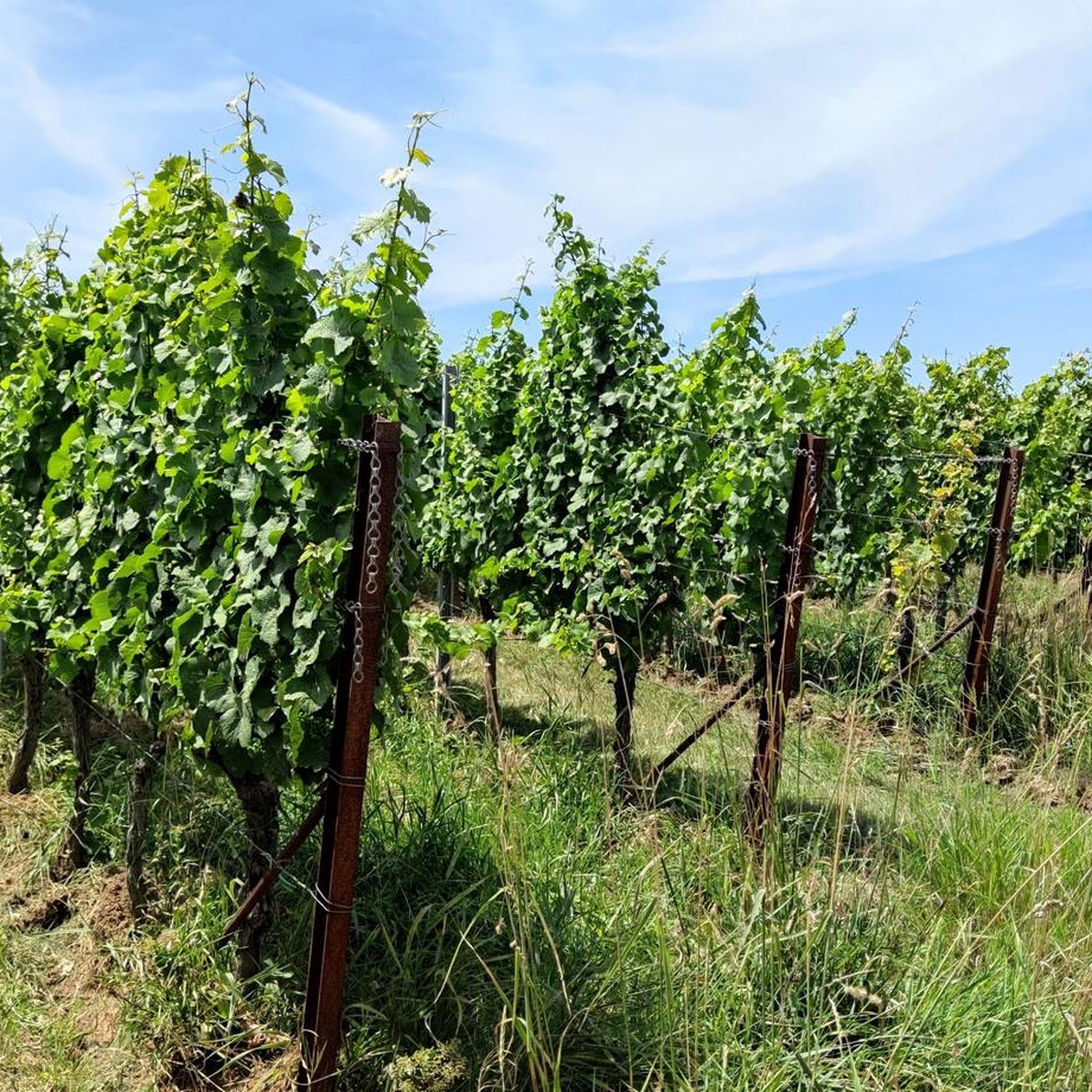
Running Trails in Landau in der Pfalz
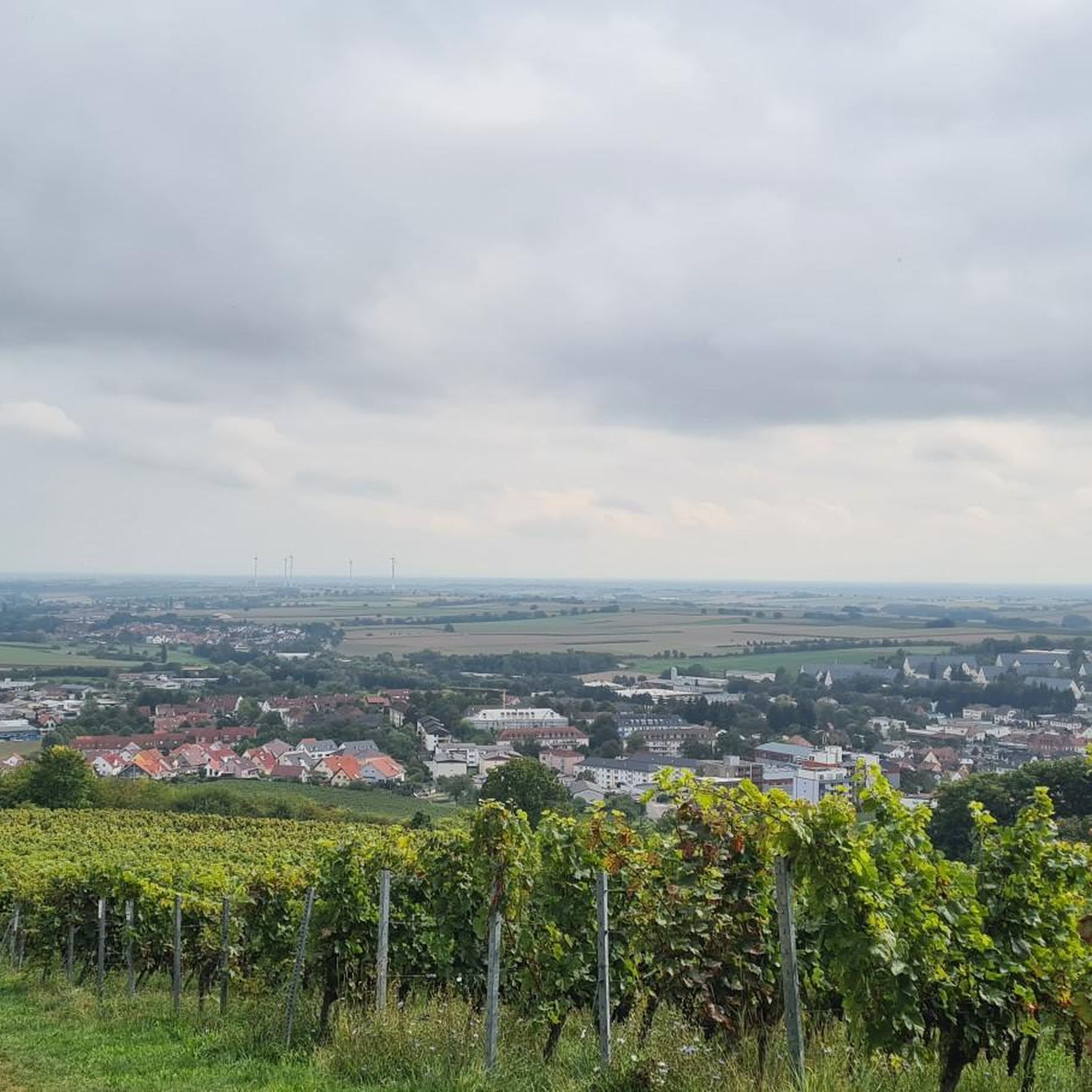
Running Trails in Südliche Weinstraße
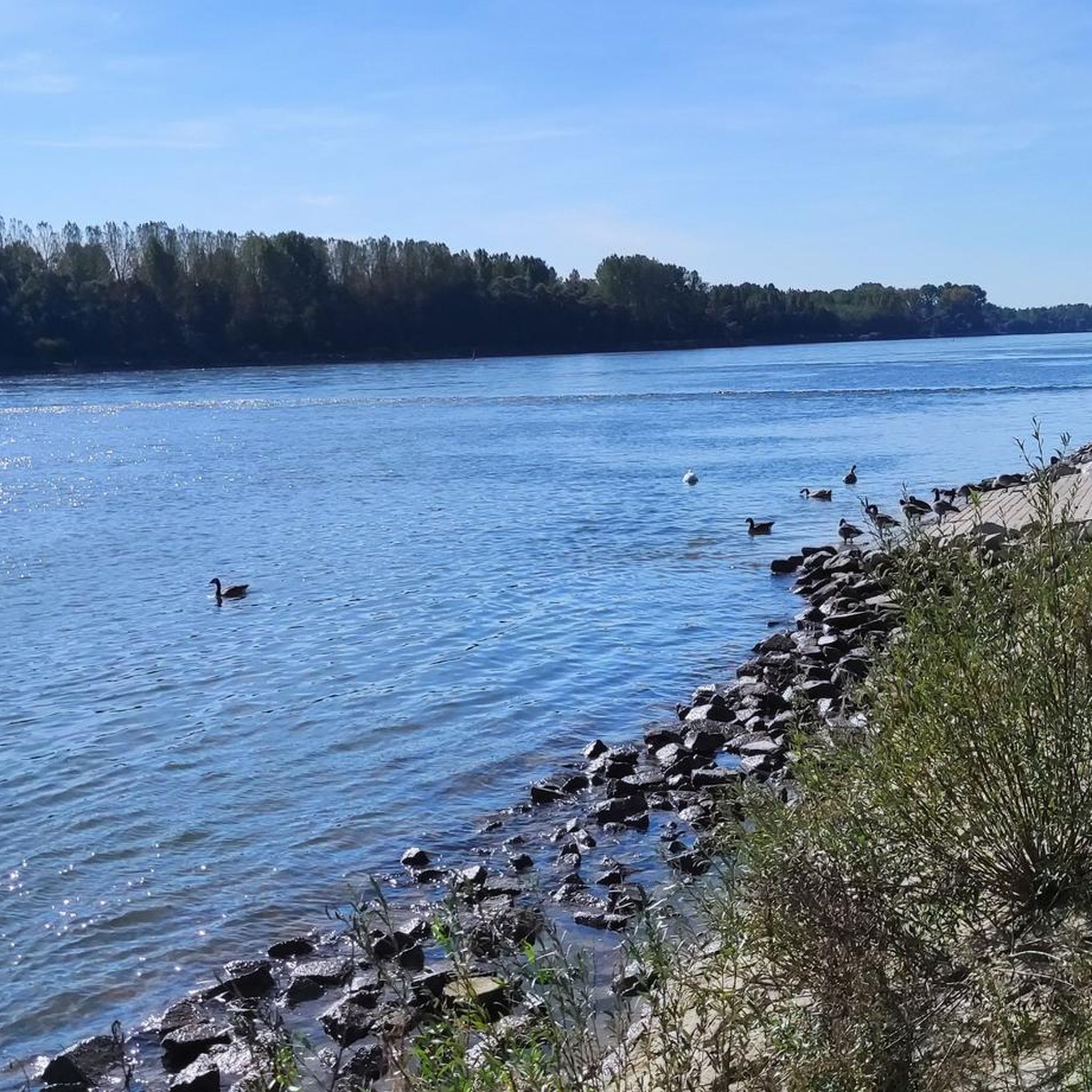
Running Trails around Germersheim
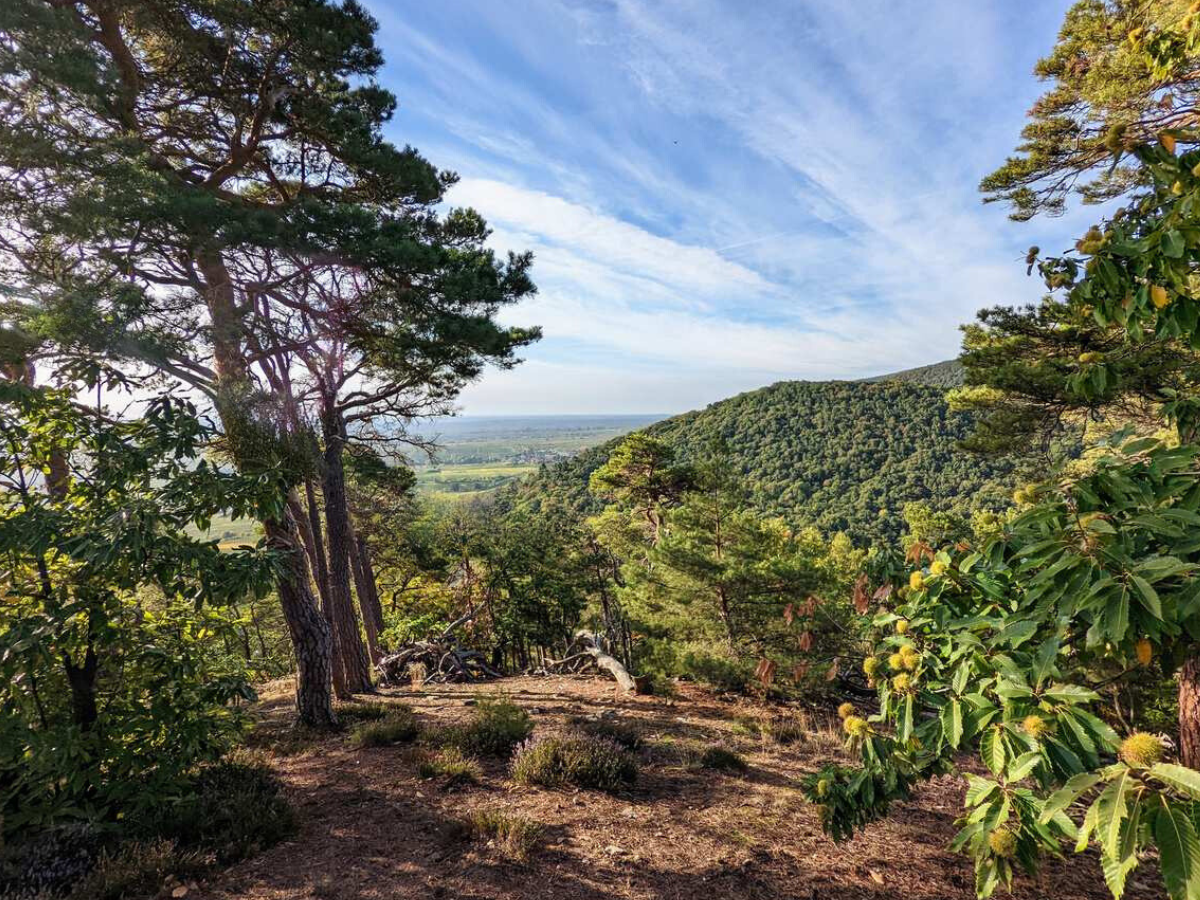
High up in the Palatinate - Around the highest of the Palatinate Forest
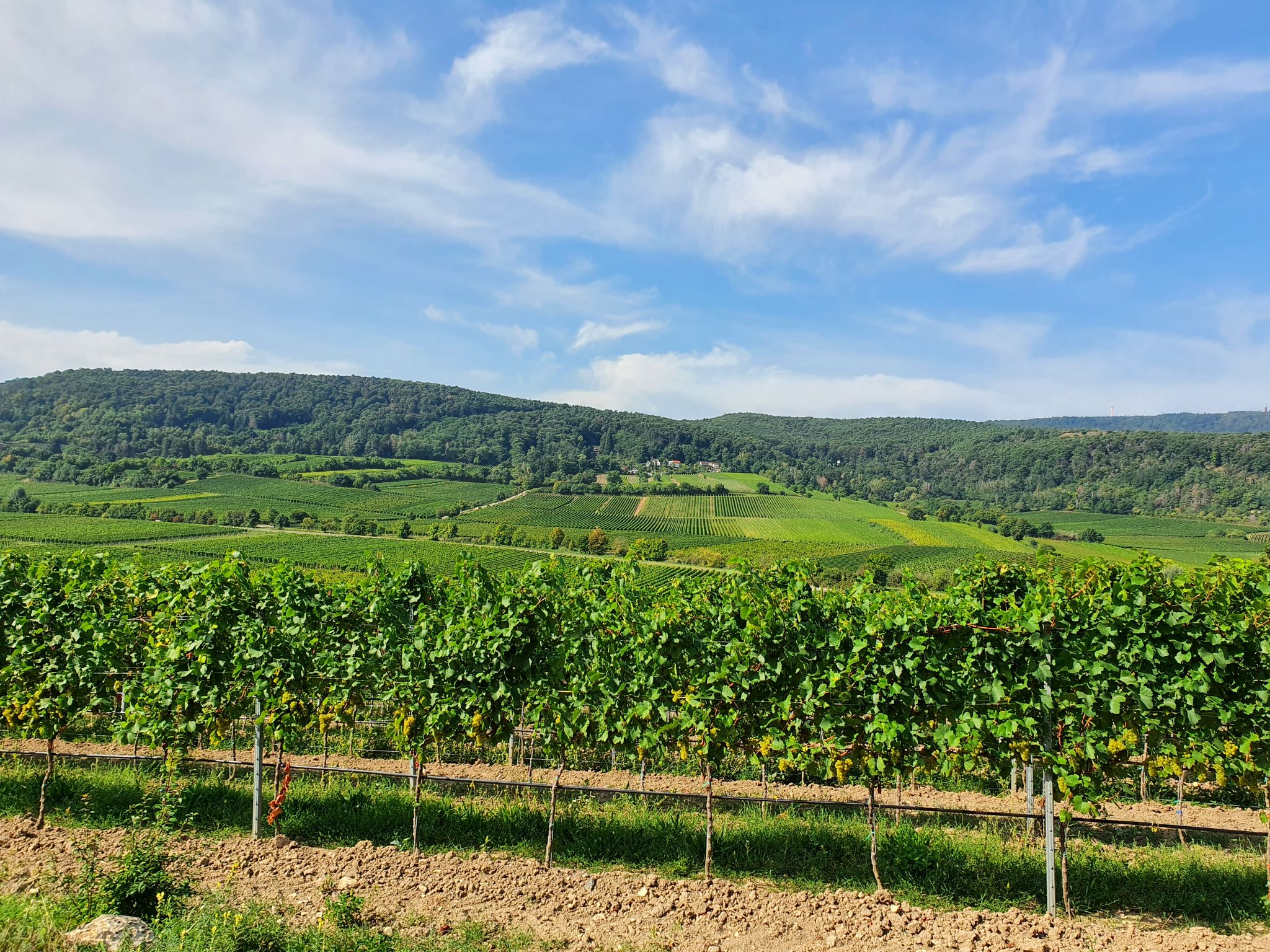
The German Wine Route through the Palatinate — Come here, walk away!
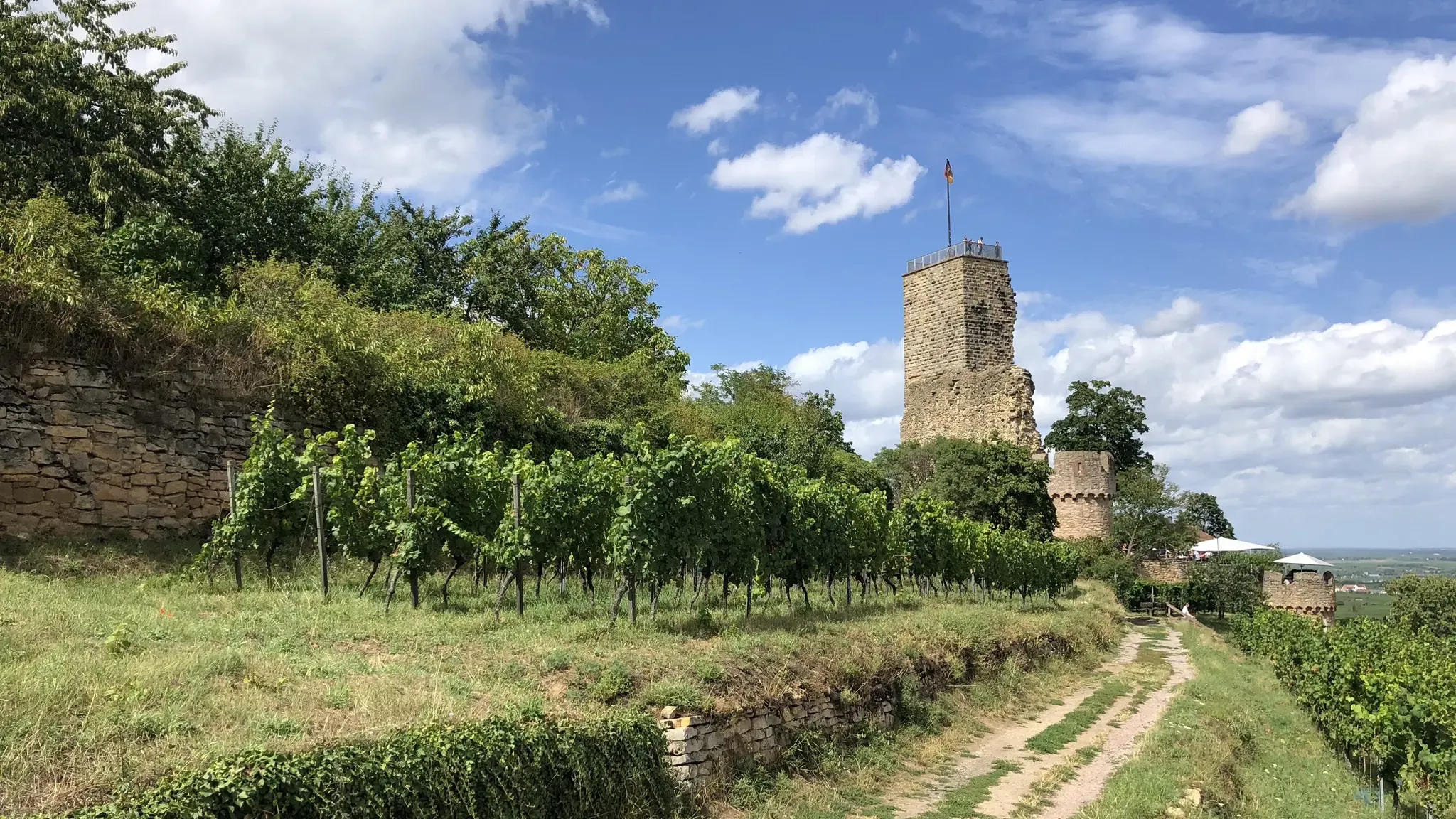
Pfälzer Weinsteig trail – 11 stages along forests and vinyards
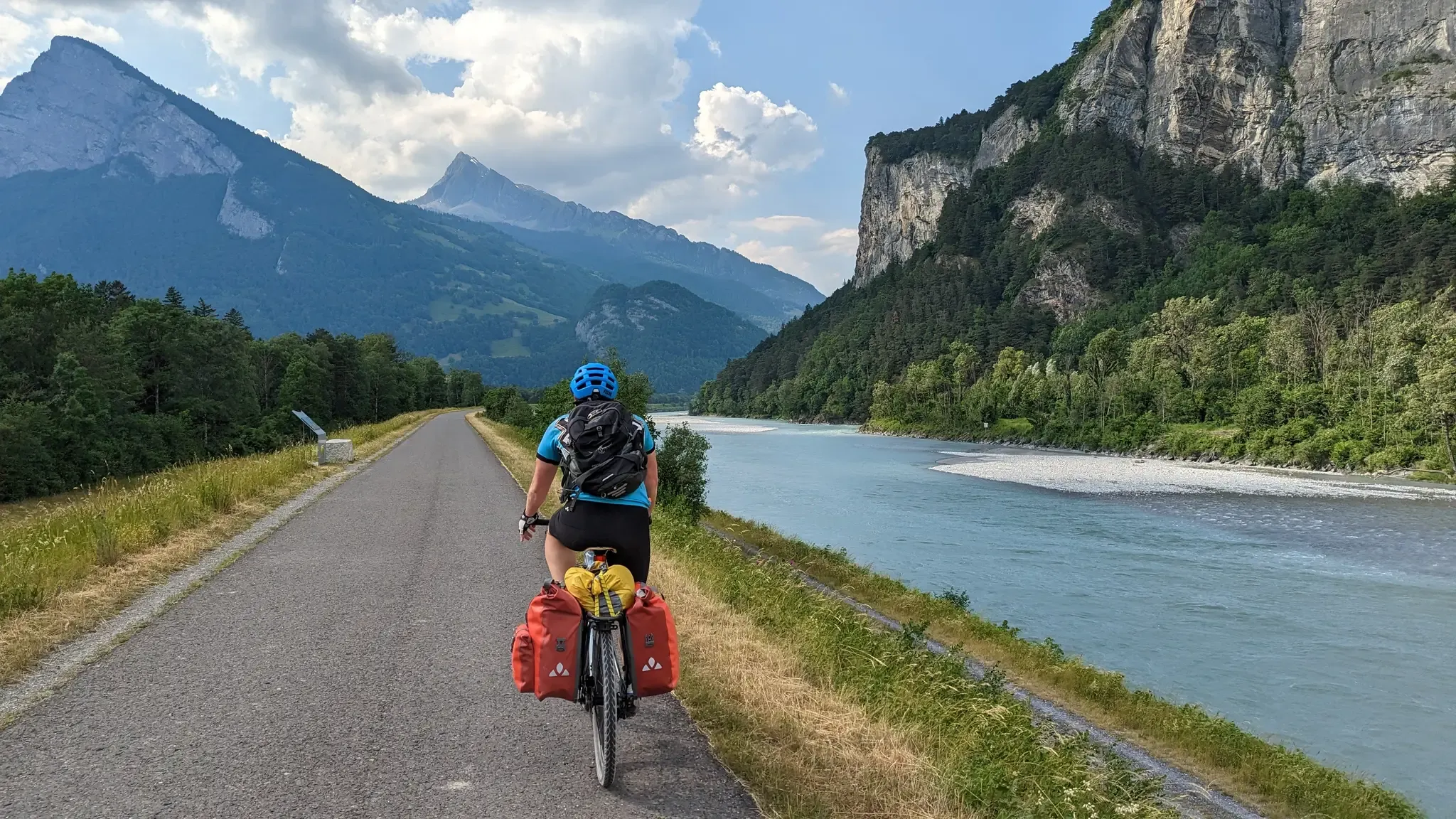
The Rhine Cycle Path — From the source to the North Sea
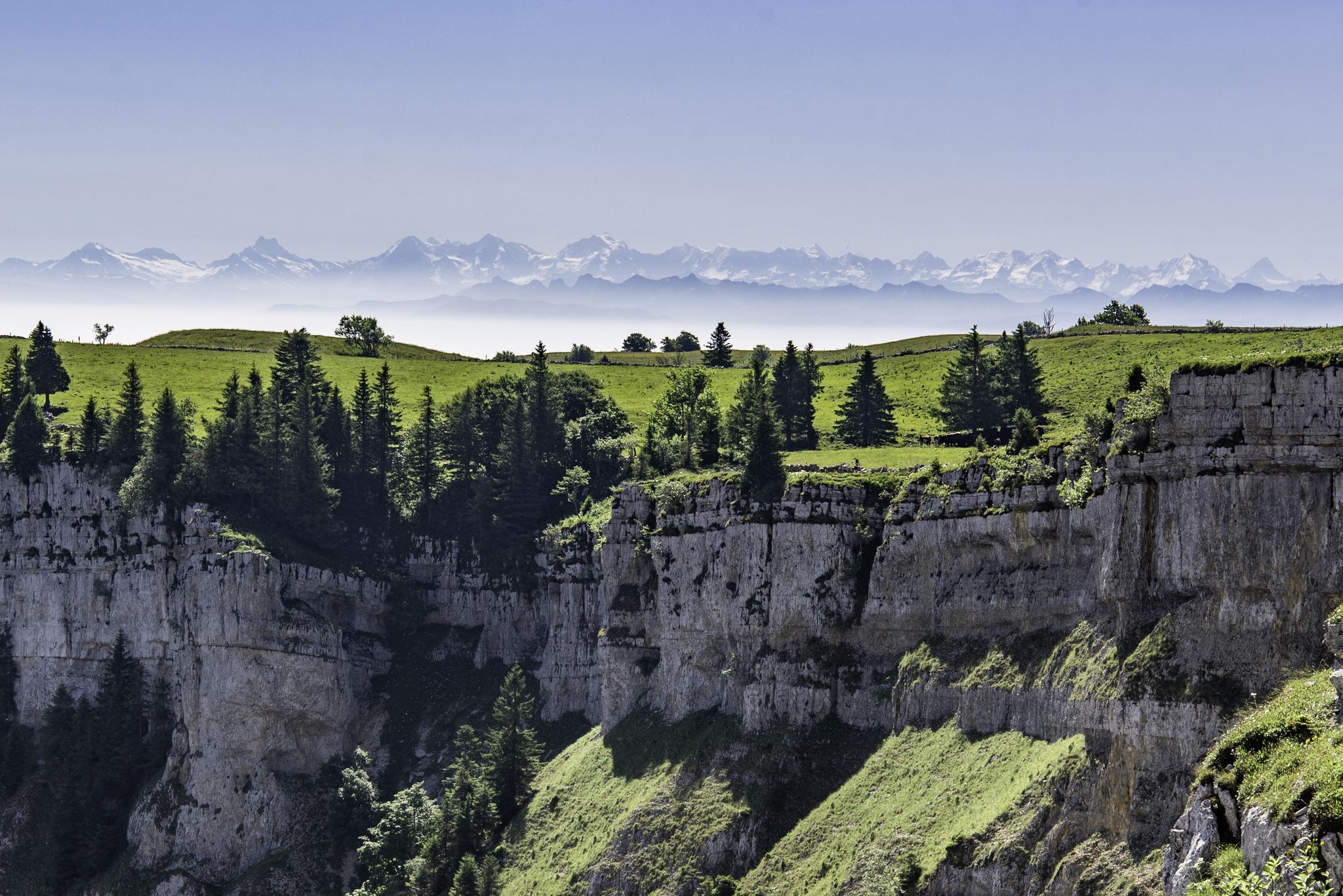
From the Vosges to the Jura mountains – Hexatrek, le Grand Est
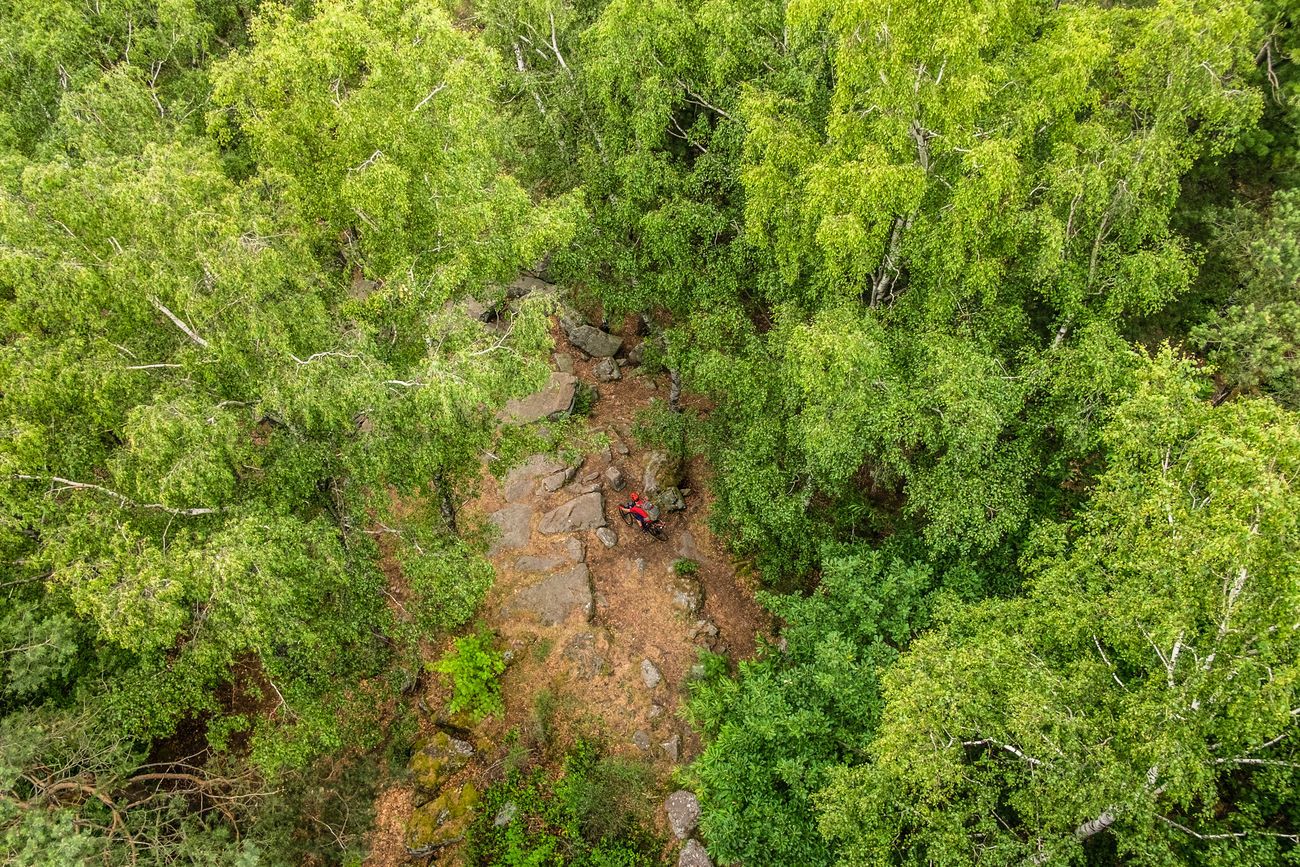
Pfälzerwald-Bikepacking: Four stages with the Gravelbike
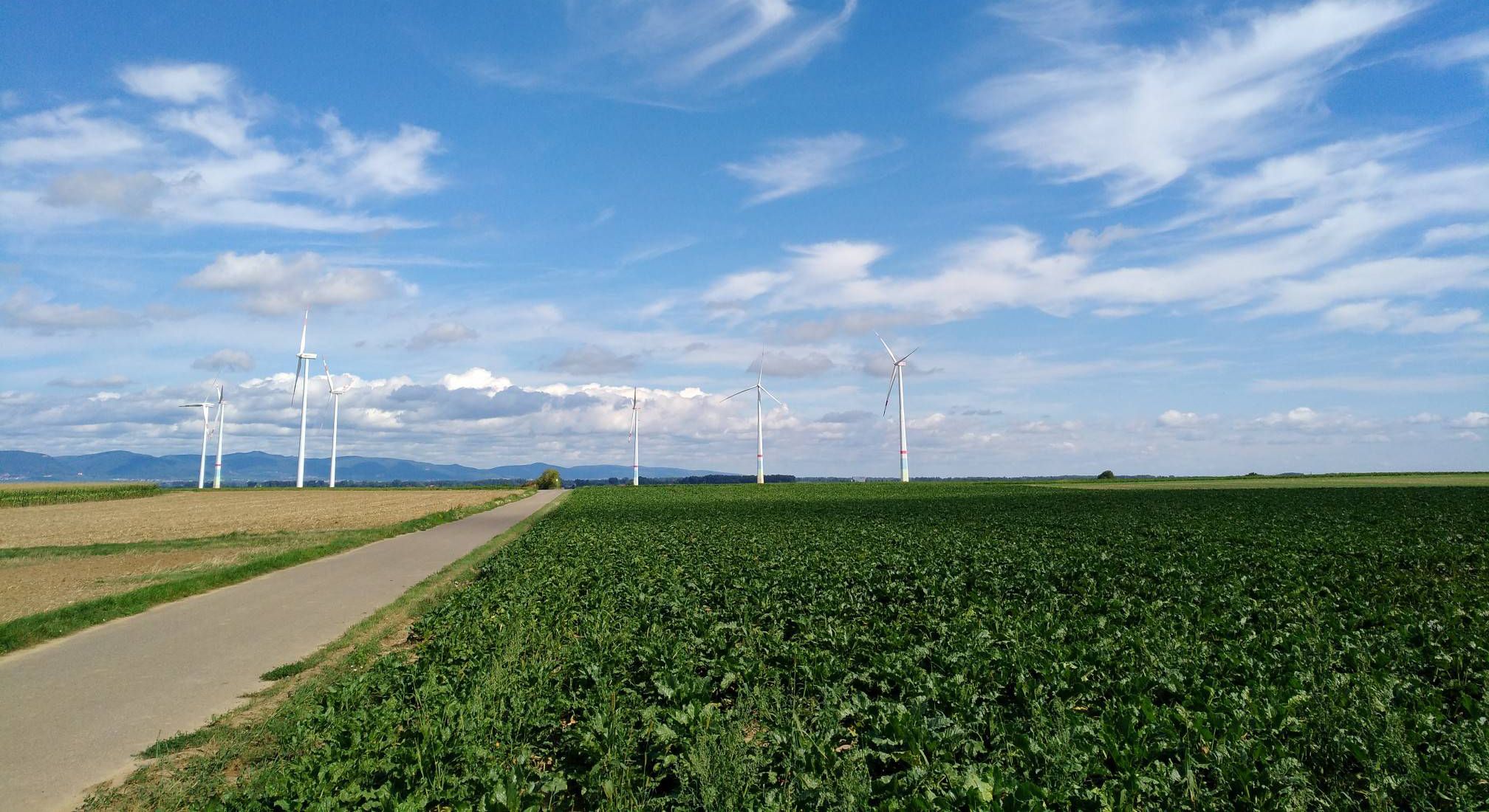
The 'Kraut und Rüben' cycleway — through the Palatinate in 3 stages
Other adventures in the Südpfalz


Tips from the Community

The neo-Gothic Catholic church is located slightly elevated on the outskirts of the village. The sandstone portal at the entrance to the churchyard is also beautiful.
3
0

Beautiful here in the vineyards.
0
0

The monument zone "Queichkanal" includes not only the river course itself, but also the magnificent riverside development. Especially along the street "An 44" you can find impressive examples of late Wilhelminian architecture.
7
0

Beautiful, scenic trail directly above an old dry stone wall and a traditional orchard meadow. There are also 2 benches (without shade) with a great view!
1
0
Since 2019, a very beautiful seating area has stood here, on the path up to the Hohenberg, donated by the "Weinfreunde Birkweiler". Many thanks! - It's a nice place to rest, even if the view into the Rhine plain is (nowadays) a bit restricted.
1
0

Palatinate Hidden Gems – Landau – A Green Garden City in the South Landau, the metropolis of the Southern Palatinate, is primarily known as a fortress and university town. It is also called a garden city because of its expansive parks. The 2015 State Garden Show further emphasized this nickname, as the approximately 15-hectare South Park was newly created on land formerly used by the French military. This continued a tradition that began in 1949 with the "Süwega." The Southwest German Garden Show, or Southwest German Horticultural Exhibition, is considered the first garden show with supra-regional impact after the Second World War. At that time, not only were new parks created, but many were also extensively renovated. This includes Schiller Park, which stretches along the street "An 44." Here, impressive one-and-a-half to three-story villas and houses with original wrought-iron fences around their front gardens line the streets. In this historic district, with its typical 19th- and early 20th-century townhouses, a stroll through the verdant countryside of Landau is highly recommended. Here, the vibrant city center seamlessly transitions into an oasis of tranquility. The park, named after the poet Friedrich Schiller in 1905 to commemorate the 100th anniversary of his death, is narrow yet covers approximately three hectares. It features a blend of Baroque garden elements and the style of English landscape gardens. For those wishing to extend their walk, the route from Schillerpark past the Strieffler House and allotment gardens towards the village of Godramstein is recommended. There, shaggy Highland cattle graze on the so-called "Rider's Meadows" along the Queich River. They help to control invasive plants such as Himalayan balsam and Japanese knotweed. Introduced as an ornamental plant in the 19th century, these plants had begun to spread rapidly, displacing the native flora typical of damp floodplains and riverbanks. During a walk, you can witness firsthand how four-legged landscapers help keep Landau a green garden city. Source: https://www.pfalz.de/de/sehenswuerdigkeit/schillerpark-landau
0
0
To commemorate the 100th anniversary of the poet Johann Wolfgang von Goethe's death, the former "Westpark" was renamed "Goethepark" in 1932. It is a park of approximately 5.5 hectares located very close to the city center, featuring expansive lawns and shady trees. Designed in the style of an English landscape garden, it is Landau's oldest park. Source: https://www.pfalz.de/de/sehenswuerdigkeit/goethepark-landau
1
0

Saint Anne is the mother of the Blessed Virgin Mary, the grandmother of Jesus Christ—not attested in the biblical texts. She is mentioned, however, in apocryphal (i.e., not included in the canon of the Bible) writings, for example, in the so-called "Protoevangelium of James." There is no historically verified information about Anne's life, but numerous traditional stories exist, summarized, for example, in the medieval "Legenda Aurea" by the Dominican monk Jacobus de Voragine. Among other things, she is the patron saint of St. Anne's Church in Düren (North Rhine-Westphalia), where a piece of her skullcap is kept as a relic. In the church calendar, Saint Anne's feast day—together with her husband Joachim—is July 26th.
0
0
Frequently Asked Questions
How many running routes are available in the Südpfalz?
The Südpfalz region offers a vast network of over 1,800 running routes, catering to all fitness levels. This includes approximately 190 easy routes, over 1,300 moderate routes, and nearly 400 difficult trails for experienced runners.
What kind of terrain can I expect on running trails in the Südpfalz?
Running in the Südpfalz offers diverse terrain. You'll find routes winding through the dense Palatinate Forest, Germany's largest contiguous forest area, often featuring unique sandstone formations and gentle hills. Many trails also traverse picturesque vineyards and tranquil river valleys. While some paths are paved and easy, others offer more natural, challenging terrain requiring sure-footedness.
Are there easy running routes suitable for beginners or families in the Südpfalz?
Yes, the Südpfalz has numerous easy running routes perfect for beginners or families. For instance, the Schiller Park, Landau – Reiterwiesen Meadows loop from Landau (Pfalz) West is an easy 4.8 km route primarily on paved surfaces. Another great option is the EnergySouthwest observation tower – Ebenberg Parkrun loop from Landau (Pfalz) Süd, which is just over 4 km and also considered easy.
Can I bring my dog on the running trails in the Südpfalz?
The Südpfalz, with its expansive Palatinate Forest and numerous natural trails, is generally very dog-friendly. Many routes are suitable for running with dogs, especially those through forests and open landscapes. However, it's always advisable to keep your dog on a leash, especially in nature reserves or areas with wildlife, and to respect local regulations.
Are there circular running routes in the Südpfalz?
Yes, the majority of running routes in the Südpfalz are designed as circular loops, offering convenient starting and ending points. Examples include the popular Ebenberg Parkrun – Südpark Landau loop from Landau (Pfalz) Süd and the scenic Goethepark – Reiterwiesen Meadows loop from Landau (Pfalz) Süd, both offering pleasant experiences through green spaces.
What natural features or landmarks can I see while running in the Südpfalz?
The Südpfalz offers a rich variety of natural features and landmarks. You can run through dense forests, past unique sandstone formations, and alongside picturesque vineyards. Some routes offer views of historic sites like the Trifels Castle or the Landeck Castle. You might also encounter charming historic villages like St. Martin, or explore tranquil areas like the Modenbach Valley.
Are there running routes accessible by public transport in the Südpfalz?
Many running routes in the Südpfalz are accessible via public transport, particularly those starting from larger towns like Landau (Pfalz). For example, the Reiterwiesen Meadows – Landau Fortress Ruins loop from Landau (Pfalz) Hbf starts conveniently from Landau (Pfalz) Hbf (main station), making it easy to reach without a car. It's always recommended to check local transport schedules for specific starting points.
What is the best time of year for running in the Südpfalz?
The Südpfalz is enjoyable for running throughout the year, but spring and autumn are particularly pleasant. In spring, the vineyards and forests burst with new life, while autumn offers stunning foliage colors. Summer can be warm, so early morning or late evening runs are ideal. Winter running is also possible, especially on well-maintained paths, offering a different, serene experience.
Are there places to stop for refreshments along the running routes?
Yes, the Südpfalz region is known for its hospitality. Many routes pass through or near charming villages with wine bars and restaurants. Additionally, the Palatinate Forest features numerous 'Pfälzerwald huts' which are often open on weekends, providing convenient resting spots and refreshments during longer runs. Places like St. Martin Historic Village also offer charming options for a post-run treat.
What do other runners say about the trails in the Südpfalz?
The running trails in the Südpfalz are highly rated by the komoot community, with an average score of 4.5 stars from over 1,300 reviews. Runners often praise the diverse landscapes, from dense forests and unique sandstone formations to picturesque vineyards. The well-maintained paths and varied terrain, suitable for all ability levels, are frequently highlighted as key attractions.
Are there any challenging running routes for experienced runners in the Südpfalz?
Absolutely. For experienced runners seeking a challenge, the Südpfalz offers routes with significant elevation changes and varied terrain. The Along the vineyards – Kalmithaus loop from Maikammer is a difficult 12.1 km route with over 430 meters of ascent, leading to the Kalmit, one of the highest points in the Palatinate. Another demanding option is the Siener Winery Wine Tavern – Hohenberg Tower loop from Siebeldingen-Birkweiler, covering 12.2 km with 400 meters of climbing.
Can I find routes that combine urban green spaces with natural areas?
Yes, the Südpfalz, particularly around Landau, offers excellent routes that blend urban green spaces with more natural surroundings. The Schiller Park, Landau – Reiterwiesen Meadows loop from Landau in der Pfalz is a great example, providing a pleasant run through parklands and open meadows, offering a refreshing mix of environments.
Are there any specific regulations or permits needed for running on trails?
Generally, no specific permits are required for running on public trails in the Südpfalz. As much of the region is part of the Palatinate Forest, a UNESCO biosphere reserve, it's important to respect nature conservation rules, such as staying on marked paths and not disturbing wildlife. For more general information on experiencing nature in the region, you can visit rlp-tourismus.com.
Most popular routes in the Südpfalz
Most popular attractions in the Südpfalz

Get inspired with the komoot mobile app


Didn’t find what you were looking for?
Check out more Running Trails & Routes throughout Südpfalz below and find the perfect route in your destination.
Explore more
Browse the best Running Trails & Routes in other regions.
