Attractions and Places To See around Saignes - Top 11
Best attractions and places to see around Saignes include a blend of historical landmarks and natural features within the peaceful Sumène Valley. This medieval village, situated at the base of ancient volcanoes in the Cantal department, offers diverse points of interest. Visitors can explore Romanesque architecture, scenic viewpoints, and dedicated paths for outdoor activities. The region provides opportunities to discover both cultural heritage and the natural landscapes of the Auvergne-Rhône-Alpes.
Best attractions and places to see around Saignes
- The most…
Last updated: October 5, 2026
Bort-les-Orgues Dam
Highlight • Other
Translated by Google •
Tip by

View over Bort-les-Orgues
Highlight • Natural Monument
Translated by Google •
Tip by

Sign up now to discover places like this
Get recommendations on the best single tracks, peaks, & plenty of other exciting outdoor places.
Saut de la Saule Waterfall
Highlight • Waterfall
Translated by Google •
Tip by
Greenway in Sumène-Artense
Highlight (Segment) • Cycleway
Translated by Google •
Tip by

Route du col de Besseyrre
Highlight (Segment) • Other
Translated by Google •
Tip by

Sign up for free to discover even more attractions around Saignes.
Already have an account?
Start today with a free account
Your next adventure awaits.
Tips from the Community

Wikipedia has information about the dam: FR: https://de.wikipedia.org/wiki/Barrage_de_Bort-les-Orgues DE: https://fr.wikipedia.org/wiki/Barrage_de_Bort-les-Orgues
1
1
The municipality of Bort-les-Orgues has around 2500 inhabitants and is located in the Dordogne valley. Bort is the name of a ford with a steep slope. The name les Orgues (the organ pipes) is given by a striking rock formation above the town.[
1
0

The Bort dam is a structure 120 meters high and 390 meters long, straddling the municipalities of Bort and Lanobre, and creating a reservoir of more than 10 km2. Built between 1942 and 1952, it was then a veritable concrete juggernaut and today it remains one of the largest dams in France (and still the third in mainland France if we look at the quantity of water retained by a concrete construction). It is also the first and largest reservoir in the hydroelectric system of the Dordogne valley.
0
0
The Bort dam is a structure 120m high and 390m long, straddling the municipalities of Bort and Lanobre, and creating a reservoir of more than 10 km2. Built between 1942 and 1952, it was then a veritable behemoth of concrete and it remains today one of the largest dams in France (and even still the third largest in mainland France if we look at the quantity of water retained by a construction of concrete). It is also the first and largest reservoir of the hydroelectric system in the Dordogne valley.
1
0
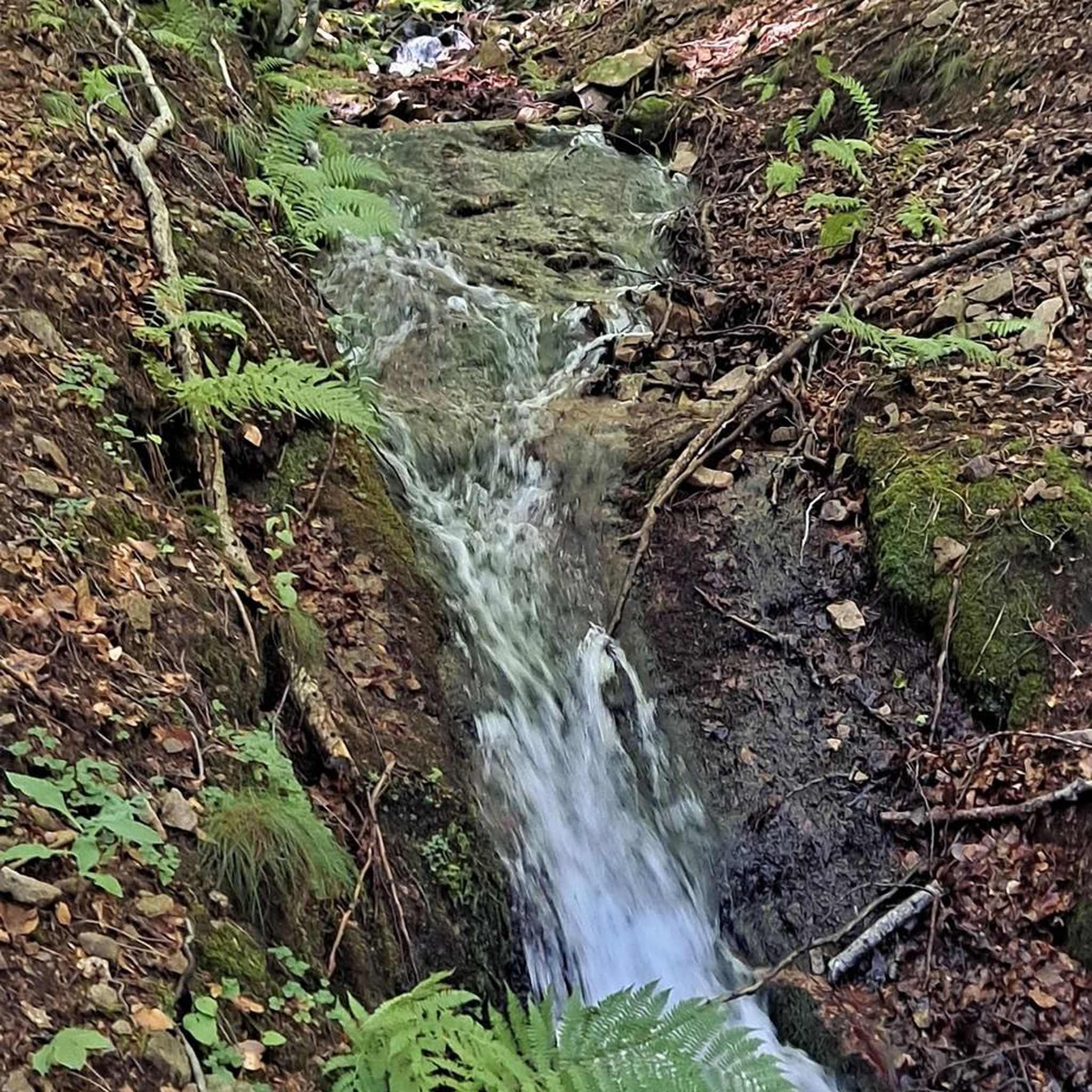
Saut de la saule is a waterfall in a canyon carved into the rock by the Rhue (a tributary of the Dordogne). The site was once used for the silkworm industry. Today, between the canyon and the remains of human activity, there is no shortage of tourist interest.
0
0

All asphalted greenway, which passes through the small village of Ydes. In the heart of the Massif Central, it extends over 14 kilometers and connects Cheyssac to Parensol.
3
0

Small supervised family beach, very clean water with the possibility of eating in a nice atmosphere
0
0

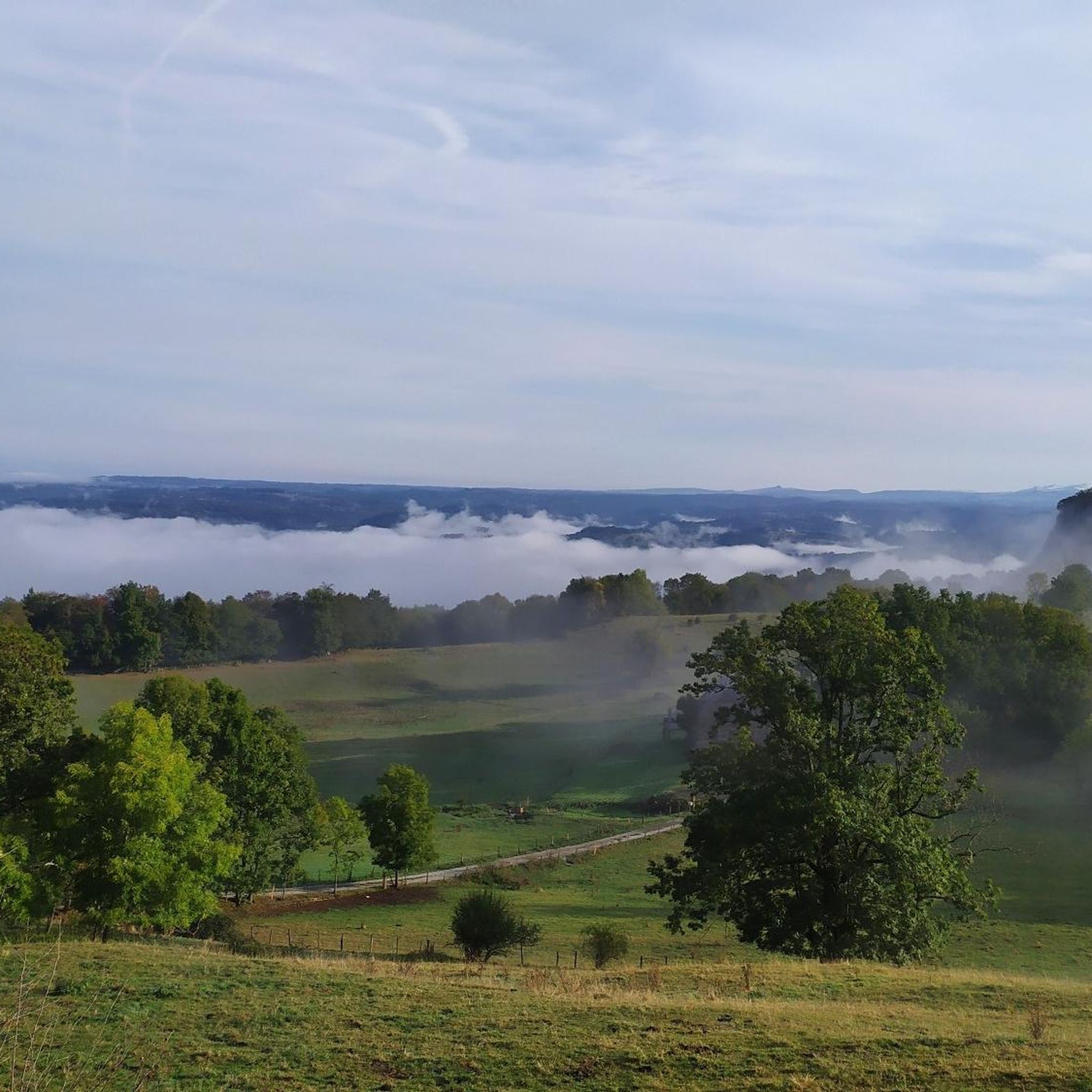
A timeless place! On the border of the Dordogne and the Corrèze, they constitute one of the best observatories in the area. These cliffs look like a giant organ, which gave them this name
0
0
Frequently Asked Questions
What natural features can I explore around Saignes?
Saignes is nestled in the peaceful Sumène Valley, offering a tranquil environment. The village is built at the base of two ancient volcanoes, contributing to its unique geological character. You can also visit Saut de la Saule Waterfall, located within a canyon carved by the Rhue river, or the Cascade de Liadouze about 32 km away. For a broader natural experience, the Parc des Volcans (Auvergne Volcanoes Regional Natural Park) is approximately 27 km away, showcasing a vast landscape of forested volcanoes.
Are there good hiking opportunities near Saignes?
Yes, the region is rich with hiking trails. You can access a dedicated footpath to the summit of Puy de Saignes for panoramic views. A topoguide, "The Sumene Artense Paths," details 25 hiking trails, 12 mountain bike trails, and a "Tour de Pays," available at local Tourist Offices. For more specific routes, you can explore various road cycling, MTB, and general cycling routes around Saignes.
What historical sites can I visit in Saignes?
Saignes boasts several historical sites. The 12th-century Holy Cross Church (Église Sainte-Croix) is a central feature of the village, known for its Romanesque architecture. Perched atop a rocky peak, the Chapel Notre-Dame-du-Château, also from the 12th century, is the last remnant of Saignes' ancient fortress. You can also see the remains of Saignes Castle, with a section of a round tower still standing, and explore the charming old houses around Place de l'Église.
Where can I find scenic viewpoints in the Saignes area?
For breathtaking views, visit the summit of Puy de Saignes, crowned by a metal cross and equipped with a landscape reading tool. The terrace of the Chapel Notre-Dame-du-Château offers picturesque views of the Sumène Valley and the impressive Orgues de Bort columns. Additionally, View over Bort-les-Orgues provides expansive views of the striking rock formations. Roc Vignonnet in Antignac and Chastel Plateau Marlhac also offer captivating panoramas.
Are there family-friendly activities around Saignes?
Families can enjoy the Greenway in Sumène-Artense, an old tarred railway spanning 14 km, perfect for cycling, rollerblading, and scootering. Lake Lastioulles, a short distance away, features a nautical base and a beach where visitors can rent pedal boats, canoes, and kayaks. The Museum of Butterflies and Insects of the World in Ydes-Bourg and the Museum of the Mine in Champagnac (open in July and August) also offer engaging experiences for all ages.
What cycling options are available in the Saignes area?
The Greenway in Sumène-Artense is an excellent asphalted cycle way extending over 14 km, suitable for various activities. The region also offers numerous cycling routes, including road cycling routes and mountain bike trails, catering to different difficulty levels.
Are there any museums or cultural attractions nearby Saignes?
Yes, for those interested in local heritage, the Museum of the Mine in Champagnac displays tools, photos, and models related to mining (typically open in July and August). The Museum of Butterflies and Insects of the World in Ydes-Bourg offers a fascinating look at entomology, also open during July and August. Additionally, the Treasury of Sacred Art in Ydes-Bourg houses a collection of religious artifacts.
Can I do water sports near Saignes?
Absolutely. Lake Lastioulles, located a short distance from Saignes, provides a nautical base and a beach. Here, you can rent pedal boats, catamarans, dinghies, canoes, kayaks, and windsurfers, and even take lessons.
What is the best time of year to visit Saignes for outdoor activities?
The warmer months, typically from late spring to early autumn (May to September), are ideal for outdoor activities in Saignes. During this period, the weather is generally pleasant for hiking, cycling, water sports on Lake Lastioulles, and exploring the natural and historical sites. Some museums also have limited opening hours, often in July and August.
Where can I experience local markets near Saignes?
To immerse yourself in the local culture, you can visit the markets in nearby towns. Bort-les-Orgues hosts markets on Tuesdays and Saturdays, Mauriac on Tuesdays, Fridays, and Saturdays, and Ussel on Saturdays. These markets offer a chance to discover local produce and crafts.
What do visitors enjoy most about the attractions around Saignes?
Visitors particularly appreciate the blend of historical landmarks and natural beauty. The View over Bort-les-Orgues is highly regarded as one of the best observatories in the area, offering expansive views of its striking rock formations. The Saut de la Saule Waterfall is also a favorite, combining natural beauty with historical remnants. The Greenway in Sumène-Artense is loved for its accessibility and pleasant cycling experience through the Massif Central.
Are there any impressive castles or fortresses to visit?
While the medieval Saignes Castle is largely in ruins, with only a section of a round tower remaining, you can visit the impressive Chateau de Val. Located about 12 km from Saignes, this medieval castle offers a deeper glimpse into the region's rich history and is a significant architectural landmark.

Get inspired with the komoot mobile app


Explore more
Still not found the Highlight you’re looking for? See guides of the top attractions in other regions:
