The best running trails around Impflingen
4.4
(964)
14,174
runners
751
runs
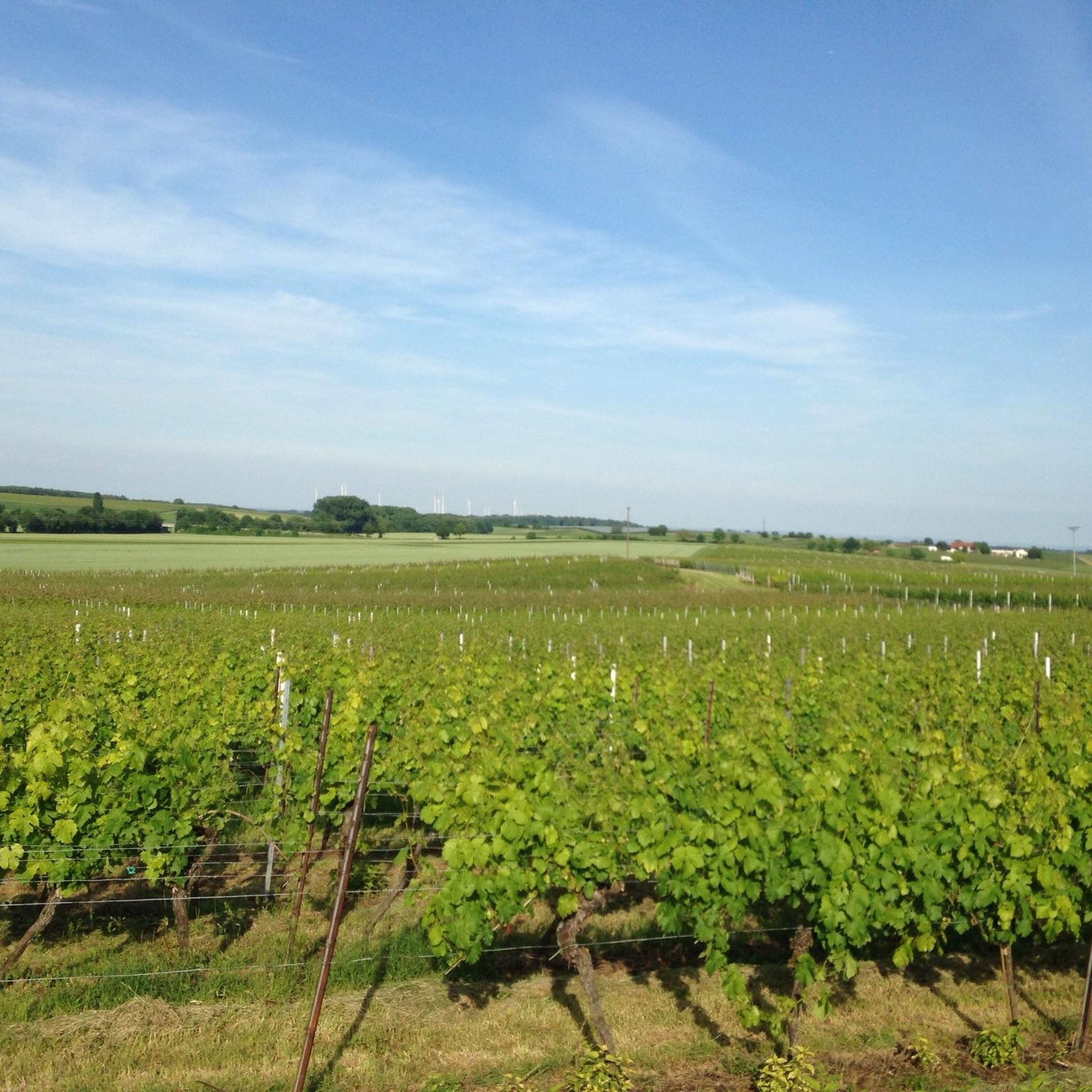
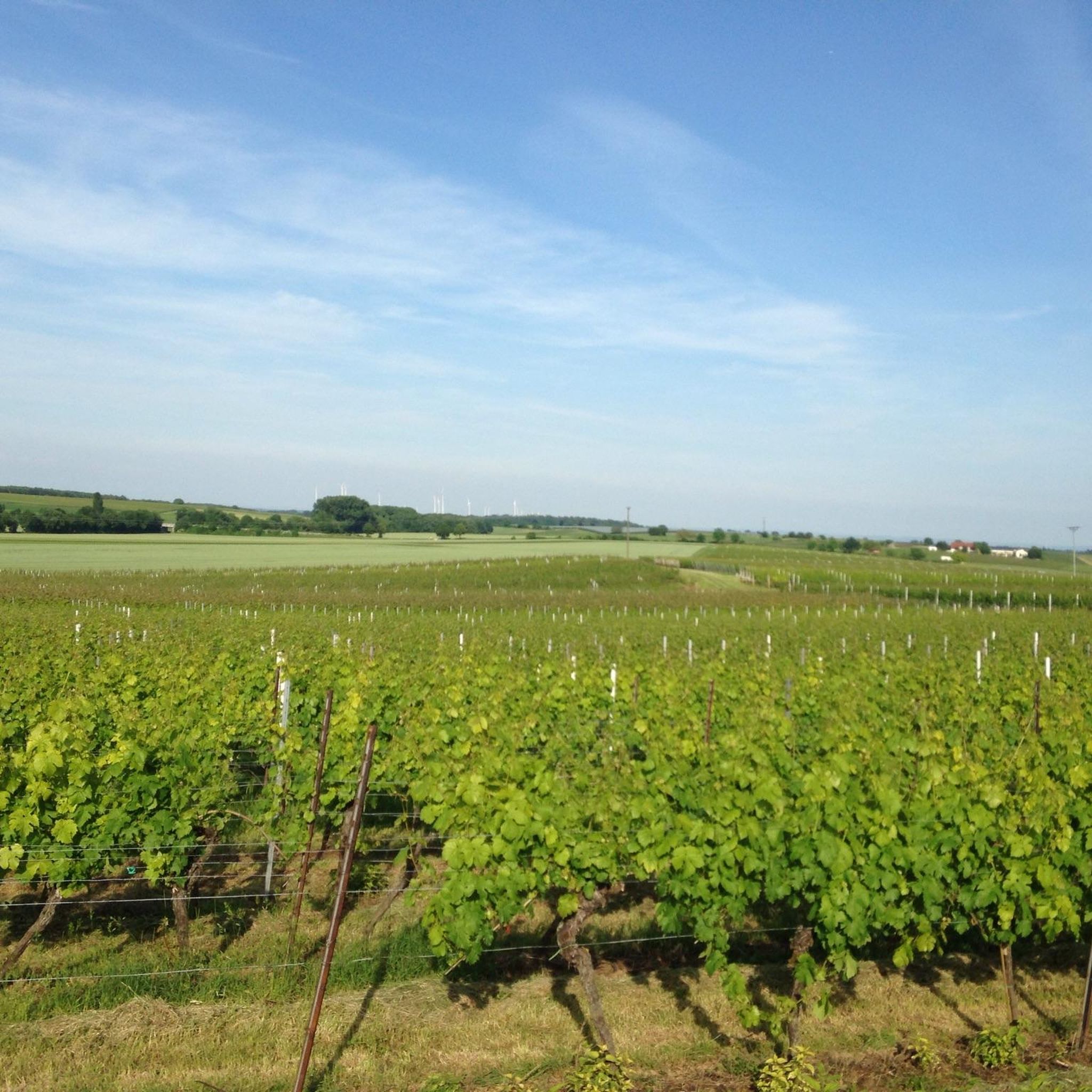
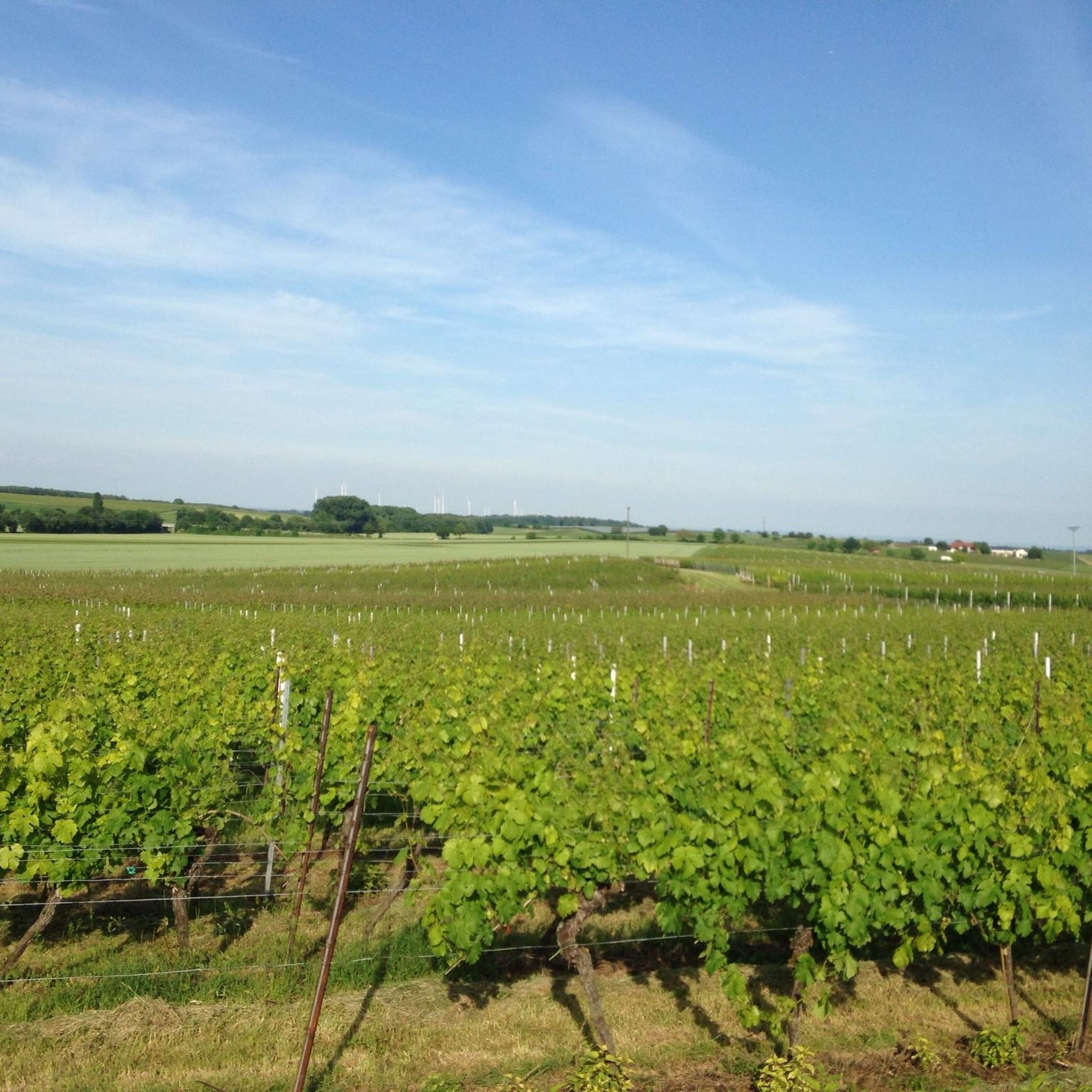
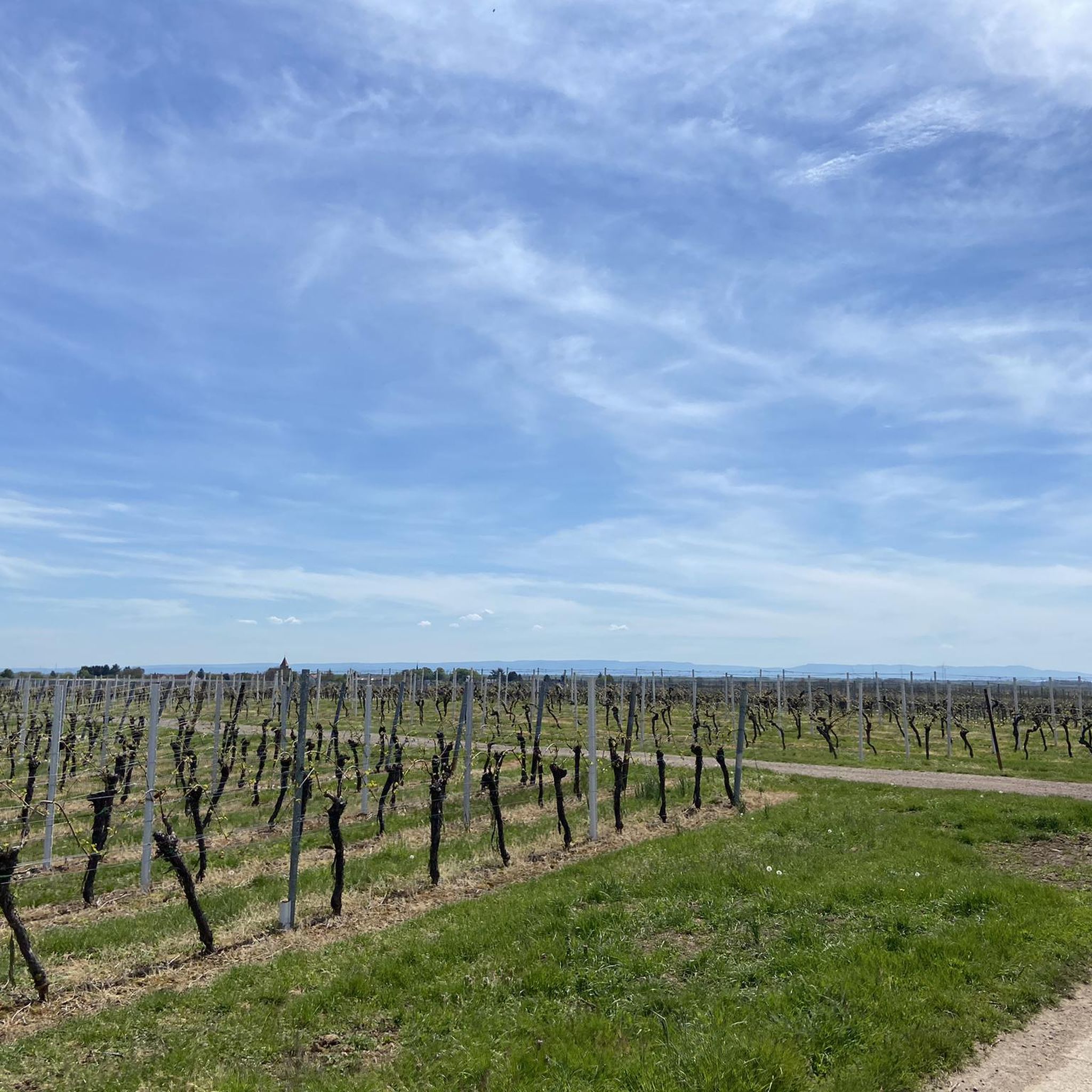
Jogging routes around Impflingen traverse a diverse landscape characterized by expansive vineyards, open fields, and meadows. The region is situated within the Klingbach valley, offering routes with gentle elevation changes suitable for various fitness levels. Joggers can explore paths alongside the Quodbach stream and through areas adorned with almond trees, providing varied scenery.
Best jogging routes around Impflingen
- The most popular jogging route is Cows in Palatinate – View of Palatinate Vineyards loop from Impflingen, a 3.6 miles (5.7…
Last updated: October 12, 2026
7
runners
Moderate run. Good fitness required. Mostly paved surfaces. Suitable for all skill levels.
8
runners
Moderate run. Good fitness required. Mostly paved surfaces. Suitable for all skill levels.

14
runners
5.87km
00:36
30m
30m
Moderate run. Good fitness required. Mostly paved surfaces. Suitable for all skill levels.
4.5
(2)
7
runners
8.59km
00:54
80m
80m
Moderate run. Good fitness required. Mostly paved surfaces. Suitable for all skill levels.
3.0
(1)
6
runners
5.57km
00:35
30m
30m
Moderate run. Good fitness required. Mostly paved surfaces. Suitable for all skill levels.
Get access to more routes and recommendations from other explorers.
Already have an account?
Our route recommendations are based on thousands of hikes, rides, and runs completed by other people on komoot.
Start today with a free account
Your next adventure awaits.
Tips from the Community

Nice place for a break, great view
1
0

Very nicely designed break location. Also suitable for smaller groups.
3
0

Nice cottage. Here you can relax well. Ideal for a little break.
0
0

Great rest area with a beautiful view
1
1

Nice hut to sit outside too
0
0

A beautiful hut, ideal for a stop. Tables and benches are ready and the view over the sea of vines to the Wasgau is also very nice 🌺🍩🍷.
2
0

Nice resting place with a little view of Impflingen or the Palatinate mountains. Beautiful sunsets
0
0
Is newly made and perfect for a rest
5
0
Frequently Asked Questions
What kind of terrain can I expect on the running routes around Impflingen?
The running routes around Impflingen offer a diverse landscape. You'll primarily find paths traversing expansive vineyards, open fields, and meadows. The region is nestled within the Klingbach valley, providing routes with gentle elevation changes. Some paths also follow the Quodbach stream or lead through areas adorned with almond trees, ensuring varied and scenic runs.
How many jogging routes are available in the Impflingen area?
There are over 690 jogging routes available around Impflingen, catering to a wide range of preferences and fitness levels. The komoot community has explored these trails extensively, with over 11,000 runners using komoot to discover the area.
Are there easy running routes suitable for beginners or a relaxed jog?
Yes, Impflingen offers a good selection of easier running routes. Out of the nearly 700 routes, 95 are rated as easy, making them perfect for beginners, a relaxed pace, or a family outing. These routes typically feature gentle gradients and well-maintained paths.
What do other runners enjoy most about the trails in Impflingen?
The running trails in Impflingen are highly rated by the komoot community, with an average score of 4.4 stars from over 700 reviews. Runners often praise the beautiful vineyard views, the peaceful atmosphere of the Klingbach valley, and the varied scenery that includes fields, meadows, and charming village sections.
Are there any circular running routes in Impflingen?
Yes, many of the running routes around Impflingen are circular, allowing you to start and finish at the same point. For example, the Cows in Palatinate – View of Palatinate Vineyards loop from Impflingen is a popular 3.6-mile circular trail offering scenic vineyard vistas.
What landmarks or attractions can I see along the jogging routes?
As you jog through Impflingen and its surroundings, you can encounter several interesting sights. Within the village, you'll pass historic half-timbered houses and the baroque town hall. The View of Landau – Hoppeditzelhäusel Viewpoint loop from Impflingen route, for instance, takes you past the Hoppeditzelhäusel, a great spot for a break. The area also features the St. Ägidius Church with its historic organ, and the beautiful Mandelhain park. For panoramic views, the Orensfels Viewpoint is a notable spot in the wider region.
Are there family-friendly running options in Impflingen?
Absolutely. The gentle elevation changes and well-maintained paths through vineyards and meadows make many routes suitable for families. The 'Impflingen Vineyard Trail' mentioned in regional research offers both a short 1.2-mile and an extended 2-mile route with gentle gains, perfect for a family jog or walk. Look for the 'easy' rated routes on komoot for the most family-friendly options.
Can I bring my dog on the running trails in Impflingen?
Generally, dogs are welcome on the outdoor trails around Impflingen. The varied landscape of vineyards, fields, and forest edges provides a great environment for running with your canine companion. It's always recommended to keep your dog on a leash, especially when passing through vineyards or near agricultural areas, and to be mindful of local regulations and other trail users.
Is there parking available near the running trails?
Yes, Impflingen is generally well-equipped for visitors. You'll find various parking options within the village, often near community centers or trailheads, providing convenient access to the running routes. Many routes, being circular, start and end in locations with parking facilities.
Are there any cafes or places to stop for refreshments near the jogging routes?
Yes, Impflingen and its surrounding villages offer opportunities for refreshments. The Café Nostalgie – Weeping Willow in Impflingen loop from Impflingen route, for example, suggests a stop at Café Nostalgie. The region's wine culture also means you might find local wineries or 'Straußwirtschaften' (seasonal wine taverns) along or near some routes, especially during harvest season, offering a chance to taste local produce and relax.
What is the best season for running in Impflingen?
Impflingen offers enjoyable running conditions throughout much of the year. Spring brings blooming almond trees and fresh greenery, while autumn provides stunning colors in the vineyards and pleasant temperatures for running. Summer is also popular, though it's best to run in the mornings or evenings to avoid the midday heat. Even in winter, many paths remain accessible, offering crisp air and quiet landscapes.
Are there any specific permits required to use the running trails in Impflingen?
No, generally, there are no specific permits required for jogging or running on the public trails and paths around Impflingen. The network of vineyard trails, field paths, and valley routes are freely accessible for recreational use. Always respect private property and follow local signage.
How can I get to the running trails using public transport?
Impflingen is a village in the Palatinate region, and while public transport options might be more limited than in larger cities, local bus services connect Impflingen to nearby towns like Landau in der Pfalz, which has a train station. From the village center, many running routes are easily accessible on foot. For detailed public transport information, you can check regional transport websites or apps for connections to Impflingen.
Most popular routes around Impflingen
Most popular attractions around Impflingen

Get inspired with the komoot mobile app


Explore more
Browse the best Running Trails & Routes in other regions.
