Attractions and Places To See around Antignac - Top 20
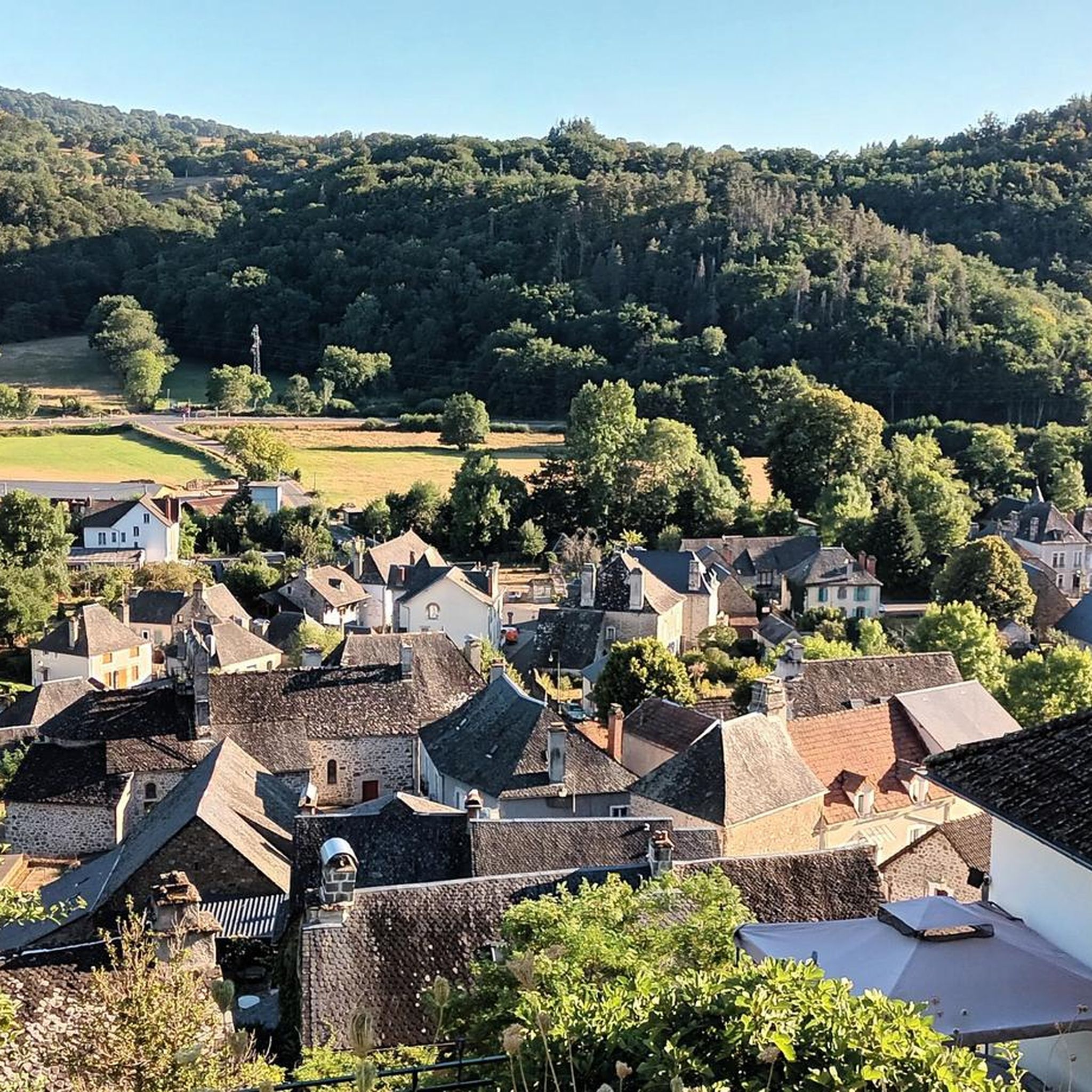
Best attractions and places to see around Antignac, located in the Cantal department of France, offer a blend of natural beauty and historical significance. The region is characterized by its rivers like the Rhue and Sumène, picturesque gorges, and rocky outcrops providing panoramic views. Ancient medieval castles, historical churches, and traditional architecture contribute to its cultural landscape, alongside archaeological remains from Celtic and Gallo-Roman occupations.
Best attractions and places to see around Antignac
- The most popular attractions is View over…
Last updated: June 18, 2026
Val Castle
Highlight • Castle
He is magnificent.
Translated by Google •
Tip by

Bort-les-Orgues Dam
Highlight • Other
Translated by Google •
Tip by

Sign up now to discover places like this
Get recommendations on the best single tracks, peaks, & plenty of other exciting outdoor places.
Sign up for free
View over Bort-les-Orgues
Highlight • Natural Monument
Translated by Google •
Tip by

Lac de la Crégut
Highlight • Lake
Translated by Google •
Tip by

Saut de la Saule Waterfall
Highlight • Waterfall
Translated by Google •
Tip by
Sign up for free to discover even more attractions around Antignac.
Sign up for free
Already have an account?
Start today with a free account
Your next adventure awaits.
Login or Signup

Tips from the Community

The castle, which once dominated the Dordogne valley from a rocky outcrop, has stood since 1952 on a headland that juts out into the Barrage de Bort-les-Orgues reservoir. The original character of the castle can only be guessed at when the water level is low. The multi-storey building is surrounded by five towers of roughly the same thickness and one thinner one, each with overhangs and conical roofs. The individual floors are connected by a spiral staircase in the vestibule. The inner courtyard was originally roofless. The first floor consists of three large rooms with decorated fireplaces from the mid-19th century and various furniture. An art exhibition with works by painters, mostly from the region, takes place every year on the second floor. The artistically crafted roof trusses of the towers can be seen from the battlement on the top floor. Source: https://de.wikipedia.org/wiki/Schloss_Val
0
0
Wikipedia has information about the dam: FR: https://de.wikipedia.org/wiki/Barrage_de_Bort-les-Orgues DE: https://fr.wikipedia.org/wiki/Barrage_de_Bort-les-Orgues
1
1
The municipality of Bort-les-Orgues has around 2500 inhabitants and is located in the Dordogne valley. Bort is the name of a ford with a steep slope. The name les Orgues (the organ pipes) is given by a striking rock formation above the town.[
1
0

The Bort dam is a structure 120 meters high and 390 meters long, straddling the municipalities of Bort and Lanobre, and creating a reservoir of more than 10 km2. Built between 1942 and 1952, it was then a veritable concrete juggernaut and today it remains one of the largest dams in France (and still the third in mainland France if we look at the quantity of water retained by a concrete construction). It is also the first and largest reservoir in the hydroelectric system of the Dordogne valley.
0
0
The Bort dam is a structure 120m high and 390m long, straddling the municipalities of Bort and Lanobre, and creating a reservoir of more than 10 km2. Built between 1942 and 1952, it was then a veritable behemoth of concrete and it remains today one of the largest dams in France (and even still the third largest in mainland France if we look at the quantity of water retained by a construction of concrete). It is also the first and largest reservoir of the hydroelectric system in the Dordogne valley.
1
0
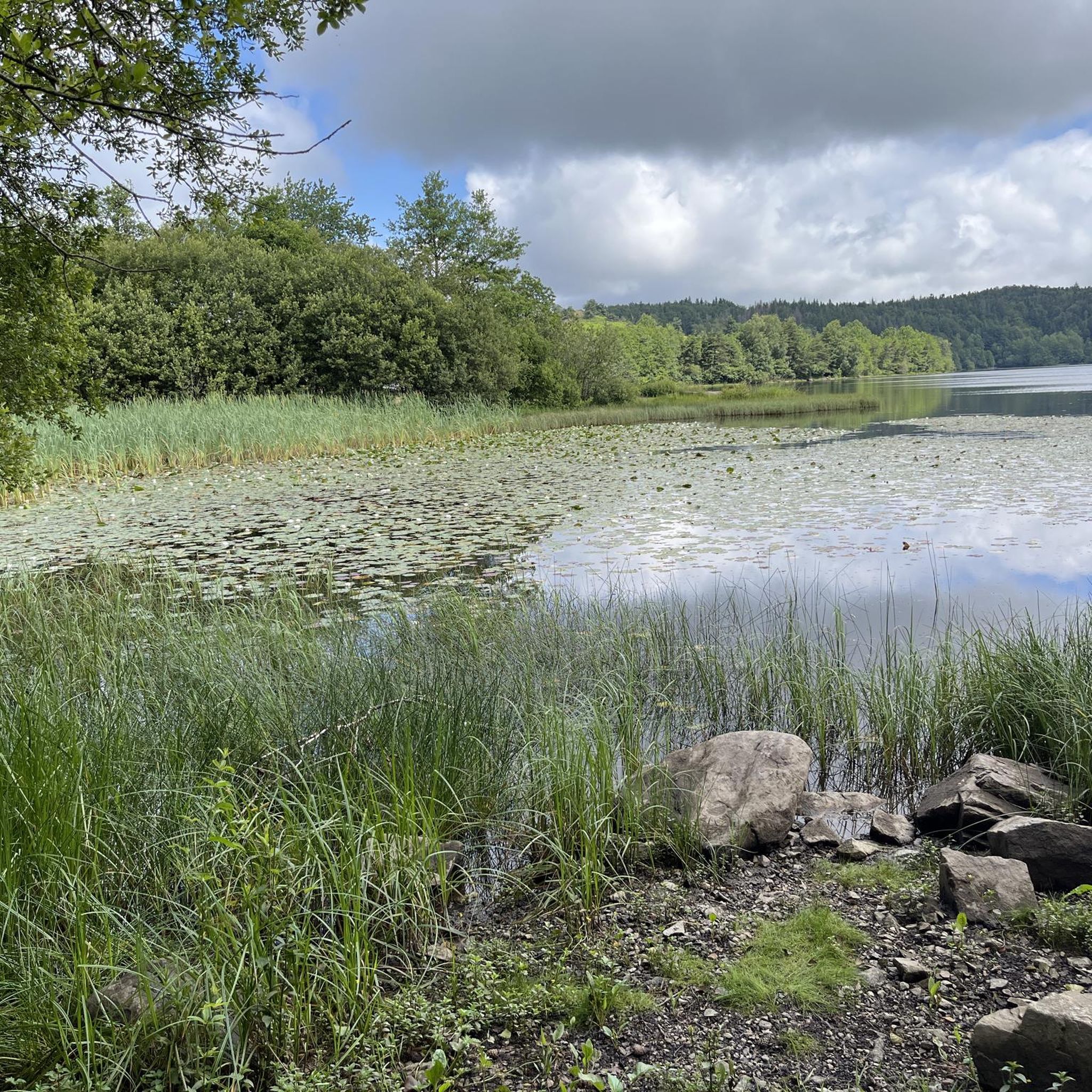
Lac de la Crégut is the largest natural lake of glacial origin in the Massif Central. From its banks, you can enjoy magnificent views of the Monts du Cantal and the surrounding lakes. It is now part of a whole system of reservoirs that supply water to the Rhue hydroelectric power station, at the Bort dam.
0
0
Saut de la saule is a waterfall in a canyon carved into the rock by the Rhue (a tributary of the Dordogne). The site was once used for the silkworm industry. Today, between the canyon and the remains of human activity, there is no shortage of tourist interest.
0
0

Small supervised family beach, very clean water with the possibility of eating in a nice atmosphere
0
0
Frequently Asked Questions
What are the most scenic viewpoints around Antignac?
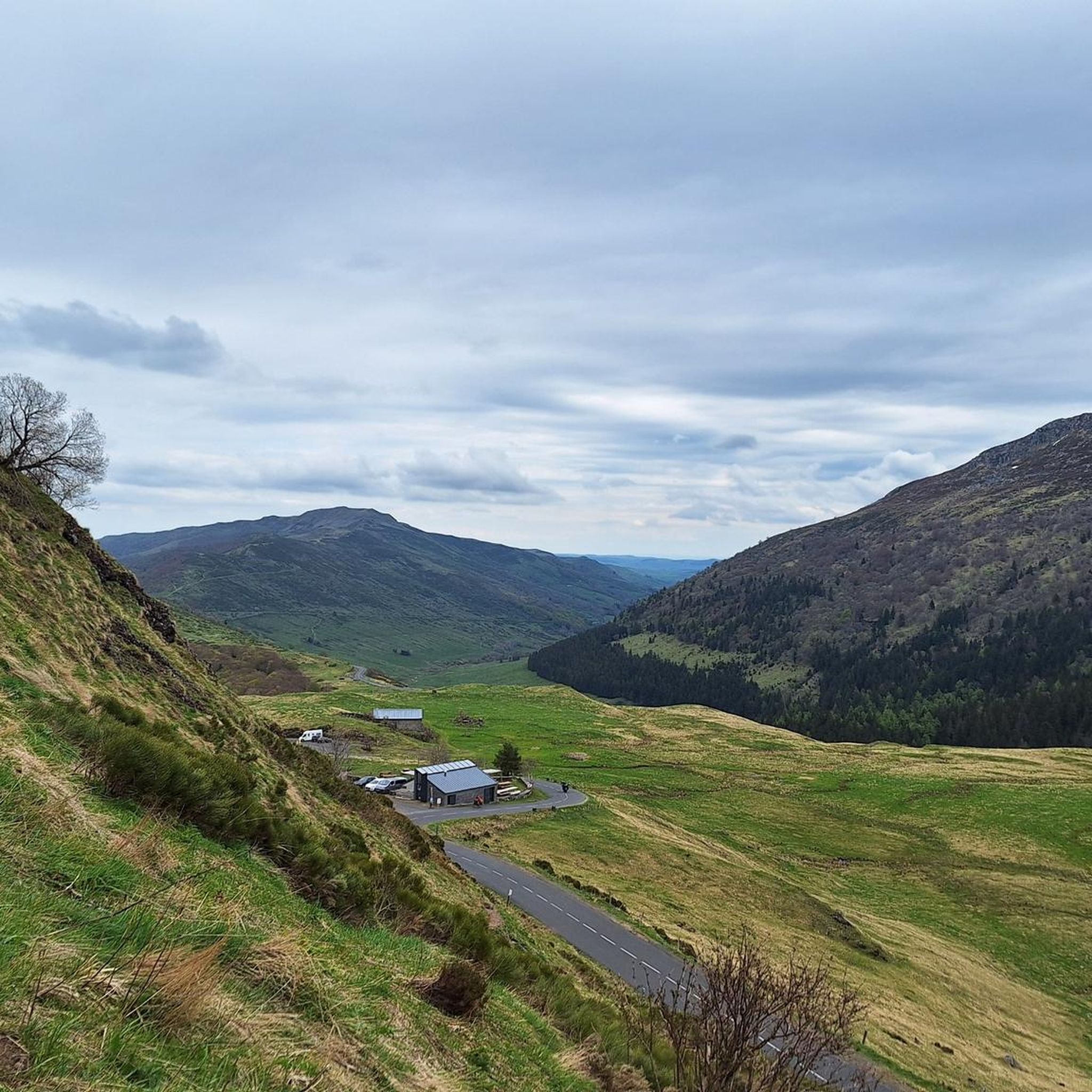
For breathtaking panoramic views, visit the View over Bort-les-Orgues, which offers expansive vistas of the surrounding landscape and striking rock formations. Another notable spot is the Rocher d'Agayrou, providing a 360-degree panorama of the Monts du Cantal, the Sumène valley, and parts of the Artense region.
Are there historical castles to explore near Antignac?
Yes, the region is rich in history. You can visit Val Castle, a multi-storey building with five towers that was preserved from being submerged by a reservoir. It also hosts an art exhibition. Additionally, the ruins of ancient medieval castles like La Roche Hubert and Le Chastellet offer a glimpse into the region's past.
Where can I find natural waterfalls in the Antignac area?
The Saut de la Saule Waterfall is a must-see, located in a canyon carved by the Rhue river. This site combines natural beauty with remnants of past industrial activity, making it a unique spot to explore.
Are there any lakes suitable for recreation near Antignac?
Yes, Lac de la Crégut is the largest natural lake of glacial origin in the Massif Central. From its banks, you can enjoy magnificent views of the Monts du Cantal and the surrounding lakes. It's also part of a system that supplies water to the Rhue hydroelectric power station.
What kind of hiking trails are available around Antignac?
Antignac offers a variety of hiking trails, from pleasant footpaths through the Gorges de la Rhue to more challenging routes. You can find detailed information and routes, including those around the Saut de la Saule Waterfall, on the Hiking around Antignac guide. The 'Roads Sumène Artense' guidebook also details many local trails.
Can I go cycling or gravel biking near Antignac?
Absolutely! The area around Antignac is great for cycling. You can explore various routes, including those for Gravel biking around Antignac and Road Cycling Routes around Antignac. These guides feature routes like the 'Sumène-Artense loop' and scenic country roads.
What family-friendly attractions are there in Antignac?
Families can enjoy the natural beauty of Lac de la Crégut, which is marked as family-friendly. The House of Tales (Maison des Contes) also offers narrated animations for children and adults, aiming to revisit childhood memories, providing a unique cultural experience for all ages.
What historical churches can be found in Antignac?
Antignac is home to several historical churches. The former priory church of Saint-Robert, founded around 1060, overlooks the Sumène valley. The Church of Saint-Pierre-ès-Liens, an old 12th-century Romanesque chapel, features 18th-century frescoes. The old parish church of Saint-Ferréol de Salsignac, rebuilt in the 15th century, also holds historical significance.
Are there any cultural sites or art galleries in Antignac?
Yes, the André Fialip Gallery and Studio, located in the former rectory, hosts a permanent exhibition of oil paintings and watercolors depicting scenes of the Auvergne region and the Mediterranean. From June to September, a mineral exhibition is also available. The House of Tales also offers visual storytelling experiences.
Does Antignac have any archaeological sites?
The area around Antignac boasts archaeological remains from Celtic and Gallo-Roman occupations, indicating a long history of human presence. While specific sites may require local guidance, these remnants highlight the region's ancient past.
When is the best time to visit Antignac for outdoor activities?
The best time to visit Antignac for outdoor activities is generally from spring to early autumn (May to September) when the weather is most favorable for hiking, cycling, and exploring natural attractions. During these months, you can fully enjoy the picturesque gorges, rivers, and panoramic viewpoints.
What is the Bort-les-Orgues Dam and can I visit it?
The Bort-les-Orgues Dam is a significant structure, 120 meters high and 390 meters long, creating a reservoir of over 10 km². Built between 1942 and 1952, it's one of France's largest dams and the first and largest reservoir in the Dordogne valley's hydroelectric system. It's a notable engineering marvel and can be viewed from various points in the area.
Most popular attractions around Antignac

Get inspired with the komoot mobile app


Explore more
Still not found the Highlight you’re looking for? See guides of the top attractions in other regions:
