The best road cycling routes around Les Baux-De-Breteuil
3.9
(10)
300
riders
118
rides
Road cycling around Les Baux-De-Breteuil offers diverse landscapes across the Eure department of Normandy. The region is characterized by rolling countryside, agricultural plains, and extensive forests, including the vast Forêt de Breteuil. Cyclists can expect a mix of flat sections and gentle inclines, with varied terrain suitable for different preferences. These natural features provide a scenic backdrop for road cycling routes.
Best road cycling routes around Les Baux-De-Breteuil
- The most popular road cycling route is Saint-Éloi Church of Le Fidelaire…
Last updated: July 9, 2026
4
riders
Moderate road ride. Good fitness required. Mostly well-paved surfaces and easy to ride.
3.0
(1)
7
riders
Moderate road ride. Good fitness required. Mostly well-paved surfaces and easy to ride.

Sign up for free
5.0
(1)
5
riders
Easy road ride. Great for any fitness level. Mostly well-paved surfaces and easy to ride.
2
riders
Moderate road ride. Good fitness required. Mostly well-paved surfaces and easy to ride.
2
riders
61.3km
02:30
220m
220m
Moderate road ride. Good fitness required. Mostly well-paved surfaces and easy to ride.
Get access to more routes and recommendations from other explorers.
Sign up for free
Already have an account?
Our route recommendations are based on thousands of hikes, rides, and runs completed by other people on komoot.
Start today with a free account
Your next adventure awaits.
Login or Signup
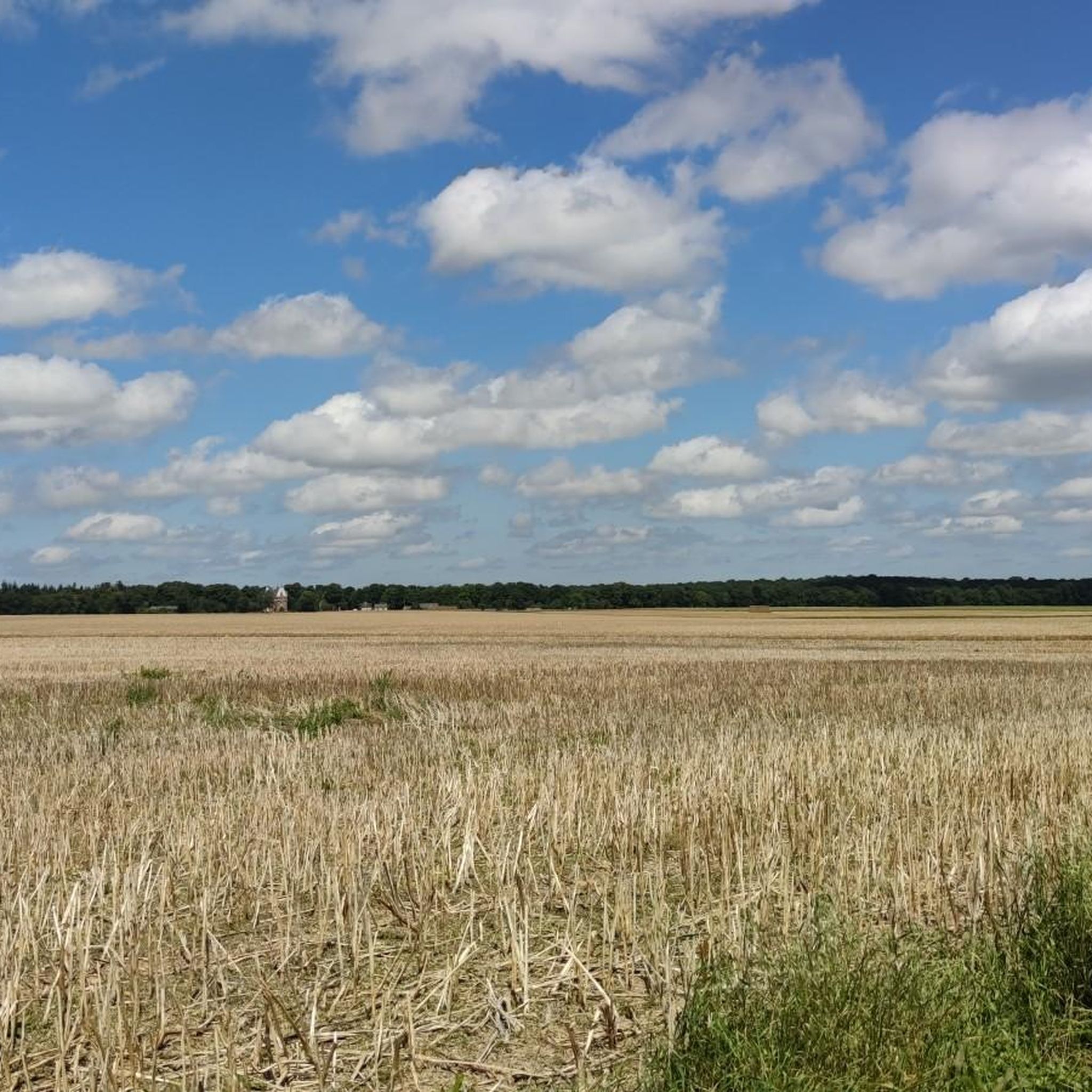
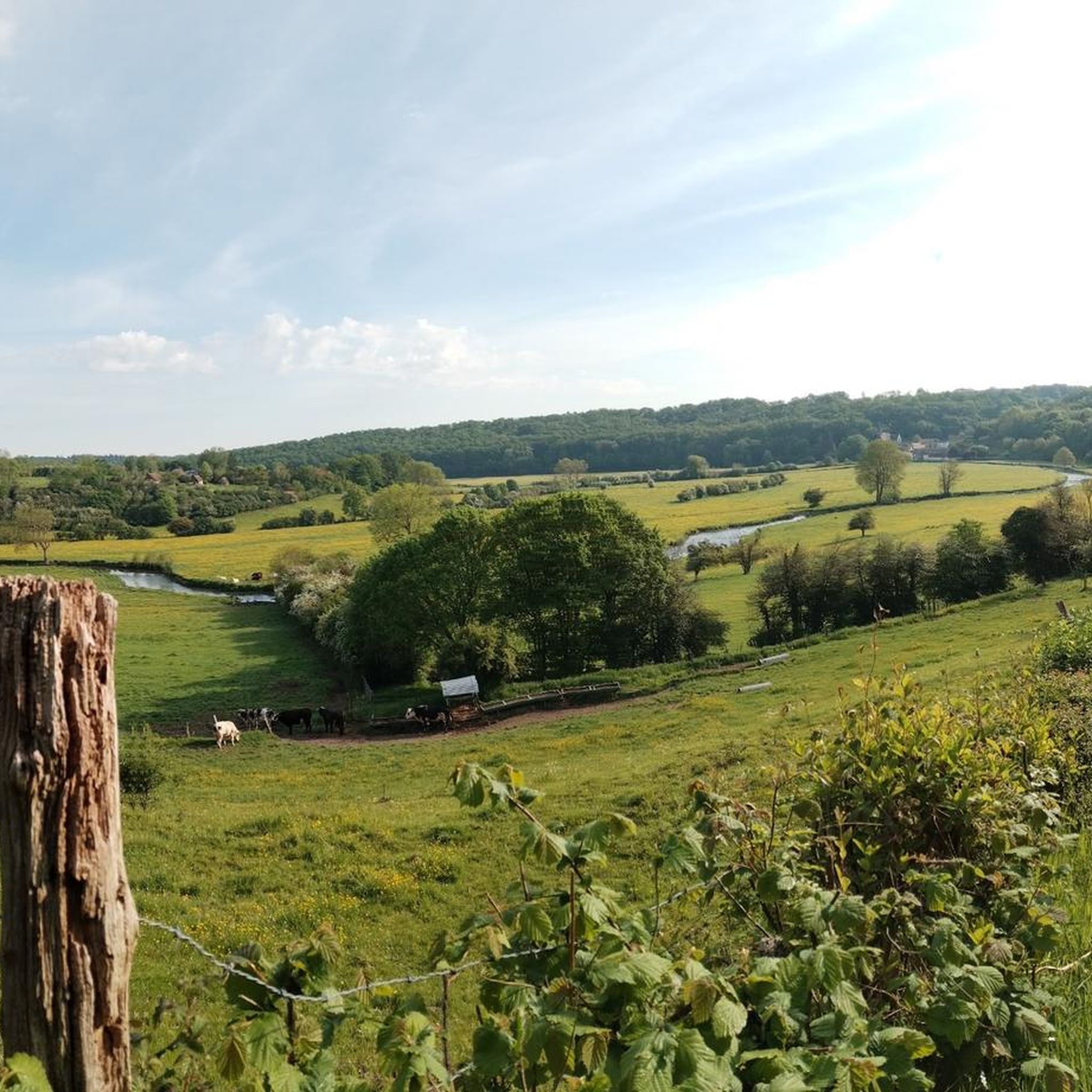
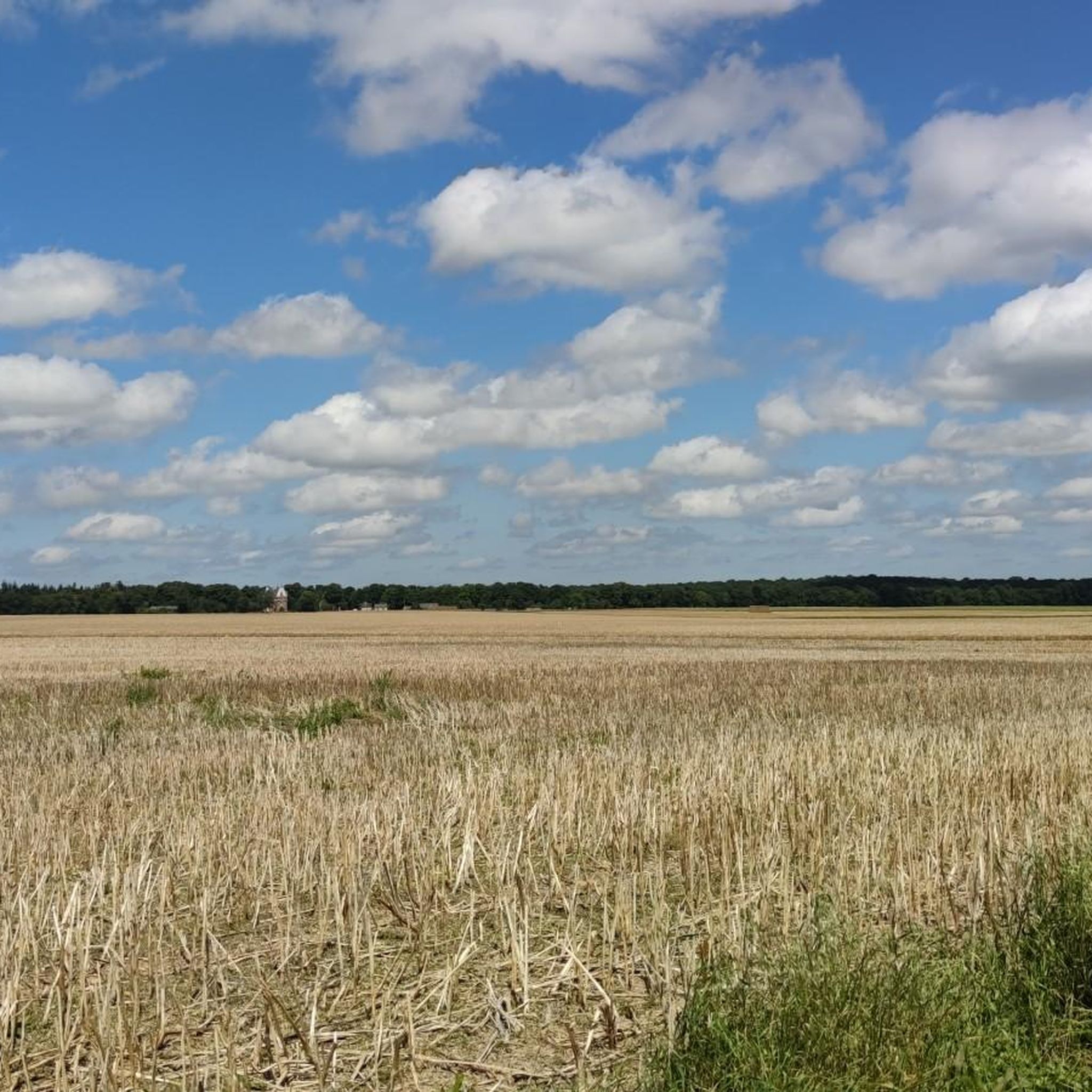

Tips from the Community

With its 20 murals, this village in the Eure region displays the values of the Republic on all its walls. https://actu.fr/normandie/le-lesme_27565/avec-ses-20-fresques-ce-village-de-l-eure-affiche-les-valeurs-de-la-republique-sur-tous-ses-murs_62146901.html
0
0
The mural depicts a photograph of the Liberation of Sainte-Marguerite-de-l’Autel. It was created in 2024 by the graffiti artist Atomik. Donated by the Foyer Rural in 2024 Glory is given only to those who have always dreamed of it. Charles De Gaulle (1880-1970)
0
0

The parish church of Bémécourt, under the patronage of Peter and Paul, is remarkable for its timber-framed bell tower. Located in the western part of the nave, it is a square, high tower resting directly on the ground. Its very slender octagonal bell tower is covered in slate.
0
0
The church of Cintray has been listed as a historical monument since June 15, 1920. This building contributes to the beauty of the Eure landscapes and the richness of France's heritage. Over the centuries, the buildings that have been grafted or agglomerated in the surrounding area have been built within the framework of a social structure: the parish. These buildings constitute references in terms of local architecture, because they are often made with local materials: tiles or slates (from the 19th century), stones (flint, Grison, Seine Valley, sandstone, etc.), bricks or cob, lime plaster and nearby sand or earth. This gives colors that often range from beige to brown or red, and volumes perfectly suited to the Normandy climate (roof slopes, etc.). These churches have been the subject of specific analysis because their surroundings are not completely urbanized. The empty spaces or breathing spaces nearby help preserve their setting. The site of the church is very interesting because, located between the Iton and the very refined village square, it offers, to the south, large visual openings onto the monument. These spaces, little or not urbanized, must be preserved.
0
0

18th century press converted into a function room.
0
0
Pretty castle located at the southern exit of the village, also called Houlley castle.
0
0

This former monastery church, the ruins of which still bear impressive witness to the former size and splendor of the abbey, was not dedicated to one of the many people we venerate as saints, but rather the ONE God in THREE persons - God the Father, God the Son (Jesus Christ) and God's Holy Spirit - was chosen as its patron saint. Father Reinhard Körner writes about the mystery of the Holy Trinity: "Among the great prayer-givers in the history of Christianity... I found prayer texts in which each of the divine three was explicitly addressed - in the same prayer. When I tried to recite the texts, I could sense that these people had not only had God the Father, Jesus Christ and the Holy Spirit in mind individually - they were addressing a divine community. And it seemed to me that they could only do this in their written prayers because they did it otherwise, quietly in their hearts."
1
0
This former monastery church, the ruins of which still bear impressive witness to the former size and splendor of the abbey, was not dedicated to one of the many people who died as martyrs (witnesses of faith) for their Christian beliefs, or who we venerate as blessed or saints because of their exemplary way of life. Rather, this parish has chosen God himself - in the "Holy Trinity" - as its patron saint. According to Christian teaching, we believe in ONE God who exists in THREE persons - God the Father, God the Son (Jesus Christ) and the Holy Spirit. The following description can be found on the EKD (Evangelical Church of Germany) website: "The word tries to express the seemingly impossible, namely that God is three and one at the same time. To understand this, it helps to consider how people have experienced God throughout history: as a creator who loves his world and people like a father loves his children. As a God who became human in Jesus Christ, his Son, and shared human life. And finally, as a God who is still present and alive among people in the Holy Spirit."
2
0
Frequently Asked Questions
How many road cycling routes are available around Les Baux-De-Breteuil?
There are over 120 road cycling routes available around Les Baux-De-Breteuil, offering a wide range of options for different preferences and skill levels.
What kind of terrain can I expect when road cycling in Les Baux-De-Breteuil?
The region features diverse landscapes, including rolling countryside, agricultural plains, and extensive oak-hornbeam forests like the vast Forêt de Breteuil. You can expect a mix of flat sections and gentle inclines, providing varied terrain suitable for different cycling preferences.
What are the difficulty levels of road cycling routes in this area?
The routes around Les Baux-De-Breteuil primarily cater to easy and moderate ability levels. There are 43 easy routes and 84 moderate routes, ensuring options for both casual riders and those looking for a bit more challenge.
When is the best time of year to go road cycling in Les Baux-De-Breteuil?
Spring is particularly beautiful, with orchards in bloom adding to the scenic beauty. The extensive forests also provide shaded routes, making summer cycling enjoyable. Generally, spring through early autumn offers pleasant conditions for road cycling in the region.
Are there circular road cycling routes available?
Yes, many of the road cycling routes in the area are designed as loops. For example, the Saint-Éloi Church of Le Fidelaire – Conches-en-Ouche Keep loop from Le Fidelaire and the Priory of the Holy Trinity – Conches-en-Ouche Keep loop from La Vieille-Lyre are popular circular options.
What historical sites or landmarks can I see along the road cycling routes?
You can integrate cultural and historical stops into your rides. Notable sites include the Saint-Éloi Church of Le Fidelaire, the historical Priory of the Holy Trinity, and the charming Village of Breteuil. Some routes also pass by the Le Trou Normand, Bourvil.
Are there family-friendly road cycling options in Les Baux-De-Breteuil?
Yes, with 43 easy routes available, there are plenty of family-friendly road cycling options. These routes typically feature gentler inclines and pass through picturesque countryside and charming villages, suitable for a relaxed ride with family.
What do other road cyclists enjoy most about the routes in Les Baux-De-Breteuil?
The area is highly rated by the komoot community, with an average score of 3.9 stars from over 10 reviews. Nearly 300 road cyclists have explored the region, often praising the diverse landscapes, the tranquility of the Forêt de Breteuil, and the charming villages encountered along the way.
What natural features will I encounter on a road cycling tour?
Road cycling routes often lead through the vast Forêt de Breteuil, one of Normandy's largest forest complexes, offering shaded paths and a tranquil environment. You'll also experience picturesque rolling countryside, agricultural plains, and may encounter ecologically rich ponds within the forest.
How long are the typical road cycling routes in the area?
Route lengths vary, but popular options include moderate paths like the Saint-Éloi Church of Le Fidelaire – Conches-en-Ouche Keep loop from Le Fidelaire, which is about 77.5 km (48.1 miles) and takes around 3 hours 15 minutes. Shorter routes, such as the Saint-Éloi Church of Le Fidelaire – Village of Breteuil loop from La Vieille-Lyre, are about 48.1 km (29.9 miles) and can be completed in under 2 hours.
Are there challenging road cycling routes for experienced cyclists?
While the area is known for its easy and moderate routes, some of the longer moderate routes, such as the 77.5 km Saint-Éloi Church of Le Fidelaire – Conches-en-Ouche Keep loop from Le Fidelaire with over 470 meters of elevation gain, offer a good workout for experienced riders. The varied terrain ensures an engaging ride.
Is it possible to find parking for cyclists in Les Baux-De-Breteuil?
Yes, as a rural area popular for outdoor activities, you can typically find parking in or near the villages, especially at common starting points for routes. Specific parking details may vary by route, but general village parking is usually available.
Can I reach Les Baux-De-Breteuil by public transport with my bike?
Public transport options to Les Baux-De-Breteuil are limited, and carrying bikes on regional buses or trains can be challenging. It's advisable to check specific regional transport services for their bike policies. For general information on cycling in the wider Seine-Eure region, you might find resources on the local tourism website: tourisme-seine-eure.com.
Are there places to stop for refreshments like cafes or pubs along the routes?
Cycling through charming villages like Les Baux-De-Breteuil itself, or nearby towns, often provides opportunities to stop at local cafes, bakeries, or small eateries. The region also has local producers where you might find refreshments and local specialties.
Most popular routes around Les Baux-De-Breteuil
Most popular attractions around Les Baux-De-Breteuil

Get inspired with the komoot mobile app


Explore more
Browse the best Road cycling routes in other regions.
