Attractions and Places To See around Saint-Martin-Sur-Armançon - Top 20
Best attractions and places to see around Saint-Martin-Sur-Armançon include a mix of historical sites, natural features, and cultural landmarks in the Bourgogne-Franche-Comté region of France. This area provides opportunities to explore medieval heritage and serene natural landscapes. Visitors can discover a variety of sites, from ancient châteaux to picturesque river paths. The region offers diverse experiences for those interested in history, architecture, and outdoor activities.
Best attractions and places to see around Saint-Martin-Sur-Armançon
- The most popular attractions is Château de…
Last updated: October 10, 2026
Towpath of the Canal de Bourgogne
Highlight (Segment) • Trail
Translated by Google •
Tip by

Château de Tanlay
Highlight • Castle
the first of the films "Angélique Marquise des anges" by Bernard Borderie, with Michèle Mercier, Robert Hossein, and Jean Rochefort is …
Translated by Google •
Tip by

Sign up now to discover places like this
Get recommendations on the best single tracks, peaks, & plenty of other exciting outdoor places.
Fosse Dionne
Highlight • Natural Monument
Translated by Google •
Tip by

Hôtel-Dieu de Tonnerre
Highlight • Historical Site
The Hôtel-Dieu was donated by Margaret of Burgundy and built from …
Translated by Google •
Tip by
Notre-Dame Church
Highlight • Religious Site
Translated by Google •
Tip by
Sign up for free to discover even more attractions around Saint-Martin-Sur-Armançon.
Already have an account?
Start today with a free account
Your next adventure awaits.
Popular around Saint-Martin-Sur-Armançon

Tips from the Community

Magnificent Exterior Trompe l'oeil Gallery
0
0

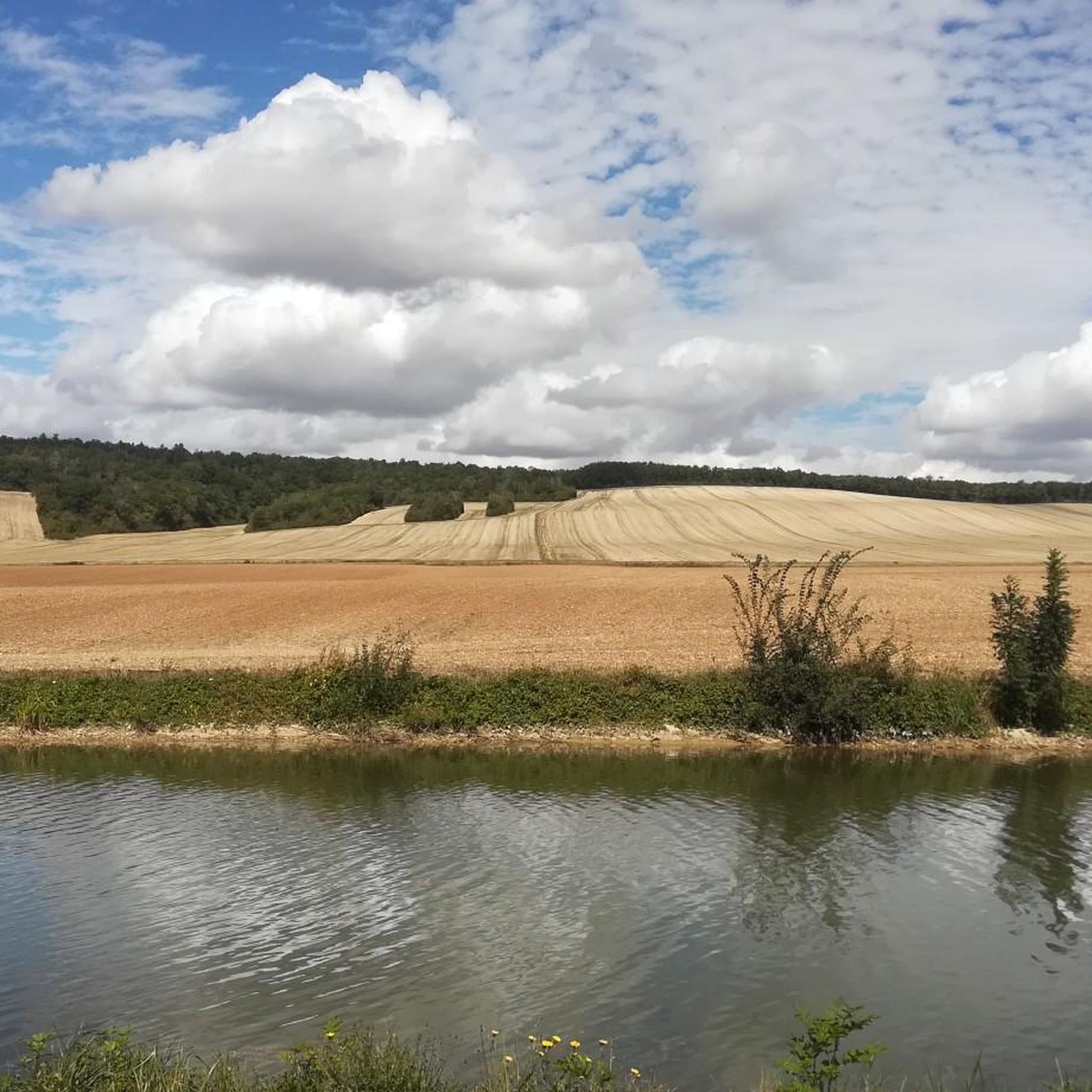
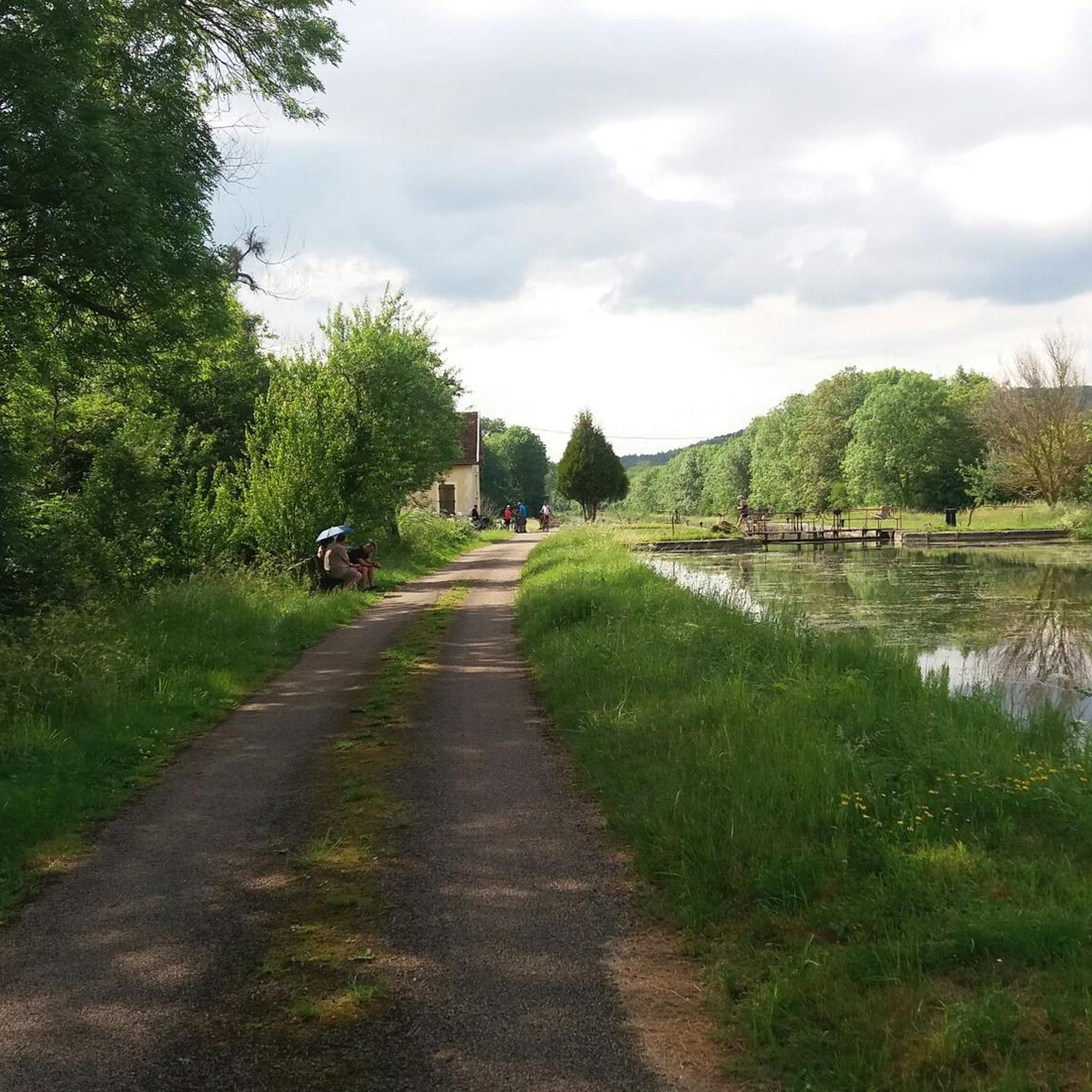
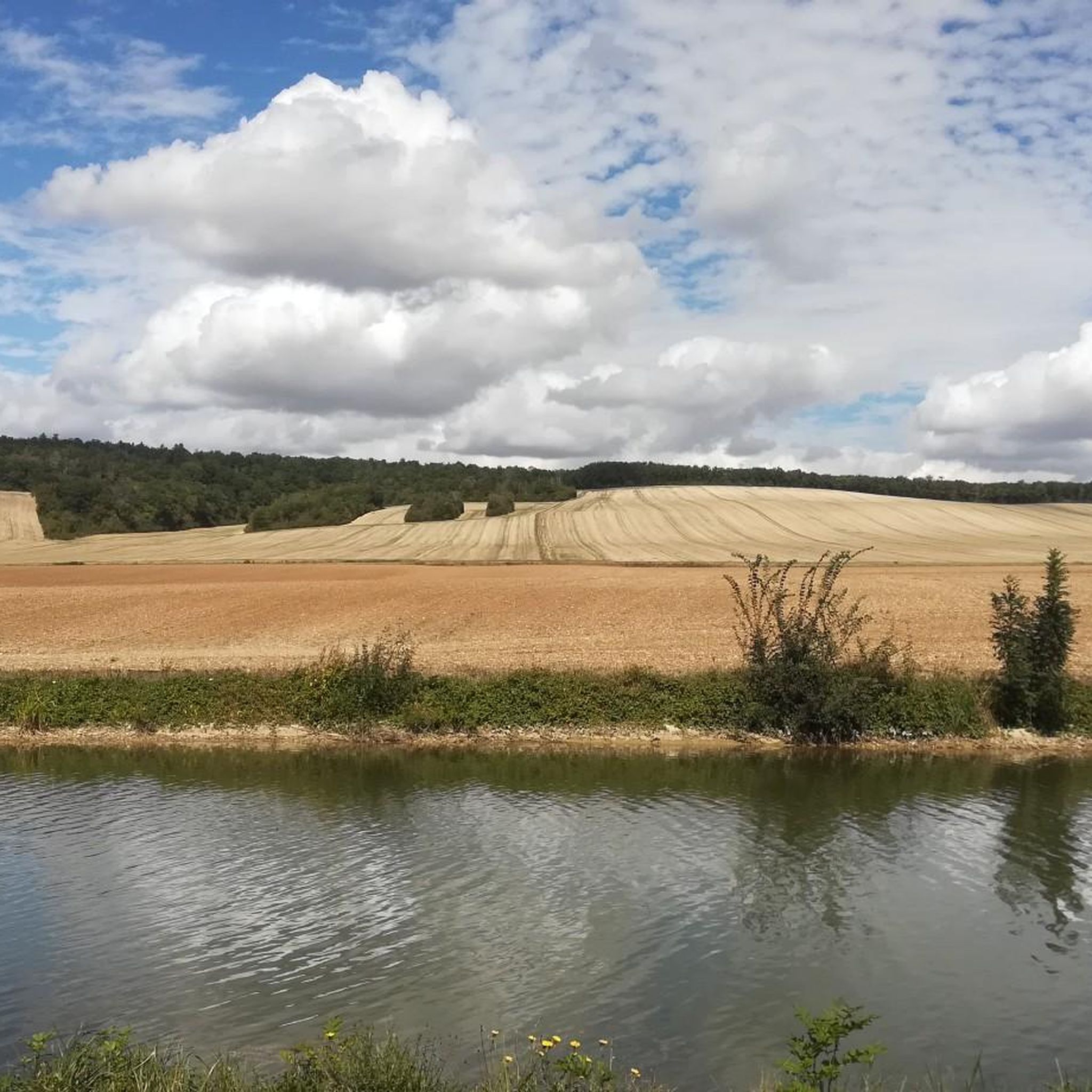
A "chemin de halage", in German "treidelpfad", which runs alongside the waterway right next to the bed of the river or canal, was an indispensable part of the transport infrastructure in earlier times. Before ships could move using motor power, horses ran along the bank and pulled the ship against the current. This was called "treideln", and that is how the "treidelpfad" got its name. Where these paths directly on the bank have been preserved, they are now popular with hikers and cyclists.
1
0

The Hotel Dieu is the work of Marguerite de Bourgogne. it is the longest medieval hospital in Europe. It was built in the XIII century.
0
1
We enjoyed a remarkable guided tour.
0
0

The deep basin of the karst spring with the historic washhouse around it is, in my opinion, the main attraction in Tonnerre. Depending on your perspective, when the sun is shining you will see deep turquoise water in front of you. Plus the rushing of the water. You can also just sit here for a while and enjoy. When we visited the spring on a Friday morning, there was surprisingly little going on.
2
0
It has, among its furniture, a shrine which contains relics of Saint Thierry from the Saint-Michel de Tonnerre abbey, a statuette of Saint Eloi from the 15th century, a painting commemorating the deaths of the epidemic of 1632. It represents Charles-Henri de Clermont, Count of Tonnerre, interceding with Saint Roch on the occasion of the plague epidemic; Saint Roch is seated, an angel stands at his side and a dog brings him bread. https://fr.wikipedia.org/wiki/%C3%89glise_Notre-Dame_de_Tonnerre
2
0
The Hôtel-Dieu de Tonnerre is a former hospital establishment founded in 1293 by Marguerite de Bourgogne, Countess of Tonnerre and Queen of Jerusalem. This exceptional historical monument has welcomed the sick and needy for centuries, who come to receive free care for the body, but also for the soul: services are celebrated every day in the chapel located at the end of the Sick Room, in a manner so that everyone can attend from their bed. Opening times: https://www.hoteldieu-tonnerre.com/tarifs-heures
2
0

A real must-see - this round wash house around a turquoise green source is unique in its kind and well worth the detour.
2
0
Frequently Asked Questions
What historical sites can I explore around Saint-Martin-Sur-Armançon?
The region is rich in history. You can visit the medieval hospital, Hôtel-Dieu de Tonnerre, built in the 13th century. Another significant historical landmark is the Château de Tanlay, a stunning Renaissance castle known for its architecture and frescoes. Additionally, the Fosse Dionne and the town of Tonnerre offer insights into the area's past, with the karst spring being central to the town's creation. The village of Noyers-sur-Serein, with its half-timbered houses, is also a notable historical gem nearby.
Are there any natural features or scenic spots to visit?
Yes, the area boasts several natural attractions. The Fosse Dionne in Tonnerre is a unique karst spring with a remarkable flow rate. The Armançon River itself provides serene spots for relaxation and peaceful walks. You can also enjoy the scenic beauty along the Towpath of the Canal de Bourgogne, which features historical locks and lock houses amidst picturesque landscapes.
What outdoor activities are available near Saint-Martin-Sur-Armançon?
The region is ideal for outdoor enthusiasts. You can enjoy hiking, cycling, and mountain biking. The Towpath of the Canal de Bourgogne is particularly popular for walking and cycling. For more structured routes, you can explore various trails such as the 'Hôtel-Dieu de Tonnerre – Tonnerre Lock loop' for hiking, or the 'Canal de Bourgogne – Château de Tanlay loop' for mountain biking. Find more routes on the hiking, MTB, and running guide pages.
Are there family-friendly attractions or activities in the area?
Absolutely. Many attractions are suitable for families, including the Château de Tanlay, which offers a fascinating historical experience. The Towpath of the Canal de Bourgogne is great for family walks or bike rides. Exploring nearby family farms allows children to interact with animals and discover local produce. The medieval village of Noyers-sur-Serein also provides an engaging historical backdrop for all ages.
What is the best time of year to visit Saint-Martin-Sur-Armançon?
The spring and summer months (April to September) are generally considered the best time to visit. During this period, the weather is pleasant for outdoor activities like hiking and cycling, and the natural landscapes are at their most vibrant. Many local markets and events are also more active during these seasons.
Can I find local markets or places to buy local produce?
Yes, the region offers several opportunities to experience local life and purchase regional goods. The village itself often hosts artisanal crafts markets. Additionally, nearby towns like Tonnerre (Saturday), Ancy-le-Franc (Thursday), and Chablis (Sunday) have various markets where you can find fresh local produce and unique souvenirs.
Are there opportunities for wine tasting in the area?
Yes, Saint-Martin-Sur-Armançon is located in Bourgogne-Franche-Comté, a region renowned for its wine. Visitors can delve into Bourgogne's world-class wine culture by booking tasting sessions directly with vineyard owners for an authentic local experience. Chablis, a famous wine region, is also nearby.
What kind of terrain can I expect on hiking trails around Saint-Martin-Sur-Armançon?
The hiking trails in the area offer varied terrain, ranging from easy, flat paths along the Canal de Bourgogne Towpath to more moderate routes with some elevation changes through the surrounding countryside. Trails like the 'Saint Peter's Church – Notre-Dame Church loop from Tonnerre' are generally easy, while longer loops such as the 'Hôtel-Dieu de Tonnerre – Tonnerre Lock loop' can be moderate. You'll encounter riverside paths, forest trails, and routes through charming villages.
What do visitors enjoy most about the attractions near Saint-Martin-Sur-Armançon?
Visitors particularly appreciate the blend of historical richness and natural beauty. The architectural grandeur of sites like the Château de Tanlay and the historical significance of the Hôtel-Dieu de Tonnerre are highly praised. Many also enjoy the unique natural spectacle of the Fosse Dionne and the peaceful, scenic walks or bike rides along the Canal de Bourgogne Towpath.
Are there any notable churches or religious buildings to visit?
Yes, the region features several historically significant religious buildings. The Notre-Dame Church in Tonnerre, originally a simple oratory, grew to become the main church of the town, showcasing centuries of architectural development. The Saint-Martin Church within Saint-Martin-sur-Armançon itself is also noted for its historical significance and architectural beauty. Fontenay Abbey, a recognized heritage site, is also within a reasonable distance.
Can I find places to eat or stay near the attractions?
Yes, you'll find various options for dining and accommodation. The region offers local family restaurants where you can savor authentic delicacies. In nearby towns like Tonnerre, there are hotels and eateries, such as the excellent hotel-restaurant l'Abbaye Saint Michel. For more casual options, cafes and pubs are available in the surrounding villages.
Most popular routes around Saint-Martin-Sur-Armançon

Get inspired with the komoot mobile app


Explore more
Still not found the Highlight you’re looking for? See guides of the top attractions in other regions:
