Attractions and Places To See around Piedicroce - Top 20
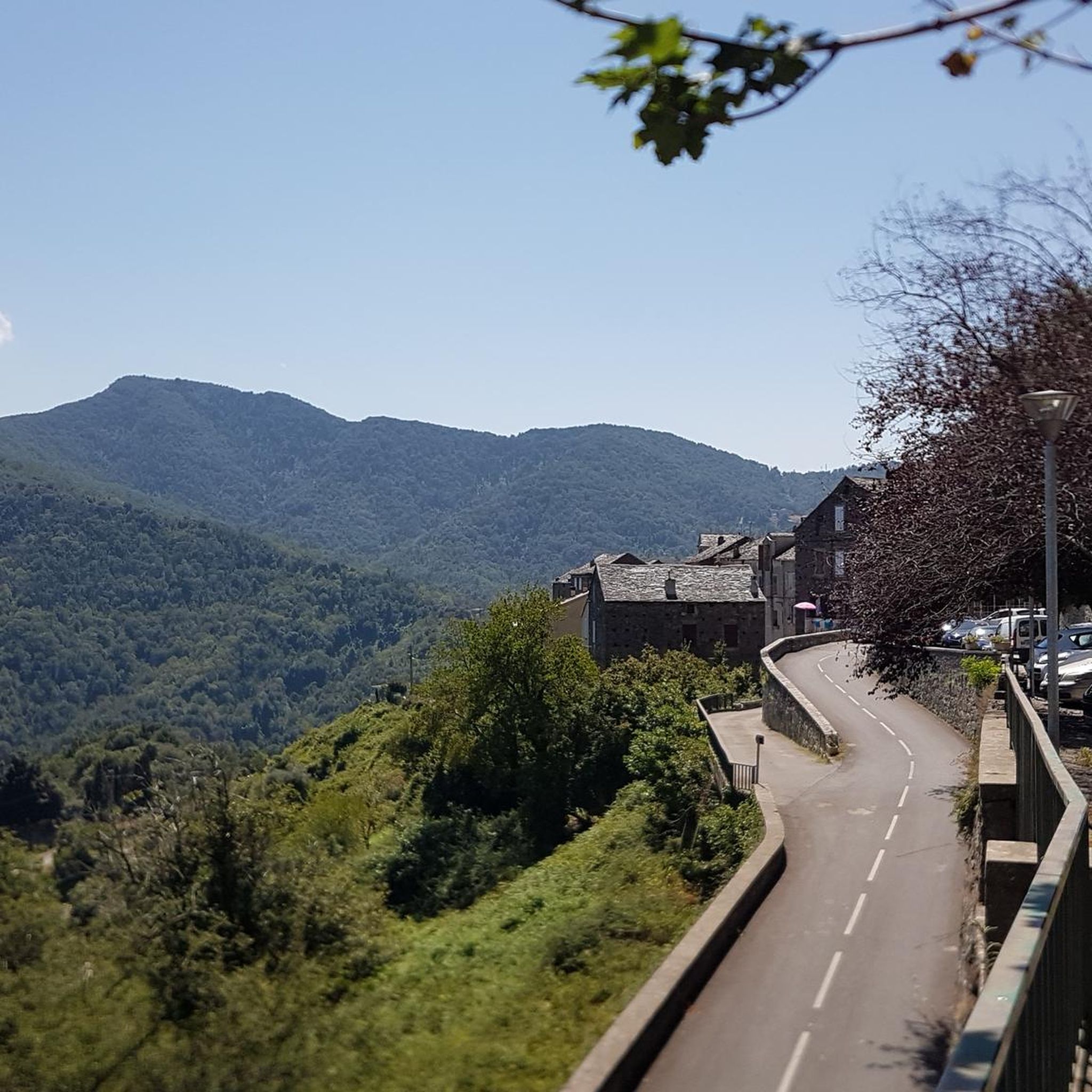
Best attractions and places to see around Piedicroce include a blend of historical landmarks, cultural sites, and natural features. This hill village, located in Corsica's Castagniccia region, is situated at the base of Mont San Petrone. The area is characterized by its extensive chestnut forests and offers opportunities for exploring Corsican heritage and outdoor activities.
Best attractions and places to see around Piedicroce
- The most popular attractions is Ucelluline Waterfall, a waterfall accessible via a narrow mountain road with…
Last updated: July 2, 2026
Ucelluline Waterfall
Highlight • Waterfall
Translated by Google •
Tip by

San Nicolao Church
Highlight • Other
Translated by Google •
Tip by

Sign up now to discover places like this
Get recommendations on the best single tracks, peaks, & plenty of other exciting outdoor places.
Sign up for free
Church San Nicolu
Highlight • Other
Translated by Google •
Tip by

Mount San Petrone
Highlight • Summit
At 1767m, Monte San Petrone is the highest peak in the Castagniccia region.
Castagniccia stands for the Corsican …
Translated by Google •
Tip by

Orezza cloister ruin
Highlight • Monument
Translated by Google •
Tip by

Sign up for free to discover even more attractions around Piedicroce.
Sign up for free
Already have an account?
Start today with a free account
Your next adventure awaits.
Login or Signup

Tips from the Community

This church is one of the Baroque buildings found in Corsica. It is recognizable from afar with its distinctive bell tower, visible amidst the natural forest setting of the Costa Verde massif.
0
0

The church was begun at the beginning of the seventeenth century and completed in 1717. In 1740, embellishment works were carried out. The wall paintings were painted by Luigi Pollero in 1810. The main façade consists of two levels delimited by cornices and surmounted by a triangular pediment with three acroteria. On the first level, on either side of the portal, there are two niches that house the statues of Saint Nicholas and Saint Peter. The church ends in a semicircular apse. The bell tower rises at the junction of the apse and the right side façade. It has five floors that end in a dome surmounted by a cross. The interior consists of a nave and five richly decorated side chapels. On either side of the altar there are caryatid angels. Building dating from the first quarter of the 17th century (?), mentioned in the report of the pastoral visit of Msgr. Marliani, Bishop of Mariana and Accia, in 1646. It was restored in 1686 with the collaboration of master masons Lorenzo Chiglione and Giovanni Filippi. Rebuilt in 1717 and 1740. Main door dating from 1766. Painted decoration (investigated in the Palissy database) carried out by the painter Luigi Polleri in 1810, as shown by the date on the inside of the building. Restored in 1896.
1
0
The church was begun at the beginning of the seventeenth century and completed in 1717. In 1740, embellishment works were carried out. The wall paintings were painted by Luigi Pollero in 1810. The main façade consists of two levels delimited by cornices and surmounted by a triangular pediment with three acroteria. On the first level, on either side of the portal, there are two niches that house the statues of Saint Nicholas and Saint Peter. The church ends in a semicircular apse. The bell tower rises at the junction of the apse and the right side façade. It has five floors that end in a dome surmounted by a cross. The interior consists of a nave and five richly decorated side chapels. On either side of the altar there are caryatid angels. Building dating from the first quarter of the 17th century (?), mentioned in the report of the pastoral visit of Msgr. Marliani, Bishop of Mariana and Accia, in 1646. It was restored in 1686 with the collaboration of master masons Lorenzo Chiglione and Giovanni Filippi. Rebuilt in 1717 and 1740. Main door dating from 1766. Painted decoration (investigated in the Palissy database) carried out by the painter Luigi Polleri in 1810, as shown by the date on the inside of the building. Restored in 1896.
1
0

This church has a special location. Every time I cycled past it I just had to stop for a moment. Very beautiful. 👍🏻
0
0

The ruins can only be viewed from the outside; everything is fenced off and entry is prohibited.
0
0
You can either go up next to the bridge or go down diagonally opposite and swim if you want. There is a tunnel on the other side of the bridge.
2
1

It's definitely worth a detour, it's almost an LP. And if you are careful you can explore one or the other room, which of course should be well thought out because of the risk of collapse.
1
0
In the meantime, grazing cows complete the idyllic picture.
0
0
Frequently Asked Questions
What natural attractions can I explore near Piedicroce?
The region around Piedicroce is rich in natural beauty. A must-see is the Ucelluline Waterfall, accessible via a scenic mountain road, offering excellent vantage points to admire its cascades. For breathtaking panoramic views, hike to Mount San Petrone, the highest peak in the Castagniccia region. You can also explore the extensive chestnut forests that characterize the Castagniccia region itself, providing numerous tranquil walking opportunities.
Are there historical or cultural sites to visit in Piedicroce?
Yes, Piedicroce and its surroundings are steeped in history. The San Nicolao Church, begun in the early 17th century, features wall paintings from 1810 and a distinctive five-story bell tower. Another significant site is the 17th-century Baroque Église Saint-Pierre-et-Saint-Paul, a historic monument known for its richly decorated interior and Corsica's oldest organ. You can also visit the ruins of the 15th-century Orezza Convent, a historically important religious hub.
What kind of outdoor activities can I do around Piedicroce?
Piedicroce is an excellent base for outdoor enthusiasts. Hiking is very popular, with trails leading through verdant valleys and to sites like the Cascade de la Struccia and Mount San Petrone. You can find various hiking routes, including moderate and difficult options, by visiting the Hiking around Piedicroce guide. Cycling is also a great way to explore the area, with routes like the 'Orezza cloister ruin – La Porta Village loop' available in the Road Cycling Routes around Piedicroce guide.
Are there any family-friendly attractions or activities near Piedicroce?
While specific 'family-friendly' categories aren't listed for all attractions, many natural sites can be enjoyed by families. The scenic drive to Ucelluline Waterfall offers beautiful views, and the site itself provides a pleasant spot for a short walk and admiring the cascades. Exploring the charming village of Piedicroce with its traditional stone houses can also be a delightful family activity. For walks, the 'Struccia Waterfall – Piedicroce loop' is an easy 5.9 km hike suitable for families looking for a gentle outdoor experience.
What do visitors enjoy most about the attractions around Piedicroce?
Visitors particularly enjoy the stunning natural beauty and panoramic views. The journey to Ucelluline Waterfall is often highlighted for its scenic mountain road, and the waterfall itself is appreciated for its refreshing atmosphere and opportunities for bathing. The hike to Mount San Petrone is praised for its challenging yet rewarding ascent, culminating in a magnificent 360° view. The historical churches, like San Nicolao Church, are valued for their rich history and architectural details.
Where can I find hiking trails of varying difficulty near Piedicroce?
Piedicroce offers a range of hiking trails. For a challenging experience with incredible views, consider the 'Through beautiful woods – Mount San Petrone loop' which is a 15.1 km difficult hike. If you prefer a moderate option, the 'Church – Struccia Waterfall loop' covers 7.4 km. For easier walks, the 'Struccia Waterfall – Piedicroce loop' is an easy 5.9 km trail. You can find more details and options in the Hiking around Piedicroce guide.
Is there a specific time of year that is best for visiting Piedicroce for outdoor activities?
While specific 'best time to visit' data isn't provided, the region's natural attractions and hiking opportunities suggest that spring, summer, and early autumn would be ideal. During these seasons, the weather is generally more favorable for exploring waterfalls, hiking to mountain summits like Mount San Petrone, and enjoying the chestnut forests. The tips for Notre-Dame-de-Scupiccia Chapel suggest March to November as the best time for walking.
Can I find viewpoints with scenic vistas around Piedicroce?
Absolutely. The summit of Mount San Petrone, at 1767 meters, offers a breathtaking 360° panoramic view of the Castagniccia region and beyond. Additionally, the narrow mountain road leading to Ucelluline Waterfall provides magnificent views over the coastal plain to the sea, and the stone bridge at the waterfall itself is an excellent vantage point.
What is the Orezza Spring and can I visit it?
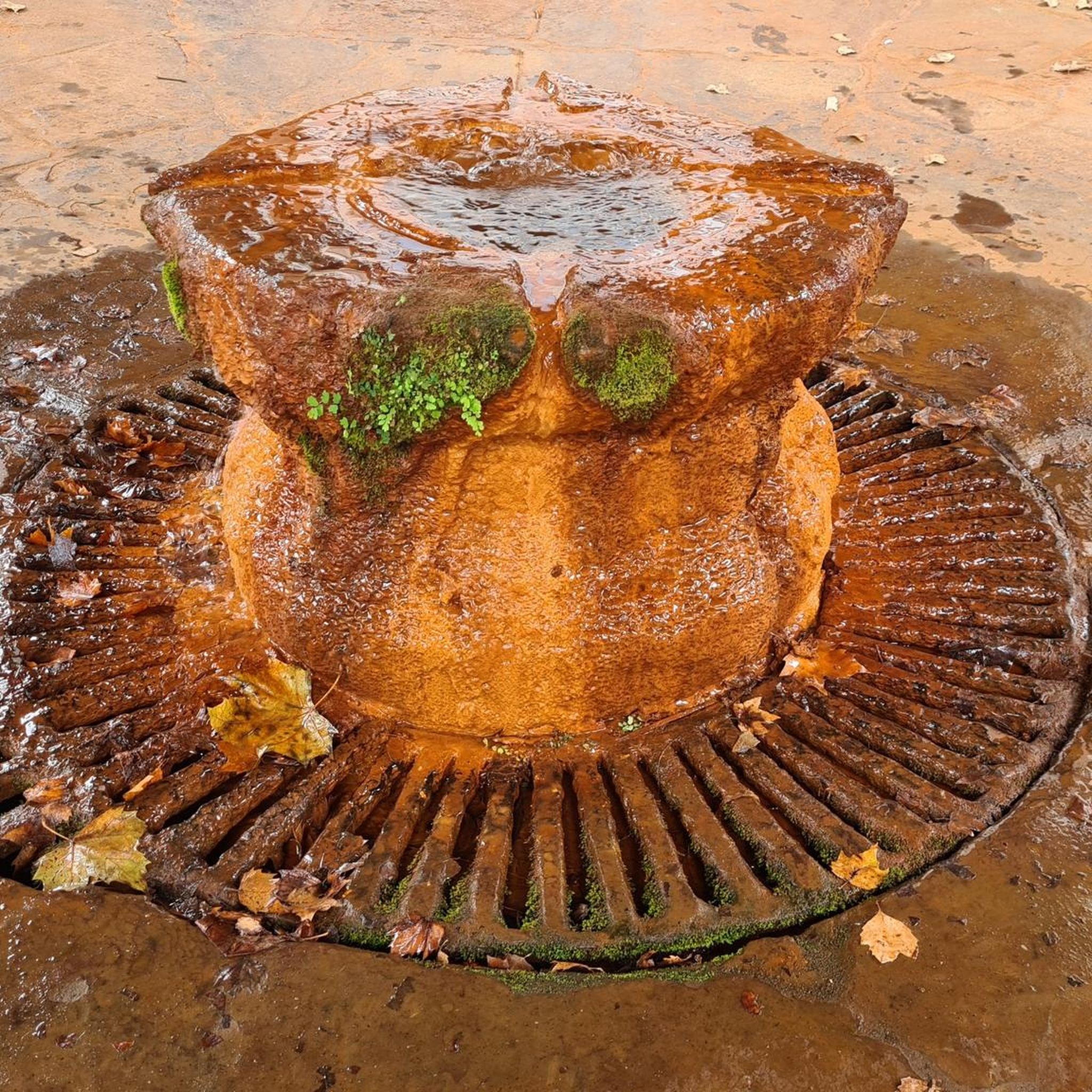
The Orezza Spring is the source of a renowned Corsican mineral water. It is a point of interest for visitors, though specific access details or visitor facilities are not provided. It is mentioned in several cycling routes, such as the 'Orezza Mineralwasserquelle – Orezza cloister ruin loop' in the Road Cycling Routes around Piedicroce guide, indicating its accessibility within the region.
Are there any religious monuments besides the main churches?
Yes, in addition to the prominent San Nicolao Church and Église Saint-Pierre-et-Saint-Paul, you can visit the Chapel of Sainte-Dévote (Chapelle de confrérie Santa-Devota), another 17th-century religious monument recognized for its decorative interior and exterior. The Notre-Dame-de-Scupiccia Chapel is also a notable religious site, located on a moderate trail near Cervione.
What is the Castagniccia region known for?
The Castagniccia region, where Piedicroce is located, is primarily known for its extensive chestnut forests, which give the region its name ('chestnut grove'). It's a picturesque area characterized by serene villages, traditional stone houses, and a tranquil, forested landscape. It offers numerous opportunities for attractive walks and a glimpse into Corsican heritage, with strong agricultural, pastoral, and artisanal traditions.
Most popular attractions around Piedicroce

Get inspired with the komoot mobile app


Explore more
Still not found the Highlight you’re looking for? See guides of the top attractions in other regions:
