The best walks and hikes around Ronchères
4.5
(43)
221
hikers
24
hikes
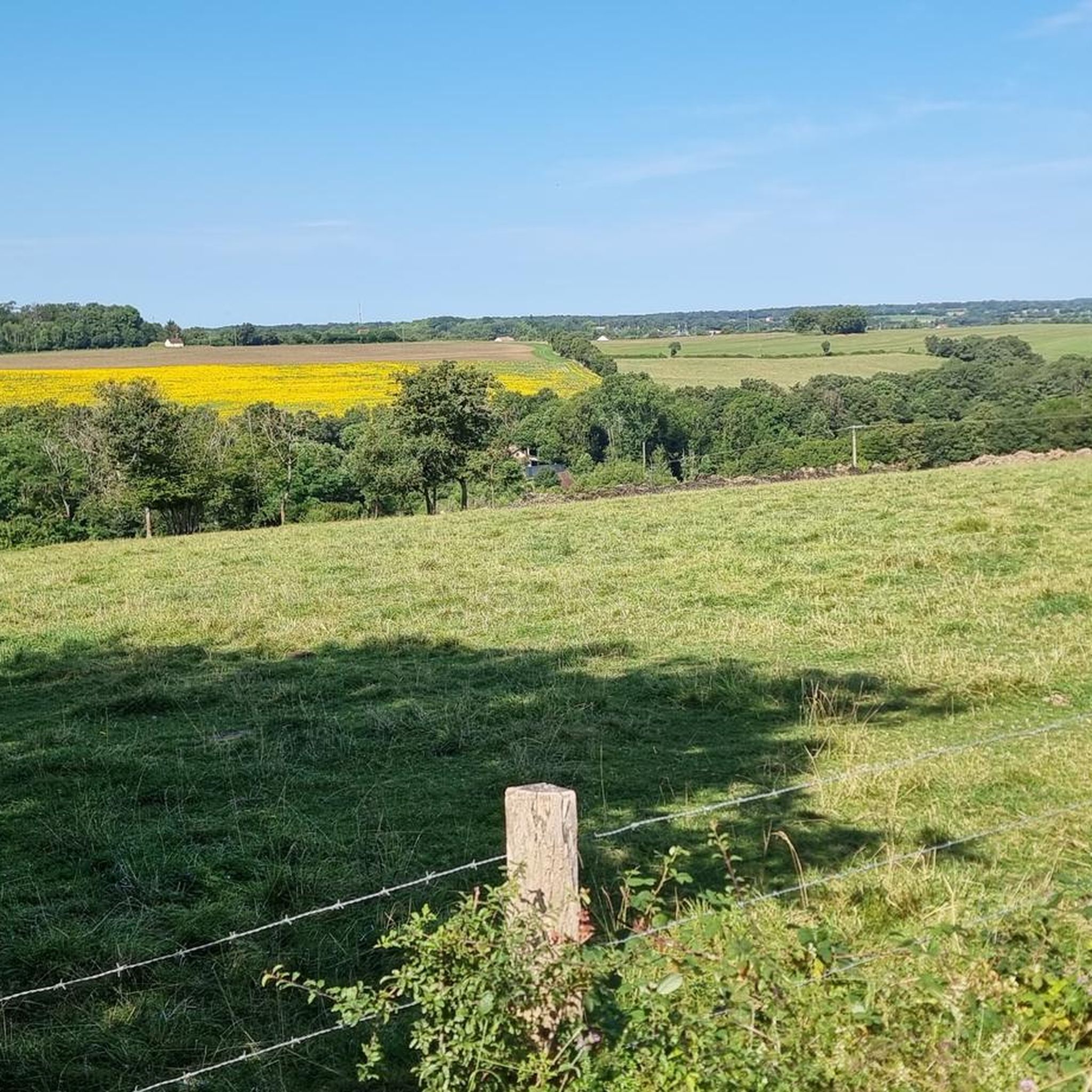
Hiking around Ronchères offers access to diverse landscapes within the Hauts-de-France region. The terrain is characterized by extensive dense forests, open fields, and varied meadows. Notable natural features include heathlands and wetlands, particularly within the Parc des Bruyères, which also features tranquil ponds. The region also presents unique rock formations, adding geological interest to the trails.
Best hiking trails around Ronchères
- The most popular hiking route is Le Château de Saint-Fargeau — loop around Saint-Fargeau, a 4.6 miles (7.3…
Last updated: June 20, 2026
3.4
(5)
16
hikers
7.33km
01:58
80m
80m
Easy hike. Great for any fitness level. Easily-accessible paths. Suitable for all skill levels.
4.2
(5)
8
hikers
5.92km
01:34
60m
60m
Hike the Petit Tour du Lac du Bourdon, a moderate 3.7-mile loop with 186 feet of gain, offering lake views and forest paths.

Sign up for free
4.0
(4)
17
hikers
9.92km
02:34
60m
60m
Moderate hike. Good fitness required. Easily-accessible paths. Suitable for all skill levels.
4.5
(4)
20
hikers
Easy hike. Great for any fitness level. Easily-accessible paths. Suitable for all skill levels.
5
hikers
12.8km
03:23
120m
120m
Moderate hike. Good fitness required. Easily-accessible paths. Suitable for all skill levels.
Get access to more routes and recommendations from other explorers.
Sign up for free
Already have an account?
Our route recommendations are based on thousands of hikes, rides, and runs completed by other people on komoot.
Start today with a free account
Your next adventure awaits.
Login or Signup



Tips from the Community

The Sint-Jans-de-Doperkerk (French: Église Saint-Jean-Baptiste) in Saint-Sauveur-en-Puisaye (Burgundy, France) is an 11th-century church known for its striking lack of a bell tower. Due to lightning strikes on the iron-rich sandstone and an underground spring, the tower has been repeatedly destroyed in the past and ultimately omitted. The church was originally built in 1020 and later rebuilt in 1107 and 1120. It lies just outside the walls of the old medieval center of Saint-Sauveur-en-Puisaye. Unlike most traditional village churches, this church has no tower. The specific reason for this is attributed to the geological nature of the soil (iron-rich sandstone) in combination with an underground spring that attracted lightning. Saint-Sauveur-en-Puisaye is also the birthplace of the famous French writer Colette. The village is part of a larger network of historical churches and medieval murals in the region. The church is simply furnished. If you are in the area, it is definitely worth visiting to experience all that simplicity.
0
0
The Église Saint-Pierre-et-Saint-Paul in Moutiers-en-Puisaye (Burgundy, France) is an 11th-century Romanesque church, world-renowned for its exceptional medieval murals. These frescoes have been restored and are among the most remarkable in the region. The church houses over [missing number] stunning frescoes, including scenes from the life of Christ and depictions of saints. The building is one of the oldest in the area (over 1,000 years old) and features a 13th-century portal. Due to its unique artworks, the structure has been classified as a historical monument since 1862. This church is a must-see if you are in the area.
0
0
De Fontaine Saint-Georges is a historic spring and former washhouse in the old part of the French village of Moutiers-en-Puisaye. Before the 13th century, this fountain was located in the middle of the original village center. When Moutiers later changed location, the spring remained in what is now called Moutiers-le-Vieux. Like many other springs in the wooded region of Puisaye-Forterre, its water was formerly attributed with healing properties. According to historical records (such as those by Maximilien Quantin from 1858), it was believed that the spring helped to prevent debilitating fevers.
0
0
This building is from the former monastery complex in Moutiers-en-Puisaye. Around the year 700, an Abbey was founded here which later became a Priory under the Abbey of Saint Germain d'Auxerre. The current remains largely date from the 11th and 12th centuries. During the religious wars of 1587, the complex was largely destroyed.
0
0
Art is something that occurs a lot in the different villages in this area. Not everything falls under the flag of art, but there are some very nice pieces.
0
0

This is a part of the lake with a dam that you cycle over
0
0

Tours and events: https://www.chateau-de-st-fargeau.com
1
0
The church wasn't that interesting inside. There is quite a lot that needs to be renovated.
0
0
Frequently Asked Questions
How many hiking trails are available around Ronchères?
There are over 25 hiking routes around Ronchères, offering a variety of experiences. These include 11 easy trails, 13 moderate routes, and 1 more challenging option, catering to different fitness levels.
What types of landscapes can I expect to see while hiking near Ronchères?
The region around Ronchères is characterized by diverse landscapes. You'll find extensive dense forests, open fields, and varied meadows. Notable natural features include heathlands and wetlands, particularly within the Parc des Bruyères, which also features tranquil ponds. The terrain also presents unique rock formations, adding geological interest to the trails.
Are there any easy hiking trails suitable for beginners or casual walkers?
Yes, there are 11 easy trails around Ronchères. An example is the Le Château de Saint-Fargeau — loop around Saint-Fargeau, which is 4.6 miles (7.3 km) long and takes about 2 hours to complete, exploring the area around the historic Château de Saint-Fargeau.
What are some interesting historical sites or natural attractions to see along the hiking routes?
Hikers can explore several historical and natural attractions. The area features the impressive ruins of the 13th-century Château de Fère-en-Tardenois, known for its 16th-century covered bridge. You can also visit the Parc des Bruyères, an 80-hectare natural park with diverse ecosystems and tranquil ponds. Other nearby points of interest include Château de Saint-Fargeau and Lac du Bourdon Beach.
Are there any circular walking routes in the Ronchères area?
Yes, many routes around Ronchères are designed as loops. For instance, the Lac du Bourdon Beach – Lac du Bourdon loop from Lac du Bourdon is a popular 6.2-mile (9.9 km) circular trail that takes about 2 hours 34 minutes to complete, offering varied terrain around the lake.
What is the best season for hiking in Ronchères?
Ronchères offers pleasant hiking experiences throughout much of the year. Spring and autumn are particularly beautiful, with mild temperatures and vibrant foliage. Summer provides shaded trails through dense forests, while winter can offer a unique, tranquil experience, though conditions may vary.
Are the hiking trails around Ronchères suitable for families with children?
Yes, many of the 11 easy trails are suitable for families. The diverse landscapes, including forests and meadows, provide engaging environments for children. Consider shorter, well-marked loops that offer points of interest like the ponds in Parc des Bruyères or views of historical sites.
Can I bring my dog on the hiking trails in Ronchères?
Generally, dogs are welcome on many hiking trails in rural France, especially if kept on a leash. However, specific rules may apply in certain protected natural areas like the Parc des Bruyères. It's always advisable to check local signage or park regulations before heading out with your dog.
What do other hikers enjoy most about hiking in Ronchères?
The area is highly rated by the komoot community, with an average score of 4.3 stars from over 40 reviews. Hikers often praise the quiet woodlands, the diverse natural features like heathlands and ponds, and the combination of natural beauty with historical sites such as the castle ruins.
Where can I find parking for hiking trails in Ronchères?
While specific parking areas for each trail are not detailed, in rural areas like Ronchères, you can often find parking near trailheads, village centers, or popular attractions like the Château de Fère-en-Tardenois or the Parc des Bruyères. Always ensure you park legally and respectfully.
Are there any trails that offer views of lakes or water features?
Yes, the region features Lac du Bourdon, and several trails offer views of its waters. For example, the Petit Tour du Lac du Bourdon provides scenic views of the lake and its natural surroundings. The Parc des Bruyères also features two tranquil ponds.
Most popular attractions around Ronchères

Get inspired with the komoot mobile app


Explore more
Browse the best Hikes in other regions.
