Attractions and Places To See around Saint-Félix-De-Reillac-Et-Mortemart - Top 20
Attractions and places to see around Saint-Félix-De-Reillac-Et-Mortemart offer a combination of natural features and historical sites. The commune is located near the Forest of Barade, providing woodlands and rolling hills for exploration. It encompasses historic villages and various outdoor pursuits. Visitors can discover ancient settlements, cultural landmarks, and recreational facilities.
Best attractions and places to see around Saint-Félix-De-Reillac-Et-Mortemart
- The most popular attractions is Bridge, a bridge that crosses the Vézère river. It features original bridge arches and a widened…
Last updated: July 7, 2026
Abri de La Madeleine
Highlight • Cave
Translated by Google •
Tip by

Le Bournat Open-Air Museum
Highlight • Historical Site
Translated by Google •
Tip by

Sign up now to discover places like this
Get recommendations on the best single tracks, peaks, & plenty of other exciting outdoor places.
Sign up for free
La Madeleine Prehistoric Site
Highlight • Historical Site
Translated by Google •
Tip by

Bridge
Highlight • Bridge
Translated by Google •
Tip by
Église Saint Martin
Highlight • Other
Translated by Google •
Tip by
Sign up for free to discover even more attractions around Saint-Félix-De-Reillac-Et-Mortemart.
Sign up for free
Already have an account?
Start today with a free account
Your next adventure awaits.
Login or Signup
Popular around Saint-Félix-De-Reillac-Et-Mortemart
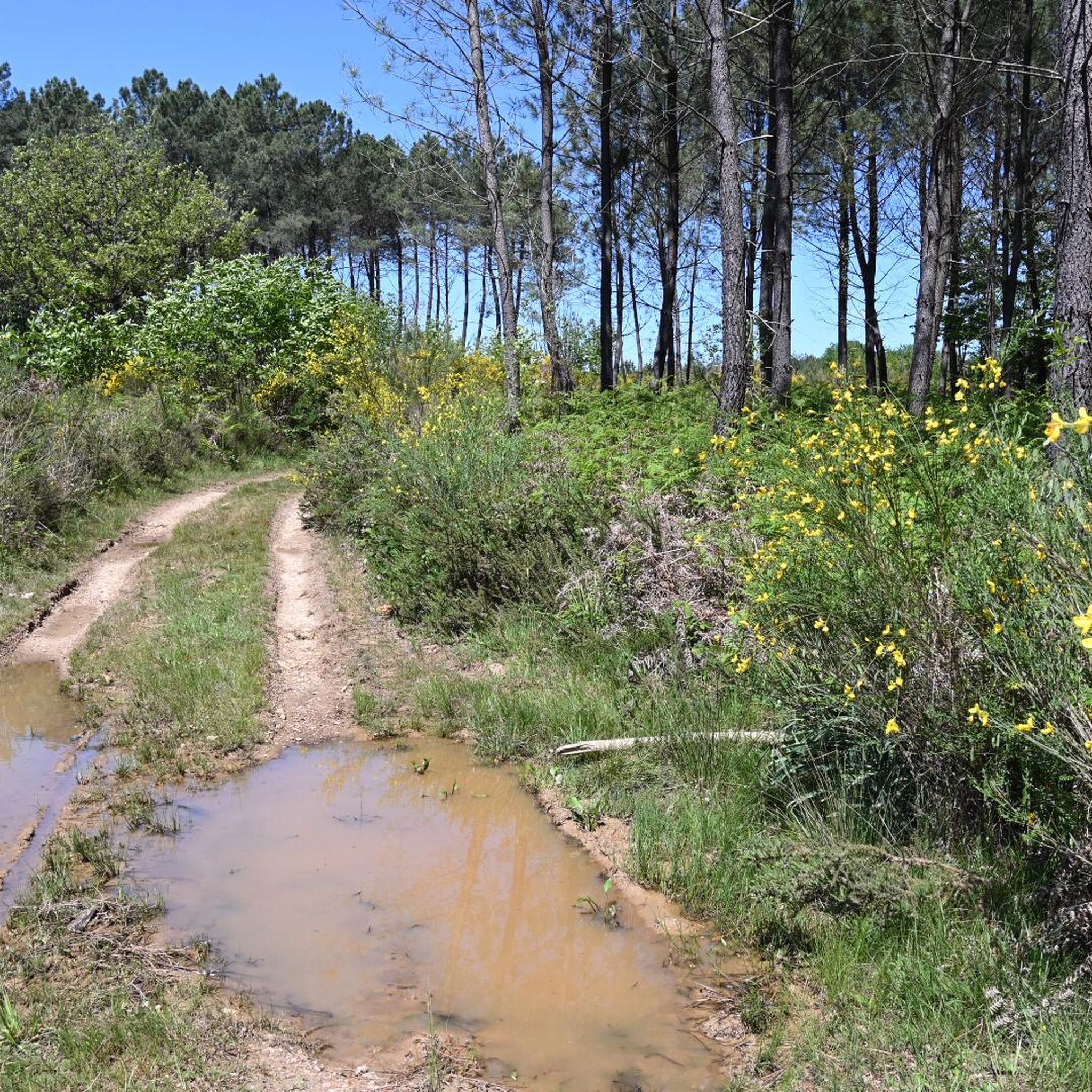
MTB Trails around Saint-Félix-De-Reillac-Et-Mortemart
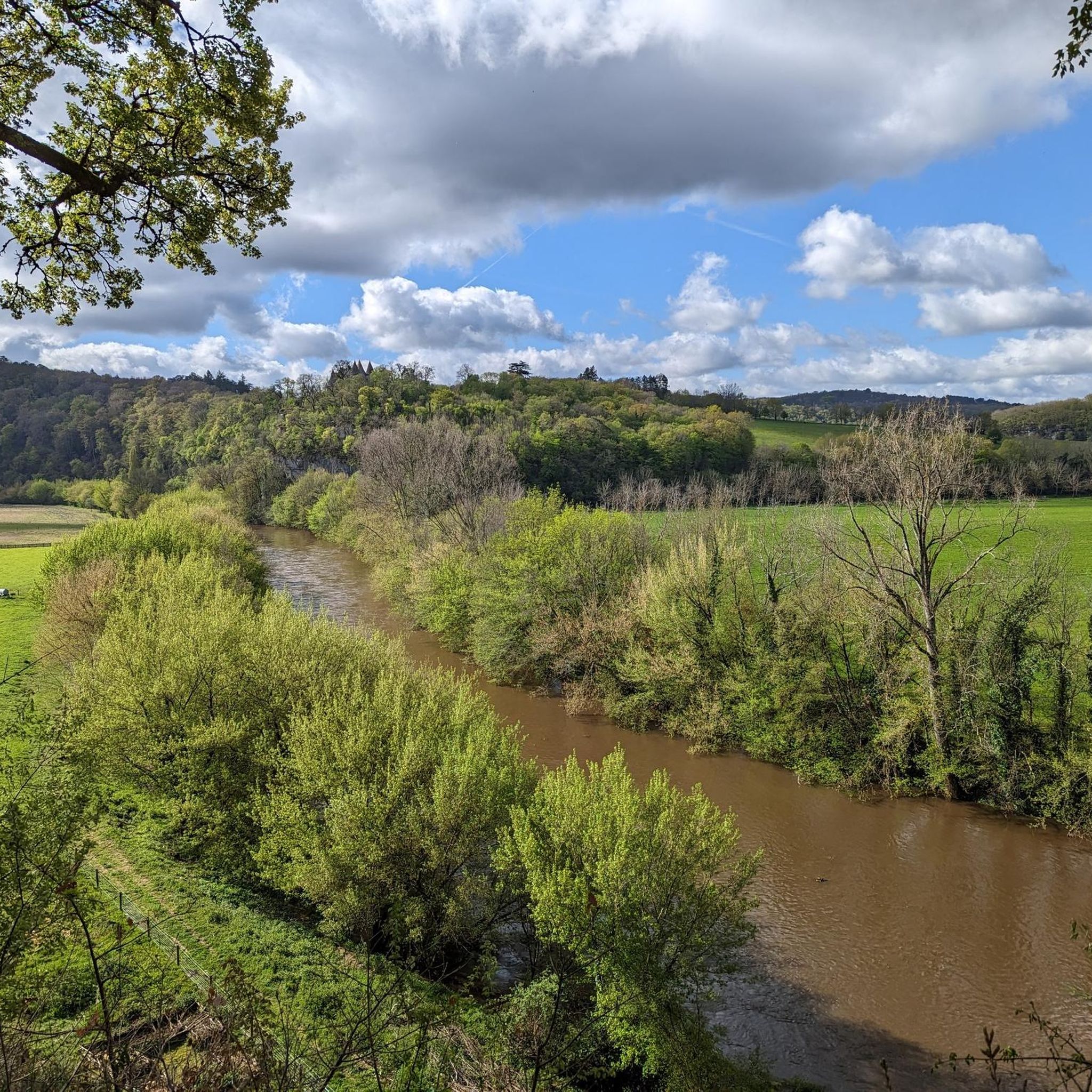
Cycling around Saint-Félix-De-Reillac-Et-Mortemart
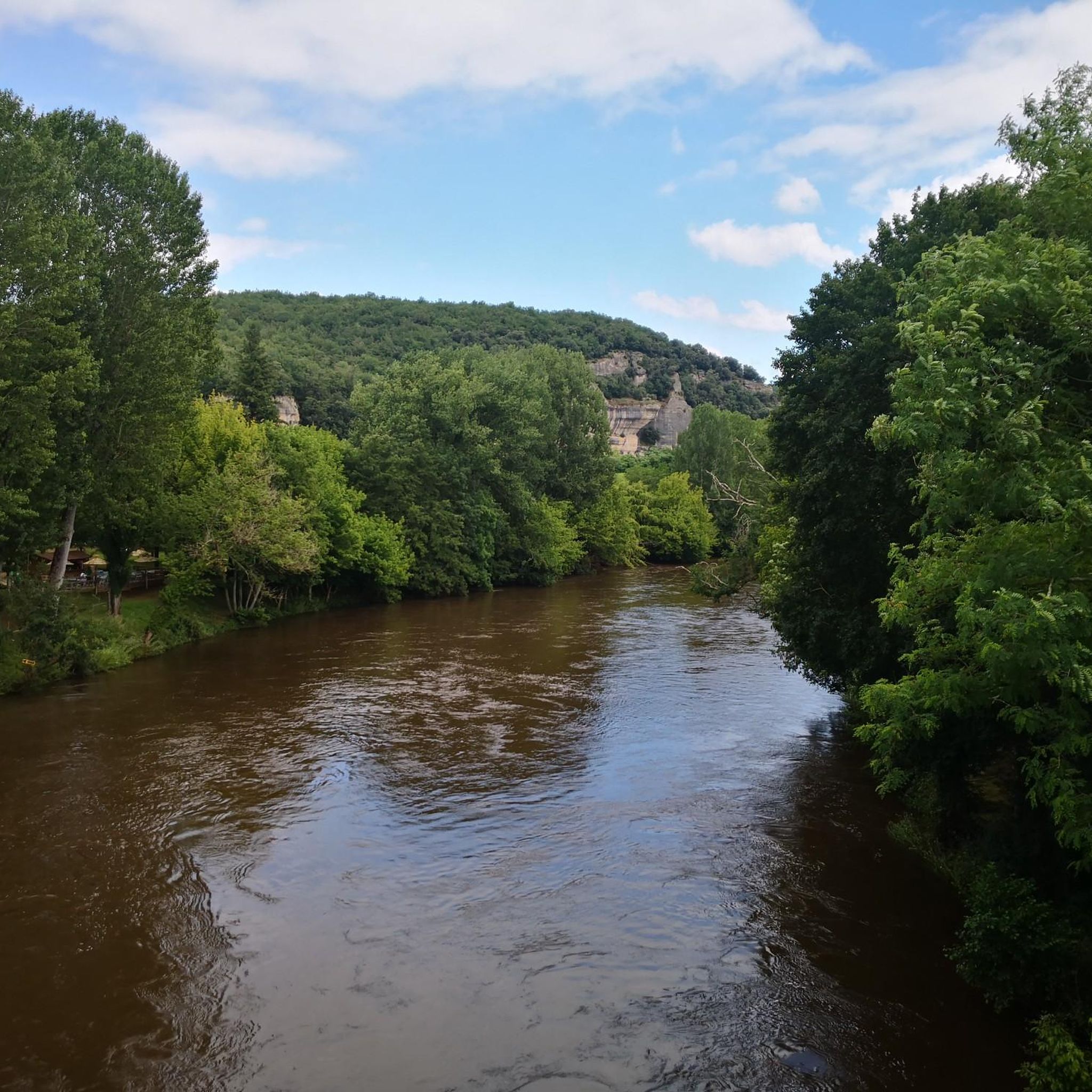
Hiking around Saint-Félix-De-Reillac-Et-Mortemart
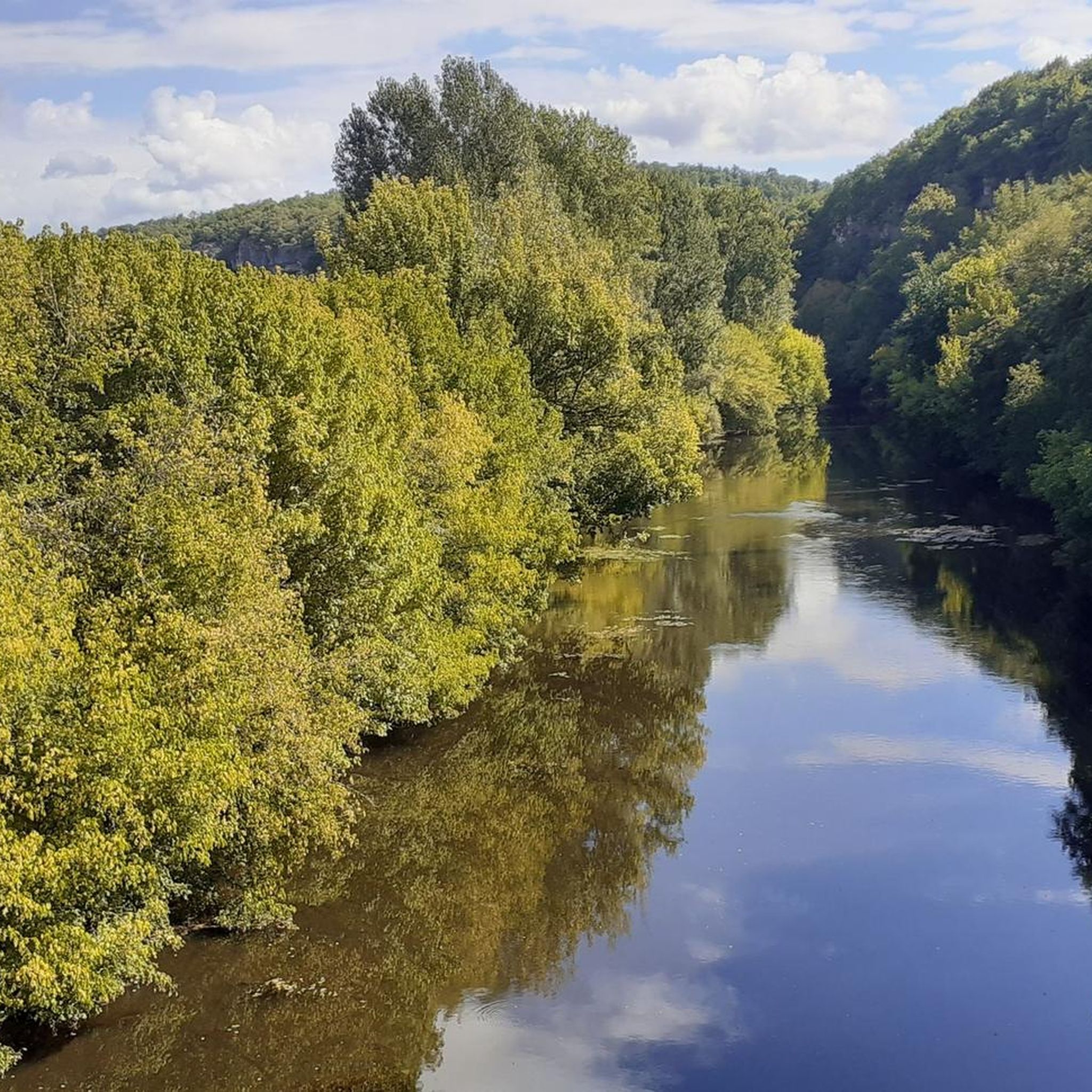
Road Cycling Routes around Saint-Félix-De-Reillac-Et-Mortemart

Running Trails around Saint-Félix-De-Reillac-Et-Mortemart

Gravel biking around Saint-Félix-De-Reillac-Et-Mortemart
Tips from the Community

Here we have the situation – previously completely unknown to me and therefore surprising – that MADELEINE, a Christian saint (the name is derived from the biblical "Mary Magdalene"), has become the namesake of an era from the proverbial "dim prehistory" (one to one and a half dozen millennia before the beginning of our era). To paraphrase it from Wikipedia, which can explain it better than I can: "The Magdalenian is an archaeological cultural stage in the younger part of the Upper Paleolithic in Central and Western Europe at the end of the last Ice Age. The Magdalenian was named in 1869 by Gabriel de Mortillet after the semi-cave La Madeleine in the Dordogne department. It spanned an approximate period from approximately 18,000 to 12,000 BC."
2
0
Here we have the situation – previously completely unknown to me and therefore surprising – that MADELEINE, a Christian saint (the name is derived from the biblical "Mary Magdalene"), has become the namesake of an era from the proverbial "dim prehistory" (one to one and a half dozen millennia before the beginning of our era). To paraphrase it from Wikipedia, which can explain it better than I can: "The Magdalenian is an archaeological cultural stage in the younger part of the Upper Paleolithic in Central and Western Europe at the end of the last Ice Age. The Magdalenian was named in 1869 by Gabriel de Mortillet after the semi-cave La Madeleine in the Dordogne department. It spanned an approximate period from approximately 18,000 to 12,000 BC."
2
0
Saint Martin, to whom the church of Tayac is dedicated, is probably one of the most popular saints of all - next to Saint Nicholas. The memorial day of the former officer in the Roman army is November 11th. On the night after the famous "cloak sharing", when he gave half of his army cloak to a freezing beggar, Jesus Christ appeared to him in a dream. He then converted to Christianity and was later elected Bishop of Tours (France) - initially against his will. Many people will have fond childhood memories of making lanterns in kindergarten and elementary school, the evening lantern procession through the dark village / district - and of course the delicious "Weckmann".
0
0

Village to include in your hike around these places. Beautiful detours
1
0
This bridge has already been widened on one side. However, the extension is not as elegant as the original bridge arches, which here - in the large meander of the Vezere river - lead across the water from bank to bank, which were carried out by the builders at the time. It rather gives the impression of a makeshift bridge, but in the vernacular we know that nothing is as permanent as a temporary solution.
2
0
On an area of 8 hectares you can embark on a journey through time to the turn of the century around 1900 in this park - in German-speaking countries we would use the term "open-air museum". In the prospectus it says about the presentation of the system: "Our village transports you to the Périgord of the 20th century, a time when work in the field, traditions, simple pleasures and the precious gestures of artisans made up a whole art of living. Here this life has not stopped and is at any time of the year in full swing.Old rides, forgotten trades, farm animals, villagers and a multitude of objects, machines, machines, toys and tools that have survived the century tell us of the charm of yesteryear.As a nice addition: our park leaves with joy and Fun reliving the daily lives of our ancestors, a promise of memories for the elderly and great discoveries for the youngest!" (Text source: Brochure)
2
0

Travel back in time to a settlement that is thousands of years old
0
0

La Madeleine is a settlement site in present-day France that was used for thousands of years up until the early modern period. It was laid out about 5 km north-east of Les Eyzies-de-Tayac-Sireuil on a narrow loop of the Vézère. For the Upper Palaeolithic period of the Magdalenian period, this important find site acts as a type locality. It is located in the lower abri (rock overhang) below the chapel dedicated to Saint Magdalene of the troglodyte village. Around 17,000 years ago, Cro-Magnon people settled in the rock shelters beneath the south-facing cliffs of La Madeleine near the River Vézère. These offered natural protection against the effects of the weather, and the southern orientation warmed the settlement site. The emergence of the troglodytic settlements on the cliffs of La Madeleine in the 8th century has been proven. (Wikipedia)
2
0
Frequently Asked Questions
What historical and prehistoric sites can I explore in the area?
The region is rich in history and prehistory. You can visit the significant Abri de La Madeleine, a settlement site used for thousands of years and known as the type locality for the Magdalenian period. Nearby, the La Madeleine Prehistoric Site further highlights the area's ancient past. For a glimpse into more recent history, the Le Bournat Open-Air Museum transports you to the turn of the century around 1900. Additionally, the Sorcier Cave offers another prehistoric relic with a breathtaking view. Don't miss the historic Mortemart Church and the Romanesque Saint-Félix Church, both typically open during summer months.
What natural attractions are there to visit?
The commune is situated on the edge of the Forest of Barade, offering dense woodlands and rolling hills perfect for exploration. The Vézère river, crossed by the Bridge, is a prominent natural feature. You can also explore natural caves like the Abri de La Madeleine and the Sorcier Cave, which are both significant for their natural formations and historical importance.
Are there family-friendly activities or attractions?
Yes, there are several options for families. The Le Bournat Open-Air Museum is a great choice, offering a journey back to the 1900s with old rides, farm animals, and traditional crafts. Jacquou Parc is an amusement park providing entertainment for visitors of all ages. You can also visit a Wild Boar Farm (Élevage de Sangliers) for a unique experience.
Where can I find hiking trails near Saint-Félix-De-Reillac-Et-Mortemart?
The Forest of Barade provides a natural setting with numerous hiking opportunities. Popular routes include the Boucle de Saint Félix n° 29, the L'Herm Castle loop (available in moderate 7.6 km and easier 4.6 km versions), the easy 6.2 km Fleurac Route loop, and the 12.5 km Boucle du Haut de Vern loop from Cendrieux, which offers elevated views.
What cycling opportunities are available around Saint-Félix-De-Reillac-Et-Mortemart?
The area offers diverse cycling routes for various skill levels. You can find touring bicycle routes like the 'La Falquette loop from Mauzens-et-Miremont' or more challenging options such as 'La Roque Saint-Christophe – Les Eyzies-de-Tayac loop'. For mountain biking, explore trails like 'Beautiful forest crossing loop from Savignac-de-Miremont'. Gravel biking enthusiasts can enjoy routes like 'Château de L'Herm – L'Herm Castle loop from Plazac'. More details on these and other routes can be found in the Cycling around Saint-Félix-De-Reillac-Et-Mortemart, MTB Trails around Saint-Félix-De-Reillac-Et-Mortemart, and Gravel biking around Saint-Félix-De-Reillac-Et-Mortemart guides.
Are there any unique local experiences or points of interest?
Beyond historical sites, you can enjoy a round of golf at the Marterie Golf Course, an 18-hole course within the commune. For equestrian enthusiasts, the Ferme Farm of Franval offers opportunities for horse riding. A visit to the Wild Boar Farm (Élevage de Sangliers) provides a unique insight into local agriculture.
What is the best time to visit the churches in the area?
The Mortemart Church and the Saint-Félix Romanesque Church are typically open to visitors during the summer months. This is generally the best time to ensure access and enjoy their architectural and historical features.
Are there any accessible attractions for visitors with mobility needs?
The Bridge, which crosses the Vézère river, is noted as wheelchair accessible. While specific accessibility details for all sites are not available, this bridge offers an accessible point of interest.
What do visitors enjoy most about the prehistoric sites?
Visitors are often fascinated by the deep history and significance of sites like Abri de La Madeleine and La Madeleine Prehistoric Site. They appreciate the opportunity to travel back in time to settlements thousands of years old and learn about the Magdalenian period. The natural protection offered by the rock shelters and the historical context make these sites particularly engaging.
Can I find viewpoints with scenic views in the region?
Yes, the Sorcier Cave offers a breathtaking view from the top of its cliff. Additionally, the Boucle du Haut de Vern loop trail, starting from Cendrieux, leads through forests and provides elevated views of the surrounding landscape.
What kind of historical artifacts or exhibits can I expect at the Le Bournat Open-Air Museum?
At the Le Bournat Open-Air Museum, you can expect to see a variety of old things, including rides, forgotten trades, farm animals, and a multitude of objects, machines, toys, and tools from around 1900. The park aims to recreate the daily lives of ancestors from the Périgord region, offering a living history experience.
Most popular routes around Saint-Félix-De-Reillac-Et-Mortemart

Get inspired with the komoot mobile app


Explore more
Still not found the Highlight you’re looking for? See guides of the top attractions in other regions:
