Attractions and Places To See around Châtres - Top 18
Best attractions and places to see around Châtres, a historic city in France, offer a range of cultural and natural experiences. The region features significant architectural landmarks, such as the Chartres Cathedral, and picturesque natural settings along the River Eure. Visitors can explore ancient streets, historical buildings, and various cultural institutions. The area provides opportunities to discover both man-made monuments and serene natural features.
Best attractions and places to see around Châtres
- The most popular attractions is Château de Hautefort and Gardens, a castle that showcases classical architecture reminiscent of Loire castles. Its French gardens, with terraced boxwood embroidery beds, are classified as historic monuments.
- Another must-see spot is Church of the Transfiguration of Our Lord, a church dedicated to a biblical event. This place of worship bears the patronage title of the "Transfiguration de Notre Seigneur."
- Visitors also love Sauveboeuf Castle, a 14th-century castle built in the Louis XIII style. It features a Renaissance terrace overlooking the Vézère and houses a museum of prehistory with a collection of nearly 500,000 pieces.
- Châtres is known for its castles, churches, and gardens. The region offers a variety of historical sites and natural features to see and explore.
- The attractions around Châtres are appreciated by the komoot community, with 4 photos and 15 upvotes from visitors.
Last updated: August 30, 2026
Château de Hautefort and Gardens
Highlight • Castle
During the Revolution, the castle was protected by the inhabitants of Hautefort, who repelled a revolutionary troop from Excideuil wanting to destroy it. At the beginning of the 20th century, the castle was in ruins, having lost its furniture, its woodwork and parquet floors. In 1929, it was bought by the Baron and Baroness de Bastard, who undertook a complete restoration. After the Baron's death in 1957, the Baroness continued the work alone. A fire in 1968 destroyed the central building, leaving only the charred exterior walls. Thanks to national and local generosity, as well as the support of personalities, Baroness de Bastard undertook a second restoration, even selling her works of art to finance the work.
The facades, frames, ceilings, decorations and rooms were reconstructed identically from photos. The woodwork of the Château de Kerlaudy was recovered and the castle was completely refurnished. In 1977, Baroness de Bastard moved back into the castle and opened it to visitors. In 1984, she created the Château de Hautefort Foundation, to which she donated the building, its estate and its furniture.
Today, the interiors not open to the public are still being restored. The French gardens, recreated by the baron and baroness, extend into terraces around the castle, with flowered boxwood embroidery beds and are classified as historic monuments. An English-style park of 30 hectares extends on the hill to the west of the castle.
Translated by Google •
Tip by

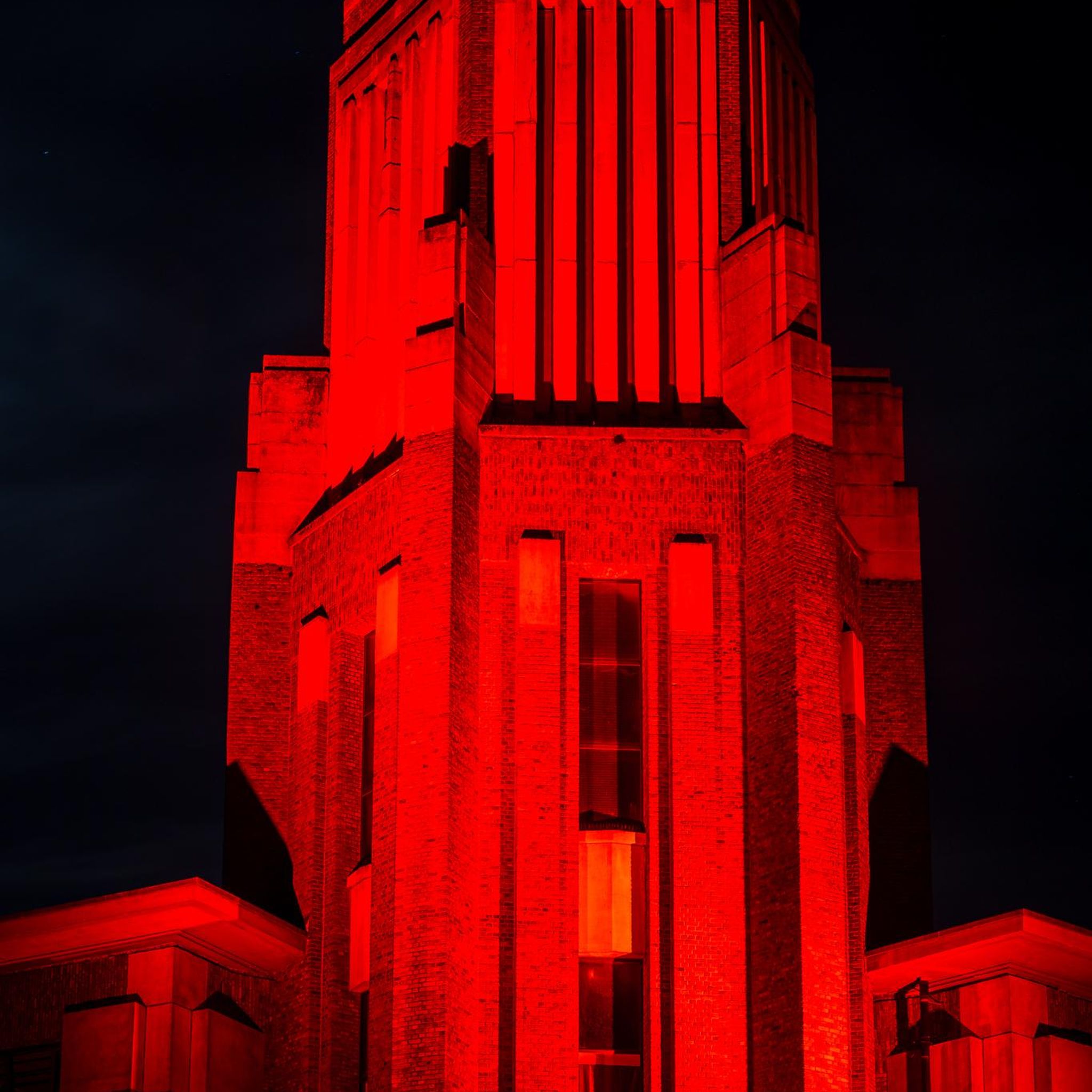
Church of the Transfiguration of Our Lord
Highlight • Other
=> "In the middle of everyday life, three disciples have an Easter experience with Jesus: They see Jesus in a mysterious light, and Moses and Elijah talk to him. In this way, the deepest identity of Jesus as the "beloved son" of God is revealed to the disciples."
This is what is said in brief in a work aid from the Bible work for the Feast of Transfiguration, which is celebrated in all Christian denominations on August 6th.
This event, which is attested to in the New Testament - see Mark (chapter 9) and Luke (chapter 9) as well as Matthew (chapter 17) - is located on Mount Tabor in Israel. A basilica was built there to commemorate (see komoot.de/highlight/266239), which can therefore be considered the original church for the patronage of this place of worship.
Translated by Google •
Tip by

Sign up now to discover places like this
Get recommendations on the best single tracks, peaks, & plenty of other exciting outdoor places.
Sign up for free
Sauveboeuf Castle
Highlight • Other
Translated by Google •
Tip by

Path to Hautefort Castle
Highlight (Segment) • Other
Translated by Google •
Tip by
The Gardens of the Imagination
Highlight • Natural Monument
Translated by Google •
Tip by

Sign up for free to discover even more attractions around Châtres.
Sign up for free
Already have an account?
Start today with a free account
Your next adventure awaits.
Login or Signup



Tips from the Community

Hautefort Castle, located on a rocky outcrop overlooking the town and village of Hautefort, is a rare example of classical architecture in the Dordogne. Built from the 16th to the 17th century on the foundations of an old castle, its architecture is reminiscent of the castles of the Loire. The construction, led by architects Nicolas Rambourg and Jacques Maigret, was intended for the family of the Marquis de Hautefort, close to the king and influential at Court, renowned for their generosity towards the poor. During the Revolution, the castle was protected by the inhabitants of Hautefort, who repelled a revolutionary troop from Excideuil wanting to destroy it. At the beginning of the 20th century, the castle was in ruins, having lost its furniture, its woodwork and parquet floors. In 1929, it was bought by the Baron and Baroness de Bastard, who undertook a complete restoration. After the Baron's death in 1957, the Baroness continued the work alone. A fire in 1968 destroyed the central building, leaving only the charred exterior walls. Thanks to national and local generosity, as well as the support of personalities, Baroness de Bastard undertook a second restoration, even selling her works of art to finance the work. The facades, frames, ceilings, decorations and rooms were reconstructed identically from photos. The woodwork of the Château de Kerlaudy was recovered and the castle was completely refurnished. In 1977, Baroness de Bastard moved back into the castle and opened it to visitors. In 1984, she created the Château de Hautefort Foundation, to which she donated the building, its estate and its furniture. Today, the interiors not open to the public are still being restored. The French gardens, recreated by the baron and baroness, extend into terraces around the castle, with flowered boxwood embroidery beds and are classified as historic monuments. An English-style park of 30 hectares extends on the hill to the west of the castle.
0
0

This church is not - as is usually the case - dedicated to one of the many people we venerate as saints, or to Mary the Mother of God or her son. Instead, it bears a biblical event as its patronage title, namely the "TRANSFIGURATION de NOTRE SEIGNEUR" (called "Transfiguration of the Lord" in German-speaking countries). => "In the middle of everyday life, three disciples have an Easter experience with Jesus: They see Jesus in a mysterious light, and Moses and Elijah talk to him. In this way, the deepest identity of Jesus as the "beloved son" of God is revealed to the disciples." This is what is said in brief in a work aid from the Bible work for the Feast of Transfiguration, which is celebrated in all Christian denominations on August 6th. This event, which is attested to in the New Testament - see Mark (chapter 9) and Luke (chapter 9) as well as Matthew (chapter 17) - is located on Mount Tabor in Israel. A basilica was built there to commemorate (see https://www.komoot.de/highlight/266239), which can therefore be considered the original church for the patronage of this place of worship.
2
0

Uphill path to reach the castle of Hautefort. A very well maintained castle. The gardens are absolutely stunning. It's like being in a cartoon at times, the paths and the flowerbeds are cut with a line. But with original shapes and it's surprising.
2
0
Built in the same style as the Luxembourg Palace in Paris, the castle is made up of a vast elongated main building framed by dormer-roofed pavilions overlooking the Vézère. You can admire the entrance courtyard, the facades and the roofs of the castle, the gallery and the semi-outdoor pavilion which follows it, the isolated pavilion, the framework of the castle, the main staircase, the fence of the main courtyard, the dovecote. There are paintings by Philippe de Champaigne.
0
0

Mentioned in 1264 in the will of Aimeric de la Serre, Bishop of Limoges, it was given in 922 by King Charles the Simple to SOlignac Abbey.
1
0

Translation of the homepage: According to early written sources, Sauveboeuf Castle dates from the mid-14th century. The castle was later owned by the De Ferrières family, vassals of the Lords of Montignac. At that time, the castle was supposed to be a fortified country house, the purpose of which was to protect Montignac. Over the centuries and up to the middle of the 18th century, the De Ferrières family developed within the French nobility. In 1743 the estate passed into the hands of Victor Riquetti, Marquis de Mirabeau, father of the famous French revolutionary, and belonged to the family for about sixty years. In the 19th century, the building belonged successively to the Chassagnac Latrade, Dehÿs and Baillemont families. In 1891, the Oberkampf family, known for their fabric factory in Jouy (Jouy-en-Josas), acquired Sauveboeuf and carried out extensive renovations. The Oberkampfer sold the castle in 1927. The Château de Sauvebœuf has been open to visitors since April 2013. Visit to the castle (1h): The Château de Sauveboeuf was built in the Louis XIII style. It has a Renaissance terrace overlooking the Vézère, which is worth a visit in itself. The large rooms of this famous residence are furnished with period furniture, a monumental staircase in white stone and a cabinet of curiosities: the variety of the collections of Mr. Douce, the owner, will surely fascinate you. The visit can be free or guided. Visit to the Museum of Prehistory (1H30) The vaulted cellars of the Château de Sauveboeuf house one of the largest private prehistoric collections in the world. From the erectus to the early Neolithic, discover the evolution of man through different prisms: his environment, his innovations and his conflicts. Almost 500,000 pieces, including mammoth ivory ornaments that are more than 20,000 years old! Guided tour of the Museum of Prehistory, duration 1h30. Exclusive guided tour. Wedding at the Château de Sauveboeuf An ideal place for your reception.... In the heart of the Périgord Noir and overlooking the Vézère, Château de Sauveboeuf, a 17th century setting, will allow you to receive your guests for unforgettable moments. Experience château life for a weekend in this historic Louis XIII style residence. The "Nicolas Rambourg" room is an exceptional place, it offers you a magnificent view of the main courtyard and the main building of the castle thanks to its six large bay windows. Equipped with a communication room on the ground floor, you can easily dance and celebrate your event.
0
0


Final steep gravelpush to the chateau of Hautefort
1
1
Frequently Asked Questions
What historical landmarks can I explore in Châtres?
Châtres is rich in history, with its most famous landmark being the Chartres Cathedral, a UNESCO World Heritage site renowned for its Gothic architecture and stained-glass windows. You can also wander through the historic Old City, discover the 16th-century 24-Hour Clock, or see the 13th-century Maison Canoniale with its intricate carvings. The Château de Hautefort and Gardens and Sauveboeuf Castle are also significant historical sites in the wider region.
Are there any unique cultural sites to visit in Châtres?
Yes, Châtres offers several unique cultural experiences. The International Stained-Glass Centre, located near the cathedral, is the only one of its kind in France, offering insights into the art of stained-glass making. You can also visit the Musée des Beaux-Arts, housed in a former episcopal palace, which features artworks from the Middle Ages to the present day. For a glimpse into local life, the Marché aux Légumes, a 19th-century covered market, hosts vibrant markets on Wednesdays and Saturdays.
What natural features or gardens can I enjoy in Châtres?
You can enjoy relaxing walks along the River Eure, especially in spring when cherry blossoms line the banks. The Bishops Palace Garden offers a beautiful green space, and the Moulin de Saint-Piat, an 11th-century water mill on the Eure river, is a good spot for birdwatching. Further afield, The Gardens of the Imagination provide a unique blend of art and nature, showcasing 13 natural landscapes.
Are there family-friendly attractions around Châtres?
Yes, several attractions cater to families. The Château de Hautefort and Gardens is listed as family-friendly, offering beautiful grounds to explore. The Gardens of the Imagination are also a great option for families, combining natural beauty with engaging landscapes. The Maison Picassiette, with its intricate mosaic decorations, can be a fascinating and unusual visit for all ages.
What are some hidden gems or unusual places to see in Châtres?
Beyond the main cathedral, Châtres holds several hidden gems. The Maison Picassiette is a truly unique house decorated entirely with mosaic fragments, operating as a museum from mid-March to mid-November. The 24-Hour Clock, a beautiful 16th-century timepiece, is tucked away near the cathedral. The Maison du Saumon, a timber-framed building with fish and vine carvings, also offers a glimpse into the city's past.
What outdoor activities, like hiking or running, can I do near Châtres?
The region around Châtres offers various outdoor activities. For running, you can find routes like the 'Running loop from Saint-Rabier' or the 'Château de la Chapoulie loop from Peyrignac'. If you prefer hiking, consider the 'Château de Badefols-d'Ans loop' or the 'Viewpoint loop from Les Farges'. You can explore more options and detailed routes on the Running Trails around Châtres and Hiking around Châtres guide pages.
Are there any cycling routes available near Châtres?
Yes, cyclists can enjoy several road cycling routes around Châtres. Options include the 'Abbaye Saint-Pierre-ès-Liens loop from La Bachellerie' (58.8 km, moderate difficulty) or the 'Hautefort Castle – Hautefort Castle loop from La Bachellerie' (69.4 km, difficult). For more detailed information and other routes, visit the Road Cycling Routes around Châtres guide page.
What is the best time to visit Châtres to experience its attractions?
Spring is a particularly beautiful time to visit Châtres, as the River Eure walks are lined with cherry blossoms. Many attractions, such as the Maison Picassiette, operate as museums from mid-March to mid-November, making these months ideal for exploring cultural sites. The weather during spring and early autumn is generally pleasant for walking and exploring the historic streets and gardens.
What do visitors enjoy most about the attractions around Châtres?
Visitors frequently appreciate the stunning architecture and historical significance of sites like the Château de Hautefort and Gardens, often noting its well-maintained grounds and impressive design. The unique and artistic nature of places like The Gardens of the Imagination also receives high praise for its surprising and enchanting landscapes. The overall charm of the historic city and its cultural offerings are consistently highlighted.
Can I visit a castle with a museum of prehistory near Châtres?
Yes, Sauveboeuf Castle, a 14th-century castle built in the Louis XIII style, houses one of the largest private prehistoric collections in the world. Its vaulted cellars display nearly 500,000 pieces, tracing the evolution of man from the erectus to the early Neolithic period, including mammoth ivory ornaments over 20,000 years old.
Are there any churches with unique dedications in the Châtres area?
Yes, the Church of the Transfiguration of Our Lord is notable for its patronage title, which refers to a biblical event rather than a saint or Mary. This dedication, 'TRANSFIGURATION de NOTRE SEIGNEUR,' is a unique aspect of this place of worship.
Most popular routes around Châtres

Get inspired with the komoot mobile app


Explore more
Still not found the Highlight you’re looking for? See guides of the top attractions in other regions:
