Attractions and Places To See around Fleurac - Top 20
Best attractions and places to see around Fleurac, a commune in the Dordogne department of Nouvelle-Aquitaine, France, offers a blend of historical landmarks and architectural heritage. Situated near the Vimont River Valley and within the broader Vézère Valley, the area is known for its significant natural and prehistoric sites. Visitors can explore a variety of cultural and historical points of interest.
Best attractions and places to see around Fleurac
- The most popular attractions is La Roque Saint-Christophe, a historical…
Last updated: October 5, 2026
La Roque Saint-Christophe
Highlight • Historical Site
Translated by Google •
Tip by

Les Eyzies-de-Tayac
Highlight • Historical Site
Translated by Google •
Tip by
Sign up now to discover places like this
Get recommendations on the best single tracks, peaks, & plenty of other exciting outdoor places.
Saint-Léon-sur-Vézère
Highlight • Other
Translated by Google •
Tip by
Abri de La Madeleine
Highlight • Cave
Translated by Google •
Tip by

Le Bournat Open-Air Museum
Highlight • Historical Site
Translated by Google •
Tip by

Sign up for free to discover even more attractions around Fleurac.
Already have an account?
Start today with a free account
Your next adventure awaits.
Tips from the Community

Beautiful small village with a good variety of places to eat. Strongly recommend SmooVie Grigotheque and Le Dejeuner sur l’Herbe
0
0

This museum is certainly interesting, unfortunately we didn't have enough time
0
0
Impressive are the dwellings in the rocks and the houses from the rocks
0
0

Here we have the situation – previously completely unknown to me and therefore surprising – that MADELEINE, a Christian saint (the name is derived from the biblical "Mary Magdalene"), has become the namesake of an era from the proverbial "dim prehistory" (one to one and a half dozen millennia before the beginning of our era). To paraphrase it from Wikipedia, which can explain it better than I can: "The Magdalenian is an archaeological cultural stage in the younger part of the Upper Paleolithic in Central and Western Europe at the end of the last Ice Age. The Magdalenian was named in 1869 by Gabriel de Mortillet after the semi-cave La Madeleine in the Dordogne department. It spanned an approximate period from approximately 18,000 to 12,000 BC."
2
0

One of the most beautiful villages I know...
0
0

beautiful place and particularly worthwhile Romanesque church
0
1
On an area of 8 hectares you can embark on a journey through time to the turn of the century around 1900 in this park - in German-speaking countries we would use the term "open-air museum". In the prospectus it says about the presentation of the system: "Our village transports you to the Périgord of the 20th century, a time when work in the field, traditions, simple pleasures and the precious gestures of artisans made up a whole art of living. Here this life has not stopped and is at any time of the year in full swing.Old rides, forgotten trades, farm animals, villagers and a multitude of objects, machines, machines, toys and tools that have survived the century tell us of the charm of yesteryear.As a nice addition: our park leaves with joy and Fun reliving the daily lives of our ancestors, a promise of memories for the elderly and great discoveries for the youngest!" (Text source: Brochure)
2
0

Welcome to the capital of prehistory! This is the nickname given to this modest village which follows the course of the Vézère. It must be said that the extraordinary sites that you can visit are numerous. In addition to the very richly supplied national museum, I encourage you to go to the Pôle de la préhistoire. Building entirely dedicated to this science and free. Find out about all the prehistoric marvels that can be admired in and around the town. They are not missing. It is not without reason that the Vézère valley has been nicknamed the valley of man.
2
1
Frequently Asked Questions
What historical sites can I visit in and around Fleurac?
The region around Fleurac is rich in history. You can explore the impressive cliff face of La Roque Saint-Christophe, which features prehistoric dwellings and a troglodytic village. The village of Les Eyzies-de-Tayac, known as the "capital of prehistory," offers numerous prehistoric sites and the National Museum of Prehistory. Within Fleurac itself, the historic Church of Saint Vincent, dating back to the 12th century, is a notable landmark. You can find more information about the church on the Dordogne Valley tourism site.
Are there any châteaux in Fleurac that are open to the public?
Fleurac is home to several châteaux, including Château de Malbec, Château de Fleurac, Château du Cluzeau, Château de Souffron, and Château du Peuch. However, most of these are private properties with limited or no public access. Château du Peuch, for example, is part of a luxury holiday estate, which might offer some accessibility to its grounds for guests.
Where can I learn about prehistory near Fleurac?
The Vézère Valley, often called the "valley of man," is a UNESCO World Heritage site renowned for its prehistoric significance. Just 5 kilometers from Fleurac, you can visit the Grotte de Rouffignac, known as the "cave of a hundred mammoths," featuring over 250 prehistoric engravings. Additionally, Les Eyzies-de-Tayac, about 8 km away, houses the National Museum of Prehistory and numerous other prehistoric sites. The Abri de La Madeleine is another significant Paleolithic settlement site nearby.
What natural features are prominent in the Fleurac area?
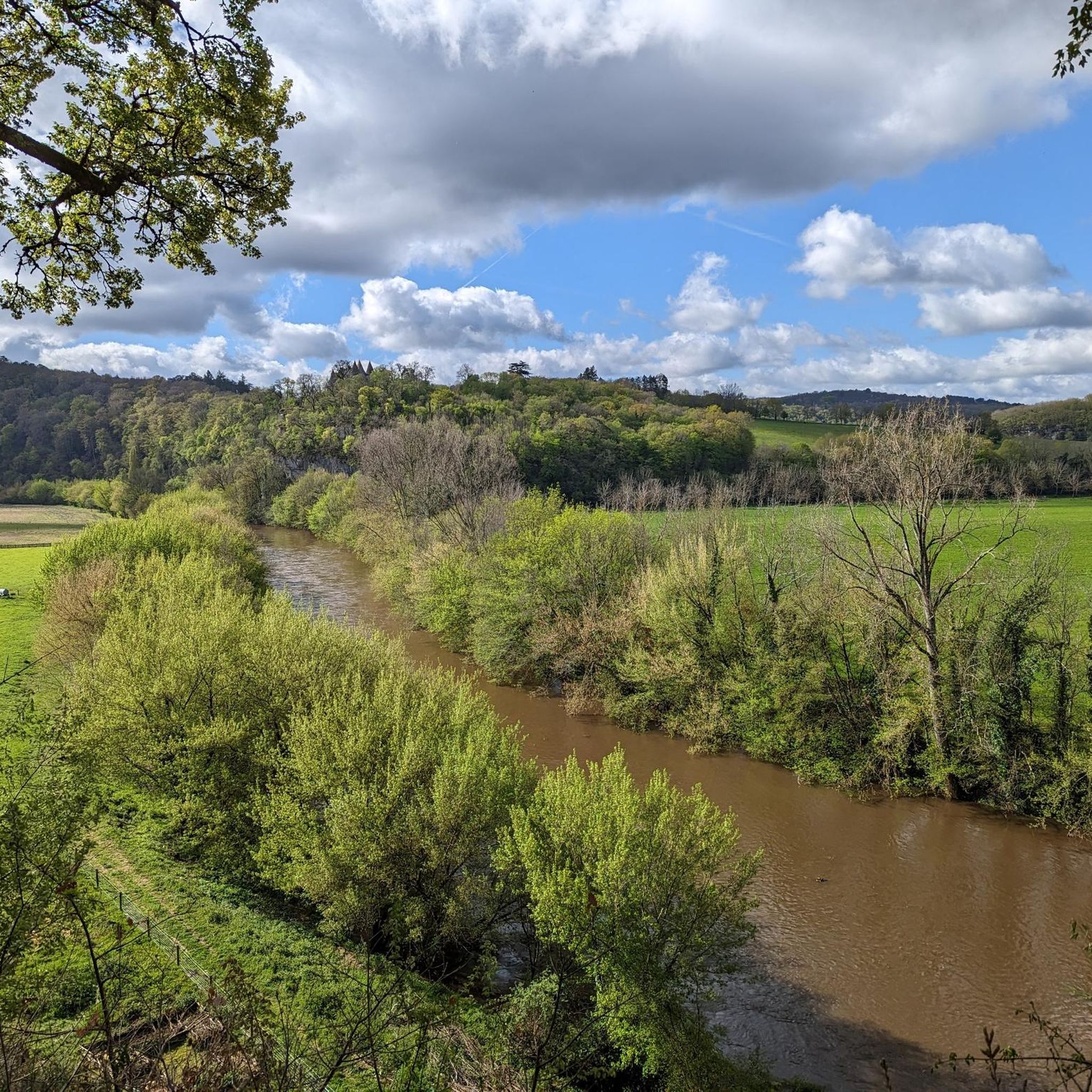
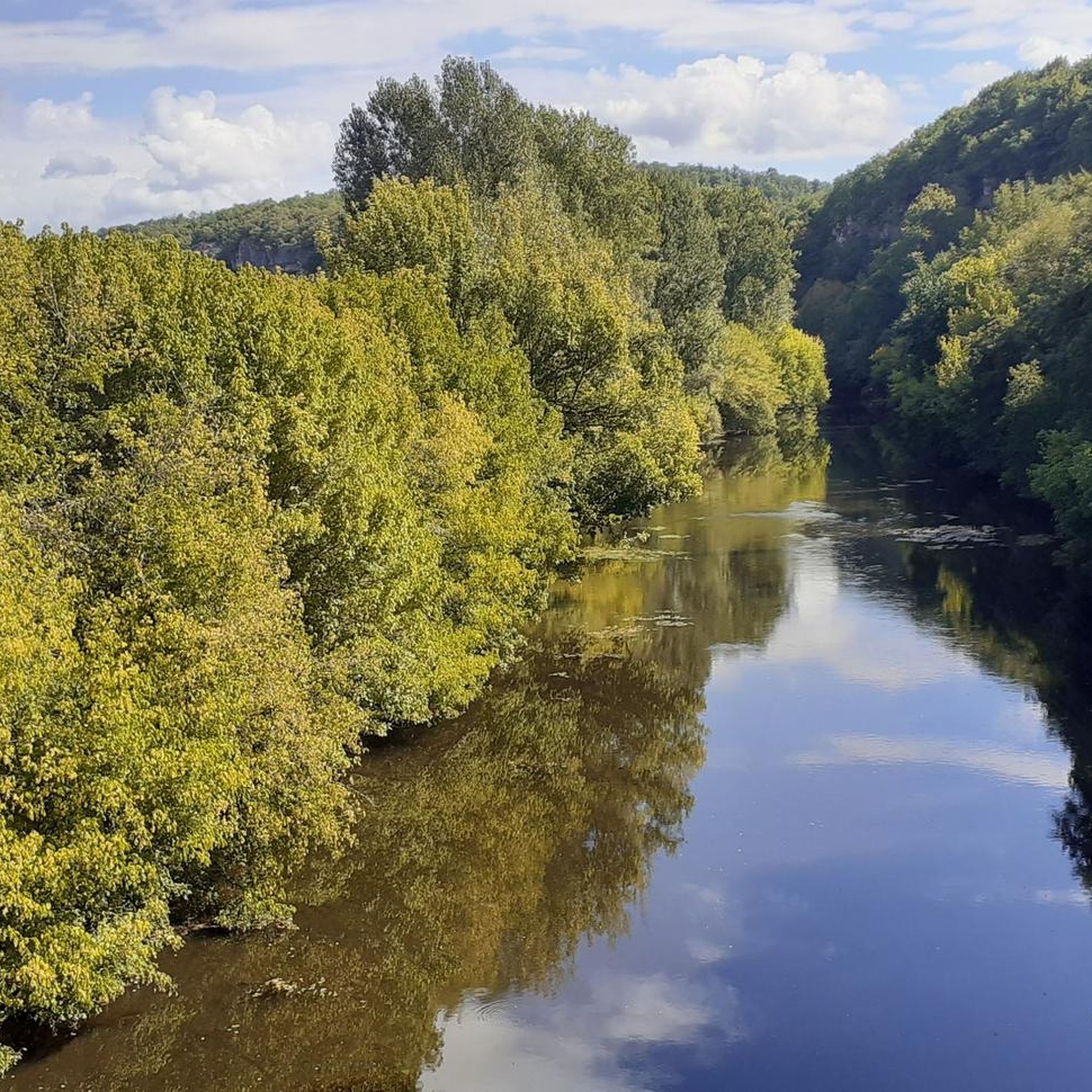
The communal territory of Fleurac is bordered to the east by the Vimont River, a tributary of the Vézère, offering scenic natural landscapes. The broader Vézère Valley itself is known for its impressive cliffs and river views. The area is ideal for enjoying the natural beauty of the Dordogne region.
Are there family-friendly attractions around Fleurac?
Yes, the region offers options for families. The Le Bournat Open-Air Museum is a family-friendly attraction where you can experience life in the Périgord around 1900, with old rides, forgotten trades, and farm animals. Exploring the prehistoric sites like La Roque Saint-Christophe or the Grotte de Rouffignac (with its electric train ride) can also be engaging for children.
What outdoor activities can I do near these attractions?
The region around Fleurac is excellent for outdoor activities. You can find numerous routes for road cycling, running, and gravel biking. For road cycling, consider routes like "Towards Eyzies de Tayac" or "Cycling through the rocks – Maison Forte de Reignac loop." Runners can enjoy trails such as "Running loop from Saint-Léon-sur-Vézère" or "La Roque Saint-Christophe – Vézère Valley loop." Gravel biking options include "View of Limeuil – Village of Limeuil loop." You can find more details and routes on the respective Komoot guides for Road Cycling Routes around Fleurac, Running Trails around Fleurac, and Gravel biking around Fleurac.
Are there hiking trails near Fleurac?
Yes, the area around Fleurac is known for its hiking opportunities. While specific hiking routes are not detailed in the provided data, the general region of the Vézère Valley and the proximity to sites like La Roque Saint-Christophe and Les Eyzies-de-Tayac suggest a landscape well-suited for walks and exploration. Many of the running trails mentioned, such as "La Roque Saint-Christophe – Vézère Valley loop," can also be enjoyed as hikes.
What do visitors enjoy most about the attractions near Fleurac?
Visitors particularly appreciate the rich historical and prehistoric significance of the area. The impressive cliff dwellings of La Roque Saint-Christophe and the prehistoric sites around Les Eyzies-de-Tayac are highly rated. The charm of villages like Saint-Léon-sur-Vézère, with its Romanesque church and craft shops, also receives positive feedback. The scenic beauty of the Vézère Valley itself is a recurring highlight.
What is the best time to visit Fleurac attractions?
While specific seasonal recommendations are not provided, the Dordogne region generally enjoys pleasant weather from spring through early autumn (April to October), making it ideal for exploring historical sites and engaging in outdoor activities. Summer months (July-August) can be busy, so visiting in the shoulder seasons (May-June, September-October) might offer a more relaxed experience with comfortable temperatures.
Are there any charming villages to visit near Fleurac?
Absolutely. The village of Saint-Léon-sur-Vézère, located in the Vézère valley, is highly recommended. It boasts a beautiful Romanesque church, a charming old town with restaurants, and craft shops. Plazac, another small village about 4 km from Fleurac, is also worth exploring for its local charm.
Is there public transport available to reach attractions around Fleurac?
Public transport options directly to all individual attractions around Fleurac may be limited, as is common in rural French regions. It is generally recommended to have a car for exploring the various sites in the Dordogne. However, some larger towns like Les Eyzies-de-Tayac might have more accessible transport links. Always check local schedules if relying on public transport.
Most popular routes around Fleurac
Most popular attractions around Fleurac

Get inspired with the komoot mobile app


Explore more
Still not found the Highlight you’re looking for? See guides of the top attractions in other regions:
