Attractions and Places To See around Pruno - Top 20
Best attractions and places to see around Pruno. Pruno is a village located on the island of Corsica, France, serving as a base to explore numerous nearby cultural sites, natural features, and points of interest. The area features impressive natural beauty, including waterfalls and gorges, alongside historical landmarks. Visitors can discover charming Corsican towns and a rich historical heritage in the surrounding region.
Best attractions and places to see around Pruno
- The most popular attractions is Genoese bridge, a…
Last updated: June 22, 2026
Genoese bridge
Highlight • Historical Site
Translated by Google •
Tip by

Bucatoggio Waterfall
Highlight • Waterfall
Translated by Google •
Tip by
Sign up now to discover places like this
Get recommendations on the best single tracks, peaks, & plenty of other exciting outdoor places.
Sign up for free
Ucelluline Waterfall
Highlight • Waterfall
Translated by Google •
Tip by

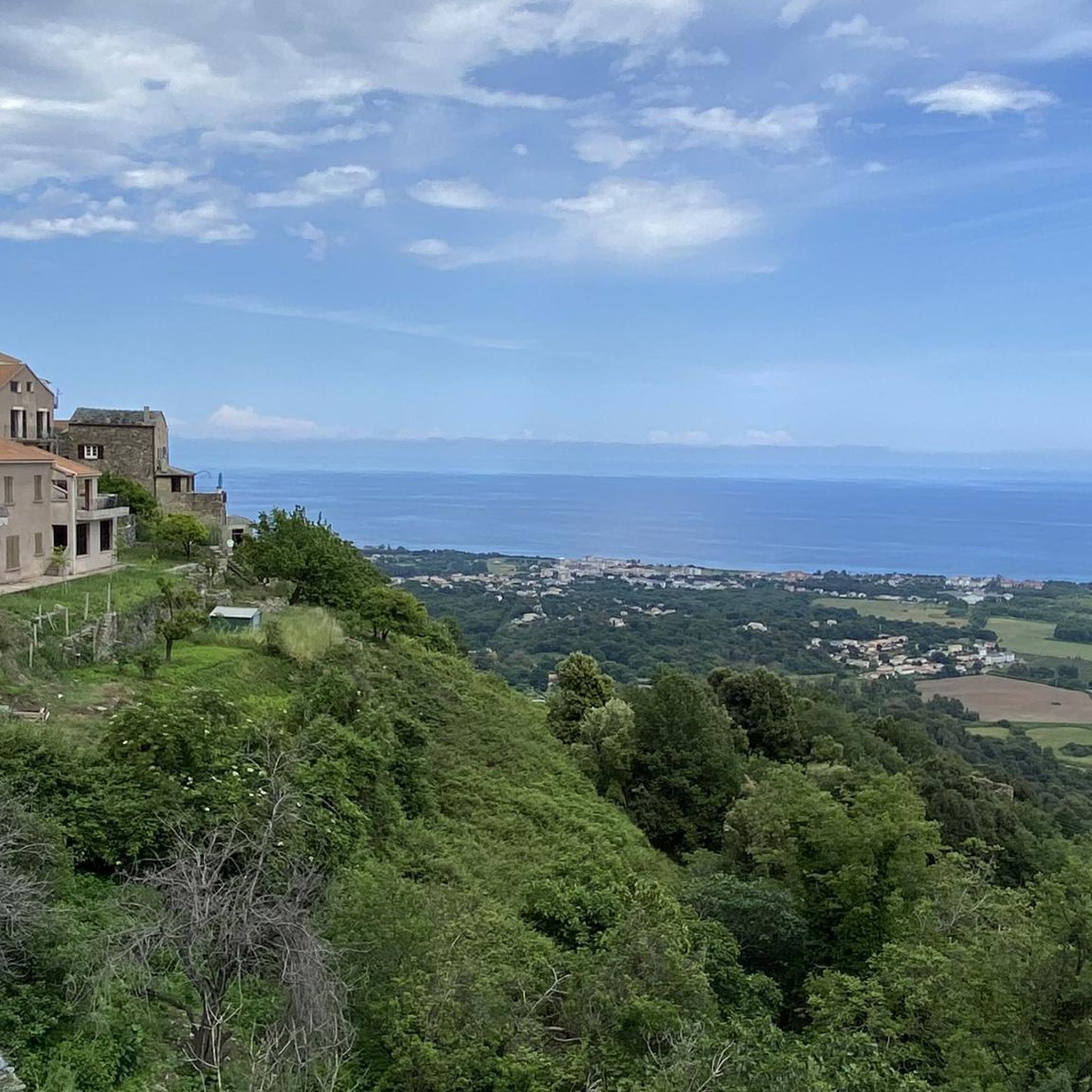
Cervione
Highlight • Settlement
The …
Translated by Google •
Tip by

San Nicolao Church
Highlight • Other
Translated by Google •
Tip by

Sign up for free to discover even more attractions around Pruno.
Sign up for free
Already have an account?
Start today with a free account
Your next adventure awaits.
Login or Signup


Tips from the Community

This church is one of the Baroque buildings found in Corsica. It is recognizable from afar with its distinctive bell tower, visible amidst the natural forest setting of the Costa Verde massif.
0
0

The church was begun at the beginning of the seventeenth century and completed in 1717. In 1740, embellishment works were carried out. The wall paintings were painted by Luigi Pollero in 1810. The main façade consists of two levels delimited by cornices and surmounted by a triangular pediment with three acroteria. On the first level, on either side of the portal, there are two niches that house the statues of Saint Nicholas and Saint Peter. The church ends in a semicircular apse. The bell tower rises at the junction of the apse and the right side façade. It has five floors that end in a dome surmounted by a cross. The interior consists of a nave and five richly decorated side chapels. On either side of the altar there are caryatid angels. Building dating from the first quarter of the 17th century (?), mentioned in the report of the pastoral visit of Msgr. Marliani, Bishop of Mariana and Accia, in 1646. It was restored in 1686 with the collaboration of master masons Lorenzo Chiglione and Giovanni Filippi. Rebuilt in 1717 and 1740. Main door dating from 1766. Painted decoration (investigated in the Palissy database) carried out by the painter Luigi Polleri in 1810, as shown by the date on the inside of the building. Restored in 1896.
1
0

This church has a special location. Every time I cycled past it I just had to stop for a moment. Very beautiful. 👍🏻
0
0

The suggested route is basically manageable even for inexperienced hikers. In my opinion, you should definitely wear sturdy (ankle-high) shoes if you want to go further than the bathing area. The bridge is a fun way to start, the waterfall is of course (in August) completely crowded, the rest area at the chapel is pleasant and the view and landscape in general is great. The way back on the road is relatively risky with the Corsican traffic.
0
0
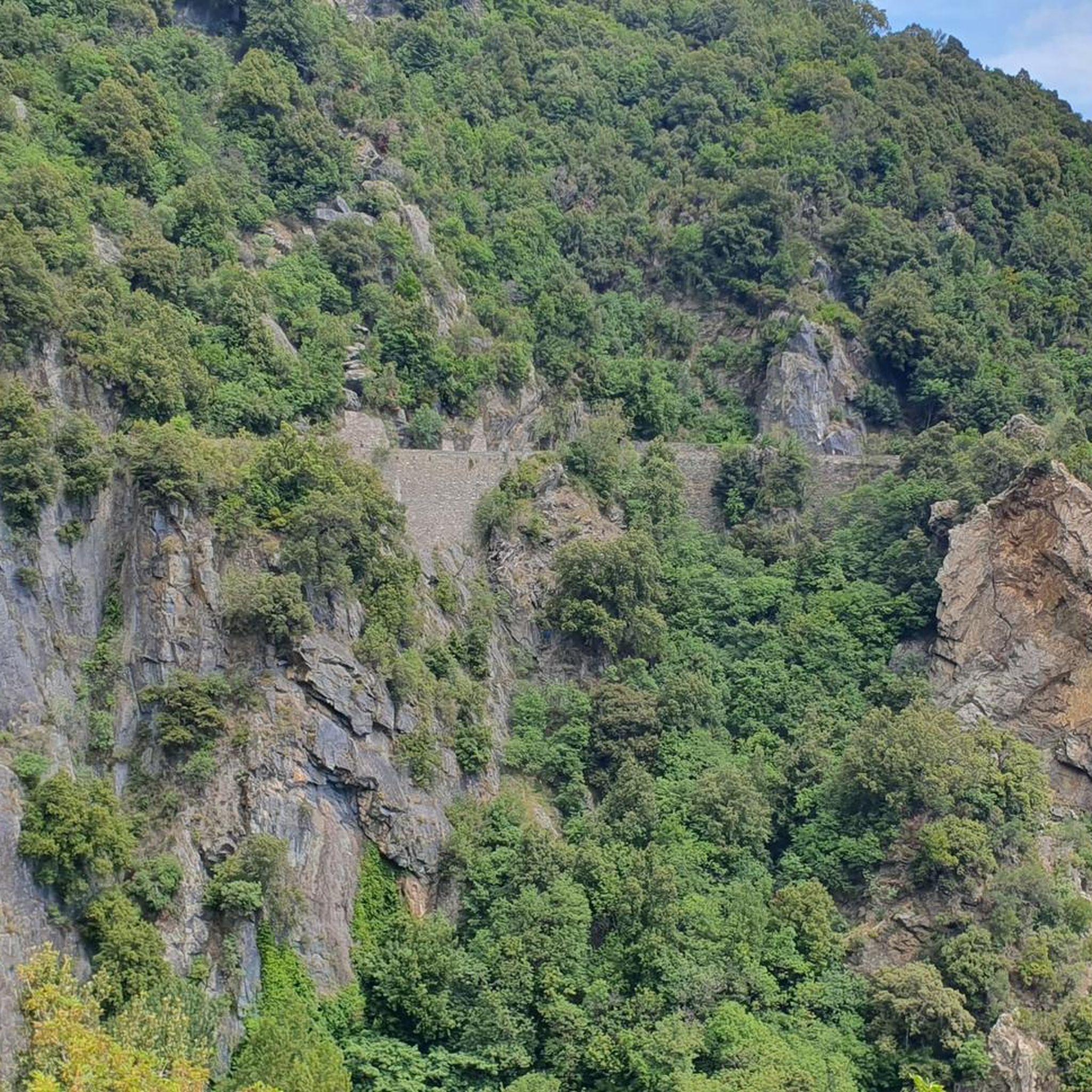
Beautiful old stone bridge. You can swim underneath. Next to it is a small ruin.
0
0
You can either go up next to the bridge or go down diagonally opposite and swim if you want. There is a tunnel on the other side of the bridge.
2
1

Frequently Asked Questions
What natural attractions can I explore around Pruno?
The area around Pruno is rich in natural beauty. You can visit the impressive Ucelluline Waterfall, known for its multiple cascades flowing through a gorge, offering magnificent views. Another refreshing spot is Bucatoggio Waterfall, which features a small lake. Further afield, you can explore the Agriates Desert, the scenic Gorges de la Restonica, and beautiful lakes like Lac de Melo and Lac de Nino.
Are there historical sites or cultural landmarks to visit near Pruno?
Yes, Pruno and its surroundings offer several historical and cultural landmarks. A notable historical site is the Genoese bridge, which is appreciated for its beauty and the adjacent forest. You can also visit the San Nicolao Church, a significant religious site with a rich history dating back to the 17th century, featuring intricate wall paintings and a distinctive bell tower.
What kind of outdoor activities are available around Pruno?
The region around Pruno is excellent for various outdoor activities. You can find numerous routes for mountain biking, gravel biking, and road cycling. For example, there are MTB Trails around Pruno, Gravel biking routes around Pruno, and Road Cycling Routes around Pruno, catering to different skill levels.
What are some charming towns or villages to visit in the vicinity of Pruno?
Beyond Pruno, you can discover several charming Corsican towns and villages. Cervione is a lovely settlement that embraces the slopes of the Monte San Petrone massif, offering cafes and restaurants. Other popular places include Corte (approximately 27 km away), Saint-Florent (about 32 km away), and Corbara in the Balagne region, known for its interesting churches and chapels.
Are there any family-friendly attractions or activities in the Pruno area?
While specific 'family-friendly' categories are not listed for all attractions, natural sites like the Ucelluline Waterfall and Bucatoggio Waterfall can be enjoyable for families who enjoy nature walks and refreshing dips. Exploring the charming villages and historical sites also offers cultural experiences for all ages.
Where can I find wild swimming spots or refreshing natural pools near Pruno?
The area around Pruno is known for its natural water features. The Bucatoggio Waterfall has a small lake perfect for a refreshing experience, though appropriate footwear is recommended. The Ucelluline Waterfall also has pools where visitors can take a bath, with clear and refreshing water.
What do visitors particularly enjoy about the attractions around Pruno?
Visitors frequently praise the natural beauty and historical charm of the area. The Genoese bridge is admired for its picturesque setting and surrounding forest. The journey to Ucelluline Waterfall is highly recommended for its magnificent coastal views, and the waterfalls themselves are a highlight. The refreshing experience at Bucatoggio Waterfall is also a favorite.
When is the best time of year to visit Pruno for outdoor activities?
While specific seasonal advice isn't provided, Corsica generally enjoys a Mediterranean climate. Spring (April-June) and Autumn (September-October) are often ideal for outdoor activities like hiking and cycling, offering pleasant temperatures and lush landscapes. Summer can be warm, especially for strenuous activities, but is perfect for enjoying waterfalls and natural pools.
Are there any notable churches or religious sites worth seeing in the region?
Yes, the region has a rich religious heritage. The San Nicolao Church in San-Nicolao is a significant example, featuring detailed architecture and historical wall paintings. Other churches in the vicinity include Eglise de San Pancraziu in Castellare-di-Casinca, Chapel de Santa Cristina in Valle-di-Campoloro, and Eglise de San Parteo Mariana and Cathédrale Santa Maria de l'Assomption, both in Lucciana.
What are some lesser-known or 'hidden gem' attractions near Pruno?
While the main highlights are well-loved, exploring the smaller, traditional Corsican villages like Corbara can feel like discovering a hidden gem. Additionally, for those interested in ancient history, the Filitosa site, though further afield (about 20 minutes from Propriano), is a significant megalithic site with sculpted menhirs, offering a unique glimpse into 8000 years of human history.
What should I wear for hiking around Pruno, especially in summer?
For hiking around Pruno, especially in summer, it's advisable to wear lightweight, breathable clothing. Sturdy hiking boots are important, particularly for trails leading to waterfalls like Bucatoggio Waterfall, where the terrain can be uneven. Don't forget sun protection, including a hat and sunscreen, and carry plenty of water.
Can I find trails for mountain biking, gravel biking, or road cycling near Pruno?
Absolutely! The area surrounding Pruno is well-suited for various cycling disciplines. You can find dedicated guides for MTB Trails around Pruno, offering routes like 'Talasani' and 'Poggio'. For those who prefer gravel, explore the Gravel biking routes around Pruno. Road cyclists can also find challenging and scenic options in the Road Cycling Routes around Pruno, including long loops with stunning panoramas.
Most popular attractions around Pruno

Get inspired with the komoot mobile app


Explore more
Still not found the Highlight you’re looking for? See guides of the top attractions in other regions:
