Attractions and Places To See around Saint-Romain-Sous-Versigny - Top 11
Best attractions and places to see around Saint-Romain-Sous-Versigny. Saint-Romain-Sous-Versigny is a small commune in the Saône-et-Loire department of France, offering a tranquil setting. The surrounding region provides access to a variety of historical, cultural, and natural sites. This area serves as a base for exploring the Burgundy region's diverse points of interest.
Best attractions and places to see around Saint-Romain-Sous-Versigny
- The most popular attractions is Canal du Centre, a river that links the Loire and the Saône. It meanders…
Last updated: July 1, 2026
Palinges
Highlight • Settlement
Translated by Google •
Tip by

Demarcation Line Interpretation Center
Highlight • Historical Site
Translated by Google •
Tip by

Sign up now to discover places like this
Get recommendations on the best single tracks, peaks, & plenty of other exciting outdoor places.
Sign up for free
Briqueterie de Ciry-le-Noble
Highlight • Other
Tip by

Canal du Centre
Highlight (Segment) • River
Translated by Google •
Tip by

Toulon-sur-Arroux
Highlight • Settlement
Translated by Google •
Tip by

Sign up for free to discover even more attractions around Saint-Romain-Sous-Versigny.
Sign up for free
Already have an account?
Start today with a free account
Your next adventure awaits.
Login or Signup
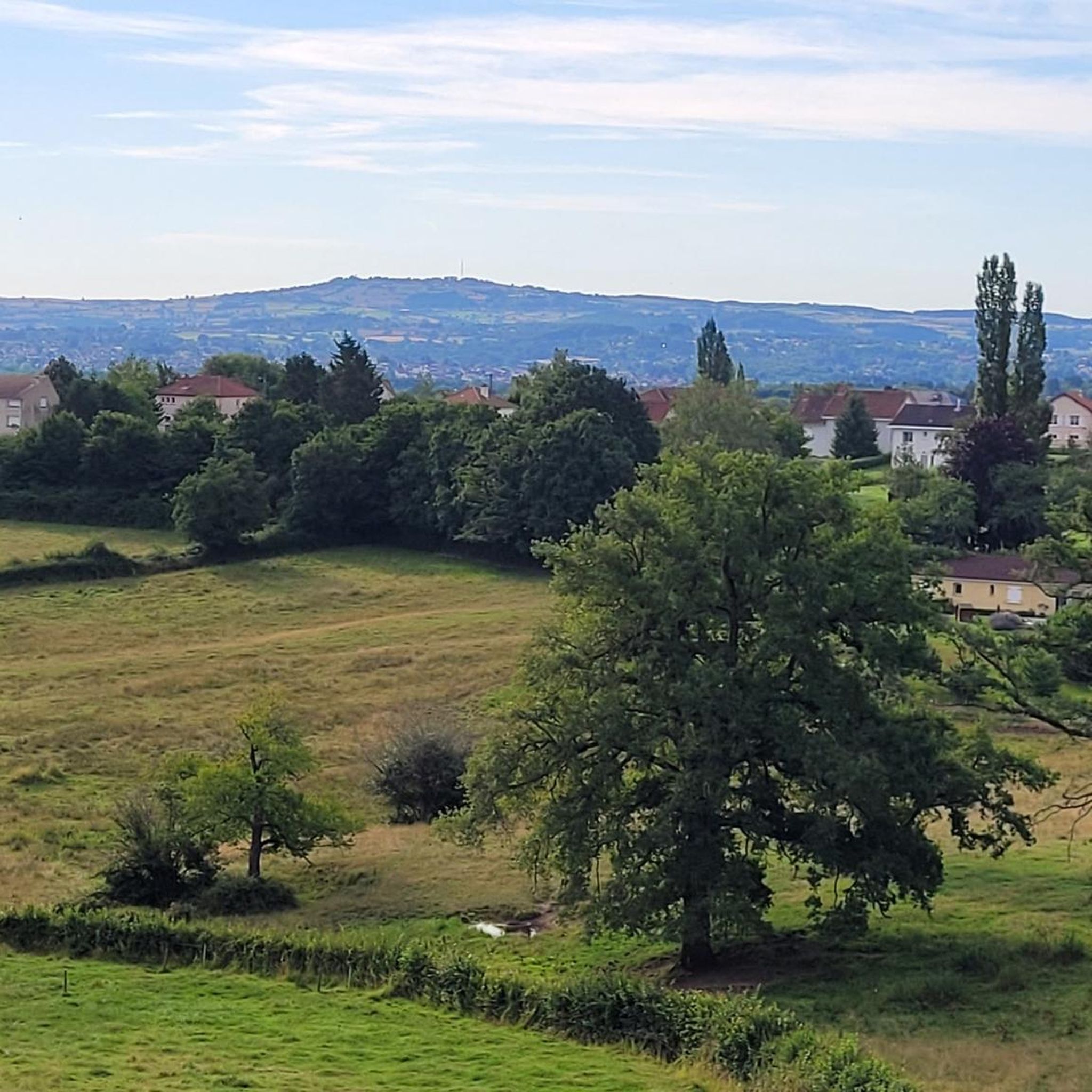
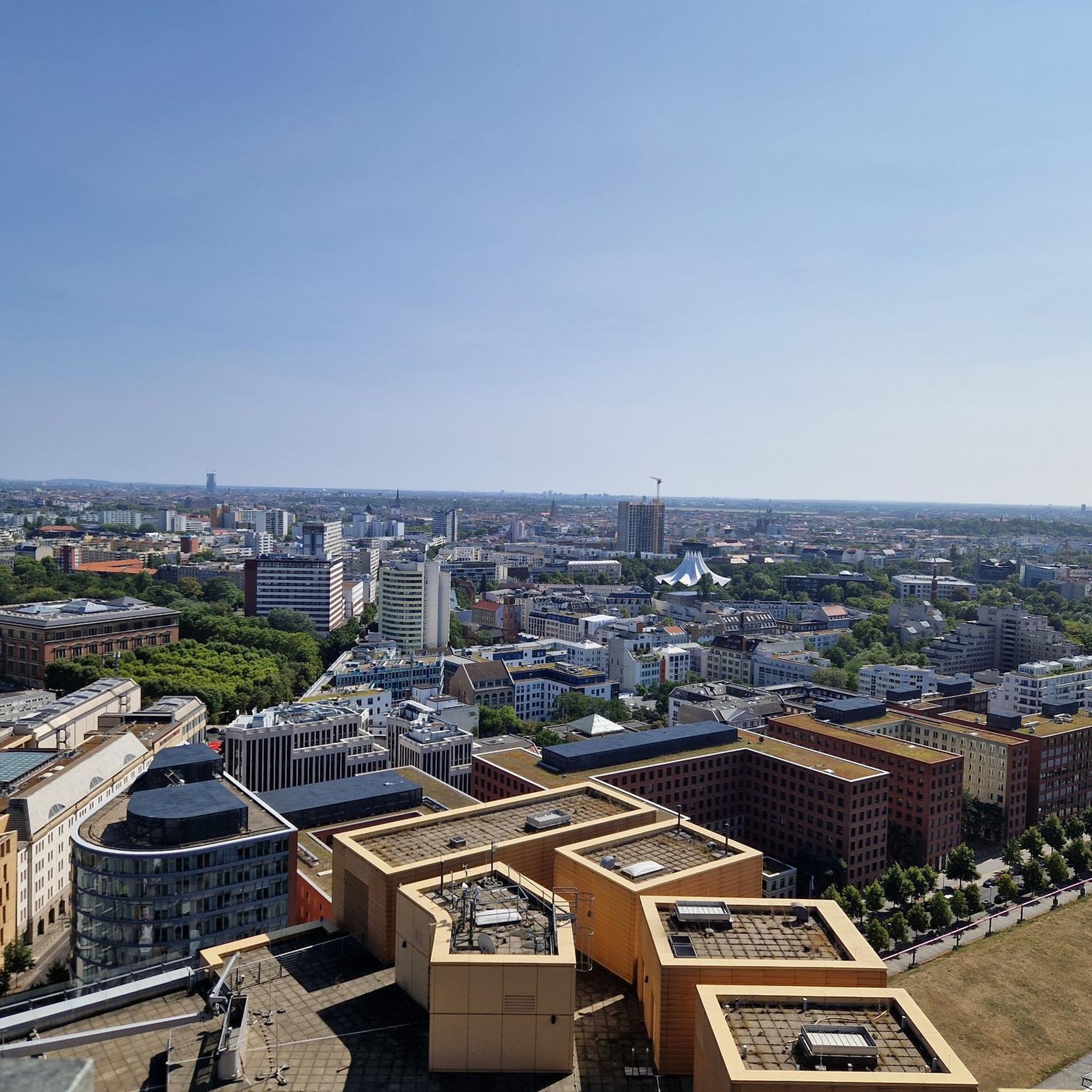
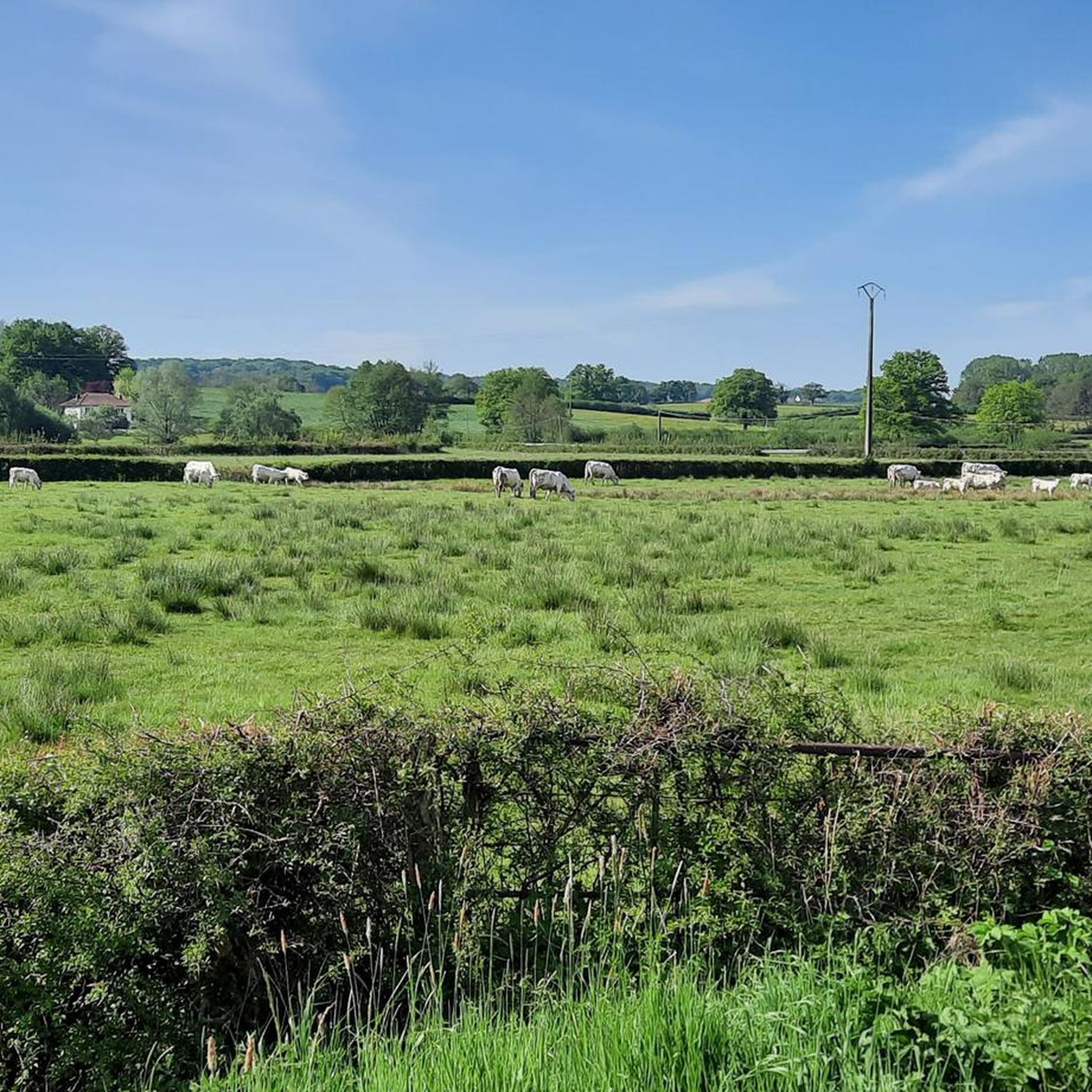


Tips from the Community

The charming Église de l'Assomption (Church of the Assumption) is located in the heart of the village, directly on the EuroVelo 6 cycle route. The parish church originally dates back to the 12th century. The church in Palinges was largely rebuilt in the 19th century in the Neo-Romanesque style. From the Romanesque period, it still retains the transept, the apses, and the bell tower.
1
0

After the Nazi occupation of France, France was divided into an occupied part and a free part, bordered by the demarcation line. One of the 13 French departments crossed by the demarcation line between June 1940 and February 1943 was Saône-et-Loire. This demarcation line interpretation centre is unique in France. Here you can learn the history of the demarcation line established by the occupiers in France during the Second World War and the daily lives of people at that time. The traces of the line, its surveillance, its influence on the economy, secret networks, smugglers, escape and German oppression are also the subject of the exhibition. Museum opening hours: May 1 to September 30, every day except Thursday, 10 a.m. to 12 p.m. and 2 p.m. to 6 p.m. October 1st to April 30th, Monday 2pm to 6pm, Wednesday 10am to 12pm and 2pm to 6pm, Friday 2pm to 6pm. Admission costs 3.50 euros. Admission is free for people under 16.
1
0
This former ceramics factory from the end of the 19th century produced fireproof bricks and stoneware products. and was founded at the end of the 19th century. Here you can see buildings, machines, power, kilns, means of transport and much more and learn a lot about ceramics production at the turn of the century. The museum is open from the beginning of July to the end of August from Tuesday to Sunday and on the weekend of the European Heritage Days from 3 p.m. to 7 p.m. Admission costs 4 euros. Admission is free for children under 12 years.
0
0

Great campsite for cyclists in Pallinges: this is the lake campsite. More than ten pitches, each with electricity, table and benches, just for cyclists, in a very quiet area of the campsite. Add to that: 1 fridge and freezer, microwave, swimming pool, bar, small restaurant, small grocery store and tent rentals in case of bad weather.
2
0


The Canal du Center is a historic canal in central France, linking the Loire and the Saône. It meanders through pretty landscapes, charming villages and an industrial heritage.
1
0

Toulon-sur-Arroux is known for hosting a Tibetan Buddhist temple in the hamlet of La Boulaye. The town also has two beautiful churches that are worth seeing: the Church of the Good Shepherd and that of Saint-Jean-le-Baptiste.
3
0

Frequently Asked Questions
What historical sites can I visit near Saint-Romain-Sous-Versigny?
The region offers several significant historical sites. You can explore the Demarcation Line Interpretation Center, which details France's division during WWII. Further afield, Autun boasts Roman ruins and a cathedral, while Paray-le-Monial is home to the impressive 12th-century Basilica du Sacré-Cœur. The Priory of Anzy-le-Duc and Cluny Abbey are also notable historical destinations.
Are there any family-friendly attractions around Saint-Romain-Sous-Versigny?
Yes, there are several options for families. The Canal du Centre is great for leisurely walks or bike rides through scenic landscapes. The village of Palinges, with its charming center and campsite, is also considered family-friendly. For a full day of fun, Le PAL amusement and theme park is located about 41 km away.
What natural features can I explore in the area?
Nature enthusiasts can enjoy the tranquil settings along the Canal du Centre, which meanders through picturesque landscapes. Other natural sites include Bibracte, Cirque du Bout du Monde, and Roche de Solutré, offering opportunities to experience the region's diverse natural beauty. The Val de Saône Classified Site is also a protected area known for its unique ecosystems.
Where can I find information about the local industrial heritage?
You can visit the Briqueterie de Ciry-le-Noble, an old brick factory that offers guided tours about ceramics production from the late 19th century. The Canal du Centre itself is also a significant part of the region's industrial heritage, linking the Loire and Saône rivers.
What cycling routes are available near Saint-Romain-Sous-Versigny?
The area around Saint-Romain-Sous-Versigny is excellent for cycling. You can find various routes for gravel biking, road cycling, and touring. For example, there are routes like the 'Port Génelard loop from Génelard' for gravel biking, or the 'Toulon-sur-Arroux – Water Tower loop from Perrecy-les-Forges' for road cycling. Explore more options on the dedicated cycling guides: Gravel biking around Saint-Romain-Sous-Versigny, Road Cycling Routes around Saint-Romain-Sous-Versigny, and Cycling around Saint-Romain-Sous-Versigny.
Are there any notable gardens or chateaus to visit?
Yes, the region features several beautiful gardens and chateaus. You can visit the Jardin du château de Digoine, Les jardins Romans de Varenne-l'Arconce, Jardin du château de Chaumont, and Les Jardins du château de Drée. For chateaus, the 17th-century Cormatin Chateau is beautifully decorated, and the Renaissance-style Château de la Palice also features notable interiors and gardens.
What facilities are available at Port Génelard?
Port Génelard, located along the Canal du Centre, offers a convenient ravito area. This includes WC facilities, water, and showers, making it a useful stop for cyclists and travelers exploring the canal.
What is the best time of year to visit Saint-Romain-Sous-Versigny?
The region is generally pleasant from spring through early autumn. The summer months (June to August) are ideal for outdoor activities and enjoying the natural landscapes and gardens. However, for those interested in local markets and cultural sites, many are accessible year-round, with specific opening hours for museums and chateaus often extending during peak tourist season.
Can I visit the Château de Saint-Romain-sous-Versigny?
The Château de Saint-Romain-sous-Versigny, built in 1850, is a private property currently undergoing restoration. While its silhouette can be admired from a distance during a stroll through the green region, it is not open for public visits.
What kind of local markets can I find nearby?
Nearby towns such as Gueugnon (12 km), Montceau-les-Mines (13 km), Paray-le-Monial (23 km), and Autun (35 km) host regular markets. These markets offer a great opportunity to experience local life, discover regional produce, and find unique crafts.
What do visitors particularly enjoy about the attractions around Saint-Romain-Sous-Versigny?
Visitors appreciate the diverse offerings, from the historical significance of sites like the Demarcation Line Interpretation Center to the scenic beauty of the Canal du Centre. The charming village atmosphere of places like Palinges and the well-maintained facilities at Port Génelard are also frequently highlighted by the komoot community.
Are there any religious monuments worth visiting in the vicinity?
Yes, the region is rich in religious heritage. In Saint-Romain-Sous-Versigny itself, you can see the small Romanesque Church of Saint-Jean-Baptiste. Nearby, the Prieuré Church de Saint Pierre et Saint Benoit in Perrecy-les-Forges is a notable religious monument. Further afield, Paray-le-Monial's Basilica du Sacré-Cœur and Cluny Abbey are significant examples of Romanesque architecture and history.
Most popular routes around Saint-Romain-Sous-Versigny

Get inspired with the komoot mobile app


Explore more
Still not found the Highlight you’re looking for? See guides of the top attractions in other regions:
