Attractions and Places To See around Auflance - Top 20
Best attractions and places to see around Auflance include a mix of historical sites, religious architecture, and picturesque villages. This region offers diverse points of interest, from ancient abbeys to unique architectural monuments. Auflance presents 20 distinct places to explore, catering to those interested in history, culture, and scenic views.
Best attractions and places to see around Auflance
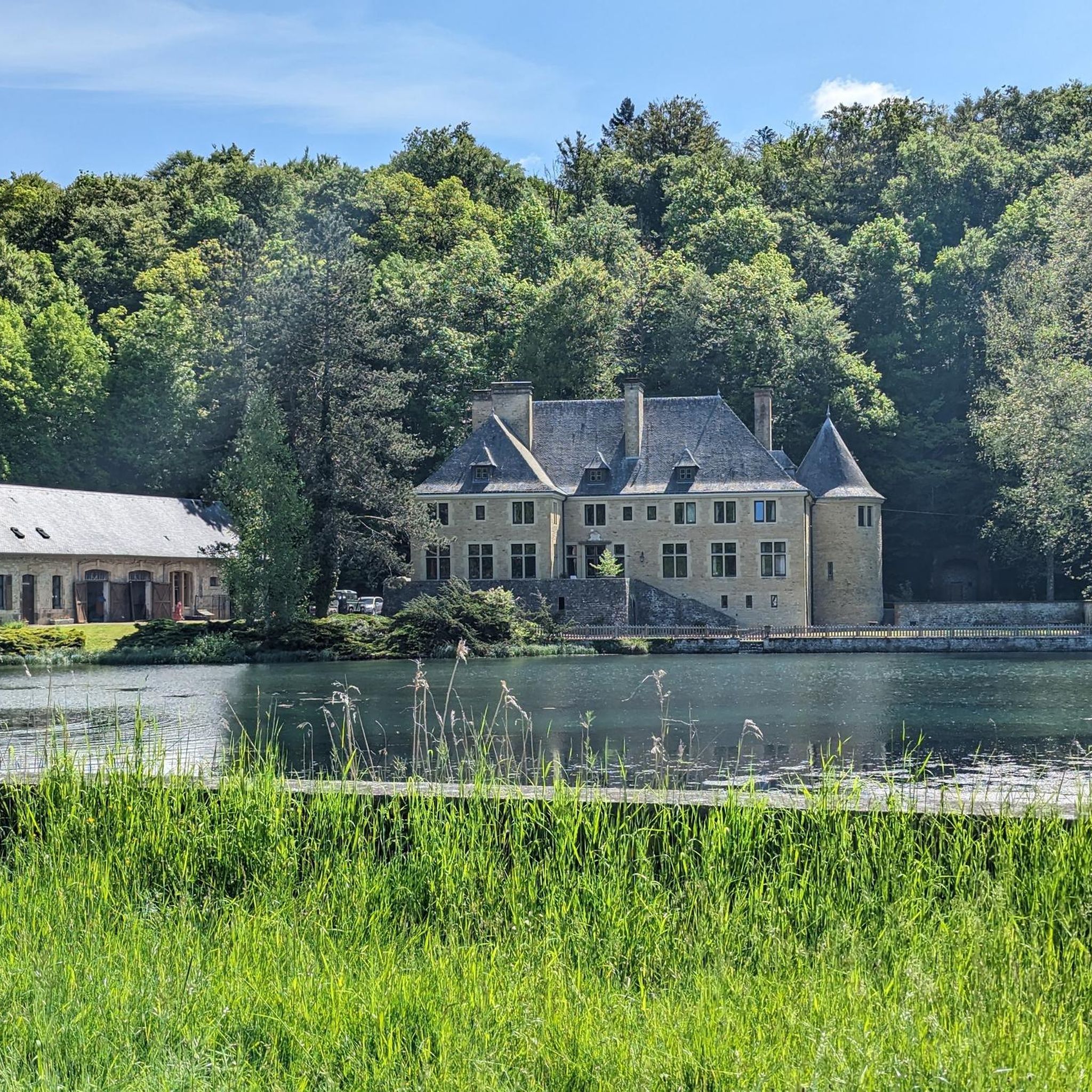
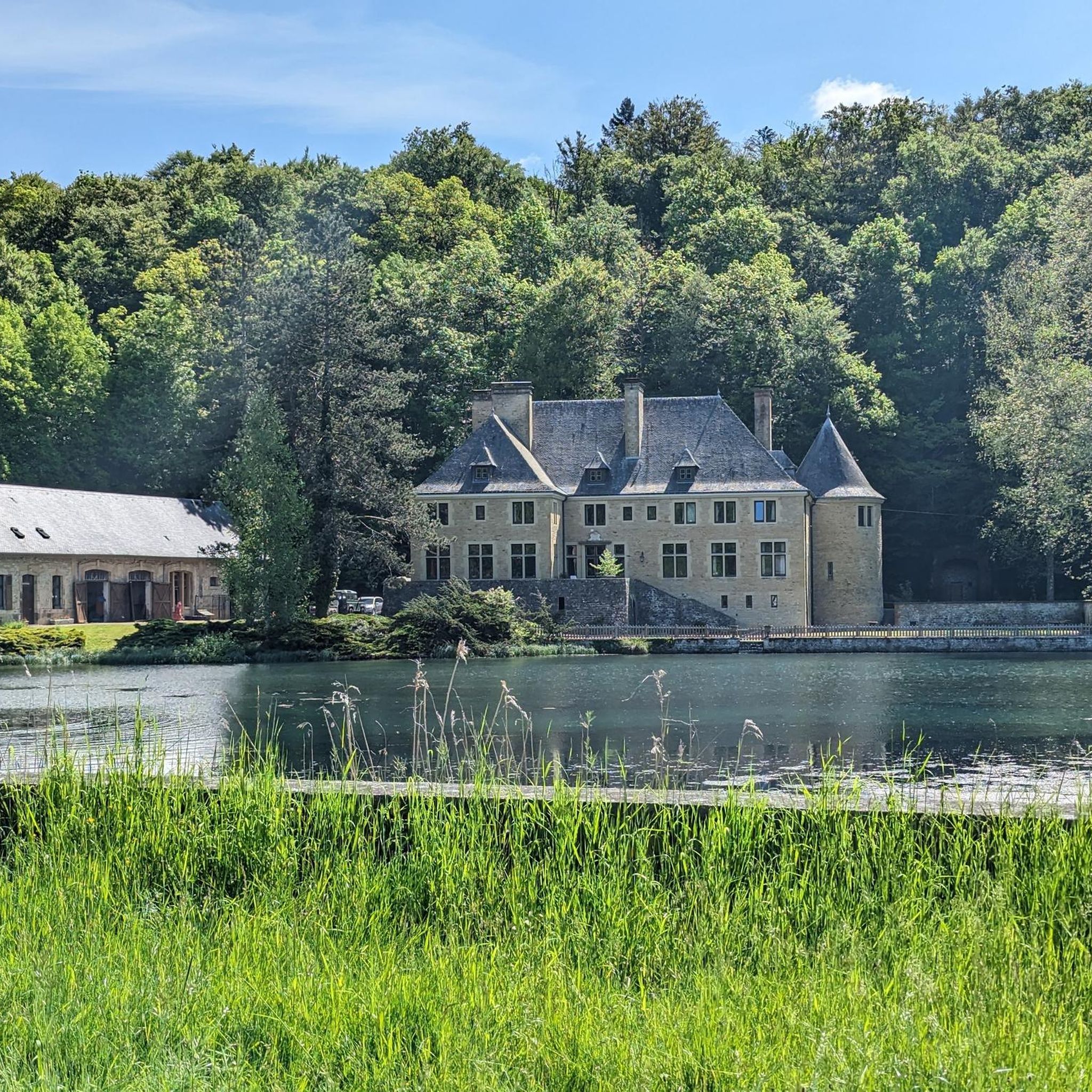
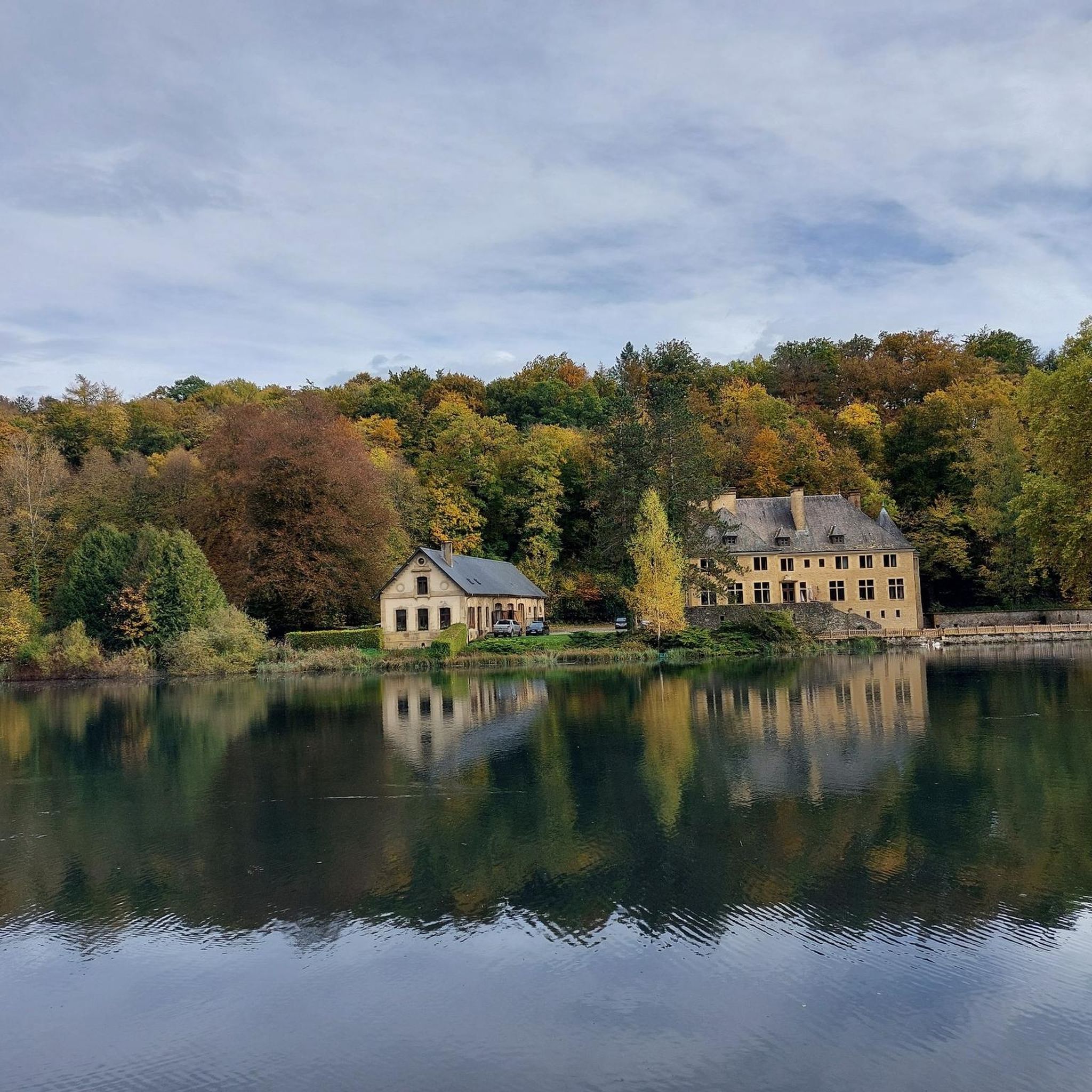
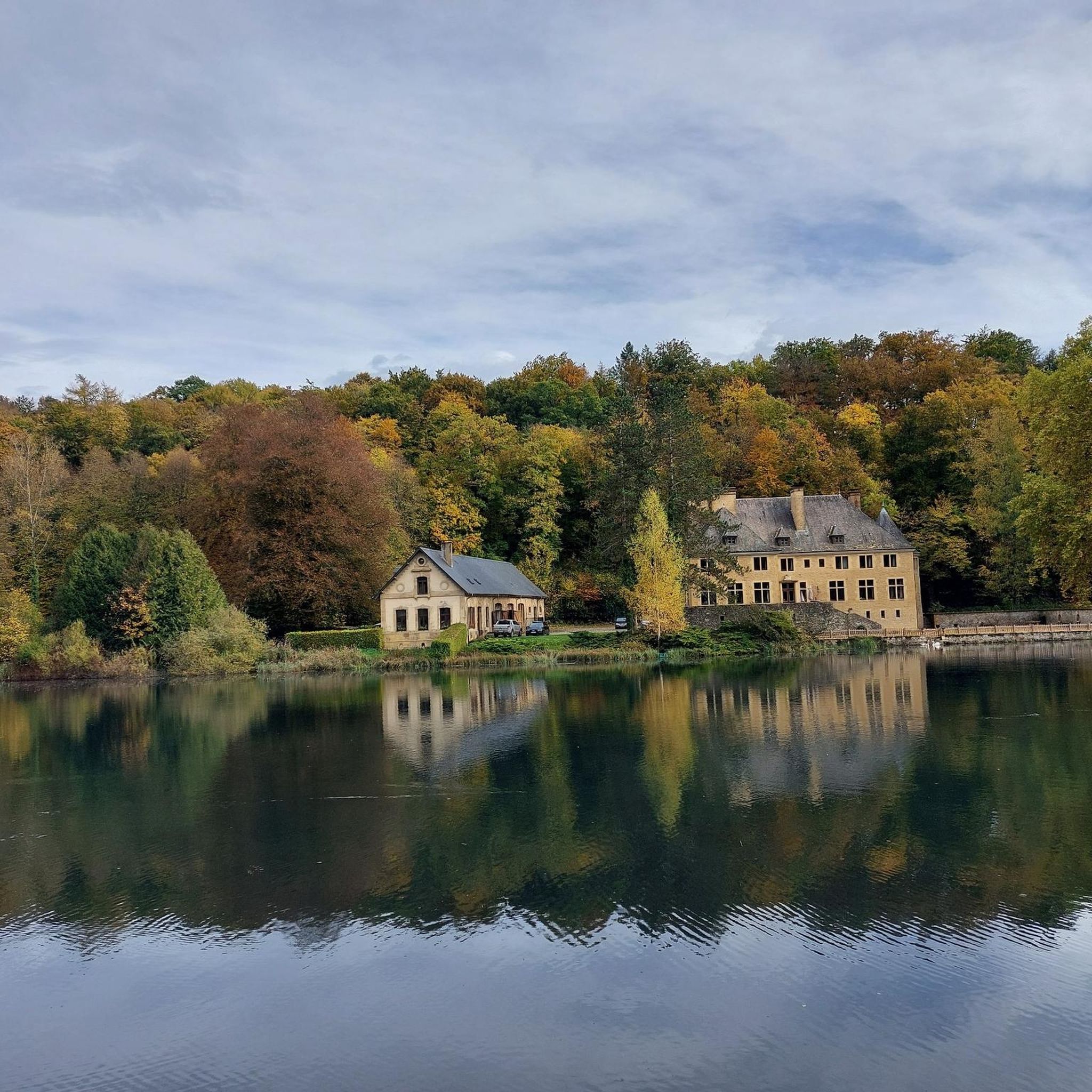
- The most popular attraction is View of the Abbey's castle, a viewpoint that overlooks the Château d’Orval. This castle, built in…
Last updated: October 10, 2026
View of the Abbey's castle
Highlight • Viewpoint
Translated by Google •
Tip by

Orval Abbey
Highlight • Religious Site
Translated by Google •
Tip by

Sign up now to discover places like this
Get recommendations on the best single tracks, peaks, & plenty of other exciting outdoor places.
Chassepierre Village
Highlight • Settlement
Translated by Google •
Tip by

Basilica of Our Lady of Avioth
Highlight • Religious Site
Translated by Google •
Tip by

Lacuisine Bridge
Highlight • Bridge
Showing Translation
Tip by
Sign up for free to discover even more attractions around Auflance.
Already have an account?
Start today with a free account
Your next adventure awaits.

Tips from the Community

From the bridge over the Semois in Lacuisine you have a beautiful view of the river which is very wide here. Take your time to look around calmly.
8
0

Known from the cultural festival, steep slope if you want. Good food / drink options.
0
0
The current castle is very recent. It was built in 1960 at the request of the owners, the Otreppe de Bouvette family, based on plans by architect Emile Godin. The previous castle was severely damaged in both world wars and fell into disrepair.
10
0
Chassepierre is an artists' village situated on the Semois River. Chassepierre derives from the Latin casa petrea ("stone house"). It is one of the most beautiful villages in Wallonia.
12
0
Over a period of 22 years, from 1926 to 1948, a completely new abbey was built based on a design by architect Henri Vaes. This was primarily the work of Ghent native Albert-Marie Van der Cruyssen, who became the first abbot in 1936. On August 20, 1929, the foundation stone was laid in the presence of Prince Leopold and Cardinal Van Roey. The new abbey was completed in 1948. On June 5, 1939, the abbey church was consecrated and elevated to Basilica Minor by Pope Pius XII. On September 8, 1948, the abbey church and the completed cloister were solemnly consecrated by Cardinal Micara, who served as Apostolic Nuncio to Belgium from 1923 to 1946 and subsequently became Prefect of the Congregation for Rites. To finance the major construction projects, which by then had already cost tens of millions of Belgian francs, various fundraising activities were initiated. For example, special postage stamps with a surcharge were issued by the Belgian government. The cheese factory (1931) and the brewery (1932) were established to generate the necessary funds, and laypeople were employed from the outset. After the construction work was completed, these proceeds were used for social and charitable purposes. (Wikipedia)
12
0

Built in the 14th century, the Avioth Basilica is distinguished by its rich Gothic-style decorations. It is also called the Cathedral of the Fields because of its natural setting.
0
0

You’re now standing in a special spot: the bridge of Lacuisine. Below you, the Semois flows calmly, but the history here is anything but serene. In September 1944, during the final phase of World War II, the original bridge was destroyed. Fortunately, the 296th Engineer (Combat) Battalion of the U.S. Army was ready. In no time, they built a new bridge, essential for transporting troops and vehicles. To this day, this sturdy construction remains in use. If you look closely, you’ll see a commemorative plaque on the side, placed in 1994, fifty years after its construction. It’s a tribute to the engineer troops and a silent reminder of the region’s liberation. To your right, you can see the impressive old railway bridge of Lacuisine. This historic structure is part of line 165, connecting Libramont with Virton and Athus. A bit further along is the Florenville station, a convenient starting point for local and tourist trips. With a transfer in Arlon, you can easily reach the city of Luxembourg. Since 2013, the station has been unmanned, but tickets are easy to purchase via vending machines or the SNCB app. To your left, you’ll find a picturesque view of the Semois. With a bit of luck, you might spot swans gliding gracefully over the water, a serene sight that exudes magical calm. And look, ahead of you lies Hôtel La Roseraie. This charming four-star hotel is housed in a former post office dating back to 1800. It offers a peaceful setting on the banks of the Semois, perfect for unwinding after a day of exploration.
3
0

A visit to the abbey is worthwhile. You should allow yourself about an hour and a half. Not far away there is a brasserie where you can try the cheese and beer.
6
0
Frequently Asked Questions
What kind of attractions can I find around Auflance?
Auflance offers a diverse range of attractions, including historical sites, religious architecture, and picturesque villages. You can explore ancient abbeys, unique architectural monuments, and scenic viewpoints, catering to interests in history, culture, and natural beauty.
Are there family-friendly attractions in Auflance?
Yes, several attractions around Auflance are suitable for families. These include the View of the Abbey's castle, Orval Abbey, Chassepierre Village, the Basilica of Our Lady of Avioth, and the Breux Footbridge. Many of these sites offer engaging experiences for all ages.
What historical sites can I explore in Auflance?
Auflance is rich in history. You can visit the legendary Orval Abbey, known for its deep history and spiritual significance. The Basilica of Our Lady of Avioth, a 14th-century Gothic masterpiece, is another significant historical and religious site. Additionally, Chassepierre Village offers a glimpse into traditional Wallonian architecture and history.
Where can I find scenic viewpoints or natural features in Auflance?
For scenic views, the View of the Abbey's castle offers a picturesque overlook of the Château d’Orval reflected in a pond. Chassepierre Village, situated on the Semois River, provides idyllic natural settings. The Breux Footbridge also offers views of the Semois River and combines historical elements with natural beauty.
Are there significant religious sites in Auflance?
Yes, Auflance is home to prominent religious landmarks. The Orval Abbey is a legendary Cistercian monastery with a rich spiritual heritage. The Basilica of Our Lady of Avioth, often called "the Cathedral of the Fields," is a grand Gothic basilica from the 14th century, historically significant as a pilgrimage site.
What outdoor activities can I do near these attractions?
Near Auflance's attractions, you can enjoy various outdoor activities, particularly cycling and mountain biking. There are numerous MTB Trails and Road Cycling Routes that pass by or near highlights like Orval Abbey and the View of the Abbey's castle. You can find routes ranging from easy to moderate difficulty.
Are there cycling routes that include the attractions?
Absolutely. Many cycling routes in the area are designed to take you past key attractions. For instance, there are touring bicycle routes that connect Orval Abbey with the View of the Abbey's castle, and even routes extending to the Basilica of Our Lady of Avioth.
What is the story behind the Orval Abbey and its famous beer?
The Orval Abbey is steeped in legend, including the tale of Countess Mathilde de Canossa and her lost wedding ring, which gave the valley its name 'Val d'Or' (Golden Valley). The abbey is renowned for brewing the famous Orval Trappist beer, still produced according to its original recipe, with proceeds supporting social and charitable causes.
What makes the Basilica of Our Lady of Avioth unique?
The Basilica of Our Lady of Avioth is unique for its grandeur in a small village, earning it the nickname "the Cathedral of the Fields." This 14th-century Gothic basilica was built on a pilgrimage route to Santiago de Compostella. It also features a unique monument called the 'Recevresse,' a flamboyant Gothic masterpiece designed to receive pilgrims' offerings.
What is special about Chassepierre Village?
Chassepierre Village is known as an artists' village, nestled on the Semois River. It's recognized as one of the 'Plus Beaux Villages de Wallonie' (Most Beautiful Villages of Wallonia) due to its charming old houses and idyllic setting. Its name, derived from Latin 'casa petrea' (stone house), reflects its traditional architecture.
What do visitors enjoy most about the attractions around Auflance?
Visitors particularly appreciate the blend of historical depth, architectural beauty, and serene natural settings. The komoot community has contributed over 95 photos and more than 400 upvotes, highlighting the picturesque views, the rich history of sites like Orval Abbey, and the charm of villages like Chassepierre.
Can I visit the Château d’Orval?
The Château d’Orval, visible from the View of the Abbey's castle, is a privately owned residence and is not open to the public. While you can admire its reflection in the pond and its medieval appearance, direct access is not permitted.
Most popular routes around Auflance
Most popular attractions around Auflance

Get inspired with the komoot mobile app


Explore more
Still not found the Highlight you’re looking for? See guides of the top attractions in other regions:
