The best road cycling routes around Fléville
5.0
(6)
183
riders
65
rides
Road cycling routes around Fléville traverse a landscape characterized by rolling terrain and dense woodlands, notably the Foret d'Argonne. The region features a mix of open rural roads and paths winding through forested areas. Elevations are generally moderate, with some routes including sustained climbs. This area offers varied road cycling experiences across its natural and historical settings.
Best road cycling routes around Fléville
- The most popular road cycling route is Sainte-Menehould – Foret d'Argonne loop from Cornay, a 47.2…
Last updated: July 2, 2026
19
riders
74.7km
03:25
810m
810m
Moderate road ride. Good fitness required. Mostly well-paved surfaces and easy to ride.
20
riders
34.5km
01:31
330m
330m
Moderate road ride. Good fitness required. Mostly well-paved surfaces and easy to ride.

Sign up for free
14
riders
59.1km
02:33
530m
520m
Moderate road ride. Good fitness required. Mostly well-paved surfaces and easy to ride.
8
riders
30.8km
01:21
300m
290m
Easy road ride. Great for any fitness level. Mostly well-paved surfaces and easy to ride.
5
riders
79.6km
03:34
870m
870m
Moderate road ride. Good fitness required. Mostly well-paved surfaces and easy to ride.
Get access to more routes and recommendations from other explorers.
Sign up for free
Already have an account?
Our route recommendations are based on thousands of hikes, rides, and runs completed by other people on komoot.
Start today with a free account
Your next adventure awaits.
Login or Signup
Tips from the Community

This ossuary, which has the status of a national necropolis, houses the remains of approximately 10,000 soldiers who fell during the Battle of Argonne. The imposing monument found there was created by the sculptor Raoul Eugène Lamourdedieu.
0
0
The Saint-Roch chapel appeared in the 17th century, well before the La Harazée national necropolis next to which it is located. The latter contains the remains of 1,672 soldiers who fell during the Battle of Argonne.
0
0


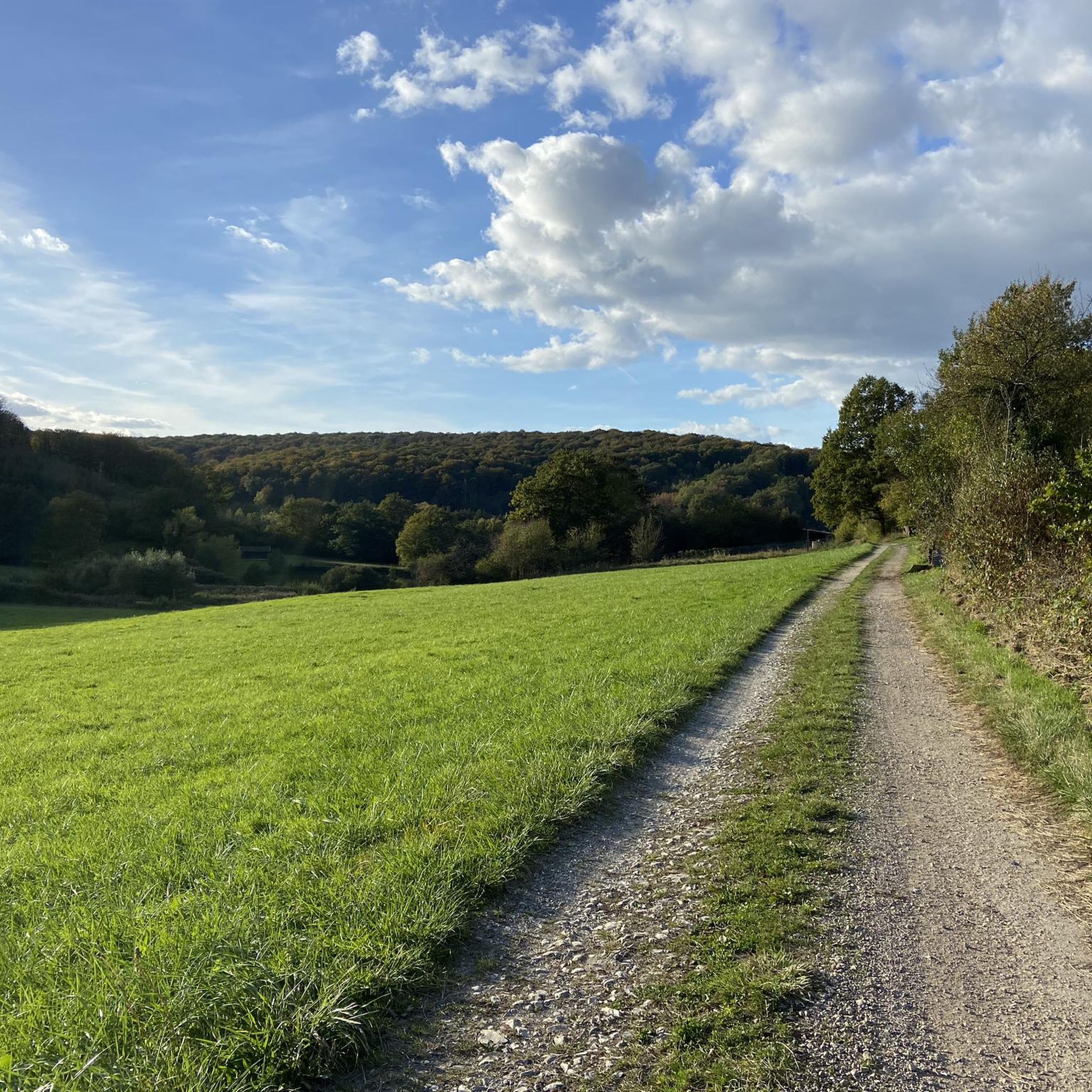
This little road is wonderfully quiet, a much better option than the D946 which runs parallel to it.
6
0
The Grand church is worth a stop. It offers a curious contrast between the massive tower of its facade and its delicate bell tower.
1
0

As a memorial to the many dead, such a “MONUMENT AUX MORTS” (usually called a “cenotaph” or “war memorial” in German-speaking countries) is still very important today. "Now you, O Lord, let your servant depart in peace, as you said..." says the so-called "Song of Simeon" (Gospel of Luke chapter 2, verse 29). However, the people who are remembered here did not die in peace, but rather became victims of war and tyranny. Many places and monuments that you encounter along the way are a testament to the horror of war and tyranny - which is still significant and relevant today. They all have, and this is new for each generation, two essential functions: -1- Commemorate and remember the victims -2- Call for the preservation of peace
2
0
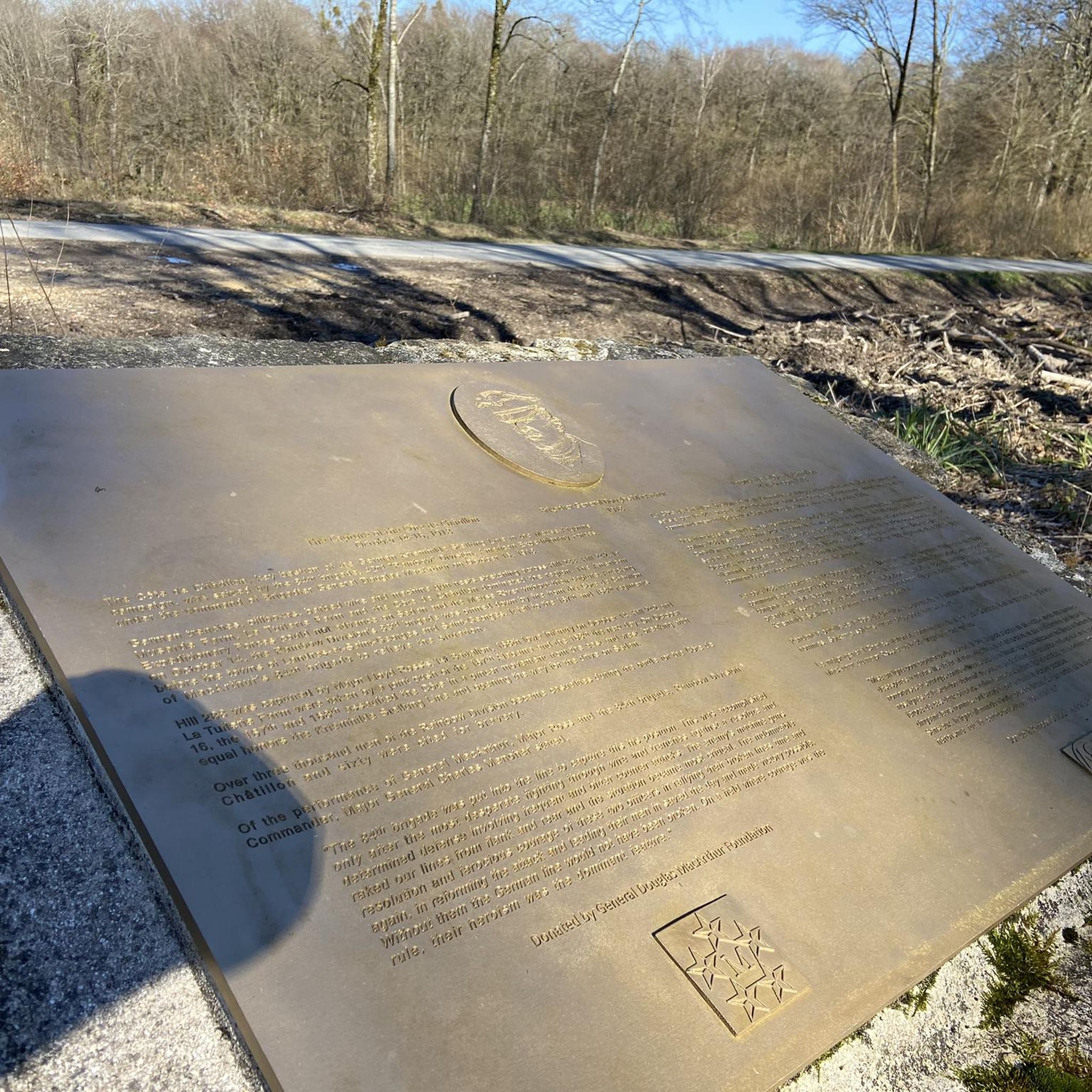
The American military cemetery in Romagne-sous-Montfaucon contains the graves of 14,246 soldiers who died during the First World War in northwest France. It is the largest American military cemetery in Europe. The cemetery site is located in the old front line of the Meuse-Argonne offensive that took place between September 26 and November 11, 1918. The plot of land was used as a cemetery on October 14, 1918 after it had been occupied by the American forces just before. 32nd Infantry Division. The site was given on permanent loan to the US by the French government. The 14,246 graves are spread over eight fields. There are lime trees surrounding the fields, the fields themselves are covered with grass. Each grave has its own stone. For Jewish graves, the top of the stone is shaped like a Star of David. The text on each stone states the soldier's name, rank, division, state and date of death. Of the 14,246 graves, 486 soldiers have not been identified. The stones of the unidentified soldiers bear the text: Here rests in honored glory an American soldier known but to god. On the south side of the cemetery is a memorial building, designed by the architectural firm York and Sawyer from New York. The center of the memorial gives access to a chapel containing the flags of the US and the other allied countries. The stained glass windows show the insignia of the various divisions that operated in the region. The two loggias outside the chapel display the names of 954 missing soldiers. The visitors building is located on the north side of the cemetery. There is a book here in which a visit can be registered. The entrance to the cemetery, both on the west and east sides, is 'guarded' by two white towers with the American eagle on top. There is a large pond in the middle of the site. The maintenance and management of the cemetery is the responsibility of the American Battle Monuments Commission.
5
0
The Castle of Grandpré is located in Grandpré, in the Ardennes, France. It was built by the Joyeuse, Counts of Grandpré, at the end of the 16th century and the beginning of the 17th century. For a long time, the place has been strategically located on the northern slope of the Aire valley, controlling one of the rare passages that cross the Argonne forest. This is the Grandpré passage.
7
0
Frequently Asked Questions
How many road cycling routes are available around Fléville?
There are over 60 road cycling routes around Fléville listed on komoot, offering a wide range of options for different skill levels and preferences.
Are there easy road cycling routes suitable for beginners in Fléville?
Yes, Fléville offers several easy road cycling routes. You can find around 9 routes specifically graded as easy, perfect for those new to road cycling or looking for a relaxed ride.
Where can I find challenging road cycling routes with significant climbs near Fléville?
For more challenging rides, look for routes with higher elevation gains. The region features routes like Sainte-Menehould – Foret d'Argonne loop from Cornay, which includes over 800 meters of ascent, providing a good test for advanced cyclists.
Are there circular road cycling routes in Fléville?
Many of the road cycling routes around Fléville are designed as loops, allowing you to start and finish at the same point. Examples include the Grandpré Church – Château de Grandpré loop from Chevières and the Foret d'Argonne – Château de Grandpré loop from Cornay.
What are some scenic road cycling routes with viewpoints in the Fléville area?
The region's routes often wind through dense woodlands and open rural areas, offering scenic views. While specific viewpoints aren't always marked, the overall landscape, particularly within the Foret d'Argonne, provides picturesque stretches. The Beautiful path loop from Chevières is known for its pleasant scenery.
What historical sites can I see along road cycling routes near Fléville?
Several routes pass by significant historical landmarks. For instance, the Grandpré Church – Château de Grandpré loop from Chevières takes you past the historic Château de Grandpré. Other points of interest in the area include the Meuse-Argonne American Cemetery and the Sergeant York trail.
Is parking available for road cyclists in Fléville?
Parking is generally available in the villages and towns that serve as starting points for many routes, such as Cornay or Chevières. Specific parking information for trailheads is often detailed within individual route descriptions on komoot.
How accessible are the road cycling routes in Fléville by public transport?
Public transport options directly to specific trailheads in rural areas like Fléville can be limited. It's advisable to check local bus schedules or consider driving to a suitable starting point, especially for routes deep within the Foret d'Argonne.
What is the best season for road cycling in Fléville?
The best seasons for road cycling in Fléville are typically spring and autumn, when temperatures are mild and the natural scenery is vibrant. Summer also offers good conditions, though it can be warmer. Winter cycling is possible but requires appropriate gear due to colder temperatures and potentially wet conditions.
Are there family-friendly road cycling routes around Fléville?
While many routes are moderate, some of the shorter, easier loops with less elevation gain can be suitable for families. Look for routes graded as 'easy' and check the distance and elevation profiles to ensure they match your family's capabilities.
Can I find road cycling routes with cafe stops in Fléville?
Routes often pass through or near small villages where you can find local cafes or bakeries for a stop. Planning your route to include stops in towns like Grandpré or Sainte-Menehould will ensure opportunities for refreshments.
What do other road cyclists enjoy about the routes in Fléville?
The road cycling routes in Fléville are highly rated by the komoot community, with an average score of 5.0 stars from 8 reviews. Cyclists often praise the region's mix of quiet rural roads, the beauty of the Foret d'Argonne, and the historical landmarks encountered along the way.
Most popular attractions around Fléville

Get inspired with the komoot mobile app


Explore more
Browse the best Road cycling routes in other regions.
