Attractions and Places To See around Beffu-Et-Le-Morthomme - Top 10
Best attractions and places to see around Beffu-Et-Le-Morthomme include historical sites and natural landscapes within the Ardennes region. This area features significant World War I remembrance sites, charming historical towns, and natural parks. The commune serves as a gateway to exploring both cultural heritage and outdoor activities. Visitors can find opportunities for walking, cycling, and discovering local history.
Best attractions and places to see around Beffu-Et-Le-Morthomme
- The most popular attractions is Château de Grandpré, a castle strategically located on…
Last updated: July 12, 2026
Grandpré
Highlight • Other
Translated by Google •
Tip by

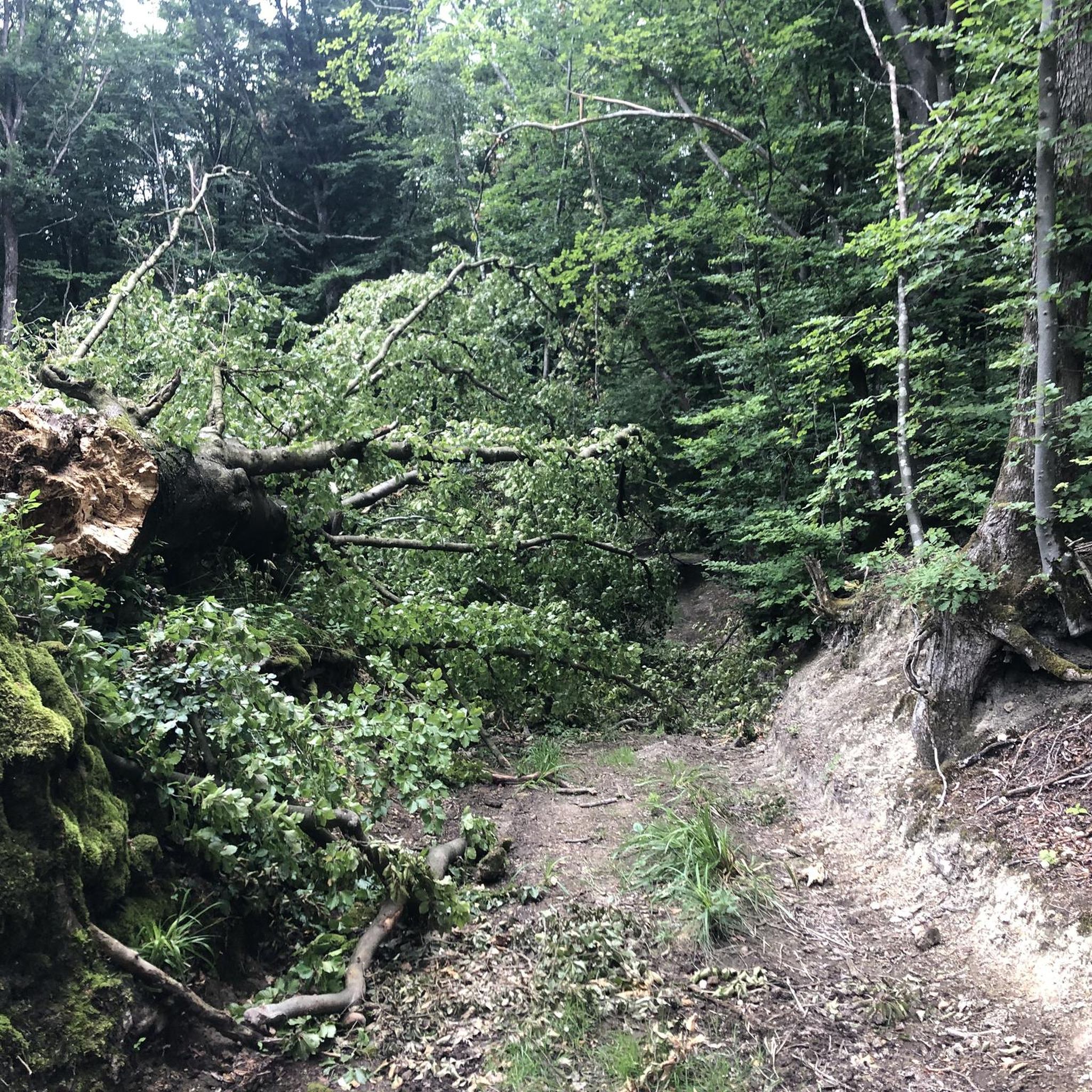
Sergeant York trail
Highlight • Other
Tip by

Sign up now to discover places like this
Get recommendations on the best single tracks, peaks, & plenty of other exciting outdoor places.
Sign up for free
Château de Grandpré
Highlight • Castle
Translated by Google •
Tip by
Saint-Martin in Chevières
Highlight • Religious Site
Translated by Google •
Tip by
La Samaritaine Leisure Center
Highlight • Lake
Translated by Google •
Tip by

Sign up for free to discover even more attractions around Beffu-Et-Le-Morthomme.
Sign up for free
Already have an account?
Start today with a free account
Your next adventure awaits.
Login or Signup



Tips from the Community

Nice playground for smaller children
0
0

Small but nice, no entrance fee and free parking. The existing toilet is unfortunately locked. Drinks and snacks are available at the campsite reception.
0
0

The Saint-Martin à Chevières church is a church located in the village of Chevières, in the Ardennes department, in the Grand Est region, in France. It is a 12th century Romanesque church dedicated to Saint Martin of Tours, patron saint of the poor and travellers. The church has a sober and harmonious architecture, with a square tower, a nave with three naves and a semicircular choir. The church is decorated with carved capitals, depicting scenes from the life of Christ and the saints. The church also has a remarkable organ case from the 18th century, which is made of oak and carved with floral and leaf motifs. The Saint-Martin à Chevières church is a historical monument, protected since 1921. It is a witness to the religious and cultural heritage of the region.
2
0
The Castle of Grandpré is located in Grandpré, in the Ardennes, France. It was built by the Joyeuse, Counts of Grandpré, at the end of the 16th century and the beginning of the 17th century. For a long time, the place has been strategically located on the northern slope of the Aire valley, controlling one of the rare passages that cross the Argonne forest. This is the Grandpré passage.
7
0
Grandpré is a commune in the French department of Ardennes, in the Grand Est region. It has about 500 inhabitants and an area of 32.67 km². It is located on the River Aire and is part of the canton of Attigny. Grandpré has a rich history, dating back to the Middle Ages. It was an important city in Champagne, which became a county and later a duchy. It had a castle, an abbey and a fortified wall, testifying to its power and influence. One of the sights is the Église Saint-Médard, a Gothic church from the 13th century, decorated with stained glass windows and sculptures. Grandpré was also the scene of fierce fighting during the First World War. It was occupied by the Germans in 1914 and later liberated by the Americans in 1918. The village was largely destroyed by bombing and artillery. One of the monuments that commemorate this period is the Monument aux Morts, a memorial to the fallen soldiers, designed by the sculptor Paul Moreau-Vauthier. Grandpré is a quiet and charming place where you can enjoy nature and the rural atmosphere. You can walk, cycle, fish or taste the local gastronomy. One of the specialties is the boudin blanc, a white sausage made from pork, cream and spices.
5
0

Alvin Cullum York (December 13, 1887 – September 2, 1964), also known as Sergeant York, was one of the most decorated United States Army soldiers of World War I.[1] He received the Medal of Honor for leading an attack on a German machine gun nest, gathering 35 machine guns, killing at least 25[2] enemy soldiers and capturing 132 prisoners. York's Medal of Honor action occurred during the United States-led portion of the Meuse-Argonne Offensive in France, which was intended to breach the Hindenburg line and force the Germans to surrender. He earned decorations from several allied countries during WWI, including France, Italy and Montenegro.
0
0

The old castle of the place, unfortunately closed.
2
0
Frequently Asked Questions
What historical sites can I visit near Beffu-et-le-Morthomme?
The region is rich in history. You can explore the 13th-century Gothic Église Saint-Médard in Grandpré, the 12th-century Romanesque Saint-Martin à Chevières Church, and the strategically located Château de Grandpré. Additionally, significant World War I remembrance sites like the Meuse-Argonne American Cemetery and Memorial are nearby.
Are there any natural parks or outdoor areas to explore?
Yes, the area offers several natural attractions. The Parc Argonne Découverte in Olizy-Primat is an animal park with wolves and birds of prey. You can also enjoy the vast Boult-aux-Bois Forest, which is freely accessible for hiking and mountain biking, featuring numerous wooded trails and the charming 'la Linette' pond.
What activities are available for families with children?
Families can enjoy the La Samaritaine Leisure Center, which features a lake for recreation and a playground for children, along with free parking. The Parc Argonne Découverte also offers immersive and educational experiences with its animal exhibits.
Where can I find opportunities for hiking or cycling?
The region around Beffu-et-le-Morthomme is excellent for outdoor enthusiasts. You'll find many trails for hiking and cycling, allowing you to explore the natural and rural landscapes. For specific routes, you can check out the hiking guide or the cycling guide for the area.
Are there any significant World War I remembrance sites in the area?
Absolutely. The region played a crucial role in World War I. Key sites include the Romagne 14-18 museum, the Meuse-Argonne American Cemetery and Memorial in Romagne-sous-Montfaucon, the Montfaucon American Monument, Vauquois Hill, and La Main De Massiges WWI Frontline. You can also follow the Sergeant York trail, which commemorates a significant historical event from the Meuse-Argonne Offensive.
What kind of religious heritage can be found nearby?
The area features notable religious buildings such as the 13th-century Gothic Église Saint-Médard in Grandpré and the 12th-century Romanesque Saint-Martin à Chevières Church, which is a protected historical monument known for its carved capitals and 18th-century organ case.
What makes the village of Grandpré interesting to visit?
Grandpré is a historic village with a rich past, featuring the 13th-century Église Saint-Médard and the Château de Grandpré. It also has a Monument aux Morts commemorating WWI soldiers. The village offers a quiet, rural atmosphere ideal for walking, cycling, and fishing, with local amenities like shops, a bank, and a bar.
Can I find places for relaxation and water activities?
Yes, the La Samaritaine Leisure Center provides a lake for recreational activities and relaxation. It's a pleasant spot to unwind, offering free parking and a playground for children.
What do visitors generally enjoy about the attractions around Beffu-et-le-Morthomme?
Visitors appreciate the blend of historical reflection, cultural discovery, and natural beauty. The area is noted for its significant World War I remembrance sites, charming historical towns, and engaging natural parks, offering diverse experiences from ancient castles to family-friendly lakes.
Are there any museums focusing on the region's history?
Yes, the Romagne 14-18 museum near Beffu-et-le-Morthomme focuses specifically on the First World War. Further afield in Novion-Porcien, the War and Peace Museum explores the impact of various conflicts on the Ardennes region.
What is the best time of year to visit Beffu-et-le-Morthomme for outdoor activities?
The region's quiet, rural atmosphere and numerous trails for hiking and cycling suggest that spring, summer, and early autumn are ideal for outdoor activities, when the weather is generally mild and conducive to exploring the natural landscapes.
Are there options for longer excursions into the broader Ardennes region?
For those willing to venture further, the broader Ardennes region offers impressive attractions such as the Château Fort de Sedan (one of Europe's largest fortresses), Fort Charlemont in Givet, Bouillon Castle in Belgium, and the unique star-shaped fortified town of Rocroi.
Are there any easy hiking trails suitable for beginners or families?
Yes, there are easy hiking options. For instance, the 'La Samaritaine Leisure Center – Pond loop from Bar-lès-Buzancy' is an easy 3.8 km hike. You can find more easy routes in the hiking guide for the area.
Most popular routes around Beffu-Et-Le-Morthomme

Get inspired with the komoot mobile app


Explore more
Still not found the Highlight you’re looking for? See guides of the top attractions in other regions:
