Top 5 Castles around Urou-Et-Crennes
Best castles around Urou-Et-Crennes are primarily found in the surrounding region, offering a glimpse into historical architecture and local heritage. While Urou-et-Crennes itself features historical properties like Château d'Urou, the nearby town of Argentan hosts a significant ducal castle. The area provides access to various historical sites, ranging from medieval keeps to 18th-century châteaux. These structures reflect centuries of regional history and architectural evolution.
Best castles around Urou-Et-Crennes
- The most popular castles is Donjon de Chambois, a castle that…
Last updated: October 17, 2026
Château de Sassy
Highlight • Castle
Still inhabited, it houses the rich library of Chancellor Pasquier which contains 25,000 volumes and …
Translated by Google •
Tip by

Donjon de Chambois
Highlight • Castle
Visible from the outside. Free
Translated by Google •
Tip by
Sign up now to discover places like this
Get recommendations on the best single tracks, peaks, & plenty of other exciting outdoor places.
Villebadin Castle
Highlight • Castle
Translated by Google •
Tip by

Château des Ducs
Highlight • Castle
Translated by Google •
Tip by
Cuy Castle
Highlight • Castle
Translated by Google •
Tip by
Start today with a free account
Your next adventure awaits.



Tips from the Community

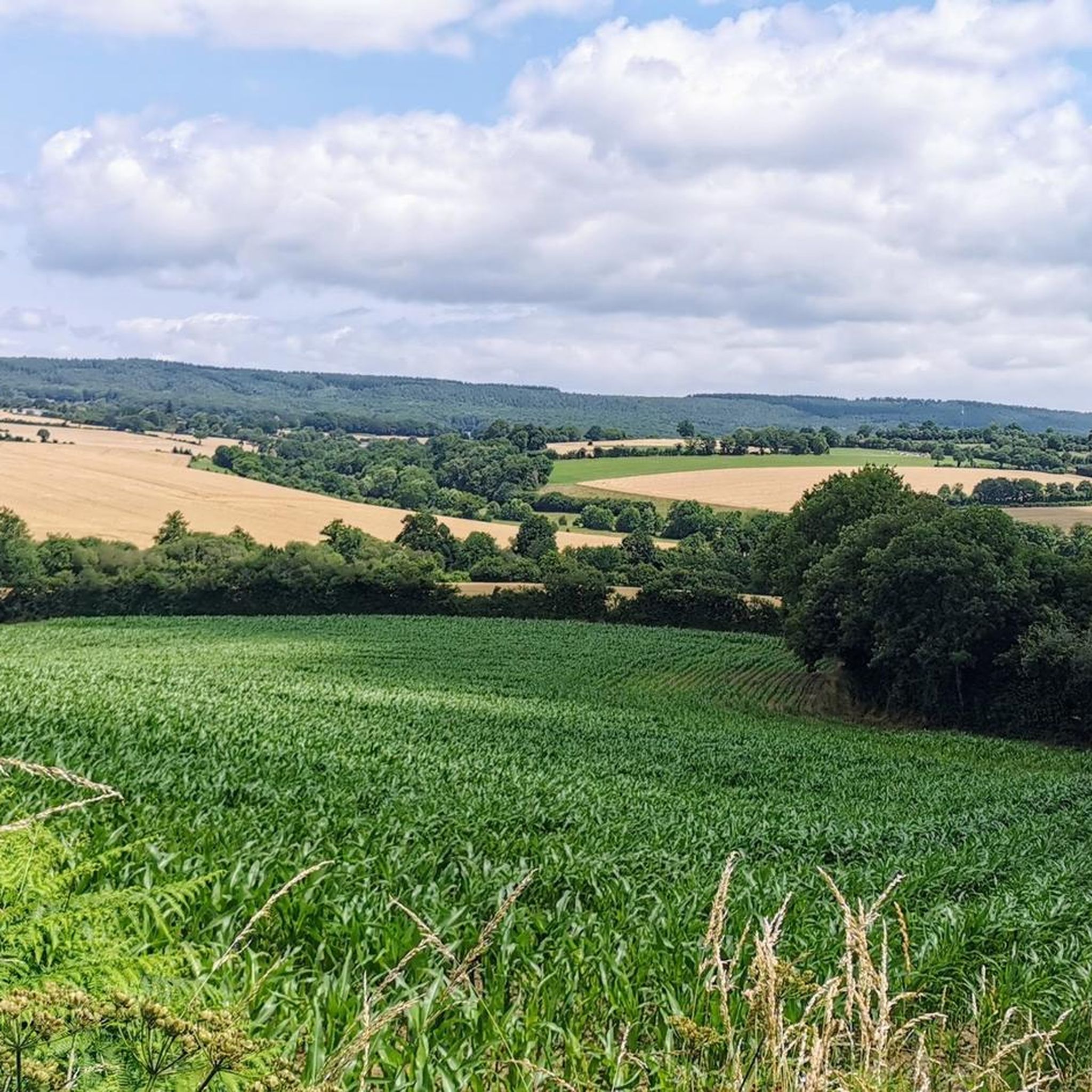
Magnificent site, especially with morning lighting, unfortunately closed to visitors and the tree-lined avenue is closed to the public.
2
0

Villebadin Castle is a manor built at the end of the reign of Henri IV and equipped with a set of outbuildings from the second half of the 18th century. You can admire the classic architecture of the entrance, marked by pilasters, and the elegant dovecote, also listed as a historic monument. The castle is surrounded by a large park with trees and flowers, where you can stroll in complete tranquility. Villebadin Castle is an ideal destination for history and nature lovers.
2
0
The Château des Ducs is a 14th century castle that was once the residence of Pierre II de Valois, a descendant of Saint Louis. The castle is today the seat of the court of justice, but you can still admire its architecture and its chapel, which houses a magnificent altarpiece from the 18th century.
2
0
The Château de Cuy in Occagnes is a 17th century castle with classic architecture. Its elegant facades, roofs and entrance doors are classified as historic monuments. You can admire the castle from the outside, but the interior is not open to the public as it is private property.
3
0

Centrally located, right next to the Office de Tourisme.
0
0
The Château de Sassy you see today was built in the 18th century. It belonged to a chancellor of France in 1850, but by far the most important person to have visited this castle was Queen Elizabeth II, in 1967, during a private visit to France. The castle has an astonishing French garden built in 1920.
1
0

Opposite, a bakery with very good products for picnics or snacks.
0
0
Frequently Asked Questions
What historical significance do the castles around Urou-et-Crennes hold?
The castles in this region reflect centuries of Norman history. For example, the Donjon de Chambois is a well-preserved 12th-century Romanesque building. The Château des Ducs in nearby Argentan, dating from the 14th and 15th centuries, served as a ducal residence and hosted historical figures like Francis I and Catherine de' Medici. Other properties, like the 18th-century Château de Sassy, showcase later architectural styles and private collections.
Are the castles around Urou-et-Crennes generally open to the public?
Public access varies significantly. Many, like the Château de Sassy, Cuy Castle, and Villebadin Castle, are private residences and can only be admired from the outside. The Donjon de Chambois is visible from the outside and offers free exterior viewing. The Château des Ducs in Argentan houses judicial institutions, so interior access is generally limited, though special events like European Heritage Days may offer opportunities. Château d'Urou in Urou-et-Crennes is also a private historical property.
Are there family-friendly castles to visit in the Urou-et-Crennes area?
Yes, several castles are considered family-friendly. The Donjon de Chambois is a 12th-century Romanesque building that families can view from the outside. The Château des Ducs in Argentan is also listed as family-friendly, offering an impressive exterior to explore. While interior access might be limited for some, the historical context and architectural beauty can still be engaging for all ages.
What are the parking facilities like for castles around Urou-et-Crennes?
Parking facilities vary by location. For centrally located castles like the Château des Ducs in Argentan, you can typically find parking in the town center. For castles that are private or located in more rural settings, parking might be less formal, often roadside or in designated small areas. It's advisable to check specific visitor information for each site if available.
What is the best time of year to visit the castles in this region?
The best time to visit is generally during the spring, summer, and early autumn months (April to October). During these periods, the weather is more favorable for exploring exteriors and surrounding grounds. Many sites, especially those with gardens like Villebadin Castle, are particularly beautiful when the foliage is lush. Special events, such as European Heritage Days, often occur in September and can offer rare interior access to some properties.
Can I visit castles around Urou-et-Crennes during the winter?
Visiting during winter is possible, especially for castles that are primarily viewed from the exterior, such as the Donjon de Chambois or the Château des Ducs. However, some private properties or those with limited public access might have reduced hours or be fully closed. The weather can be cold and damp, so dress appropriately. The bare trees can sometimes offer clearer views of the castle structures.
Are there outdoor activities or routes near the castles?
Yes, the region offers various outdoor activities. You can find numerous cycling routes, including road cycling, touring, and mountain biking, that pass near or connect to some of these historical sites. For example, there are cycling routes like "Argentan and the Châteaux of the Or" or "Château d'Ô – Château de Sassy loop from Argentan." You can explore these and more on the Road Cycling Routes around Urou-Et-Crennes, Cycling around Urou-Et-Crennes, and MTB Trails around Urou-Et-Crennes guide pages.
Can I find scenic viewpoints near the castles?
Many castles themselves offer scenic views, either of their own architecture or the surrounding landscape. For instance, the Château de Sassy overlooks three floors of terraces, providing a grand vista. The Villebadin Castle is surrounded by a large park, ideal for tranquil strolls and enjoying nature. The general countryside of the Orne department also provides picturesque backdrops for these historical structures.
Are there dining options or cafes near the castles?
For castles located within or very close to towns, like the Château des Ducs in Argentan, you'll find a variety of cafes and restaurants. For more rural castles, options might be limited to nearby villages. The area around Donjon de Chambois is noted for having little shops and a bakery nearby, perfect for a coffee, pastry, or picnic supplies.
What do visitors appreciate most about the castles in this region?
Visitors often appreciate the rich history and diverse architectural styles, ranging from Romanesque keeps to 18th-century châteaux. The well-preserved nature of sites like the Donjon de Chambois and the imposing presence of structures like the Château de Sassy are frequently highlighted. The tranquil settings, often surrounded by parks and natural landscapes, also contribute to a pleasant experience, even when interior access is not available.
Are there any castles with unique architectural styles in the region?
Yes, the region showcases a blend of architectural periods. The Château des Ducs in Argentan is a notable example, blending flamboyant Gothic and Renaissance elements. The Cuy Castle, a 17th-century structure, features classic architecture with elegant facades and roofs. The Château de Sassy, built in the 18th century, is an imposing stone and brick edifice. Even the private Château d'Urou in Urou-et-Crennes is recognizable by its two original small towers on the roof.
What are some lesser-known or 'hidden gem' castles to explore?
While many castles in the area are private, properties like the Villebadin Castle offer a glimpse into historical architecture in a tranquil setting, surrounded by a large park. The Château d'Urou, located directly in Urou-et-Crennes, is a historical property with distinctive features and an integrated horse farm, offering a local landmark experience for those interested in regional heritage, even if public tours are not widely available.
Most popular routes around Urou-Et-Crennes
Most popular attractions around Urou-Et-Crennes

Get inspired with the komoot mobile app


Explore more
Looking for the best castles somewhere else? Discover other guides around Urou-Et-Crennes:
