Attractions and Places To See around Ommoy - Top 9
Attractions and places to see around Ommoy, a small commune in the Orne department of Normandy, France, offer a tranquil rural experience. The area is characterized by its local landmarks and serves as a base for exploring historical and natural sites in the surrounding region. Ommoy itself is drained by the Dives River and features the Étang d'Ommoy, contributing to the local hydrographic network. Visitors can find a blend of historical sites, castles, and natural landscapes.
Best attractions and places…
Last updated: July 1, 2026
Camp Celtique de Bierre
Highlight • Historical Site
Translated by Google •
Tip by

Saint-Germain Church
Highlight • Other
Translated by Google •
Tip by
Sign up now to discover places like this
Get recommendations on the best single tracks, peaks, & plenty of other exciting outdoor places.
Sign up for free
Donjon de Chambois
Highlight • Castle
Visible from the outside. Free
Translated by Google •
Tip by

Château des Ducs
Highlight • Castle
Translated by Google •
Tip by
Cuy Castle
Highlight • Castle
Translated by Google •
Tip by
Sign up for free to discover even more attractions around Ommoy.
Sign up for free
Already have an account?
Start today with a free account
Your next adventure awaits.
Login or Signup



Tips from the Community

The Church of Saint-Germain is an impressive church that was built from the 14th to the 17th century and features a mix of Gothic, Renaissance and classical architecture. You can admire the majestic north porch, the lantern tower, the large bell tower and the 15 chapels inside. The church also houses the remains of Blessed Marguerite de Lorraine-Vaudémont, a benefactress of Argentan. The church is open to the public all year round and hosts many concerts, including organ concerts during the International Organ Festival in summer.
3
0
The Château des Ducs is a 14th century castle that was once the residence of Pierre II de Valois, a descendant of Saint Louis. The castle is today the seat of the court of justice, but you can still admire its architecture and its chapel, which houses a magnificent altarpiece from the 18th century.
2
0
The Château de Cuy in Occagnes is a 17th century castle with classic architecture. Its elegant facades, roofs and entrance doors are classified as historic monuments. You can admire the castle from the outside, but the interior is not open to the public as it is private property.
3
0

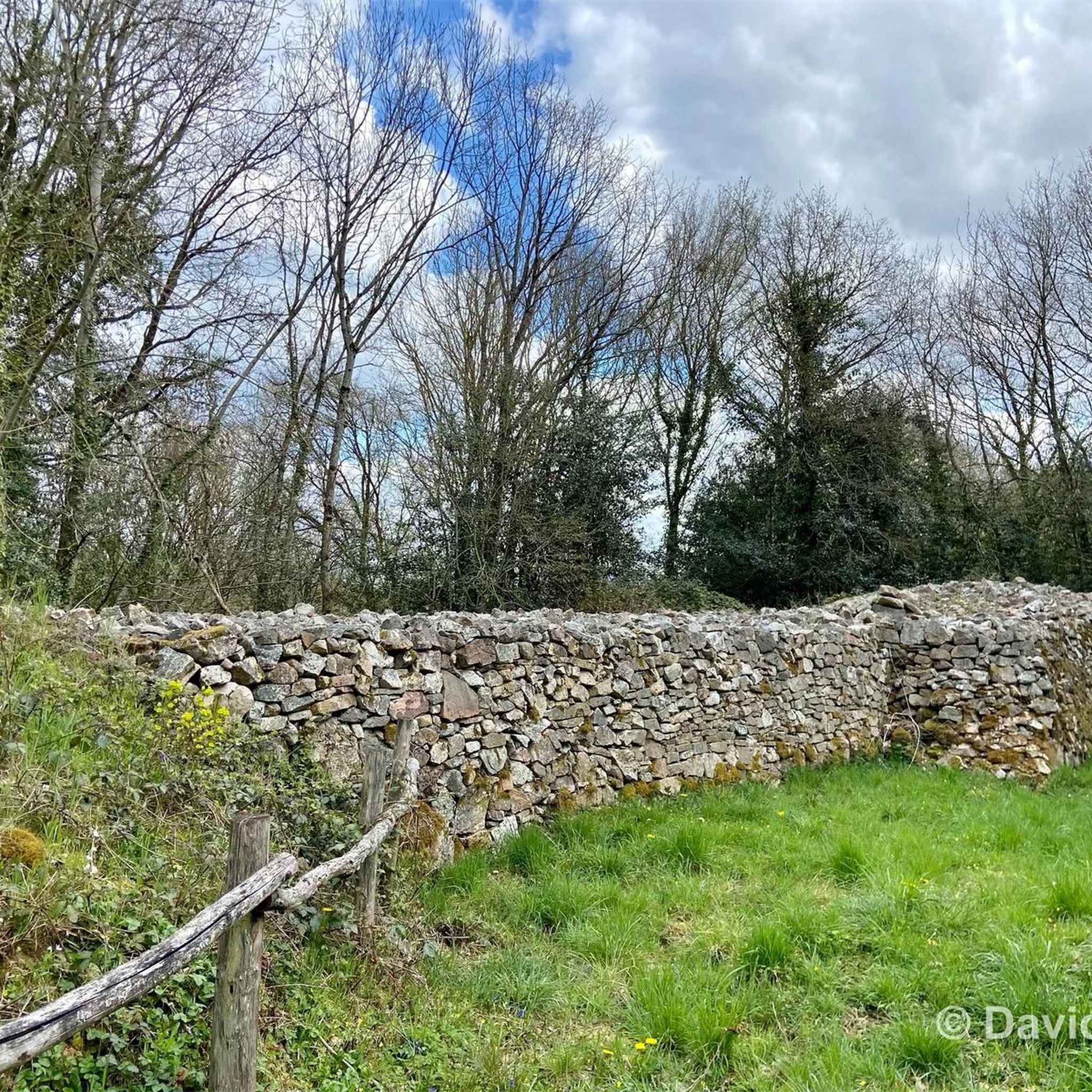
At this point, the hiking trail leads back seven or eight millennia into the history of the European continent and its settlement. The people of that era were able to build amazing buildings using only the work of their hands - and with (from today's perspective) seemingly primitive tools. So this ring wall - partly brick, partly made of stones - that protectively surrounded the "Camp Celtique de Bierre".
3
0

Centrally located, right next to the Office de Tourisme.
0
0
This fortified site was built in the Middle Neolithic (5300-4400 BC), when agricultural practices were beginning to take hold. The camp is one of the largest in western France.
4
0

Opposite, a bakery with very good products for picnics or snacks.
0
0

12th century Romanesque building, one of the best preserved in France. Similar to the Anglo-Norman dungeon family. Visible from the outside. Free
1
0
Frequently Asked Questions
What historical sites can I explore near Ommoy?
The region around Ommoy is rich in history. You can visit the impressive Camp Celtique de Bierre, a fortified Neolithic site dating back to 5300-4400 BC, which is one of the largest in western France. Another significant site is the Donjon de Chambois, a well-preserved 12th-century Anglo-Norman keep. Within Ommoy itself, the ancient Romanesque Église Notre-Dame-de-l'Assomption features a beautiful Romanesque portal.
Are there any castles to visit around Ommoy?
Yes, there are several notable castles. The Donjon de Chambois is a 12th-century Romanesque building, recognized as one of the best-preserved Anglo-Norman keeps in France, visible from the outside. You can also admire the 17th-century Cuy Castle in Occagnes, known for its elegant facades and roofs, though its interior is private. Additionally, the Château des Ducs, a 14th-century castle, is centrally located and features impressive architecture.
What natural features or outdoor areas are there to see near Ommoy?
Ommoy is surrounded by natural beauty. The commune itself is drained by the Dives River and features the Étang d'Ommoy, a 2.95-hectare body of water. Further afield, you can explore the picturesque landscapes of Rochers des Parcs, approximately 33 km away, or the forests and elevated viewpoints of Signal d'Écouves and Forêt d'Écouves, about 34-35 km from Ommoy.
Are there opportunities for hiking around Ommoy?
Absolutely! The area offers various hiking trails. For example, you can find easy to moderate routes around the Camp Celtique de Bierre, such as the 'Sentier du camp celtique de Bierre' which is an easy 4.3 km loop. Many other trails are available, including loops from Guêprei and Merri. You can find more details and routes in the Hiking around Ommoy guide.
What kind of cycling routes are available near Ommoy?
Road cycling enthusiasts will find several moderate routes in the vicinity. Popular options include the 'Donjon de Chambois – Montormel Memorial loop' from Bailleul (approx. 48 km) or the 'Cuy Castle – Marguerite Tower loop' from Rônai (approx. 54 km). These routes often pass by historical sites and scenic landscapes. Explore more options in the Road Cycling Routes around Ommoy guide.
Are there any running trails in the Ommoy area?
Yes, there are several running trails, mostly of moderate difficulty. You can try the 'Camp Celtique de Bierre loop from Guêprei' (approx. 9.8 km) or the 'Étang du Neuf Vivier – Étang de la Roche loop from Vignats' (approx. 12.7 km). Shorter loops are also available from places like Bailleul. Find more running routes in the Running Trails around Ommoy guide.
Are there family-friendly attractions or activities around Ommoy?
Many of the historical sites, such as the Donjon de Chambois and the Château des Ducs, are considered family-friendly for their historical interest and open spaces. The easy hiking trails around the Camp Celtique de Bierre also offer a great outdoor activity for families to explore history and nature together.
What is the best time of year to visit Ommoy's attractions?
The best time to visit Ommoy and its surrounding attractions is generally during the spring (April to June) and autumn (September to October) months. During these periods, the weather is typically mild and pleasant for outdoor activities like hiking and cycling, and the natural landscapes are particularly beautiful. Summer (July and August) is also popular, but can be warmer.
Are there any wheelchair-accessible attractions near Ommoy?
Due to the historical nature and rural setting of many attractions, fully wheelchair-accessible options are limited. Historical sites like the Donjon de Chambois are often admired from the exterior, which may offer some accessibility, but interior access for many older buildings is typically restricted. It's advisable to check specific site details for accessibility information before visiting.
What do visitors enjoy most about the attractions around Ommoy?
Visitors particularly appreciate the rich history and well-preserved architecture of the region. The Donjon de Chambois is often highlighted as one of the best-preserved Anglo-Norman keeps. The Camp Celtique de Bierre offers a unique journey back in time with its ancient fortifications. The overall blend of historical sites, castles, and natural landscapes provides a tranquil rural experience that is highly valued by the komoot community.
Can I find cafes or places for refreshments near the trails and attractions?
While Ommoy itself is a small commune, some attractions have nearby amenities. For instance, around the Donjon de Chambois, you can find small shops and a bakery that are perfect for a coffee, pastry, or picnic supplies. For other trails and sites, it's recommended to check local village centers or plan to bring your own refreshments, especially in more rural areas.
Are there any dog-friendly trails or areas for walks around Ommoy?
Many of the outdoor trails and natural areas around Ommoy are suitable for walks with dogs, provided they are kept on a leash and owners clean up after them. The hiking trails around the Camp Celtique de Bierre and the general forest areas like Forêt d'Écouves are good options for dog owners looking to explore the outdoors.

Get inspired with the komoot mobile app


Explore more
Still not found the Highlight you’re looking for? See guides of the top attractions in other regions:
