Attractions and Places To See around Buis-Sur-Damville - Top 16
Attractions and places to see around Buis-Sur-Damville, now integrated into Mesnils-sur-Iton in the Eure department of Normandy, offer insights into local history, architecture, and natural heritage. The area features historical landmarks, including 16th-century churches and medieval castles, alongside prehistoric megalithic monuments. Visitors can explore sites that reflect centuries of regional development and cultural significance within a rural landscape.
Best attractions and places to see around Buis-Sur-Damville
- The most popular attractions is Château de Condé-sur-Iton, a castle that features a…
Last updated: October 11, 2026
Pierre Courcoulée Dolmen
Highlight • Other
Translated by Google •
Tip by

Château de Condé-sur-Iton
Highlight • Castle
Translated by Google •
Tip by

Sign up now to discover places like this
Get recommendations on the best single tracks, peaks, & plenty of other exciting outdoor places.
Chambray Castle
Highlight • Castle
Translated by Google •
Tip by

Nonancourt, historic center
Highlight • Other
Translated by Google •
Tip by
Ruins of Saint Médard Church
Highlight • Historical Site
The ruins have been …
Translated by Google •
Tip by
Sign up for free to discover even more attractions around Buis-Sur-Damville.
Already have an account?
Start today with a free account
Your next adventure awaits.



Tips from the Community


If you are interested in ancient history and megalithic monuments, you can visit the Dolmen de la Pierre Courcoulée, a stone tomb dating from the Neolithic period. You can admire the impressive puddingstone slab that covers the dolmen, measuring more than 4 meters long and weighing about 10 tons. The slab rests on four pillars of the same material, forming a chamber which was probably used for funerary rituals. The dolmen is one of the oldest and best preserved in Normandy, it has been listed as a historical monument since 1889. The Pierre Courcoulée Dolmen is a privileged place to get some fresh air and discover the local heritage.
2
0

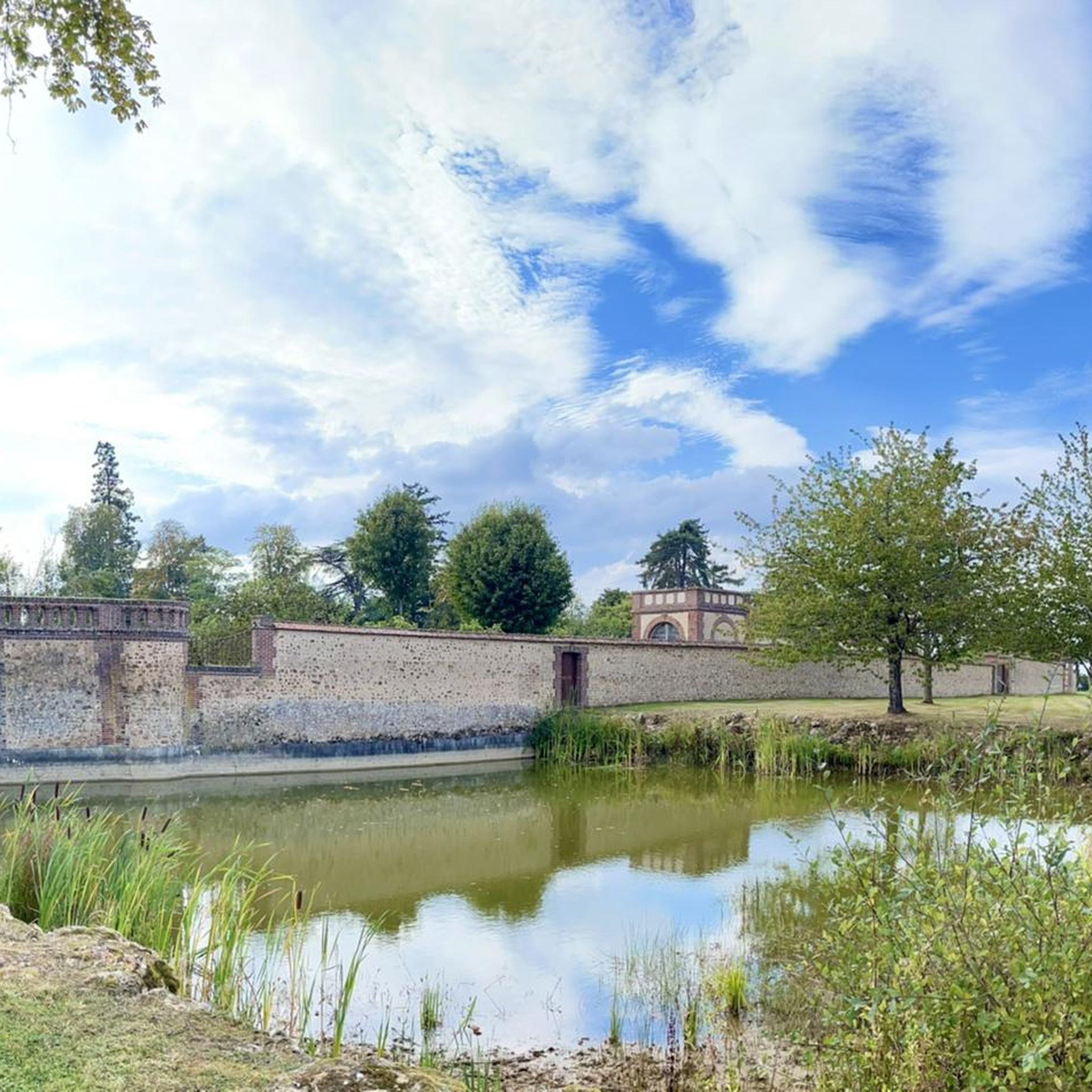
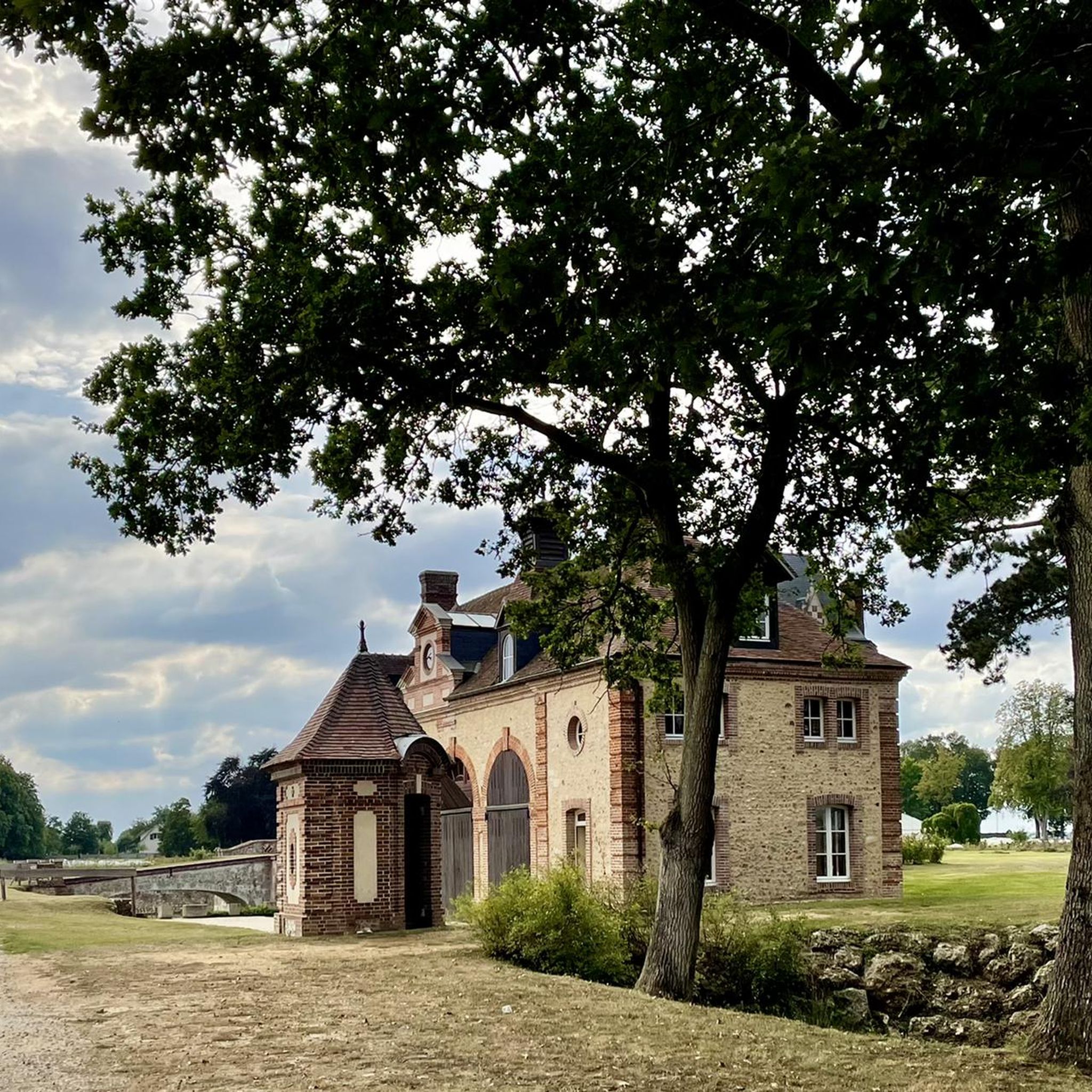
This site now houses an agricultural high school. No matter which road you take to get there, it will be pleasant and surrounded by nature. Ideal for taking an invigorating break. Castle built in the 17th century by the Count of Louviers, perhaps from older elements. The outbuildings (outbuildings, stables, chapel) date from the 18th century: the large stables were built in 1736, the chapel was remodeled in 1771. The dwelling was extensively remodeled in the 19th century; at the start of the 20th century, the architect Lisch restored and enlarged it by adding a square pavilion to the northeast. The regular garden visible on the 18th century plan later became an irregular garden. In the 17th century, the poet Madame Deshoulières (1637-1694) stayed there. Successive owners include the Grimouville family, the Hanivel family, the Clermont-Tonnerres, the Marquise de Kerkoent, the Marquise de Tourzel, governess to the children of Louis XVI, the Duchess of Lorges, the Cro family.
0
0
In this area, an "Old Castle" from the 15th century faces a "New Castle" from the 19th century, separated from each other by gardens designed by Achille Duchène. The Domaine de Condé sur Iton invites you to come and admire this magnificent and soothing landscape. You will be able to sleep in one of the five beautiful period rooms which have been fitted out in the "Château Neuf". In summer, breakfast is served on the terrace from where you can admire the gardens, the fountain at the end of the "Petit Miroir" and... the "Vieux Château". You can take advantage of the halls and lounges of the residence for an evening as a couple or for a reception with friends: the Grand Salon, so convivial with its warm fireplace, the Petit Salon with its musical decor or the Dining Room with its wall paintings. painted. The Domaine de Condé is also a place for receptions (meetings, weddings, banquets, parties, etc.) thanks to the rooms of the "Vieux Château". The lawns can be fitted out with barnums or tents for any reception of more than 100 people Source https://www.chateaux-france.fr/chateau-de-conde-sur-iton
0
0

Pretty Town Center of Nonancourt...
0
0
Chambray Castle is a residence from the 16th – 17th centuries, which stands on the territory of the French commune of Gouville in the department of Eure, in the Normandy region. The castle is partially listed as a historical monument.
0
1
In 1190, Richard Coeur de Lion gave Jean (bishop of Évreux) the castle and the barony of Condé.
0
1
Ruin of the Saint Médard church.
0
1
Frequently Asked Questions
What historical landmarks can I explore around Buis-sur-Damville?
The area is rich in history. You can visit the 16th-century Église Sainte-Radegonde de Morainville, known for its distinctive half-timbered porch, or the 11th/12th-century Église Saint-Martin de Boissy-sur-Damville with its Romanesque elements. Another significant site is the Ruins of Saint Médard Church in Villalet, dating from the 14th and 15th centuries, now part of a park.
Are there any ancient or prehistoric sites near Buis-sur-Damville?
Yes, you can discover the Pierre Courcoulée Dolmen, a well-preserved megalithic monument from the Neolithic period, classified as a historical monument since 1889. The area also notes the presence of a menhir, indicating further prehistoric remnants.
What castles or châteaux are worth visiting in the vicinity?
The Château de Condé-sur-Iton features both a 15th-century 'Old Chateau' and a 19th-century 'New Chateau,' set within gardens designed by Achille Duchêne. Additionally, the Chambray Castle, a 16th-17th century residence, is partially listed as a historical monument and now houses an agricultural high school.
What kind of outdoor activities can I do near these attractions?
You can enjoy various cycling and running routes. For cycling, consider routes like the 'Saint-Lubin-des-Joncherets – Arm of the Avre loop from Nonancourt' or the 'Ruins of Saint Médard Church – Pierre Courcoulée Dolmen loop from Buis-sur-Damville'. Running enthusiasts might enjoy the 'Moulins du Sacq loop from Mesnils-sur-Iton'. You can find more options on the Cycling around Buis-Sur-Damville, Road Cycling Routes around Buis-Sur-Damville, and Running Trails around Buis-Sur-Damville guide pages.
Are there family-friendly attractions in the Buis-sur-Damville area?
Yes, several sites are suitable for families. The Château de Condé-sur-Iton offers expansive grounds and gardens to explore. The Ruins of Saint Médard Church are set within a park, providing a space for picnics and exploration. The natural setting around the Pierre Courcoulée Dolmen also offers an opportunity for a refreshing outdoor experience.
What is the best time of year to visit Buis-sur-Damville?
The Eure department in Normandy, where Buis-sur-Damville is located, is generally pleasant to visit from spring through early autumn (April to October). During these months, the weather is typically mild, making it ideal for exploring historical sites, châteaux gardens, and engaging in outdoor activities like cycling and running.
Can I find any charming towns or villages nearby with historical character?
Yes, the nearby town of Nonancourt offers a historic center with a typically Norman appearance. You can discover its Saint Martin Church and many half-timbered houses dating from the 15th century, as well as remnants of its old ramparts.
What do visitors particularly enjoy about the attractions around Buis-sur-Damville?
Visitors appreciate the blend of historical significance and natural beauty. For instance, the Château de Condé-sur-Iton is admired for its two castles and landscaped gardens. The Pierre Courcoulée Dolmen is valued for its ancient history and impressive megalithic structure, offering a unique glimpse into the Neolithic period.
Are there any war memorials or calvaries to see in the area?
Yes, throughout the hamlets of Buis-sur-Damville, including Buis-sur-Damville itself, Créton, Boissy-sur-Damville, and Morainville, you can find several war memorials (Monuments aux Morts). Additionally, various calvaries are present, notably in the cemeteries of Boissy-sur-Damville and Morainville, reflecting local heritage.
What kind of architecture can I expect to see in the churches of the region?
The churches in the area showcase a range of historical architectural styles. The Église Sainte-Radegonde de Morainville features a distinctive half-timbered porch, characteristic of traditional Norman design. The Église Saint-Martin de Boissy-sur-Damville displays Romanesque elements, including a triumphal arch, with its façade and bell tower reconstructed in a Neo-Gothic style in the 19th century.
Are there any specific natural features or viewpoints to discover?
While the region is generally rural and offers pleasant natural landscapes, the primary natural feature highlighted is the setting of the Pierre Courcoulée Dolmen, which provides a refreshing outdoor experience amidst local heritage. The grounds of the Château de Condé-sur-Iton also offer beautiful landscaped gardens.
Most popular routes around Buis-Sur-Damville

Get inspired with the komoot mobile app


Explore more
Still not found the Highlight you’re looking for? See guides of the top attractions in other regions:
