Attractions and Places To See around Voutenay-Sur-Cure - Top 20
Best attractions and places to see around Voutenay-Sur-Cure include historical monuments, natural features, and religious sites. The commune is situated on the banks of the Cure River, near its confluence with the Vau de Bouche stream, and features cliffs rising approximately 100 meters. Voutenay-sur-Cure also serves as a gateway to the Morvan Regional Natural Park and other notable regional sites. The area offers a mix of cultural heritage and outdoor exploration opportunities.
Best attractions and places to see around Voutenay-Sur-Cure
…Last updated: October 9, 2026
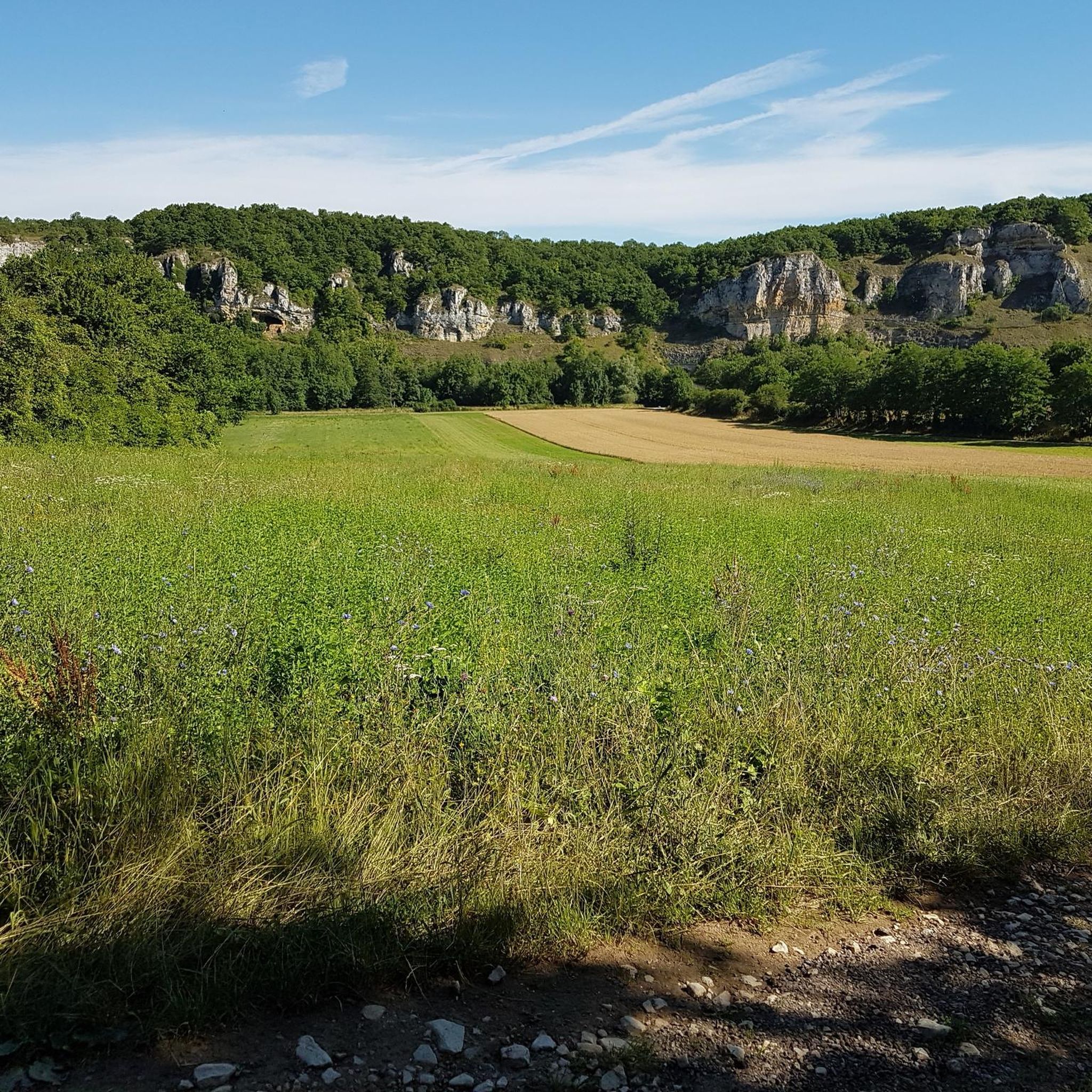
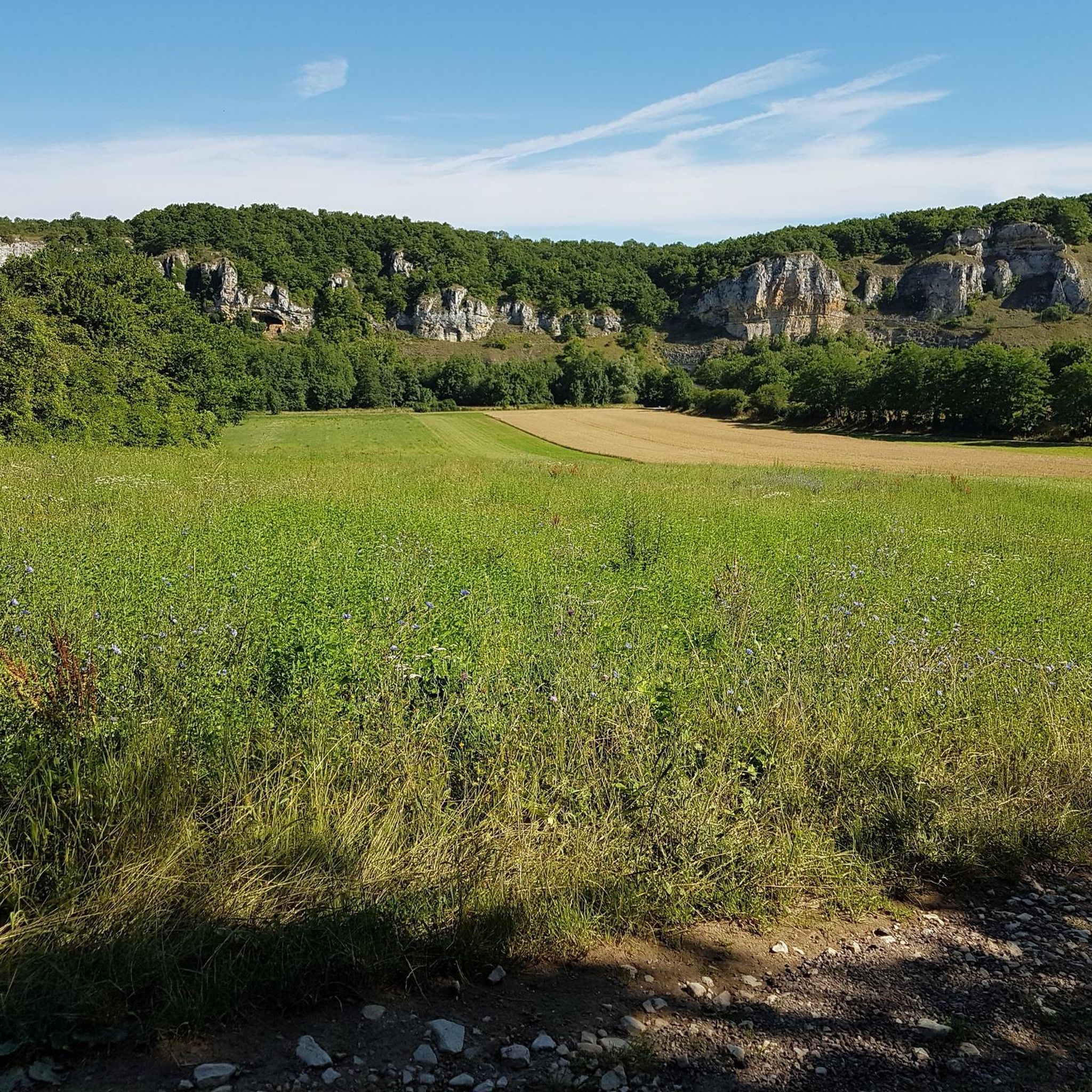
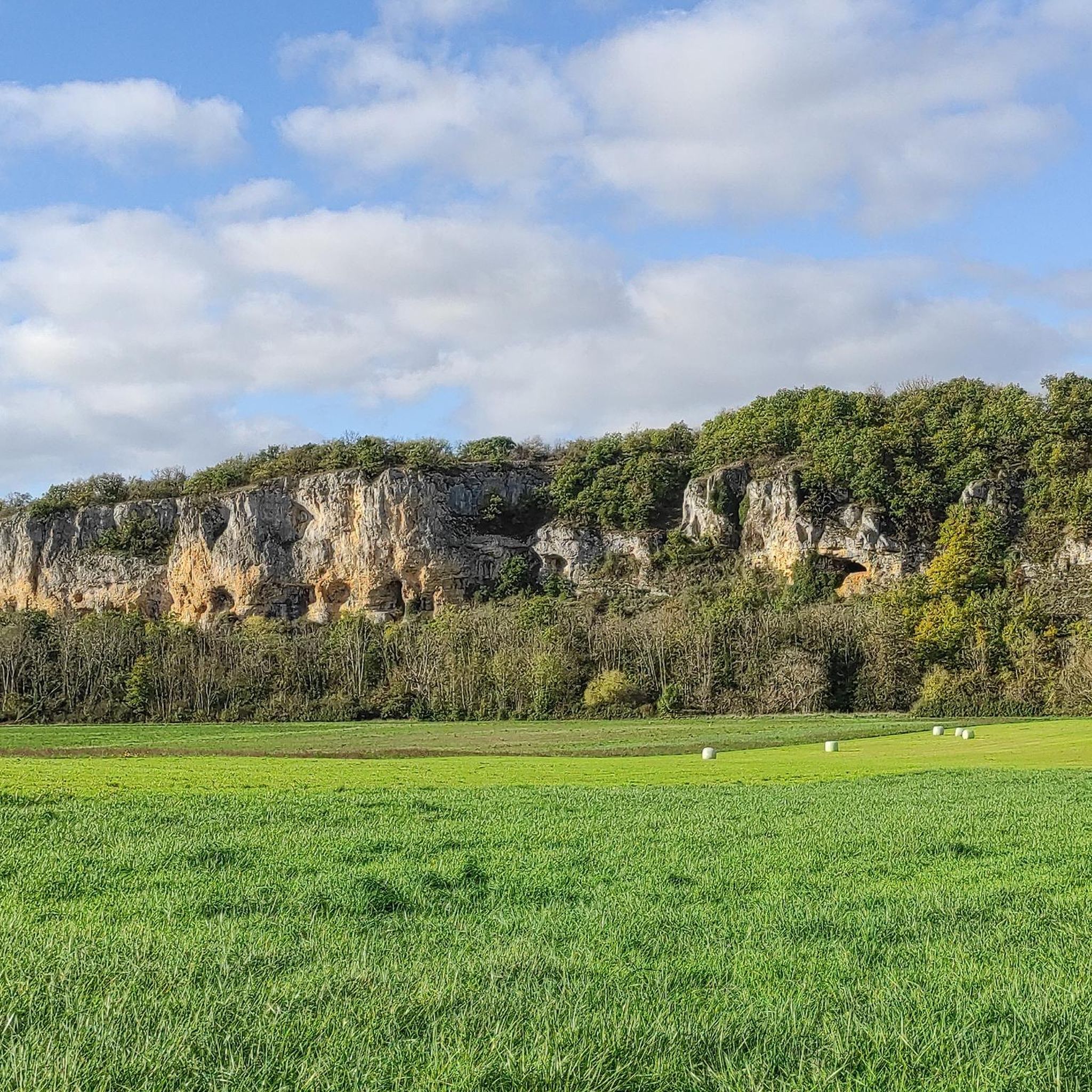
The Saussois Rocks
Highlight • Other
Translated by Google •
Tip by

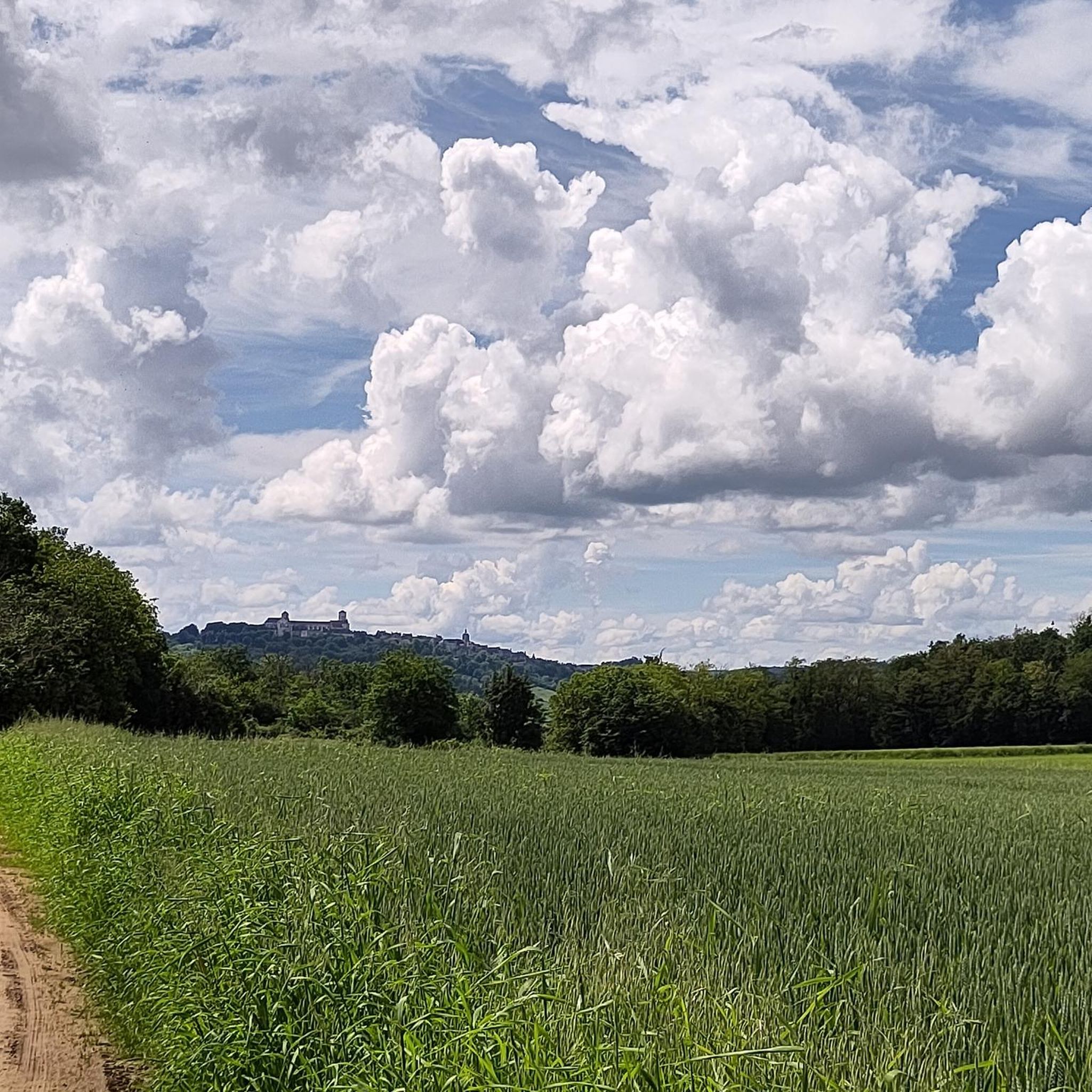
Basilica of Saint Mary Magdalene in Vézelay
Highlight • Religious Site
Translated by Google •
Tip by
Sign up now to discover places like this
Get recommendations on the best single tracks, peaks, & plenty of other exciting outdoor places.
Notre-Dame Church of Saint-Père
Highlight • Religious Site
Showing Translation
Tip by

Cordelle Chapel
Highlight • Religious Site
Showing Translation
Tip by

Great Cave of Arcy
Highlight • Other
Visit the Great Cave, which has been frequented for several centuries for its magnificent concretions; in the 1990s it …
Translated by Google •
Tip by

Sign up for free to discover even more attractions around Voutenay-Sur-Cure.
Already have an account?
Start today with a free account
Your next adventure awaits.

Tips from the Community

The hermitage of La Cordelle is the first Franciscan settlement in France. Located at the foot of the Vézelay hill, the hermitage of La Cordelle is today inhabited by three brothers who live the heart of the Franciscan mission there: fraternity and the attentive welcome of all, believers or not.
1
0

This church, dedicated to the Holy Cross (Latin: "Santa Croce"), derives its patronage from the cross on which Jesus Christ died. The veneration of the Holy Cross is largely based on Saint Helena, the mother of Emperor Constantine the Great (who, after his victory at the Milvian Bridge in Rome, recognized Christianity as a religion and ended the long period of persecution with the Edict of Toleration of Milan in 312). She made a pilgrimage to the Holy Land (Israel/Palestine) in the early fourth century and brought numerous relics back to Europe, including the "True Cross," on which Jesus Christ was crucified. Helena is therefore often depicted with a cross as an attribute. The Church celebrates the Feast of the Discovery, public presentation, and veneration of the Holy Cross—called the "Exaltation of the Holy Cross"—on September 14th.
1
0

Very worthwhile visit to this beautiful church
1
0

Very small chapel with a Franciscan monastery. The monastery was only returned a few years ago. The monks are trying to rebuild the monastery through a project
2
0

A true jewel of Burgundian Gothic art, the church of Saint Père sous Vézelay deserves a moment of attention. Built from the 13th to the 15th century and dedicated to the Virgin, it only became a parish church in the 16th century, succeeding the old Saint Pierre church which gave its name to the village and whose ruins can still be seen at the exit. south of the village. The 13th century bell tower, elegant and airy, 50m high, is visible for miles around. In the middle of the 19th century, the building was in a very advanced state of disrepair. However, Prosper Mérimée describes it as "a gothic cathedral in miniature". Viollet-le-Duc, then 26 years old, fell in love with the church of Saint Père, the restoration of which he launched in 1841. He worked until 1844 on the choir, the chapels and the nave. and in 1868, ends with the bell tower. However, due to a lack of resources, he practically does not intervene on the porch (or narthex). This part, which is the most striking because it evokes real stone lacework, was then restored by Boeswilwald between 1888 and 1889.
0
0

The small building has a square nave with a barrel vault and a small choir on the east side, also square and with a pointed arch vault. The originality of the chapel lies in its modest Romanesque decor with arcades on columns that brighten the side walls and surround the triple bay of the north facade. The 17th-century southern porch is the remnant of a Franciscan church. The place called La Cordelle, at the foot of the Eternal Hill towards Asquins, marks the spot where Saint Bernard preached the second crusade in 1146. The Romanesque chapel was built in the mid-12th century by the abbot of Vézelay in memory of this great historical event. It is also the site of the first Franciscan monastery in France, founded in 1217 around the chapel. Long forgotten, the chapel is now reoccupied by the Franciscans and open to visitors.
3
0

Please make sure to reserve and pay in advance at www.grottes-arcy.net After paying online, be sure to note the reserved date and entry time! You only receive a payment confirmation from Systempay, without an entry time or date! At the checkout, however, the employees see the names of the online bookings. There are only guided tours that last around 50 minutes. The length of the tour is 450 m. You are not allowed to take photos along almost the entire length of the tour! That's why I couldn't take any pictures of this impressively beautiful stalactite cave. At the end of the tour the ceiling height decreases significantly. This is exactly where prehistoric people left their engravings. These engravings were only discovered in 1990 and were exposed with great effort using micro milling. An approximately 3mm thick layer of debris has been removed, but a fine, transparent layer has been left on the engravings so they are still protected. Only at the end of the tour are you allowed to take pictures of a crystal-clear small lake.
3
1
Discover the Arcy site where Neanderthal men lived 200,000 years ago. Visit the Great Cave, which has been frequented for several centuries for its magnificent concretions; in the 1990s it revealed engravings and paintings dated 28,000 years ago, among the oldest in the world. April-June: 10 a.m. - 12 p.m. and 2 p.m. - 5 p.m. July, August: 10 a.m. - 5:30 p.m. September-November: 10 a.m. - 12 p.m. and 2 p.m. - 5 p.m. Tel: 03 86 81 90 63 Email: contact@grottes-arcy.net Possibility of reservation and online payment: www.grottes-arcy.net
4
0
Frequently Asked Questions
What historical landmarks can I explore within Voutenay-sur-Cure itself?
Within Voutenay-sur-Cure, you can discover several historical landmarks. These include the 13th-century Église Saint-André, notable for its unique stone roof, and The Lavoir, an 1827 washhouse listed as a historical monument. The village also features the Tour de l'Horloge (Clock Tower) built in 1829, remnants of the Castrum and Collégiale Saint-Potentien, and an old castle.
Where can I find impressive natural rock formations near Voutenay-sur-Cure?
Just a few kilometers from Voutenay-sur-Cure, you'll find the impressive The Saussois Rocks. These spectacular limestone cliffs, sometimes compared to the Grand Canyon, are a popular spot for rock climbing enthusiasts and offer wonderful views of the surrounding landscape.
Are there any significant religious sites to visit in the area?
Yes, there are several significant religious sites. The Cordelle Chapel is a small Romanesque building marking the site where Saint Bernard preached the Second Crusade in 1146. Additionally, the Notre-Dame Church of Saint-Père, a masterpiece of Burgundy Flamboyant Gothic style with a 50-meter-high bell tower, is a must-see.
What natural features are prominent around Voutenay-sur-Cure?
Voutenay-sur-Cure is situated at the confluence of the Cure River and the Vau de Bouche stream. The Cure River is known for its winding course through wild gorges. The Vau de Bouche stream has carved out numerous caves, including Le Grand Souterrain and La Grande Fontaine, and the valley features cliffs rising approximately 100 meters. The area is also close to the Morvan Regional Natural Park.
What kind of outdoor activities can I do near Voutenay-sur-Cure?
The region offers diverse outdoor activities. You can enjoy cycling along the Voie Verte du Canal du Nivernais, which passes below the village. For those interested in more challenging rides, there are various MTB trails. The Cure River is also popular for rafting and canoeing, especially within the Morvan Regional Natural Park.
Are there hiking or running trails available near the attractions?
Yes, there are several options for hiking and running. You can find various running trails, including loops from Sermizelles, Blannay, and Voutenay-sur-Cure itself. The area around the Cure River and the Morvan Regional Natural Park provides scenic routes for walkers and runners of varying difficulties.
What nearby towns or villages are worth visiting for their historical significance?
Several historically rich towns are easily accessible. Vézelay, about 11 km away, is home to the monumental Vézelay Basilica. Avallon, 12 km distant, offers imposing medieval buildings. Noyers-sur-Serein, recognized as one of France's 'Most Beautiful Villages,' captivates with its half-timbered houses and riverside setting.
Is there a specific natural area for nature lovers in Voutenay-sur-Cure?
Yes, nature lovers can explore the Espace naturel sensible 'la Côte de l'étang' within Voutenay-sur-Cure. This sensitive natural area provides a tranquil setting to appreciate the local flora and fauna.
What is Châtel-Censoir known for?
Châtel-Censoir, crossed by the Yonne and the Canal du Nivernais, was historically prosperous due to the transport of firewood. Visitors can see the remains of its Castrum and the Saint-Potentien collegiate church. The Nivernais canal greenway also passes below the village, offering pleasant routes.
Can I visit any castles or châteaux in the vicinity?
You can visit the Château du Chastenay. This elegant Renaissance-style building features a turret, a hexagonal staircase tower, and richly carved mullioned windows. Its presence, along with a dovecote, affirms its lordly character.
What is the best time of year to visit Voutenay-sur-Cure for outdoor activities?
The spring and autumn months generally offer pleasant weather for outdoor activities like hiking, cycling, and exploring the natural sites. The Morvan Regional Natural Park and the Cure River are particularly enjoyable when the temperatures are mild. Summer can also be good, but it can get warm, especially for strenuous activities.
Are there any family-friendly attractions or activities in the area?
While specific 'family-friendly' categories are limited, many natural and historical sites can be enjoyed by families. Exploring the caves along the Vau de Bouche, walking or cycling along the Voie Verte, or visiting the historical churches and villages like Noyers-sur-Serein can be engaging for all ages. The miniature village next to Château du Chastenay might also appeal to younger visitors.
Most popular routes around Voutenay-Sur-Cure

Get inspired with the komoot mobile app


Explore more
Still not found the Highlight you’re looking for? See guides of the top attractions in other regions:
