The best road cycling routes around Verpillières
4.0
(7)
195
riders
87
rides
Road cycling routes around Verpillières traverse a landscape characterized by gently rolling terrain and open countryside. The region features a network of quiet roads that wind through agricultural fields and occasional wooded sections. Elevations are generally low, with routes offering modest climbs suitable for various fitness levels. This area provides a serene environment for road cyclists seeking longer distances without significant mountain ascents.
Best road cycling routes around Verpillières
- The most popular road cycling route is Roadbike loop from Roye…
Last updated: July 15, 2026
5
riders
47.1km
01:55
180m
180m
Easy road ride. Great for any fitness level. Mostly well-paved surfaces and easy to ride.
4
riders
51.6km
02:06
250m
250m
Moderate road ride. Good fitness required. Mostly well-paved surfaces and easy to ride.

Sign up for free
5
riders
76.1km
03:06
330m
330m
Moderate road ride. Good fitness required. Some segments of this route may be unpaved and difficult to ride.
4
riders
51.0km
02:05
250m
250m
Moderate road ride. Good fitness required. Mostly well-paved surfaces and easy to ride.
3
riders
44.0km
01:51
230m
230m
Easy road ride. Great for any fitness level. Mostly well-paved surfaces and easy to ride.
Get access to more routes and recommendations from other explorers.
Sign up for free
Already have an account?
Our route recommendations are based on thousands of hikes, rides, and runs completed by other people on komoot.
Start today with a free account
Your next adventure awaits.
Login or Signup
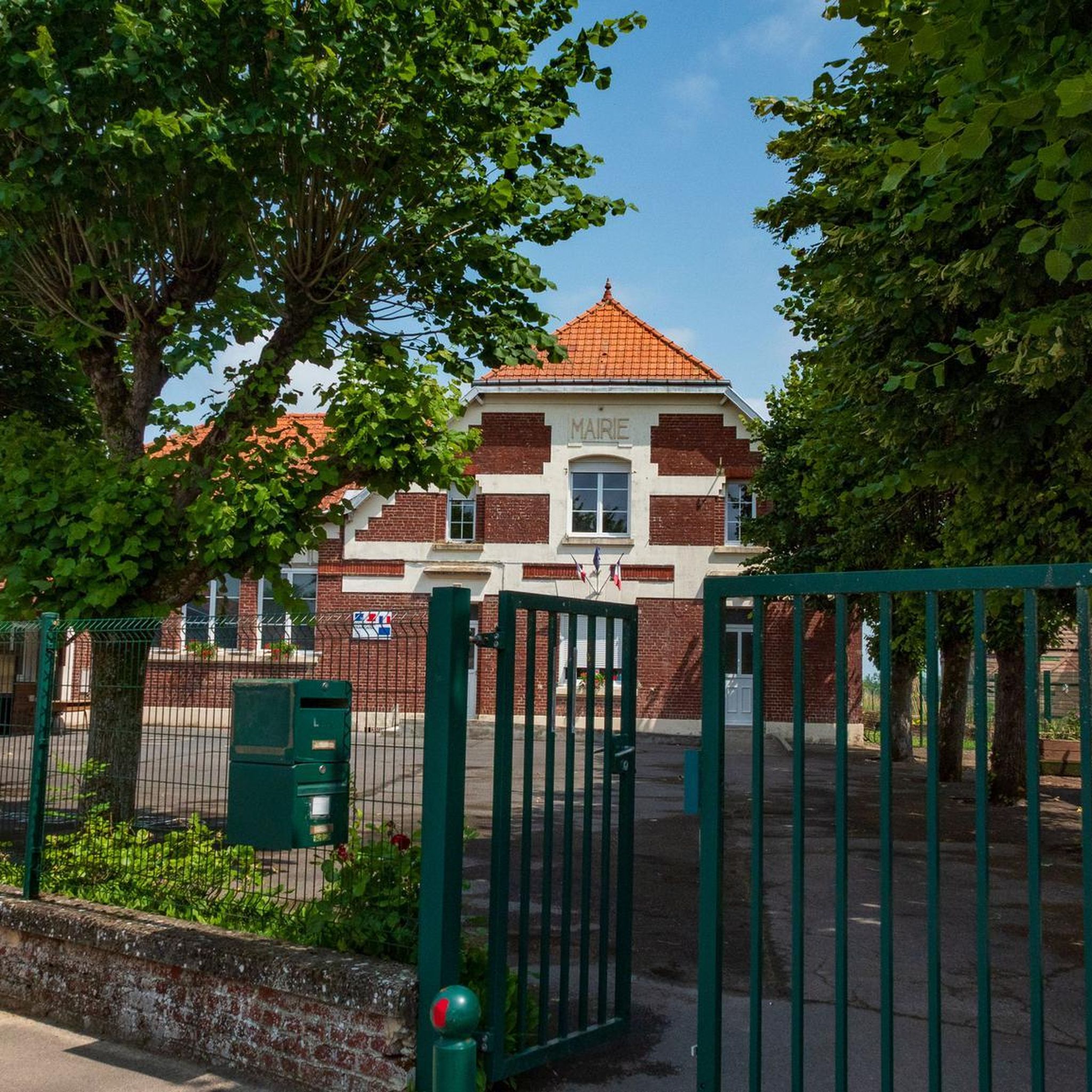

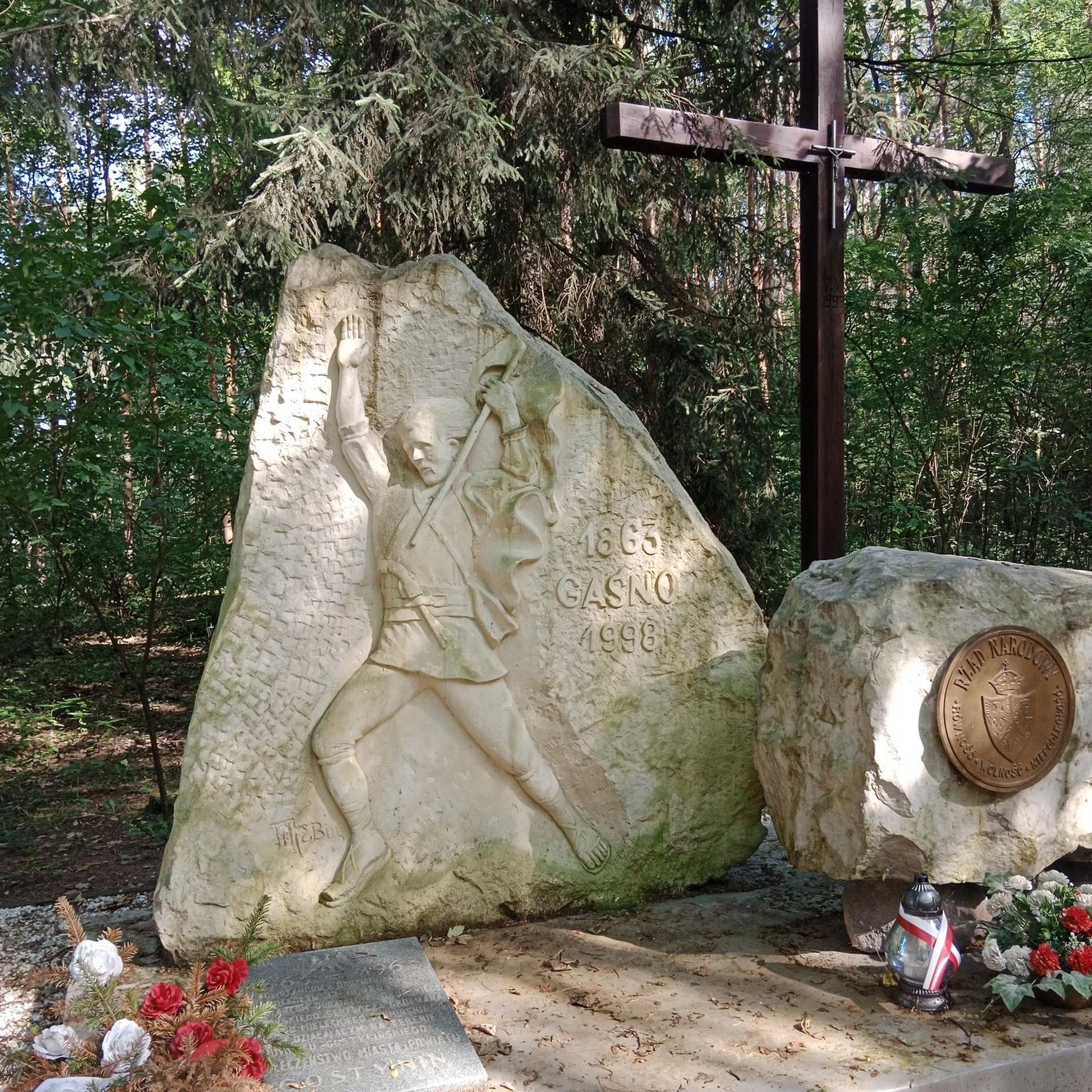
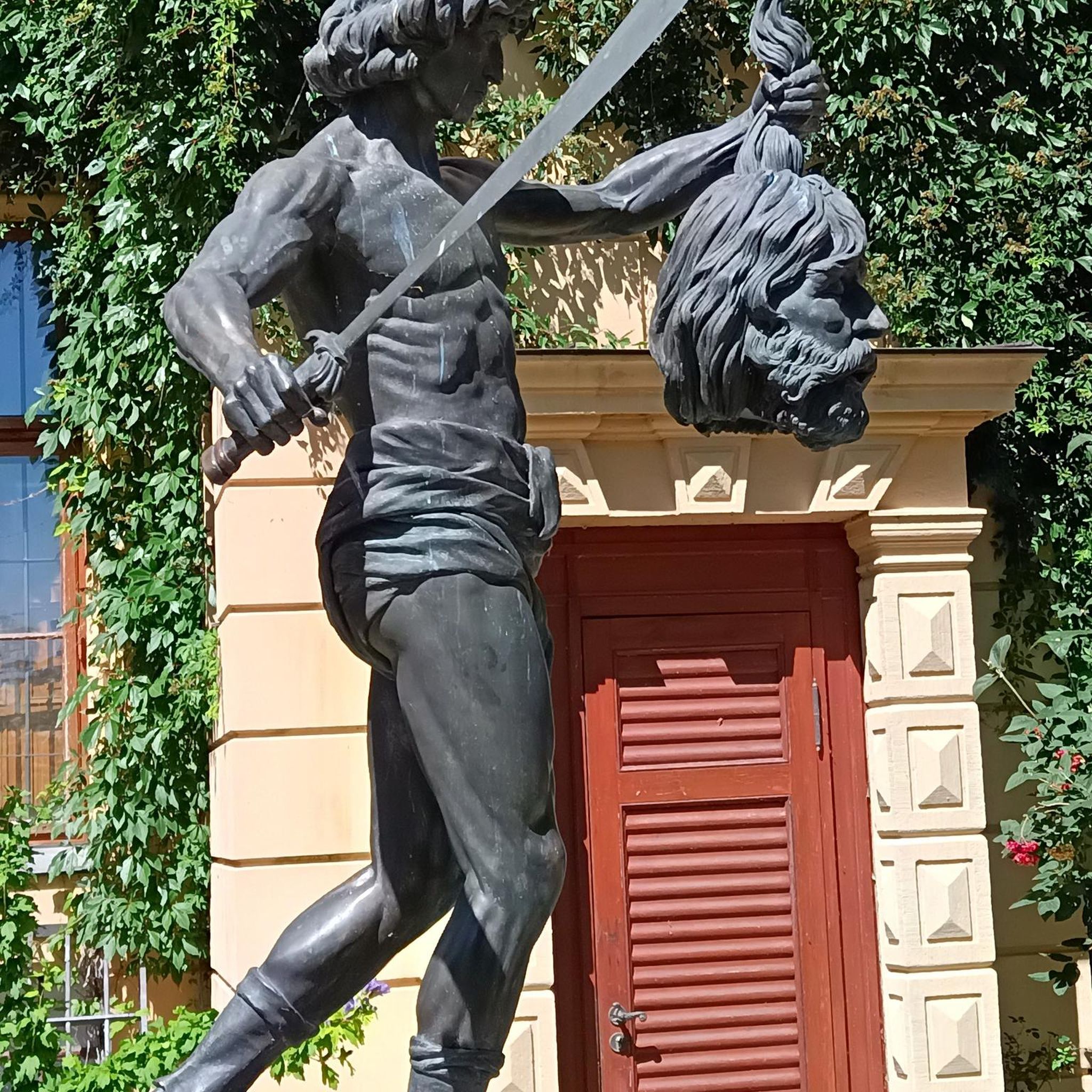
Tips from the Community

The reconstruction of Notre-Dame, consecrated in 1928, was designed by Swiss architect Albert Montant—who also designed the church of Canny-sur-Matz. Albert Montant was an excellent connoisseur of medieval architecture, and the building, constructed of brick with some stone elements, contains numerous references to Romanesque architecture, revisited here with great originality and sensitivity. The plan features a bell tower porch, a single nave, and a choir with side aisles, culminating in an apse framed by two apsidioles. Each section has its own distinctive features. The bell tower porch—which echoes that of the previous church—opens with a semicircular arched portal with three arches resting, on each side, on as many small columns via cubic capitals. Three small, offset windows open above, and a gable crowns the whole. Instead of the traditional gallery, the bell tower porch forms, inside, a richly lit lantern crowned by a four-sided dominion vault. Of Carolingian origin, the lantern tower enjoyed great popularity in Anglo-Norman architecture and beyond, as evidenced by the one at Laon Cathedral. The nave has three bays with semicircular barrel vaults. Its two transverse arches are supported by abacuses surmounting consoles, a device intended to house statues, now missing. The choir is covered with a barrel vault that closes in a cul-de-four at the apse. Eleven small semicircular windows penetrate this vault, the base of which is highlighted by a continuous cordon of billets. Three semicircular arches resting on circular piers provide access to the side aisles, each covered with a semicircular barrel vault. This entire ensemble clearly draws its inspiration from the Romanesque architecture of Berry and Auvergne. In the nave, we notice six stained-glass windows by Blanchet-Lesage (1959) on the themes of Faith, Charity, Hope, Prudence, Justice, and Strength (2008).
0
0


This cemetery was created in 1920 by the French State, which brought together in one place the graves of 49 military cemeteries or military squares of communal cemeteries. It houses 6,545 remains of soldiers including 3,755 in individual graves, 126 of which are unidentified and 2,790 in two ossuaries, 116 of which are unidentified. The tombs are materialized by stone crosses. More than 2,000 soldiers killed from the winter of 1914 to the summer of 1916 lie in this cemetery. However, the vast majority of the graves are those of soldiers who fell during the Battle of the Kaiser in the spring of 1918 and the Hundred Days Offensive led by the Allies from the summer of 1918. Against the east wall of the cemetery, near the entrance, a commemorative plaque pays homage to Richard von Heydebreck who died on June 12, 1918. A monument erected inside the necropolis pays homage to the German and French soldiers who fell near Liancourt - Pit in 1915, about ten kilometers away. Wikipedia
1
0

More exactly the only remaining tower of the castle.
0
0
Frequently Asked Questions
How many road cycling routes can I find around Verpillières?
There are over 80 road cycling routes available around Verpillières, offering a wide range of options for different skill levels and preferences.
Are there easy road cycling routes suitable for beginners in Verpillières?
Yes, Verpillières offers several easy road cycling routes perfect for beginners or those seeking a relaxed ride. For example, the Roadbike loop from Roye is an easy 29.2-mile (47.1 km) trail with minimal elevation gain, ideal for a gentle introduction to the area's quiet roads.
What kind of terrain can I expect on road cycling routes in Verpillières?
The road cycling routes around Verpillières are characterized by gently rolling terrain and open countryside. You'll find a network of quiet roads winding through agricultural fields and occasional wooded sections, with generally low elevations and modest climbs suitable for various fitness levels.
Are there any challenging routes for experienced road cyclists?
While the region is known for its modest climbs, there is at least one difficult route available for experienced cyclists seeking more of a challenge. The area's longer routes also offer endurance tests through varied terrain.
What are some popular moderate road cycling routes in the area?
Many local road cyclists enjoy moderate routes that offer slightly more varied terrain. The Tour Roland loop from Roye is a popular 32.0-mile (51.6 km) path featuring gentle undulations and scenic views. Another option is the Tower of the Château de Ham – Ham Town Hall loop from Roye, which is a longer 47.3-mile (76.1 km) ride.
Are there circular road cycling routes available around Verpillières?
Yes, many of the road cycling routes in Verpillières are designed as loops, allowing you to start and end your ride in the same location. Examples include the Château de Davenescourt loop from Roye and the Road Through the Woods loop from Roye.
What do other road cyclists say about the routes in Verpillières?
The road cycling routes in Verpillières are highly rated by the komoot community, with an average score of 4.3 stars from 3 reviews. Cyclists often praise the quiet country roads, open agricultural landscapes, and the variety of routes catering to different ability levels.
What can I see along the road cycling routes in Verpillières?
While cycling, you can explore various points of interest. Notable attractions include the historic Château de Boulogne-la-Grasse, the Nécropole militaire allemande de Lassigny, and charming religious buildings like the Church of the Assumption of Our Lady.
Are there any hidden gems or unique sights to discover while road cycling?
Beyond the main routes, you might stumble upon lesser-known historical sites such as the Souterrain de la Panneterie, an intriguing underground passage. The quiet roads often lead through picturesque villages and offer unexpected scenic views of the agricultural landscape.
What is the best time of year for road cycling in Verpillières?
Given the region's gently rolling terrain and open fields, spring and autumn are generally ideal for road cycling in Verpillières. The weather is typically mild, and the landscapes are vibrant, offering comfortable conditions for longer rides. Summer can also be pleasant, though it's advisable to ride earlier in the day to avoid the midday heat.
Are there routes that pass through wooded areas?
Yes, while the region is predominantly open countryside, some routes do feature occasional wooded sections. The Road Through the Woods loop from Roye is an example of a route that incorporates these more sheltered parts of the landscape.
Most popular attractions around Verpillières

Get inspired with the komoot mobile app


Explore more
Browse the best Road cycling routes in other regions.
