The best road cycling routes around Longueval
4.4
(34)
405
riders
103
rides
Road cycling around Longueval, situated in the Somme department of France, offers accessible and scenic routes. The region is characterized by undulating ground and quiet country roads, providing varied topography suitable for road cyclists. Routes often traverse the Somme Valley, featuring hedgerows, ponds, peat bogs, and tranquil river meanders. This area also provides a unique opportunity to explore significant World War I remembrance sites by bike.
Best road cycling routes around Longueval
- The most popular road cycling route is Le…
Last updated: July 2, 2026
4.3
(3)
36
riders
98.5km
04:06
540m
540m
Moderate road ride. Good fitness required. Some segments of this route may be unpaved and difficult to ride.
23
riders
12.7km
00:38
90m
90m
Easy road ride. Great for any fitness level. Mostly well-paved surfaces and easy to ride.

Sign up for free
22
riders
11.3km
00:37
70m
70m
Easy road ride. Great for any fitness level. Mostly well-paved surfaces and easy to ride.
4.0
(1)
22
riders
143km
06:52
1,110m
1,110m
Hard road ride. Very good fitness required. Mostly well-paved surfaces and easy to ride.
5.0
(3)
13
riders
43.0km
02:00
270m
270m
Easy road ride. Great for any fitness level. Mostly well-paved surfaces and easy to ride.
Get access to more routes and recommendations from other explorers.
Sign up for free
Already have an account?
Our route recommendations are based on thousands of hikes, rides, and runs completed by other people on komoot.
Start today with a free account
Your next adventure awaits.
Login or Signup



Tips from the Community

Small chapel accessible from Saulty, leads to the national
0
0


Very rolling segment passing through the woods
0
0
Very rolling greenway, somewhat monotonous but still pleasant
1
0

Nice view on the lake of Lécluse, between the villages of Lécluse, Tortequesne and Hamel.
1
0
Frequently Asked Questions
How many road cycling routes are available around Longueval?
There are over 100 road cycling routes available around Longueval, offering a wide variety of options for different skill levels and preferences.
What kind of terrain can I expect when road cycling near Longueval?
The region around Longueval is characterized by undulating ground and quiet country roads, providing varied topography. You'll often traverse the Somme Valley, encountering hedgerows, ponds, peat bogs, and tranquil river meanders. The terrain is generally suitable for road bikes, with smooth surfaces.
Are there road cycling routes suitable for beginners in Longueval?
Yes, Longueval offers a good selection of routes for beginners. There are over 30 easy road cycling routes, such as Le Caribou de Guedecourt loop from Bapaume, which is a gentle 7.9-mile (12.7 km) ride.
Are there challenging road cycling routes for experienced cyclists?
Absolutely. For experienced cyclists seeking a challenge, there are several difficult routes available. An example is the Château de Péronne – Doingt Greenway loop from Nécropole nationale de France à l'Ouvrage des Bois, a demanding 43.5-mile (70.0 km) path with varied terrain and historical significance.
What historical sites can I explore by road bike near Longueval?
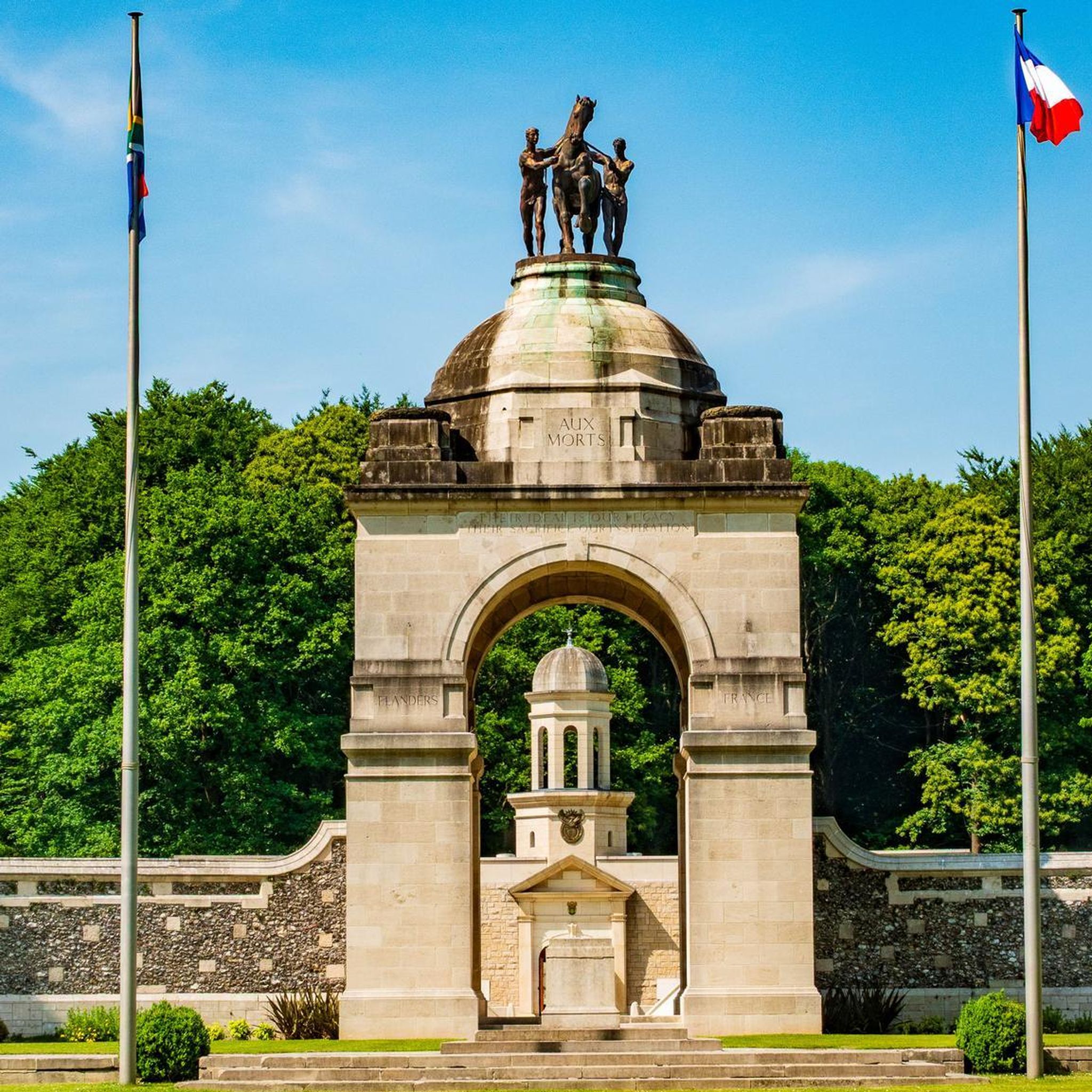
Longueval and its surroundings are rich in World War I history. You can cycle to poignant sites like the Lochnagar Crater, the monumental Thiepval Memorial, and the La Boisselle Mine Crater. Delville Wood and High Wood, scenes of intense fighting, are also easily accessible by bike, offering a profound historical experience.
Are there scenic viewpoints along the road cycling routes?
Yes, the region boasts several natural viewpoints offering exceptional panoramas. Notable spots include Vaux Viewpoint and Frise Viewpoint, which provide serene breaks and opportunities to appreciate the upper Somme valley's tranquil ponds, marshes, and river meanders.
What is the best time of year to go road cycling in Longueval?
The Somme region generally offers pleasant conditions for cycling from spring through autumn. The weather is typically mild, making these seasons ideal for exploring the quiet country lanes and historical sites. Always check local forecasts for current conditions.
Are there options for parking near road cycling trailheads in Longueval?
Yes, the region is equipped with amenities for cyclists, including designated parking areas near many trailheads. Specific parking information can often be found on individual route pages on Komoot or local tourism websites.
Can I find circular road cycling routes around Longueval?
Many of the road cycling routes around Longueval are designed as loops, allowing you to start and finish at the same point. For example, the Suzanne Castle loop from Montauban-de-Picardie is a moderate 29.2-mile (47.1 km) route that brings you back to your starting point.
What do other road cyclists enjoy the most about road cycling in Longueval?
The area is highly rated by the komoot community, with an average score of 4.0 stars from over 20 reviews. Cyclists often praise the combination of quiet country lanes, the natural beauty of the Somme Valley, and the unique opportunity to explore significant World War I remembrance sites by bike.
Are there any long-distance road cycling paths in the Somme region?
Yes, the Somme Valley Véloroute (GR800) is a significant cycle path in the department, stretching between 125km and 200km. While some sections might be better suited for hybrid bikes, many parts offer largely flat and safe sections ideal for road cycling. More information can be found on France Vélo Tourisme.
Are there places to eat or stay that are cyclist-friendly in the Longueval area?
The region is increasingly catering to cyclists. You can find 'Accueil Vélo' certified establishments, which offer accommodation and services specifically for cyclists, including picnic areas and bike racks. Look for these signs in towns and villages along your route.
Most popular attractions around Longueval

Get inspired with the komoot mobile app


Explore more
Browse the best Road cycling routes in other regions.
