The best running trails around Bermersheim vor der Höhe
4.3
(131)
1,993
runners
244
runs
Jogging around Bermersheim vor der Höhe offers routes through the extensive vineyards of Germany's largest wine-growing district, Rhenish Hesse. The region is characterized by its hilly landscape, providing varied terrain for runners. Elevated positions often present panoramic views of the surrounding vineyards and villages. These paths are well-maintained and suitable for various outdoor activities.
Best jogging routes around Bermersheim vor der Höhe
- The most popular jogging route is Galgenberg – Homberg loop from Albig, a 12.7 miles (20.5 km)…
Last updated: June 30, 2026
5.0
(3)
47
runners
20.1km
02:07
90m
90m
Hard run. Very good fitness required. Mostly paved surfaces. Suitable for all skill levels.
5.0
(5)
24
runners
10.3km
01:04
80m
80m
Moderate run. Good fitness required. Mostly paved surfaces. Suitable for all skill levels.

Sign up for free
3.0
(1)
13
runners
7.38km
00:47
100m
100m
Moderate run. Good fitness required. Mostly paved surfaces. Suitable for all skill levels.
9
runners
21.2km
02:20
310m
310m
Hard run. Very good fitness required. Mostly paved surfaces. Suitable for all skill levels.
11
runners
6.76km
00:42
30m
30m
Moderate run. Good fitness required. Mostly paved surfaces. Suitable for all skill levels.
Get access to more routes and recommendations from other explorers.
Sign up for free
Already have an account?
Our route recommendations are based on thousands of hikes, rides, and runs completed by other people on komoot.
Start today with a free account
Your next adventure awaits.
Login or Signup
Tips from the Community

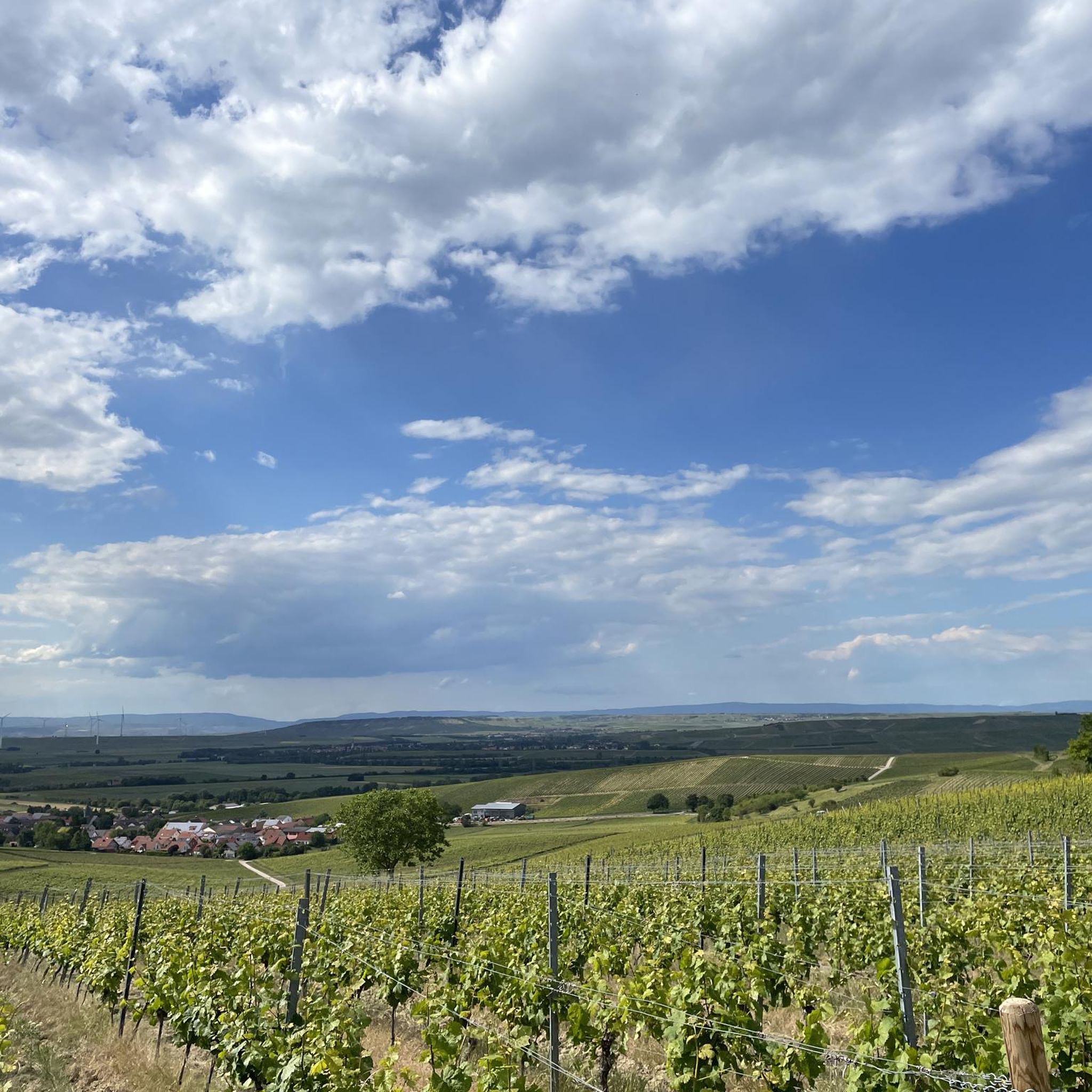
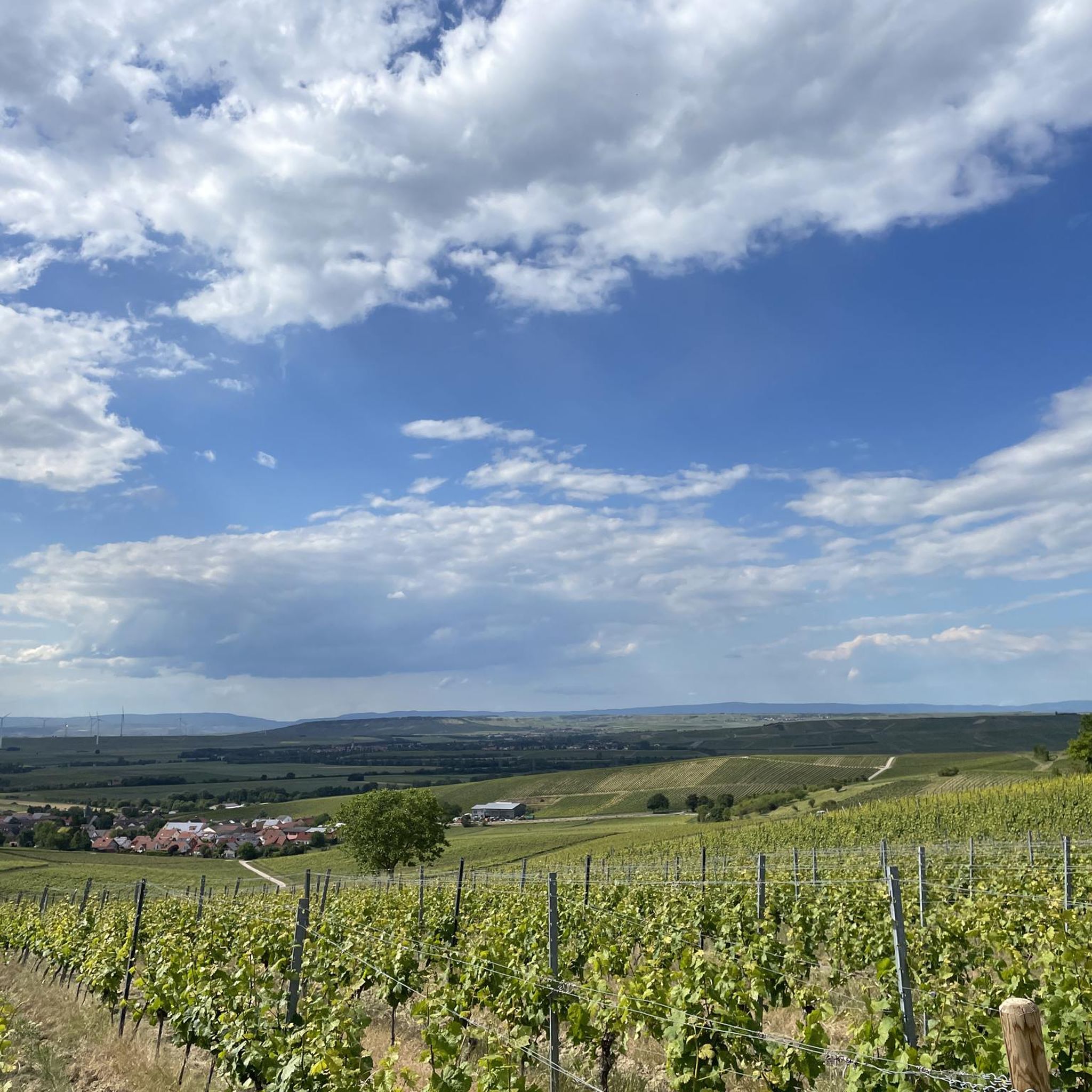
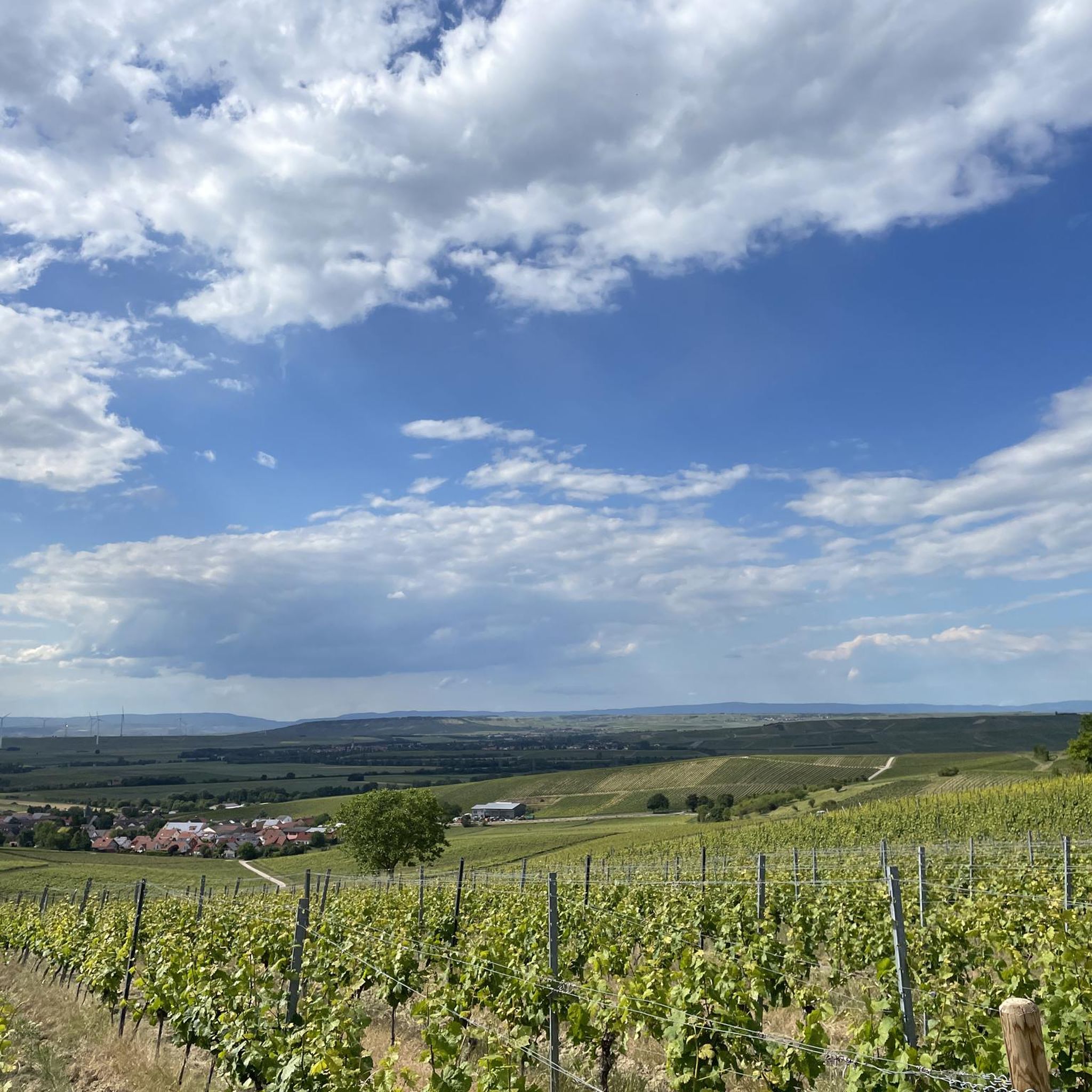
The Galgenberg is indeed a 250 m high elevation between Albig and Alzey-Schafhausen, I didn't want to believe it at first. The background is that here, mountain names are mostly used as vineyard names, and there is such a vineyard called "Galgenberg" in Badenheim near Sprendlingen, but not near us close to Alzey. Learned something new again. Nevertheless, the area can be recommended, because on my tour today I saw the Felderberg in the Taunus, the Melibokus on the Bergstraße, the Petersberg (Gau-Odernheim), the Hornberg (Framersheim), the Wartberg (Alzey) as well as the Donnersberg. That's quite a great haul!
0
0

nice place to take a break
0
0


It comes from the artist Klaus Klinger and the group Farbfieber
0
0

The Rossmarkt [Note 1], together with the neighboring Fischmarkt (Fish Market), was the city's main marketplace. Its name derives from the horse market originally held there. A watercolor by an unknown artist, dated between 1814 and 1820, offers a glimpse of the old Rossmarkt. In the first quarter of the 19th century, the Rossmarkt housed, among other things, a pharmacy, a cooper, two butcher shops, and the Sauer inn. A guesthouse with a brewery and a post office of the Thurn and Taxis postal service were also located there. As early as 1460, an inn stood on the site of today's Kaiser medical supply store. During the time of the Electors, the building was known as the "Herberge Zum Hizen" (Inn at the Sign of the Chizen), and somewhat later as the "Gasthaus Zum Hirschen" (Inn at the Sign of the Stag). In 1905, the entire square was repaved, and some houses had to relocate their staircases to the interior. Today, half-timbered houses from the 17th and 18th centuries adorn the square. At its center stands a landmark of the city since 1985: the Rossmarkt Fountain. Source: https://www.regionalgeschichte.net/rheinhessen/alzey/kulturdenkmaeler/rossmarkt-mit-brunnen.html
3
0

The former Lutheran church in Alzey was built in 1728/29. It is called the "small church" because it is rather dainty compared to Alzey's other churches. The Lutherans had to finance the construction of their church themselves because they had no share in the church's assets. The parish website. The simple, Baroque hall church still houses an organ from the renowned Hunsrück organ-building family Stumm, dating from 1737, in the gallery. At the southwest corner, there is a Romanesque base with corner spires. When St. Nicholas' Church became unusable in 1794, Alzey's Reformed congregation held its services in the small church that year. [Note 1] After the church union in 1822, the small church was initially abandoned. After being used by the Catholics for a time, it served again between 1844 and 1848 as a replacement for St. Nicholas' Church, which was being renovated at the time. In 1873, the demolition of the small church was planned, but the plan was later scrapped. Instead, the small church was equipped with heating, new galleries, and stairs, making it usable even in winter. Further renovations took place in 1930, when, among other things, a sacristy was added. In 1992, a support association was founded to promote the preservation of the church. At its initiative, further renovations were carried out in 1995/96. In 2004/05, the roof was completely replaced, and the exterior walls were plastered, restoring the original Baroque appearance of the small church. (https://www.regionalgeschichte.net/rheinhessen/alzey/kulturdenkmaeler/kleine-evangelische-kirche.html?L=0)
1
0
In 1985, the Neustadt artist Professor Gernot Rumpf created the Rossmarkt Fountain. The horse and fountain represent a monument to a famous son of Alzey: the legendary minstrel and knight Volker von Alzey from the Nibelungenlied. This 13th-century epic poem has its historical core in the Burgundian kingdom of the 5th century, which counted Alzey among its centers, and describes the noble Volker as a "man full of fighting strength" who supposedly carried the banner of the Burgundian king in the campaign against Saxony. This proves that, although of lower nobility, he held a high military rank. The Nibelung hero met his death in the Battle of Etzelburg near Gran, fighting against the Huns. But Volker von Alzey was not only famous as a warrior and tournament rider; his Minnesang (courtly love song) and poetry are also mentioned in the myth. Therefore, the depiction of the coat of arms on the horse is complemented by a minstrel's fiddle on the other side. The horse itself—a status symbol of knights and nobles—is powerfully built and clearly identifiable as a draft horse, one of the heavy warhorses of the Middle Ages. Draft horses are still bred today as calm, undemanding, and very strong draft animals. Besides Volker von Alzey's horse, the design of the fountain basin is also inspired by the Nibelung saga. According to the legend, Hagen von Tronje, chamberlain to the Burgundian king, sank the Nibelung treasure in the Rhine. Even though the historical figure of Volker von Alzey is difficult to grasp and much of the legend is based on the Nibelungenlied, it is hard to deny that the person and the myth are still present in Alzey today. A glance at the city's coat of arms shows a minstrel's fiddle beneath the Palatine lion. The Alzey-Worms district also features the instrument in its coat of arms. ] . ... (https://www.regionalgeschichte.net/rheinhessen/alzey/kulturdenkmaeler/rossmarkt-mit-brunnen.html?L=0)
4
0
Frequently Asked Questions
How many running routes are available around Bermersheim vor der Höhe?
There are over 230 running routes available in and around Bermersheim vor der Höhe, offering a wide variety of options for all skill levels. The komoot community has explored these routes extensively, providing valuable insights and ratings.
What kind of terrain can I expect on the running trails in this region?
The running trails around Bermersheim vor der Höhe primarily feature a hilly landscape, winding through extensive vineyards. This provides varied terrain, from gentle slopes to more challenging ascents, ensuring an engaging experience for runners. The paths are generally well-maintained.
Are there any easy or beginner-friendly jogging routes in Bermersheim vor der Höhe?
Yes, the region offers a good selection of easy running routes. Out of over 230 available tours, 24 are classified as easy, making them perfect for beginners or those looking for a more relaxed run through the scenic vineyards.
Where can I find challenging running routes near Bermersheim vor der Höhe?
For those seeking a challenge, there are 26 difficult running routes available. An example of a more demanding trail is the Galgenberg – Homberg loop from Albig, which covers 12.7 miles (20.5 km) with significant elevation changes, taking approximately 2 hours 15 minutes to complete.
What are some scenic viewpoints or natural features I can enjoy while running?
The region is known for its panoramic views over the Rhine-Hessian landscape, often referred to as the 'Rhine-Hessian Toscana'. You can find stunning vistas from elevated positions, particularly from the Burgundy Tower, which offers impressive views over the vineyards and villages.
Are there any historical landmarks or attractions along the running routes?
Yes, you can encounter several interesting landmarks. The unique Flonheim Trullo, an Italian vineyard cottage from 1756, is a notable historical point of interest. Additionally, the region features the historic 12th-century Protestant Church and the Hauck's Quarries, offering a glimpse into the area's geological past.
Are the running routes around Bermersheim vor der Höhe suitable for families?
Many of the well-maintained paths through the vineyards are suitable for families, especially the easier and moderate routes. These trails offer a pleasant environment for a family outing, allowing everyone to enjoy the natural beauty of the wine country.
Can I bring my dog on the running trails in this area?
Generally, the vineyard paths and rural trails around Bermersheim vor der Höhe are dog-friendly. It's always advisable to keep your dog on a leash, especially when passing through vineyards or near agricultural areas, and to respect local regulations.
What is the best time of year to go running in Bermersheim vor der Höhe?
The region is particularly beautiful during the autumn harvest, when the vineyards are vibrant with color. Spring and summer also offer pleasant conditions for running, with lush greenery. Even in winter, many paths remain accessible, offering a different, serene experience.
Are there circular running routes available?
Yes, many of the running routes in the area are designed as loops, allowing you to start and finish at the same point. For example, the Homberg loop from Albig is a moderate 5.3-mile (8.5 km) path that winds through scenic vineyard-laden hills.
What do other runners say about the trails in Bermersheim vor der Höhe?
The running routes in Bermersheim vor der Höhe are highly rated by the komoot community, with an average score of 4.3 stars from over 100 reviews. Runners often praise the picturesque vineyard landscapes, the varied terrain, and the well-maintained paths that make for an enjoyable experience.
Is there parking available near the running trailheads?
While specific parking information for each trailhead isn't always listed, the region's popularity for outdoor activities suggests that parking is generally available in or near the villages that serve as starting points for many routes. Look for designated parking areas in towns like Albig or Bermersheim vor der Höhe.
Are there any facilities like huts or shelters along the routes?
Yes, there are some facilities available. For instance, you might find shelters like the Cyclists' and Pilgrims' Rest, Framersheim, or the Aulheimer Tal trailhead and shelter, which can provide a brief respite during your run.
Most popular routes around Bermersheim vor der Höhe
Most popular attractions around Bermersheim vor der Höhe

Get inspired with the komoot mobile app


Explore more
Browse the best Running Trails & Routes in other regions.
